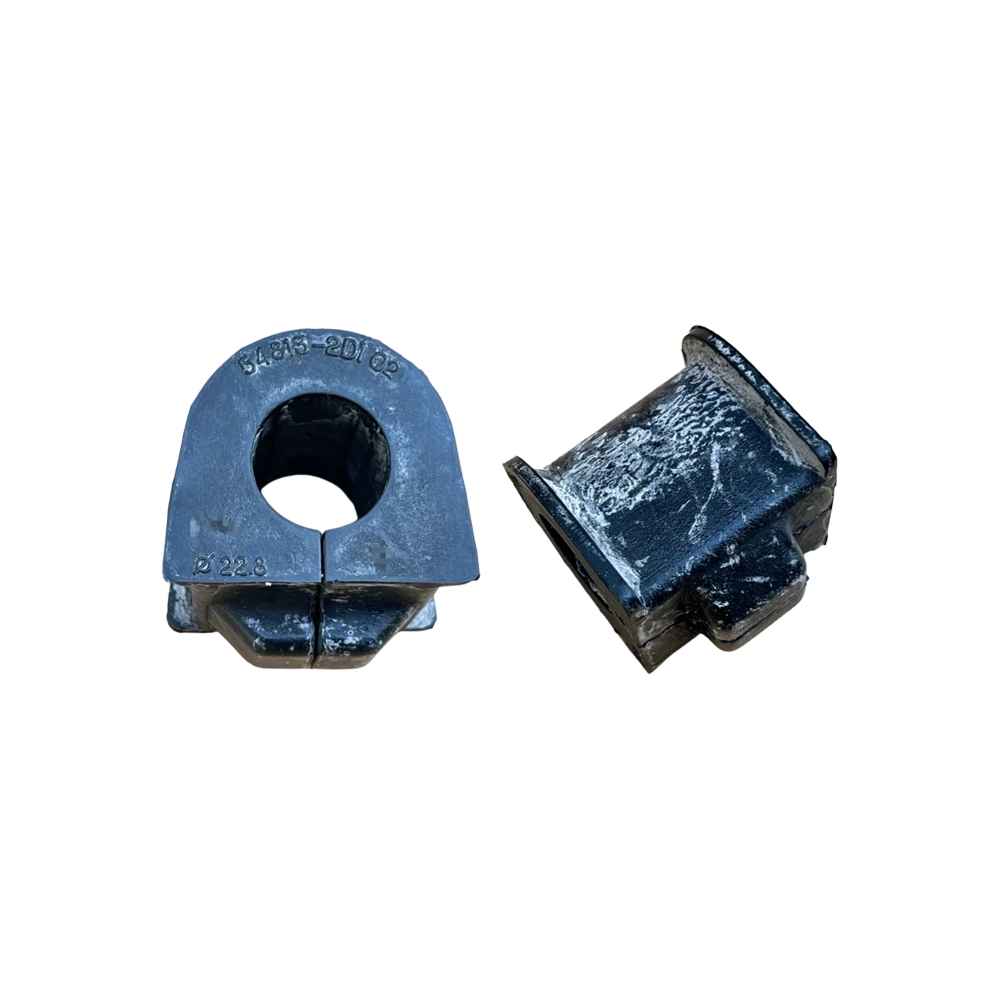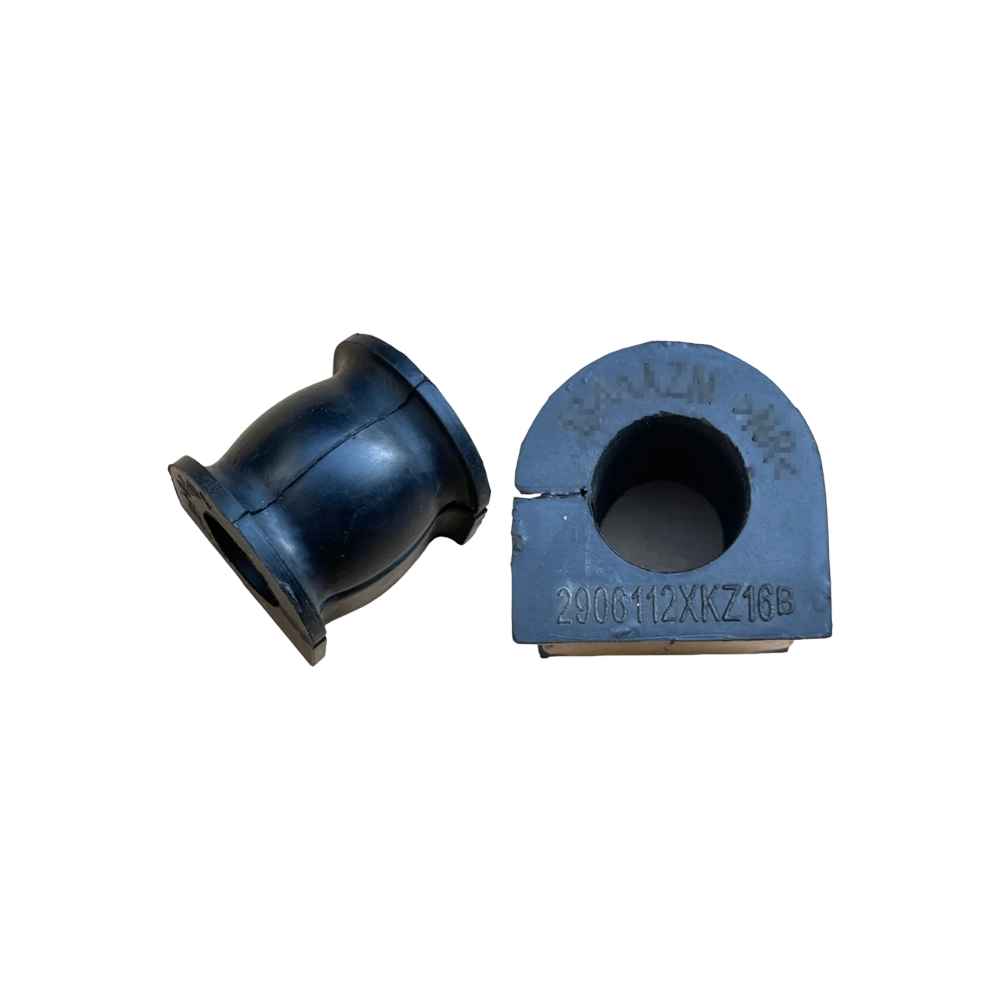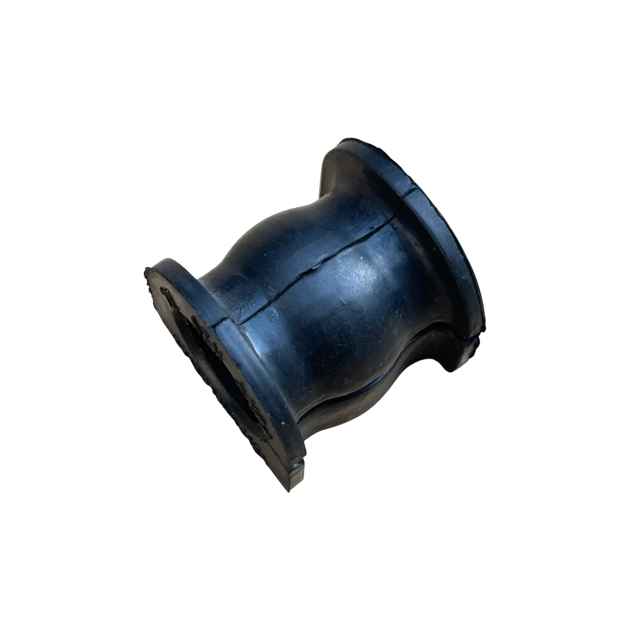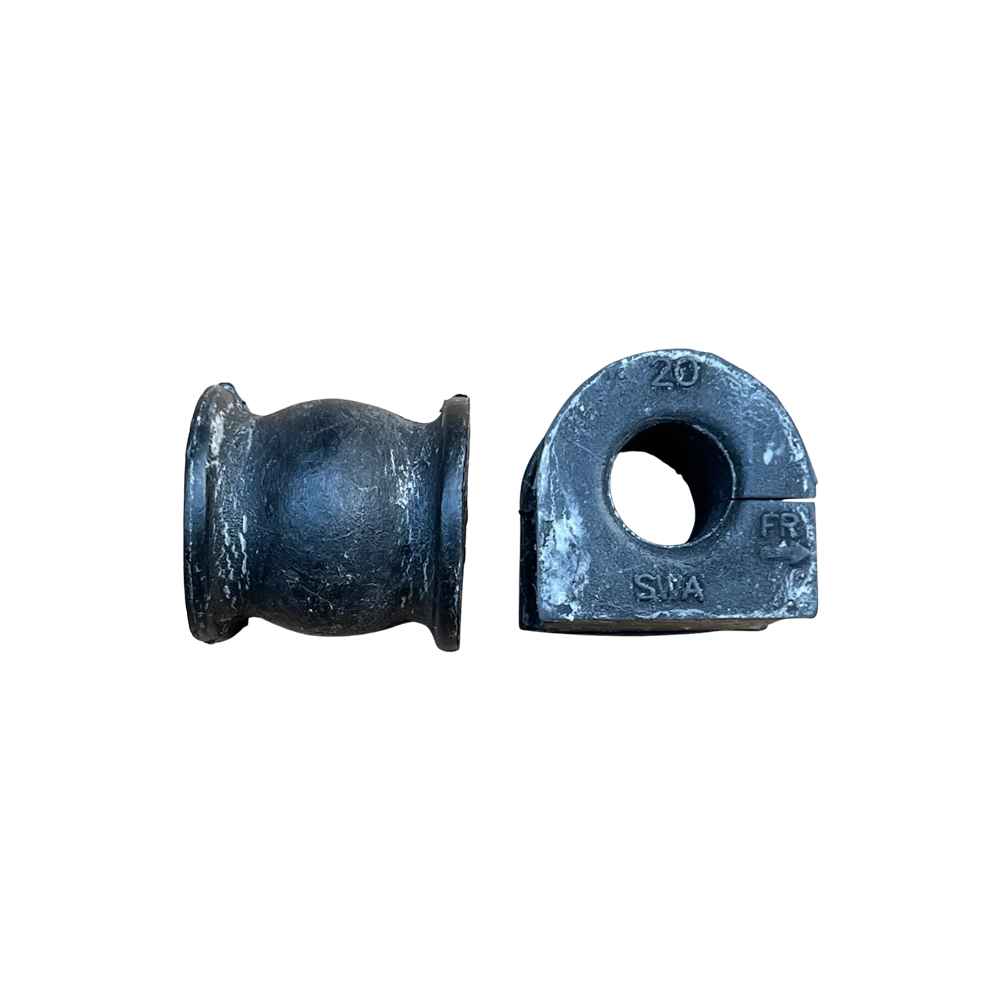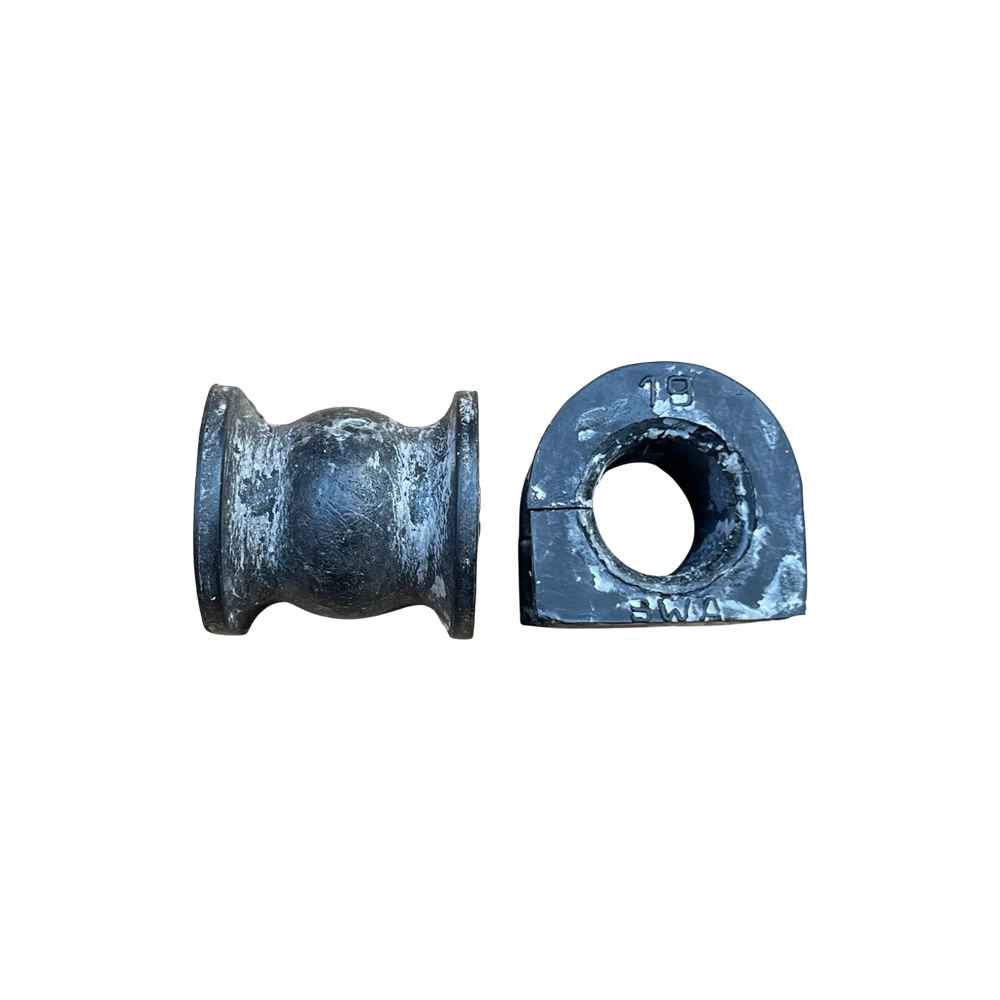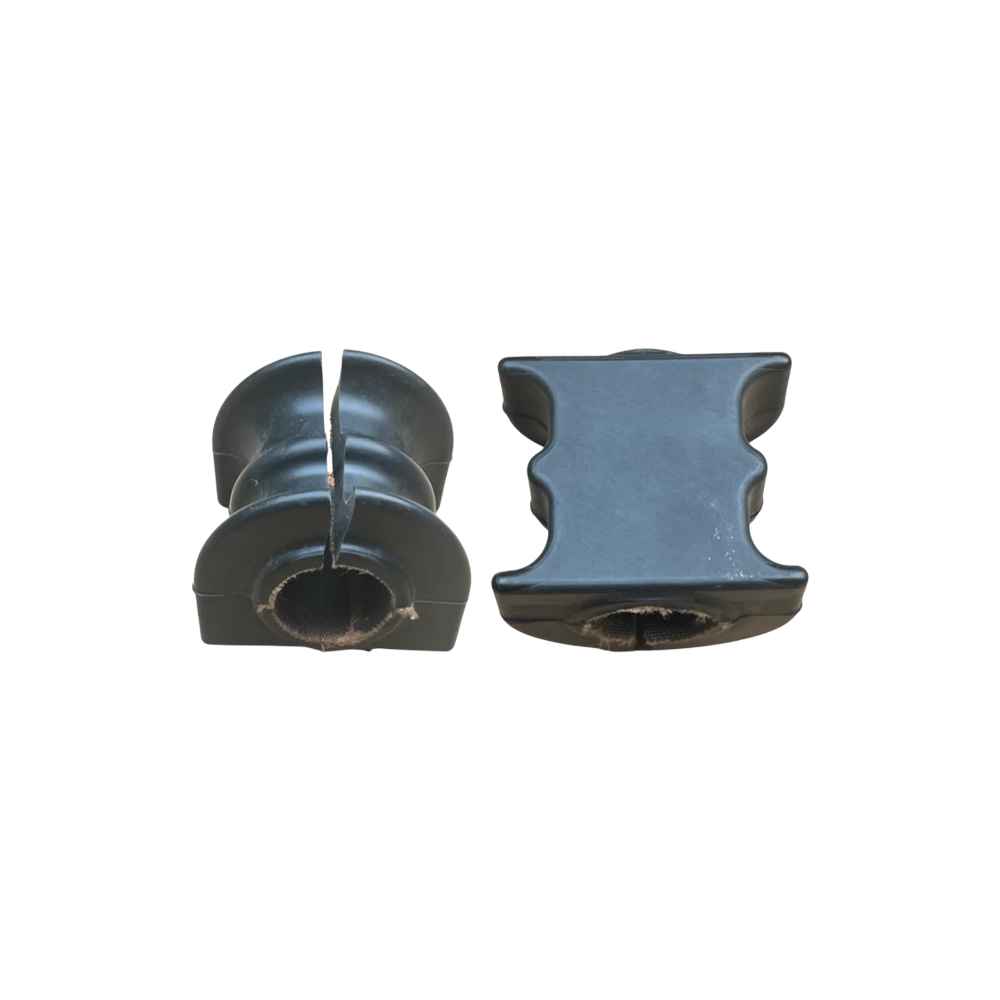
Introduction to Steering Gear Boots and Driveshaft Boots
In the automotive industry, the performance of steering and suspension systems is crucial for vehicle stability and driver control. Among the various components that contribute to these systems are the steering gear boots and driveshaft boots. These rubberized elements serve distinct purposes but share common material characteristics that enhance durability and functionality.
Functionality of Steering Gear Boots
Steering gear boots, typically made from high-quality rubber or thermoplastic materials, provide protection to the steering mechanism against dirt, moisture, and other contaminants. They maintain the integrity of the steering rack while allowing for smooth movement of internal components. Without proper sealing, debris could enter the steering system, leading to increased wear and potential failure.
Material Composition
Modern steering gear boots are often constructed using synthetic rubber compounds designed to withstand extreme temperatures and harsh environmental conditions. The flexibility of these materials allows for easy installation and provides resistance to cracking, ensuring longevity even under stress.

Key Properties
- Durability: Capable of enduring both high and low-temperature extremes.
- Flexibility: Facilitates easy movement without compromising seal integrity.
- Resistance: Offers protection against oils, greases, and UV degradation.
Role of Driveshaft Boots
Driveshaft boots, on the other hand, are critical in protecting universal joints and CV joints found within the driveshaft assembly. Like steering gear boots, they shield internal components from contaminants while retaining lubrication necessary for smooth operation.
Material Considerations
The materials used in driveshaft boots have similarities with those found in steering gear boots, but often feature a thicker design to endure higher rotational forces and impacts. Many manufacturers, such as Guanghua, emphasize the importance of quality materials that not only provide sealing capabilities but also accommodate the dynamic movements experienced during driving.
Critical Features
- Strength: Robustness to handle torque and bending forces.
- Sealing Capabilities: Essential for preventing grease loss and ingress of water.
- Temperature Tolerance: Must perform well under varying heat conditions associated with drivetrain operation.
Comparative Analysis: Steering Gear Boots vs. Driveshaft Boots
While both types of boots serve protective roles, their applications dictate specific requirements in terms of material properties and design. Steering gear boots prioritize flexibility and sealing against environmental factors, whereas driveshaft boots focus on structural integrity and impact resistance.
Material Differences
Both boots are often made from similar elastomeric materials; however, the formulation may differ slightly. Driveshaft boots might utilize a harder compound to withstand harsher operational conditions compared to their steering counterparts, which are designed primarily for static protection.
Installation and Maintenance
When it comes to installation, both types of boots require careful handling to avoid damage. Proper alignment ensures that they function effectively throughout their lifespan. During maintenance checks, any signs of wear, cracking, or deformation should be addressed promptly to prevent catastrophic failure of the associated steering or drivetrain systems.
Conclusion: Importance in Chassis Systems
Understanding the differences between steering gear boots and driveshaft boots is essential for anyone involved in vehicle maintenance or repair. By choosing high-quality products, like those offered by brands such as Guanghua, and ensuring proper installation, vehicle owners can preserve the functionality and safety of their chassis steering and suspension systems.