Understanding the Components
In the world of chassis steering and suspension systems, material choice is crucial. Strut dust sleeves and CV axle boots each serve vital functions, yet their materials vary significantly. What does that mean for performance?
Strut Dust Sleeves
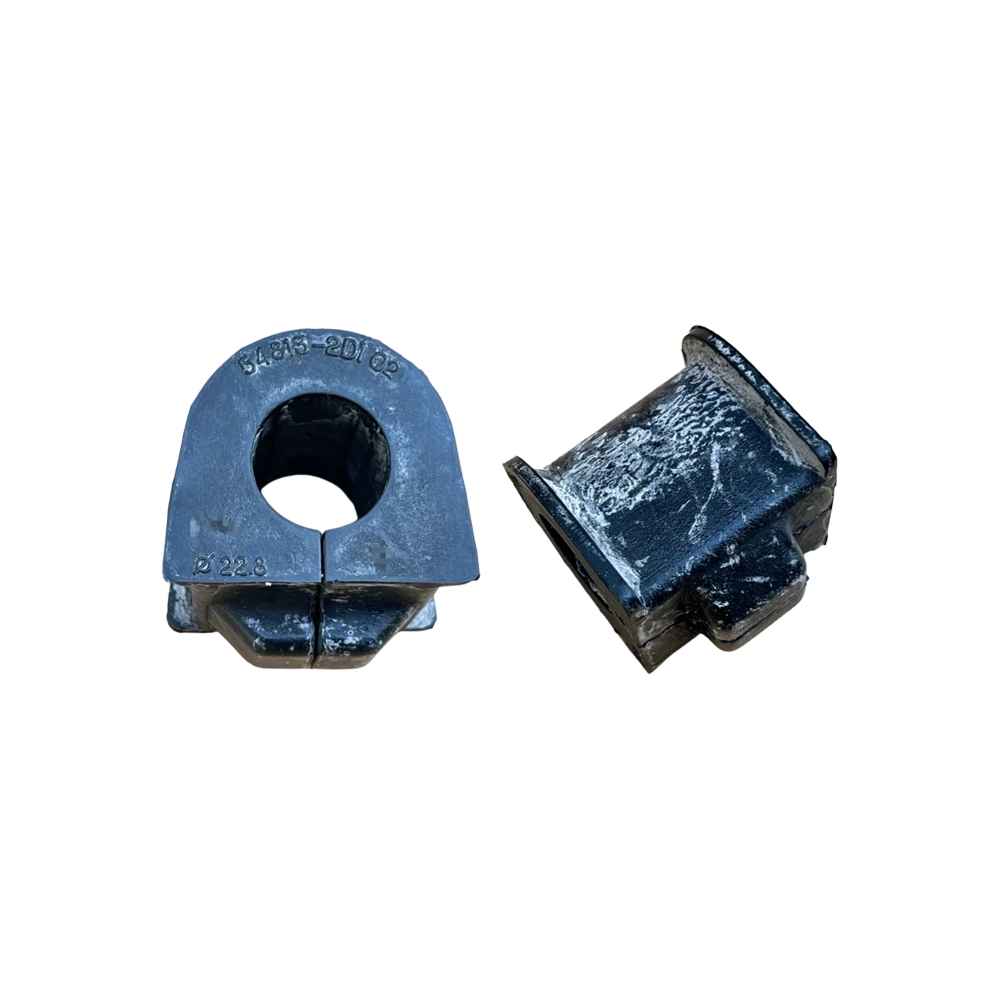
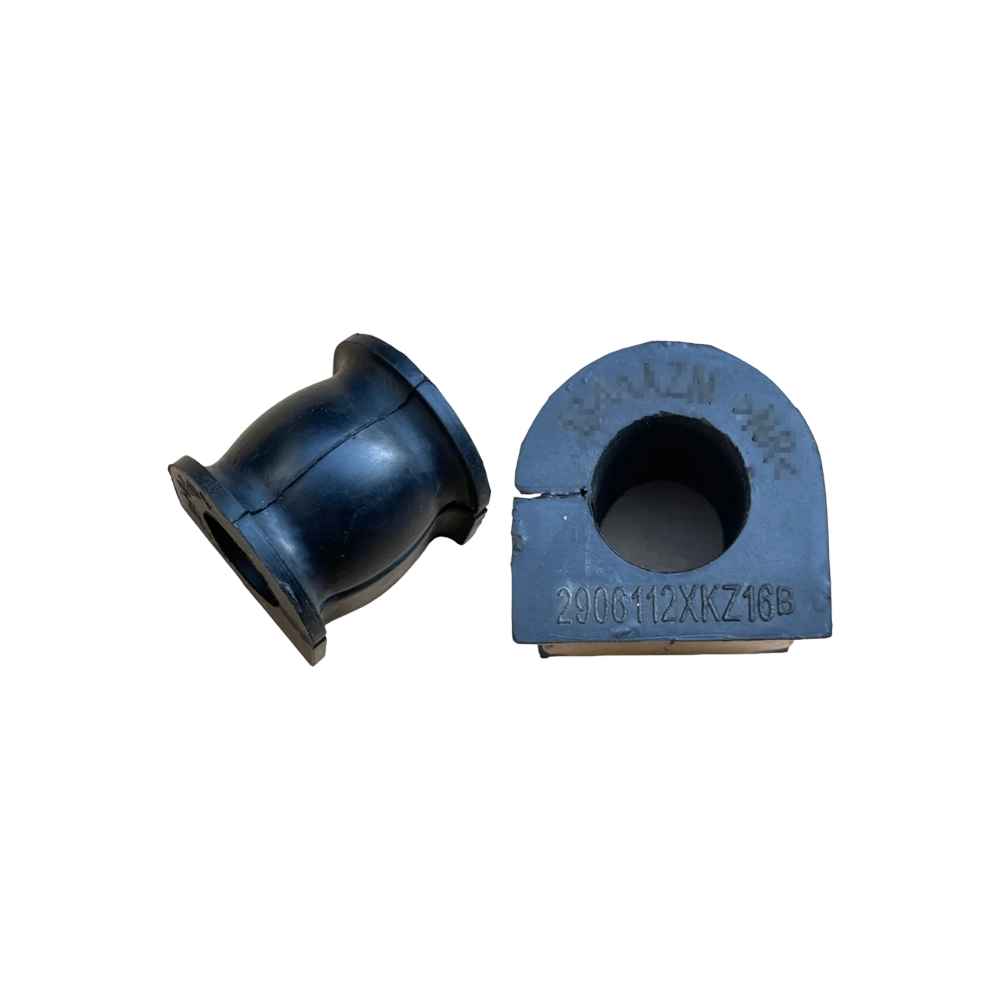
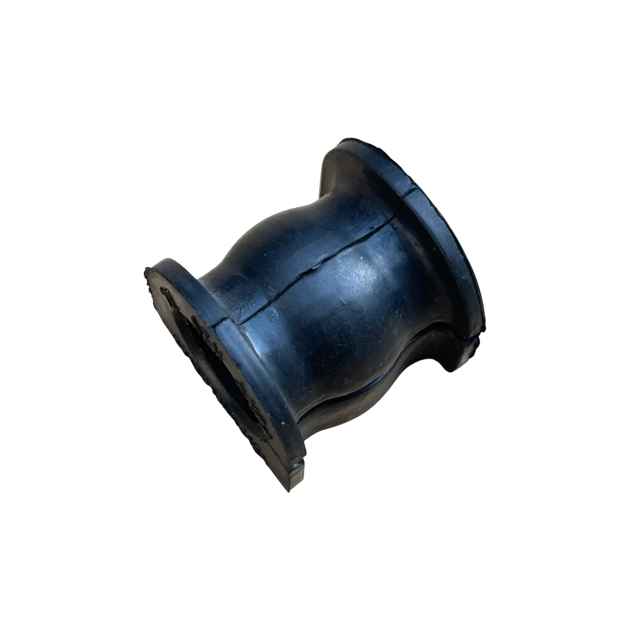
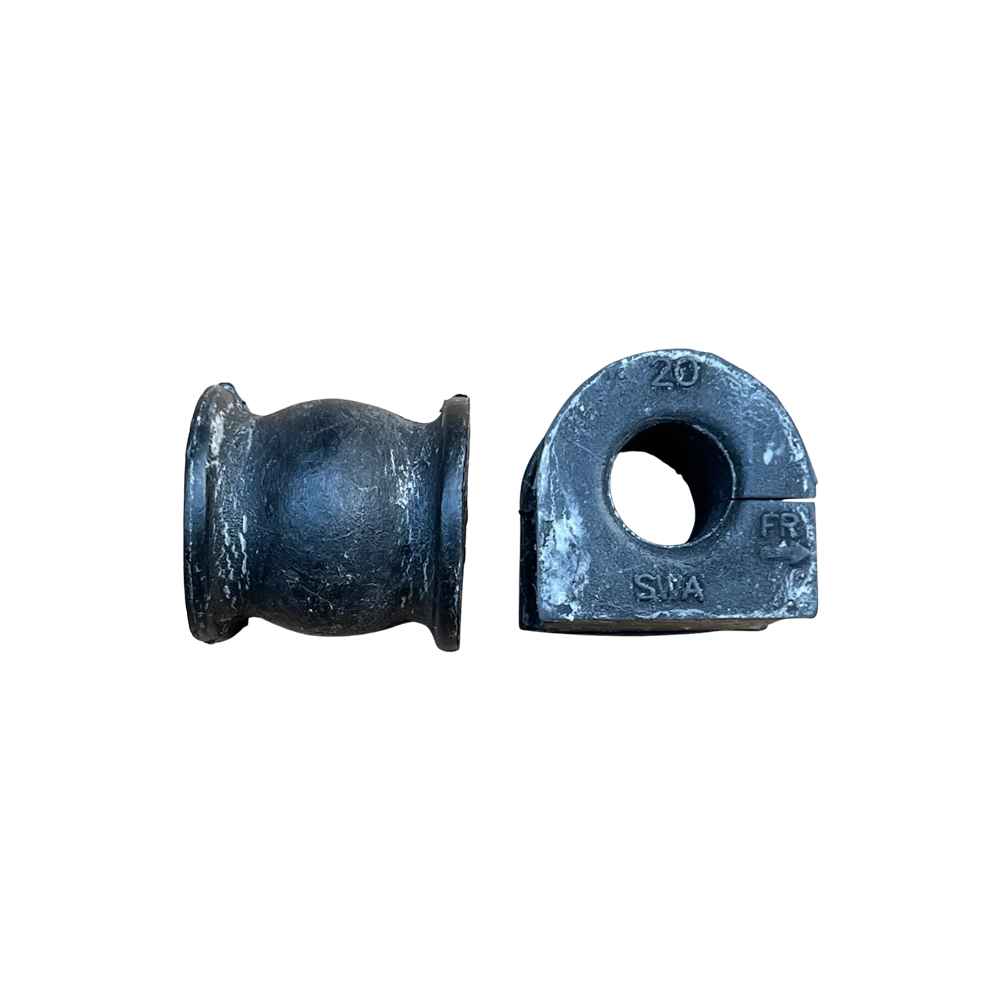
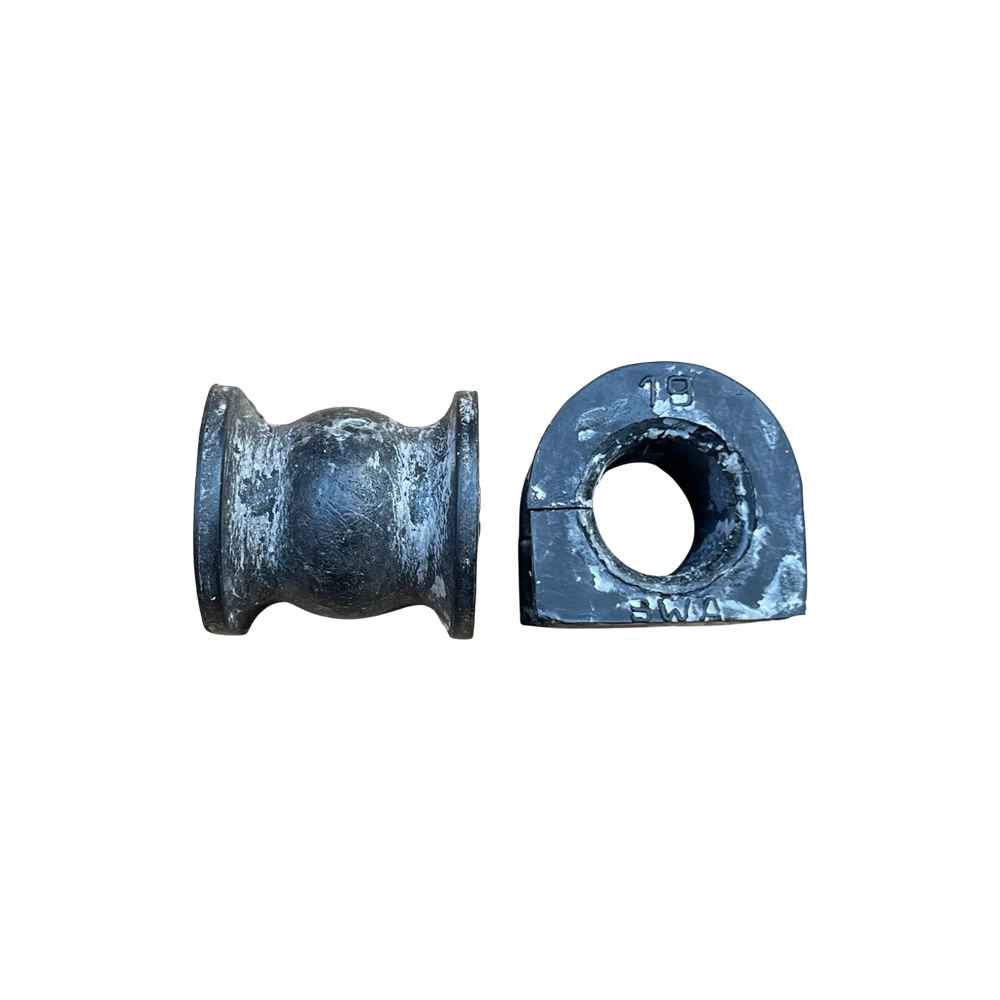
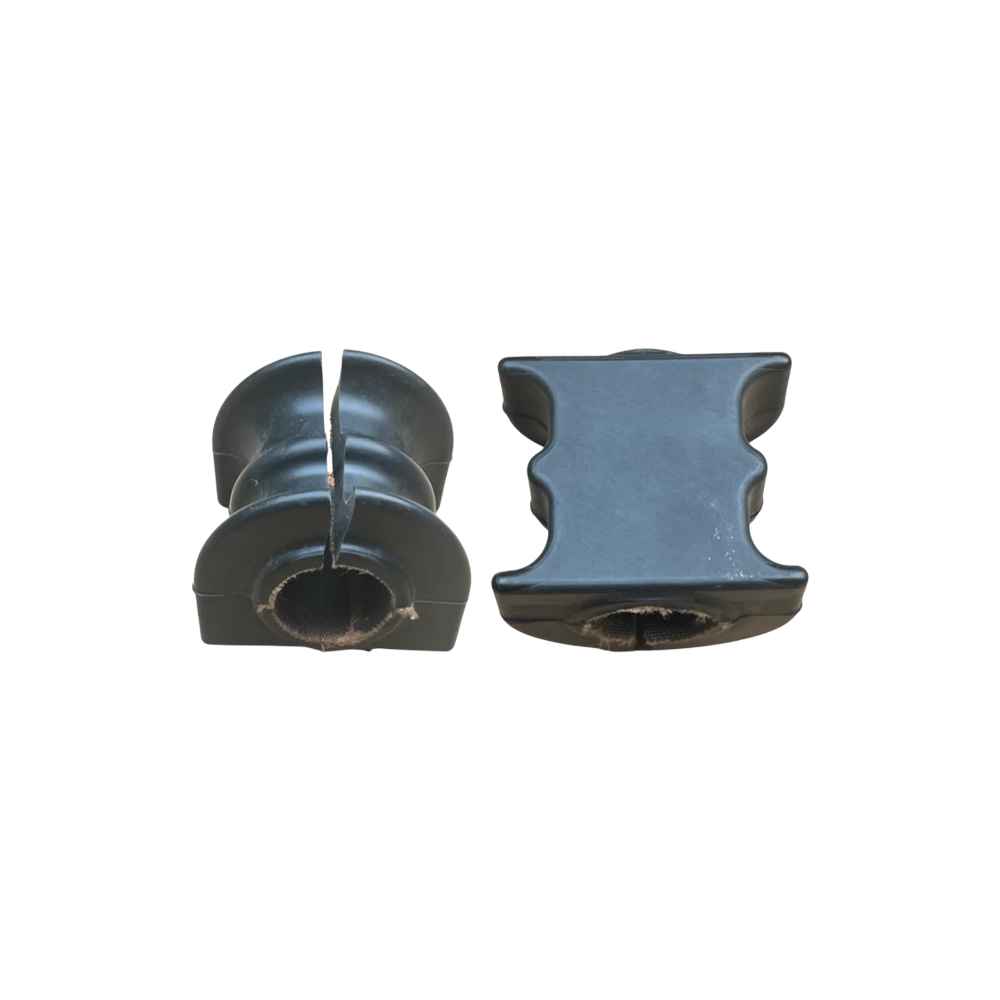
Strut dust sleeves are designed to protect the strut assembly from dirt, debris, and environmental contaminants. Typically made from rubber or polyurethane, these components shield the inner workings of the strut, ensuring longevity and optimal performance.
- Material Properties: The flexibility of rubber allows it to withstand shock and vibration, while polyurethane offers superior resistance to tearing and weathering.
- Installation: Easy to install, they fit snugly around the strut, often enhanced by a snug collar that ensures no dust seeps in.
CV Axle Boots
Now, let's pivot to CV axle boots, often viewed as the unsung hero of power transfer. These boots encase the constant velocity joint, preventing grease loss and contamination. They are typically crafted from durable rubber or thermoplastic elastomer (TPE) materials.
- Grease Retention: CV axle boots are designed to maintain lubrication, which is key to smooth operation. Without them, joints could wear down rapidly.
- Common Failures: Cracking or splitting can occur, especially under extreme conditions. Regular inspections are critical; after all, what good is power without control?
A Direct Comparison
When comparing these two essential components, several factors come into play. For example, consider a vehicle with frequent off-road exposure. Strut dust sleeves may endure more abrasion than those used in urban environments. Conversely, CV axle boots might face greater stress during sharp turns and acceleration.
Performance Metrics
How do we quantify their effectiveness? Let's say a strut dust sleeve lasts about 80,000 miles under moderate driving conditions. In contrast, a high-quality CV axle boot, like the ones from Guanghua, could maintain integrity for around 100,000 miles when properly maintained.
Environmental Considerations
Weather impacts performance too. Heat, cold, and moisture can degrade both materials, but how they react varies. Rubber, for instance, may become brittle in extreme cold, while TPE can handle temperature fluctuations better. So, what’s your climate look like?
Real-World Implications
A practical scenario: you’re driving an SUV through rugged terrain. The strut dust sleeves offer protection against rocks and mud, which could potentially damage sensitive strut components. If they fail, expect costly repairs. Just imagine the frustration!
On the flip side, if the CV axle boot gets damaged and allows grease to escape, the result is catastrophic failure of the axle joint. It's not just about replacement costs; it’s about safety. Do you want to risk losing control while navigating tough trails?
Innovative Solutions
Some manufacturers have introduced advanced compounds that provide excellent durability while being lightweight. Brands like Guanghua are leading the charge with innovative designs aimed at improving lifespan and function. Why settle for standard when you can achieve exceptional?
Maintenance Matters
Regardless of which component you’re dealing with, maintenance is non-negotiable. Regular checks can prevent unexpected breakdowns. A simple visual inspection can reveal cracks in the strut dust sleeve or grease leaks from CV axle boots. Neglecting these can lead to severe performance drops.

Conclusion on Replacement
Replacement frequency often comes under scrutiny. Strut dust sleeves could require replacement every few years depending on usage, while CV axle boots could last longer if cared for. But remember – preventative measures can save you time and money in the long run.
Ultimately, whether you opt for strut dust sleeves or CV axle boots, understanding their roles in your vehicle’s chassis system is vital. Choose wisely, and ensure your ride is as smooth as possible.