Understanding Suspension Rubber Parts
Suspension systems are the unsung heroes of vehicle dynamics. Without proper function, a car's handling becomes erratic, potentially dangerous. Among these components, rubber parts play critical roles. Notably, CV Joint Boots and Shock Absorber Boots help maintain joint integrity and provide cushioning.
The Role of Stabilizer Bar Bushings
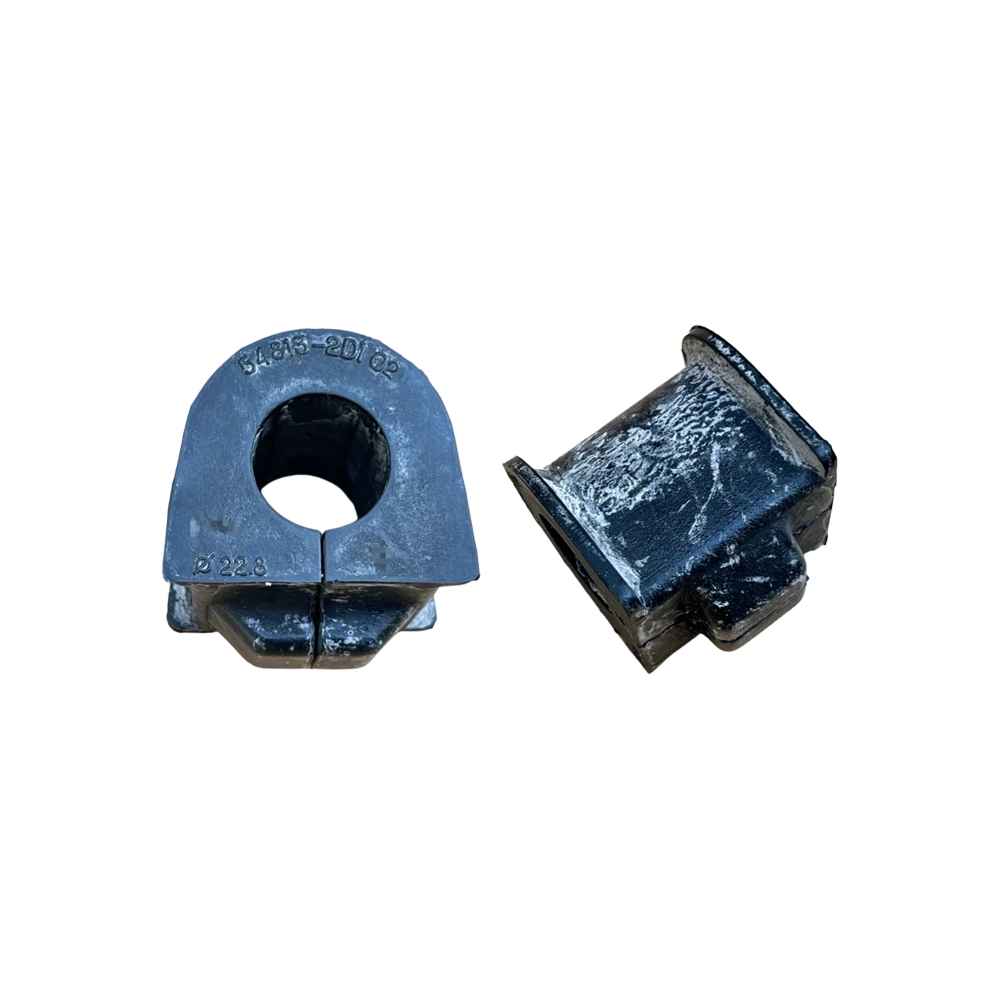
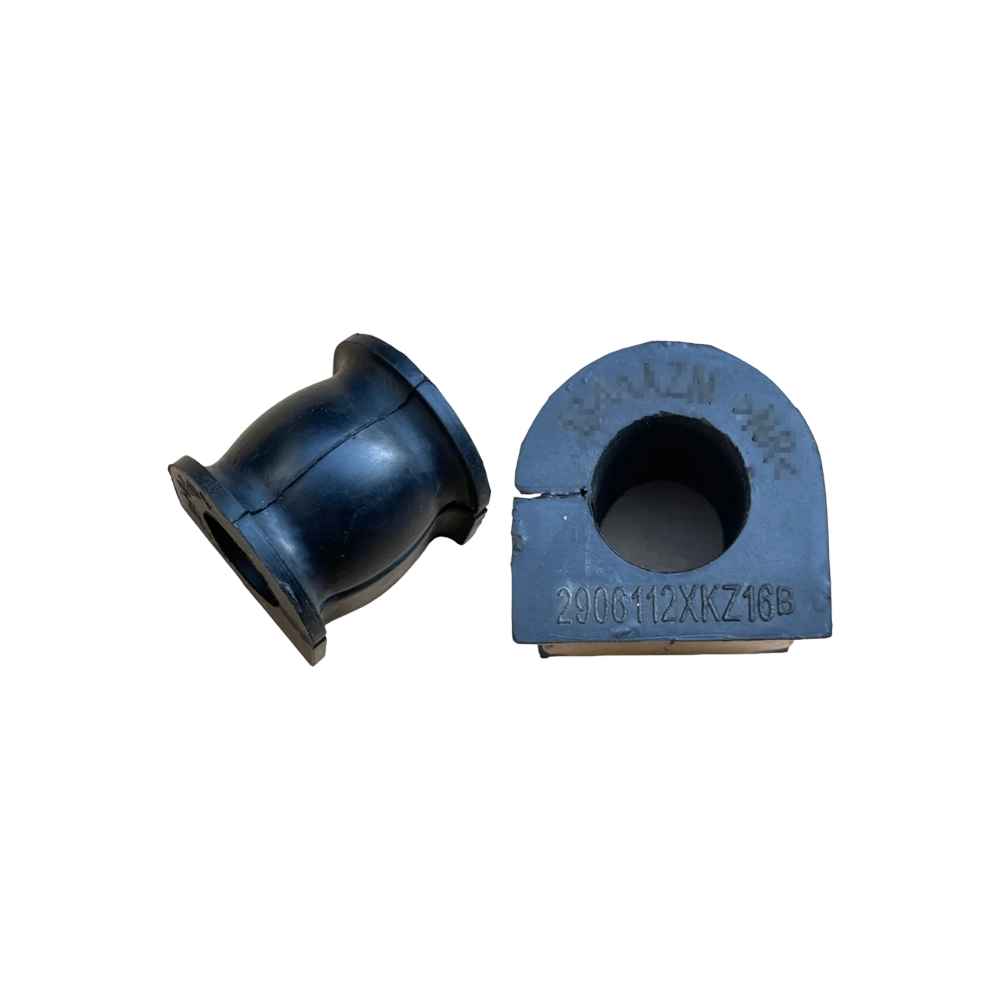
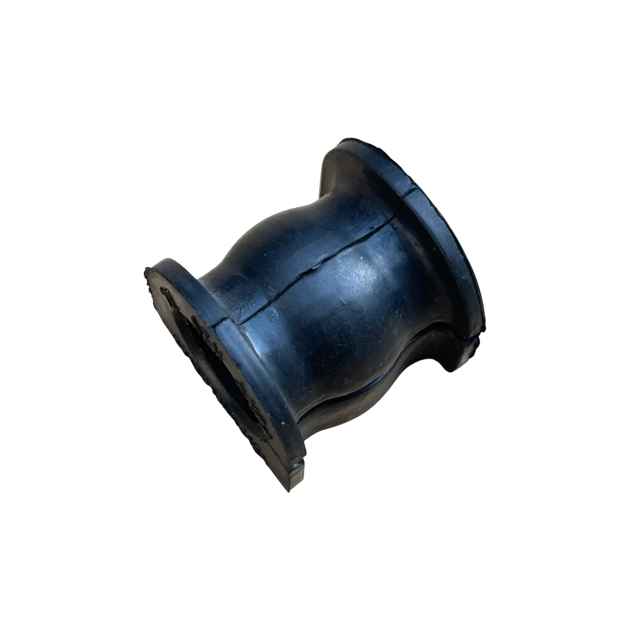
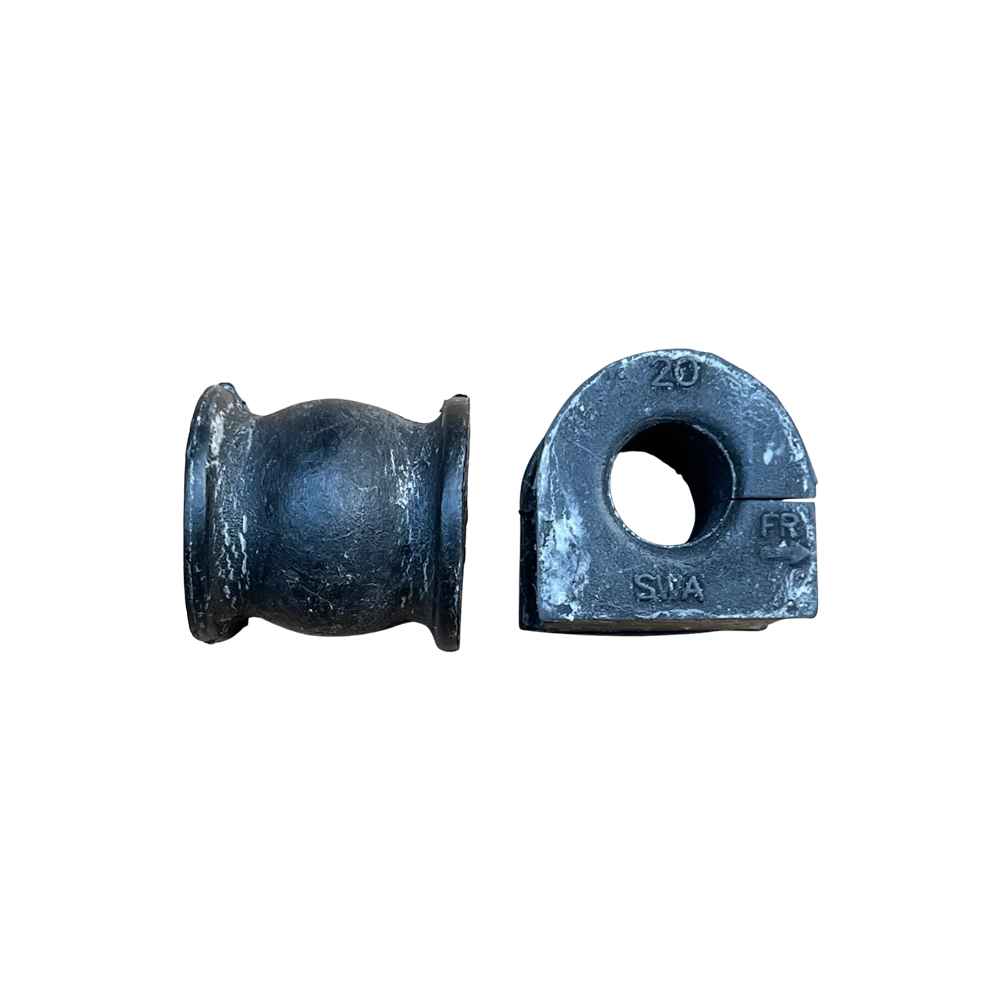
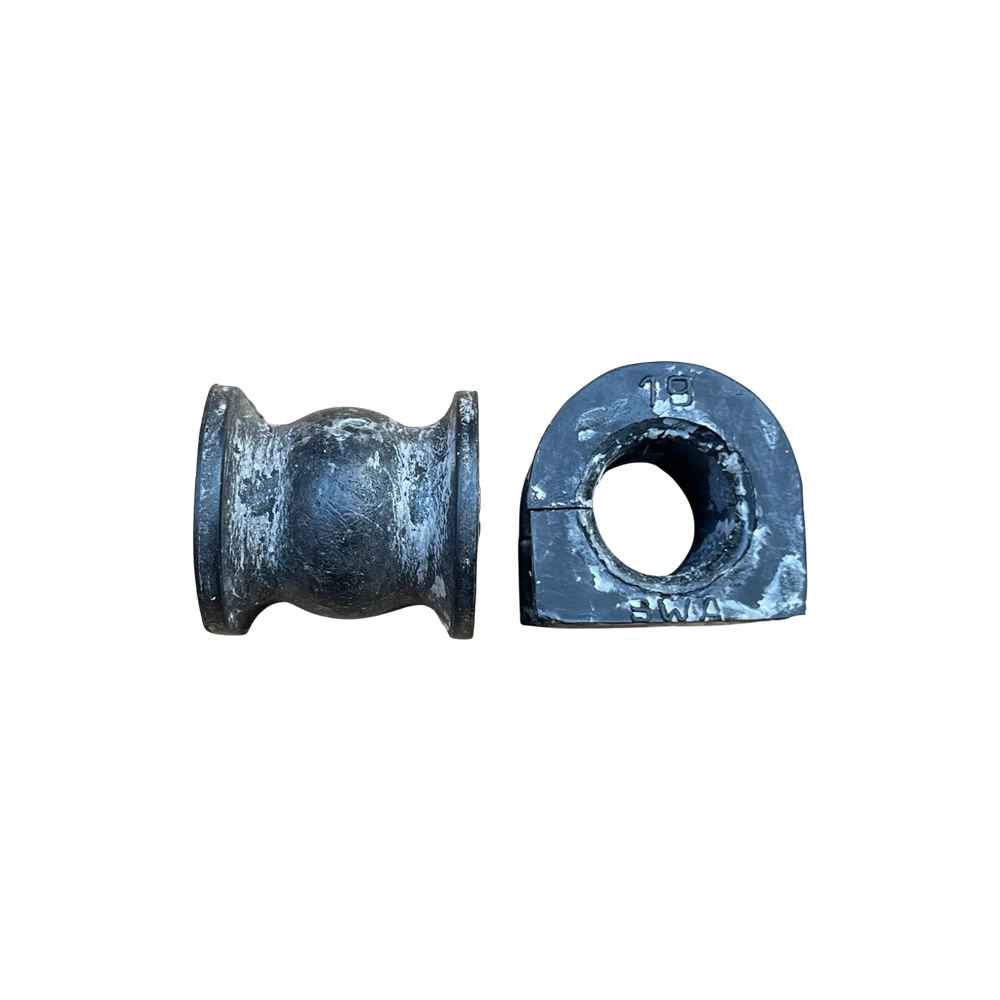
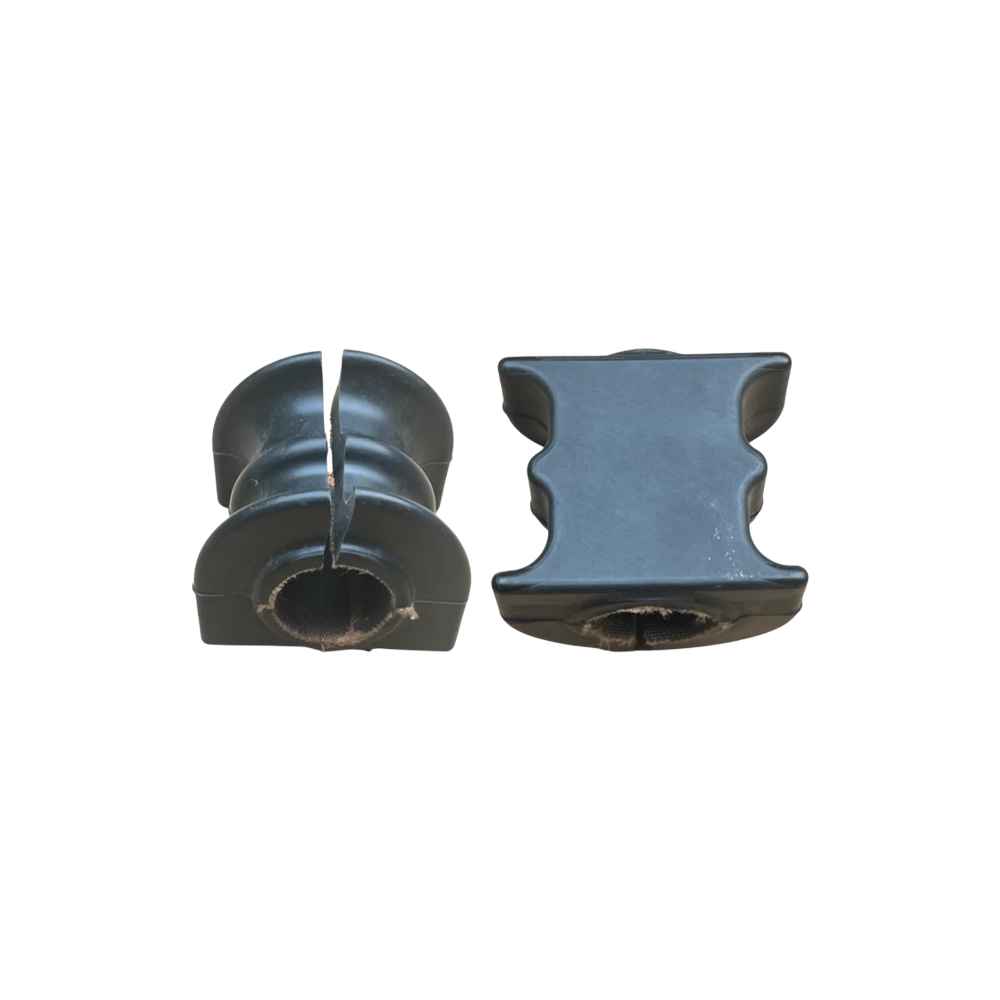
When it comes to ensuring stability while cornering, Stabilizer Bar Bushings are indispensable. These bushings connect the stabilizer bar to the vehicle’s frame and allow for controlled body roll. They often come in both OEM and aftermarket varieties, each boasting different material compositions and performance characteristics.
Material Comparison
Let’s dive into a head-to-head comparison: OEM versus aftermarket parts. How do they stack up? For instance, consider two commonly used rubber compounds:

- Synthetic Rubber : Often found in OEM parts like those from Guanghua. Its high durability against temperature changes makes it ideal for long-term use.
- Natural Rubber : Frequently used in aftermarket options. While it offers good flexibility, it tends to wear out faster under extreme conditions.
It’s worth noting that synthetic rubber can withstand harsher environmental factors. What about shock absorption? The composition affects how well a part can dampen vibrations. For example, while a natural rubber bushing might feel softer initially, its lifespan could be significantly shorter compared to the stiffer synthetic alternatives.
Performance Metrics
During testing, vehicles fitted with OEM rubber parts showed 20% less body roll than those using cheaper aftermarket stabilizer bushings. This data isn’t just numbers—it's about safety on the road. Can you really put a price on peace of mind?
Durability and Longevity
Another factor is service life. Stabilizer Bar Bushings made from premium materials can last beyond 100,000 miles. However, low-cost replacements often fall short, deteriorating within half that time. Consider an instance where a driver opted for aftermarket bushings after 60,000 miles. Within six months, they were back at the shop experiencing clunking sounds due to rapid wear.
Installation Differences
Installation also plays a role in the decision-making process. OEM parts typically offer a perfect fit, reducing installation headaches. On the other hand, some aftermarket options may require modifications. It's a gamble; one wrong cut can lead to expensive repairs down the line.
- OEM Parts: Designed for specific models, usually straightforward to install.
- Aftermarket Parts: May vary in quality and fitment, which can complicate installation.
Cost-Benefit Analysis
Financial implications shouldn’t go unnoticed. OEM parts often come with a higher upfront cost. But if we evaluate the long-term benefits, the gap narrows significantly. For instance, a set of four OEM Stabilizer Bar Bushings might cost $150, but the longevity saves more money over repeated replacements of cheaper brands.
Conclusion
Ultimately, choosing between suspension rubber parts and stabilizer bar bushings boils down to individual needs. Are you looking for longevity, or are initial costs your primary concern? Each option has its merits, and understanding the nuances can lead to better choices in automotive maintenance.
Have you ever considered the complexities involved in rubber component selection? It’s mind-boggling!