Understanding Automotive Hydraulic Systems
Hydraulic systems are crucial in modern vehicles, providing the necessary force for various functions such as steering and braking. These complex systems rely on a variety of components to operate efficiently and ensure safety and performance. In the automotive aftermarket, particularly within the Independent Aftermarket (IAM), the demand for reliable hydraulic components is ever-increasing.
The Role of Contract Manufacturing Partners
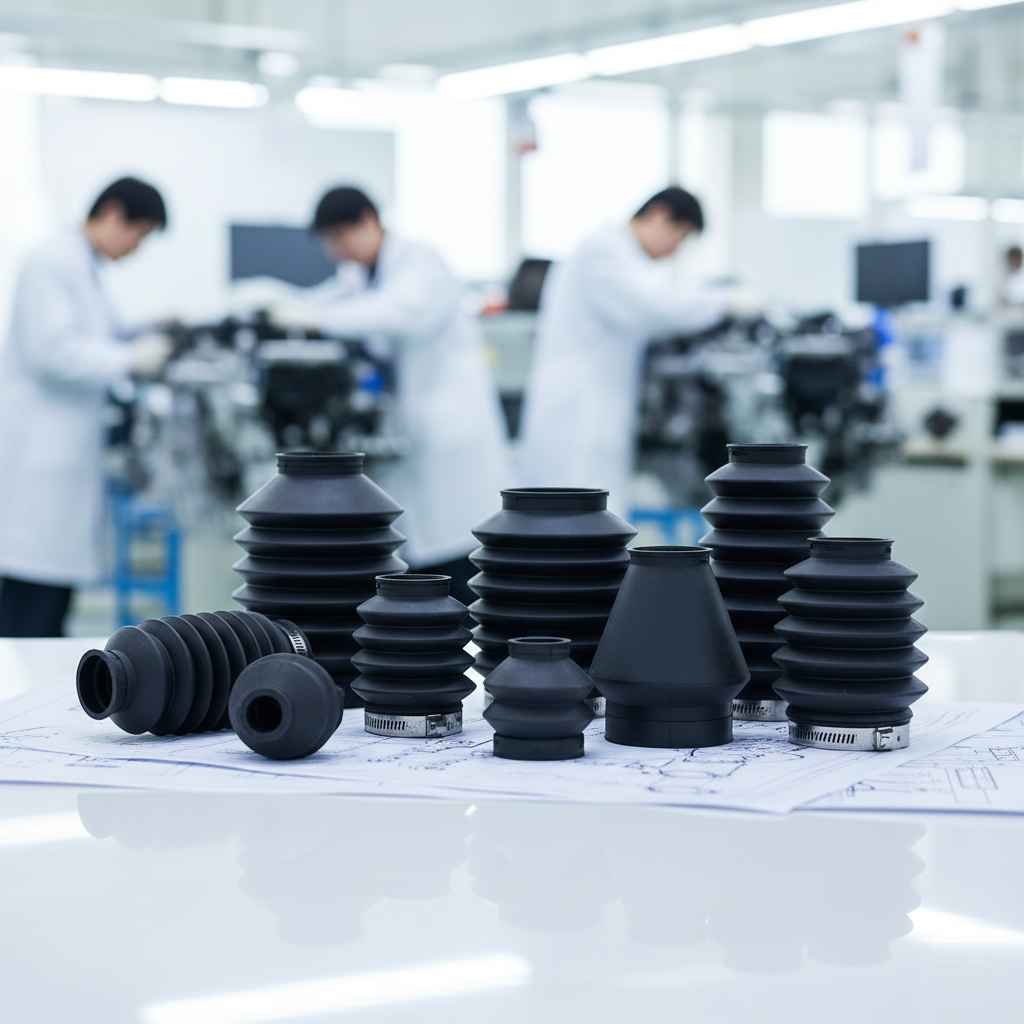
Choosing the right contract manufacturing partner can significantly impact the quality and reliability of hydraulic systems offered in the IAM. Such partners possess the expertise and technology required to manufacture specialized components, ensuring they meet stringent industry standards. A notable case study involves a leading manufacturer that specializes in producing hydraulic system parts, including CV Joint Boots and Steering Rack Boots .
Meeting Market Demand
With the growing number of vehicles on the road, the IAM faces challenges in meeting customer demands for high-quality hydraulic components. The partnership with a proficient contract manufacturer allows companies to scale production based on market needs. This flexibility is essential in a landscape where consumer preferences evolve rapidly.
Quality Control and Compliance
One of the primary concerns in the production of hydraulic components is maintaining quality control. Effective manufacturers implement rigorous testing protocols to guarantee that products like Shock Absorber Boots and valve cover gaskets adhere to international standards. This commitment to quality ensures that end-users receive dependable products, ultimately enhancing vehicle performance.
- Regular inspections during the manufacturing process
- Adherence to ISO certifications
- Utilization of advanced materials for durability
Technological Advancements in Manufacturing
The integration of technology into manufacturing processes has revolutionized how hydraulic components are produced. Automation and robotics play pivotal roles in streamlining operations, reducing lead times, and minimizing human error. Furthermore, advancements in materials science have led to the development of more resilient O-rings & rubber sealing rings, ensuring longevity under extreme conditions.
Case Study: Guanghua's Expertise in Hydraulics
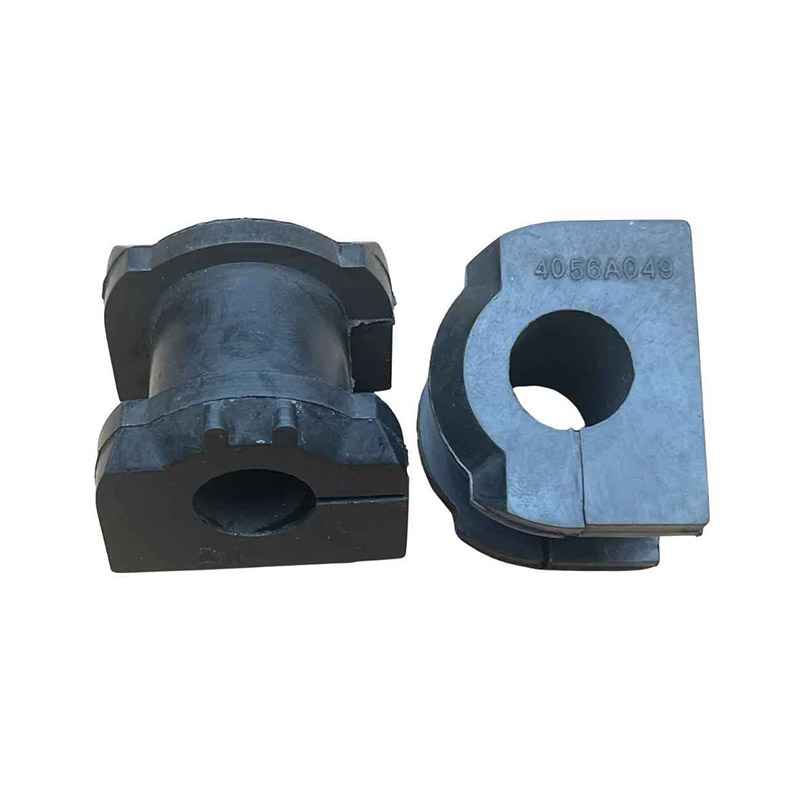
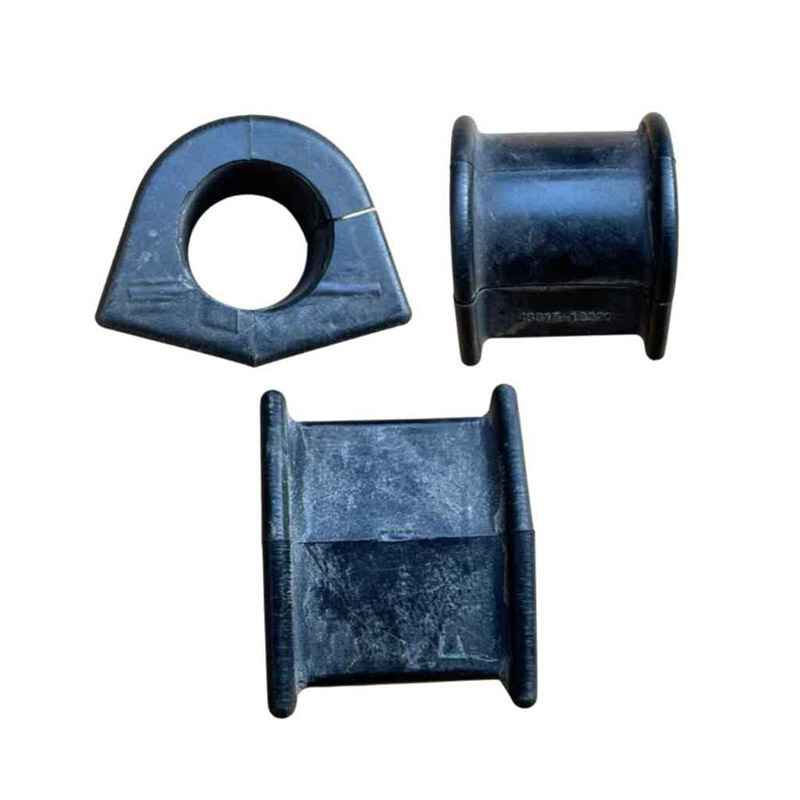
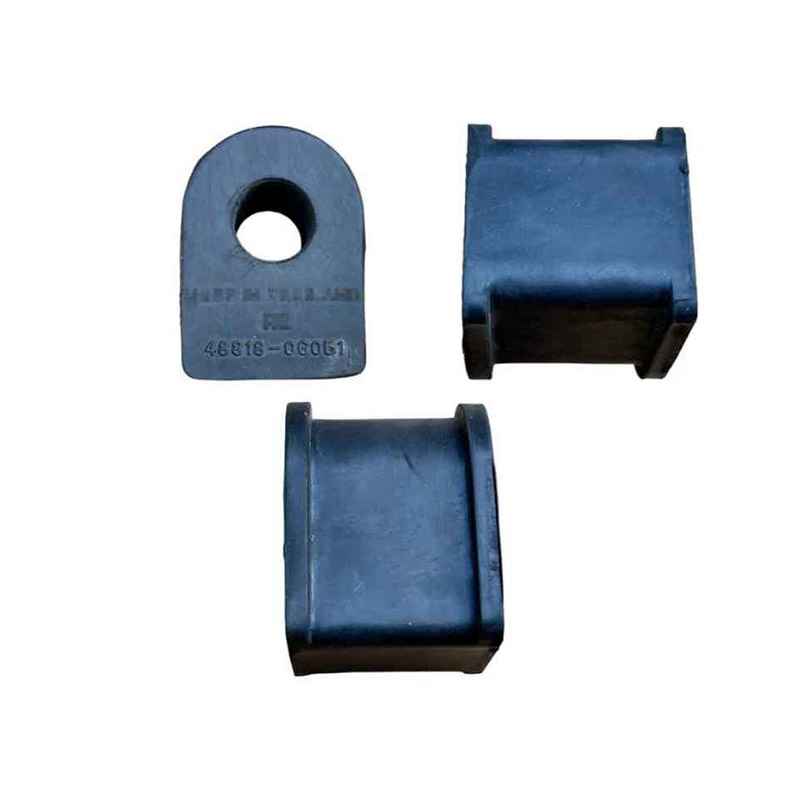
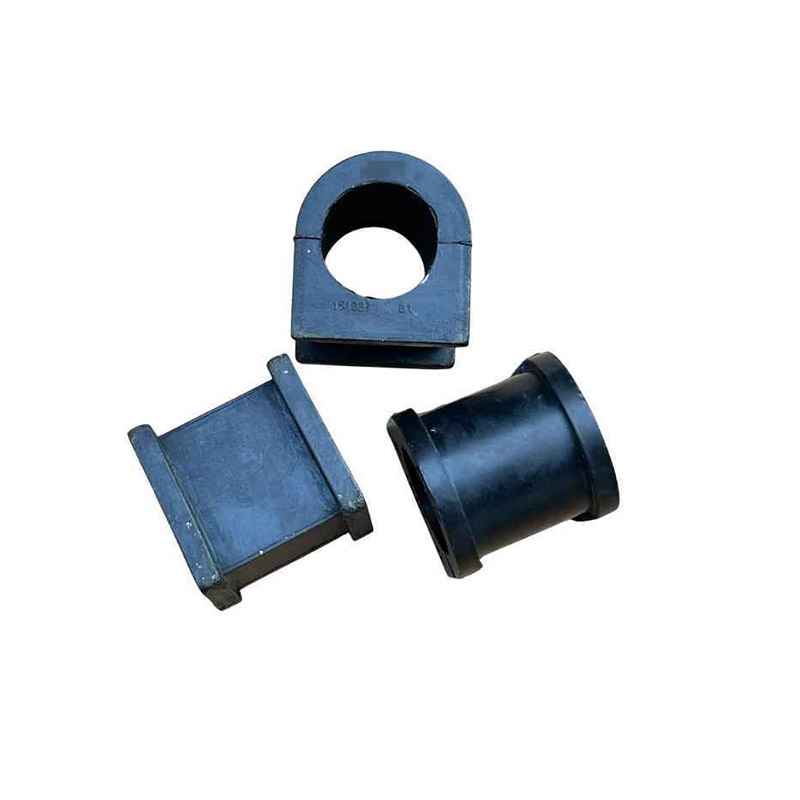
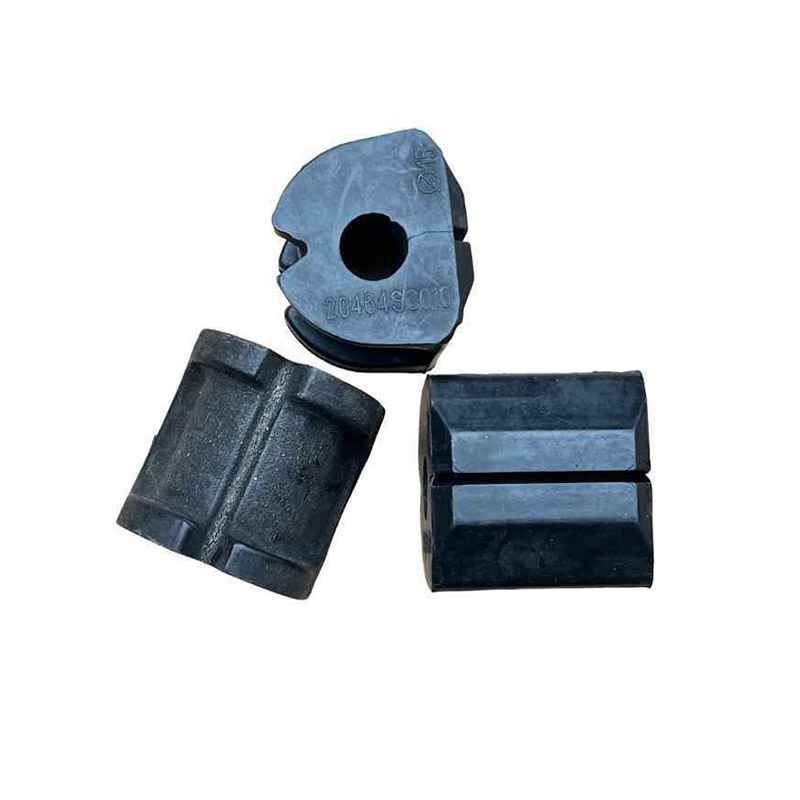
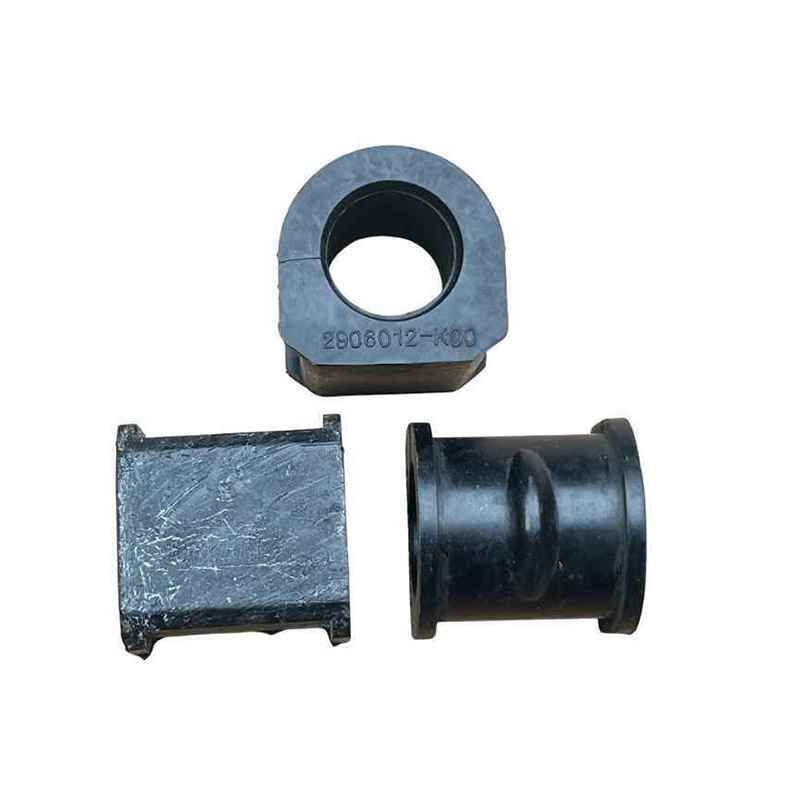
A prominent example in the realm of hydraulic system manufacturing is Guanghua, known for their innovative approach and high-quality products. By leveraging cutting-edge technology, Guanghua successfully produces a range of hydraulic components tailored for the IAM, from stabilizer bar bushings to advanced hydraulic seals.
Custom Solutions for Diverse Applications
Every vehicle presents unique challenges, and a one-size-fits-all approach simply won't suffice. Contract manufacturers that understand the nuances of hydraulic systems can offer custom solutions that cater to specific applications. This not only enhances performance but also ensures better integration within existing systems.
Effective Collaboration with OEMs
Collaboration with Original Equipment Manufacturers (OEMs) is another vital aspect of fulfilling IAM requirements. By working closely with OEMs, contract manufacturers can gain insights into the latest industry trends and technological developments, positioning themselves at the forefront of innovation. This symbiotic relationship fosters an environment where both parties can thrive and adapt to changing market conditions.
Market Trends and Future Directions
As we look towards the future, several trends are emerging within the automotive sector that will shape the dynamics of hydraulic systems in the IAM:
- Increased emphasis on sustainability and eco-friendly materials
- Growing adoption of electric and hybrid vehicles, prompting new hydraulic solutions
- Focus on enhanced user experience through better-performing hydraulic systems
Conclusion: Importance of Strategic Partnerships
In summary, navigating the complexities of the automotive hydraulic systems market requires a strategic approach to partnerships. Working with accomplished contract manufacturers not only helps meet current demands but also prepares businesses for future challenges. Emphasizing quality, innovation, and collaboration will be key to success in this evolving landscape.