Understanding the Hydraulic System Needs
When we think of hydraulic systems in automotive applications, what really comes to mind? Fluid power. Efficient and reliable performance. But how often do manufacturers actually meet these needs? Let’s dive into a case study involving a TS16949/ISO certified manufacturer.
The Challenge at Hand
Imagine a wholesale auto parts distributor struggling with a fluctuating market demand for hydraulic components. It’s not just about selling parts; it's about ensuring that each component meets rigorous industry standards.
The distributor faced significant challenges maintaining their supply chain while meeting the exacting requirements of hydraulic systems. Their goal was clear: provide components like CV Joint Boots and Steering Rack Boots that were durable enough for both daily drivers and high-performance vehicles alike.
Case Study Overview
Enter Guanghua, a manufacturer renowned for its commitment to quality and innovation. They implemented a robust quality management system aligned with TS16949 standards. This means they don’t just comply—they strive for excellence.
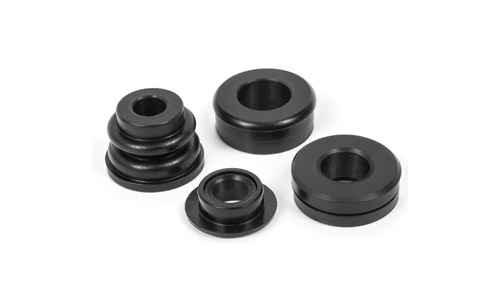
- Designed custom O-Rings & Rubber Sealing Rings that withstand extreme pressure.
- Incorporated shock absorber boots that excel under dynamic loads.
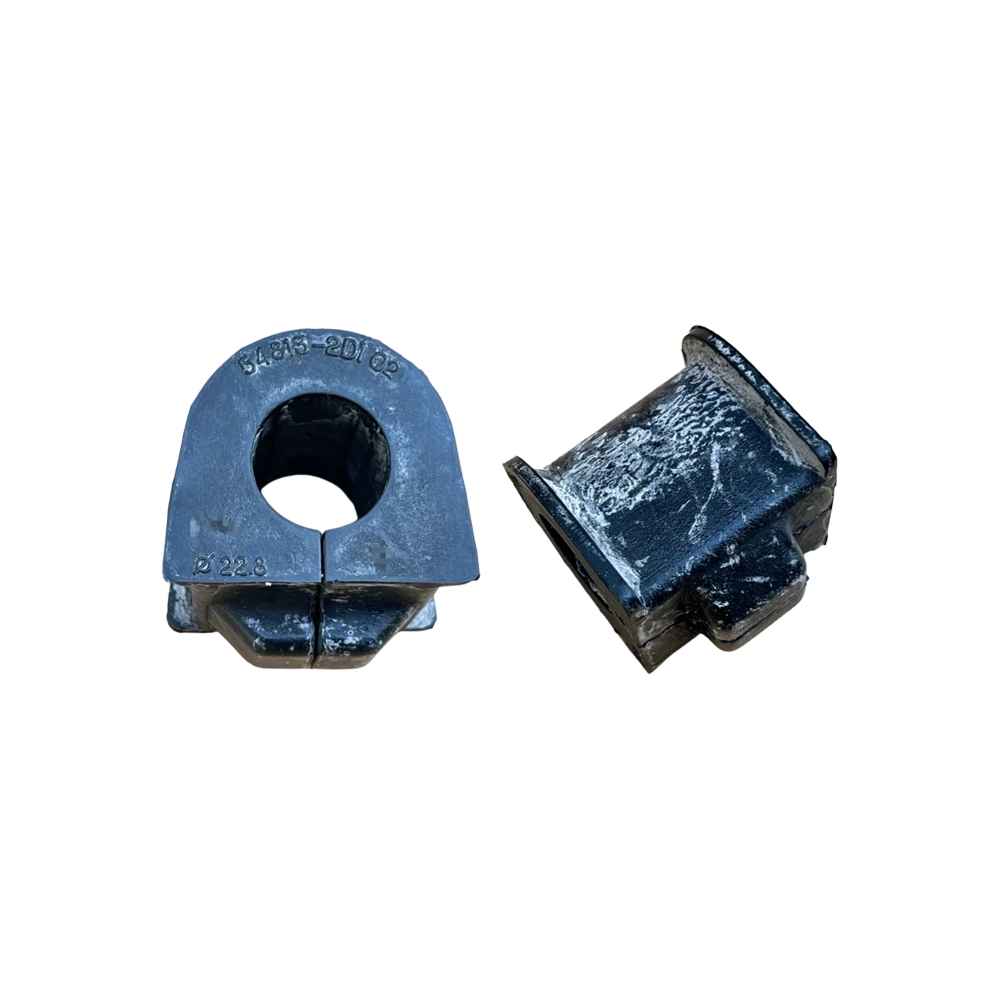
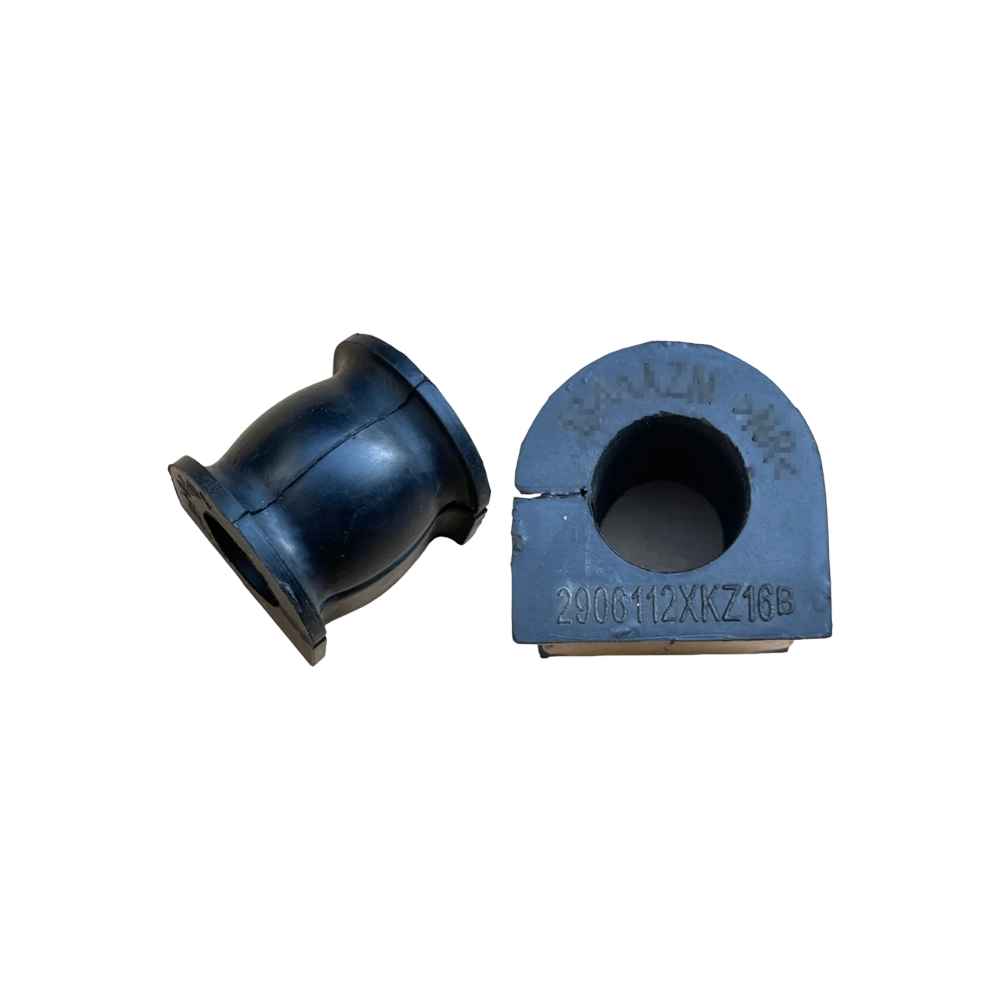
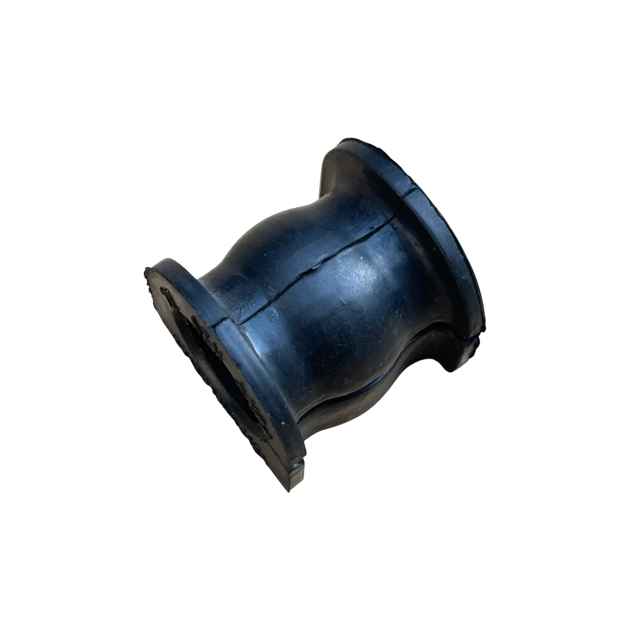
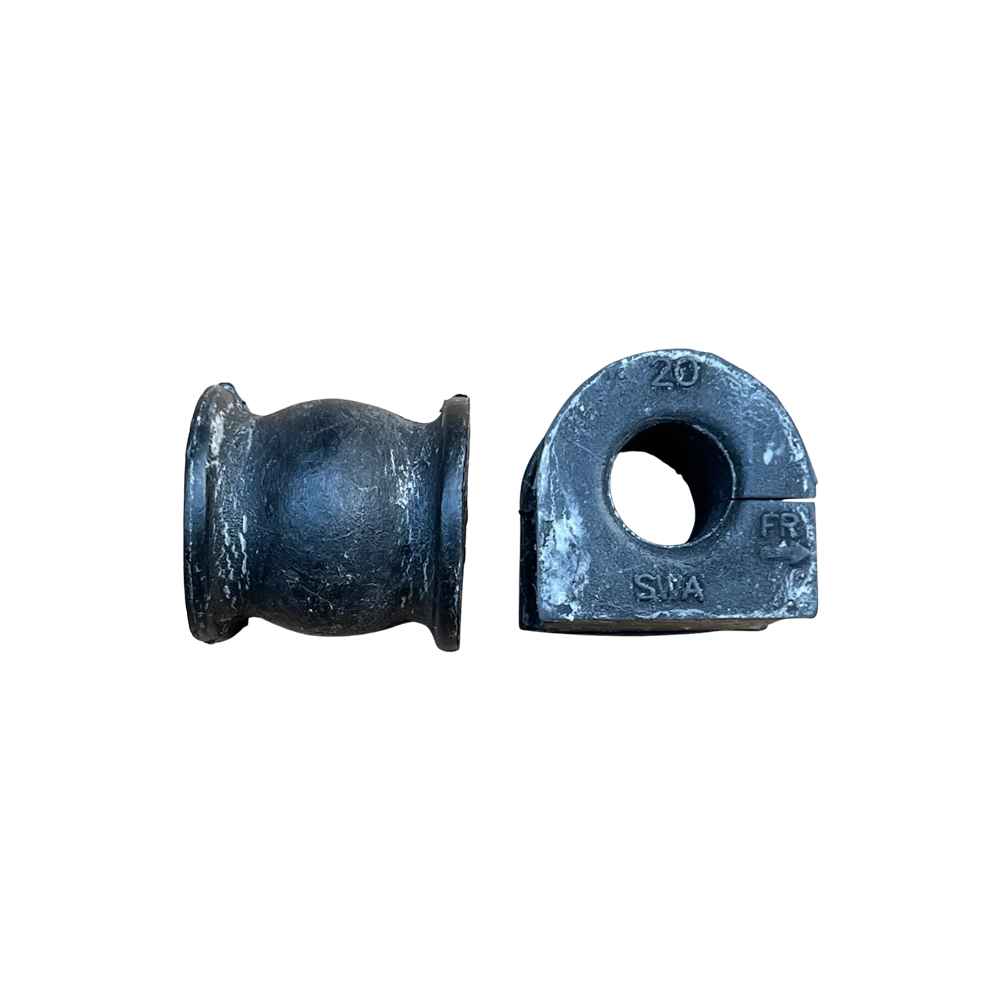
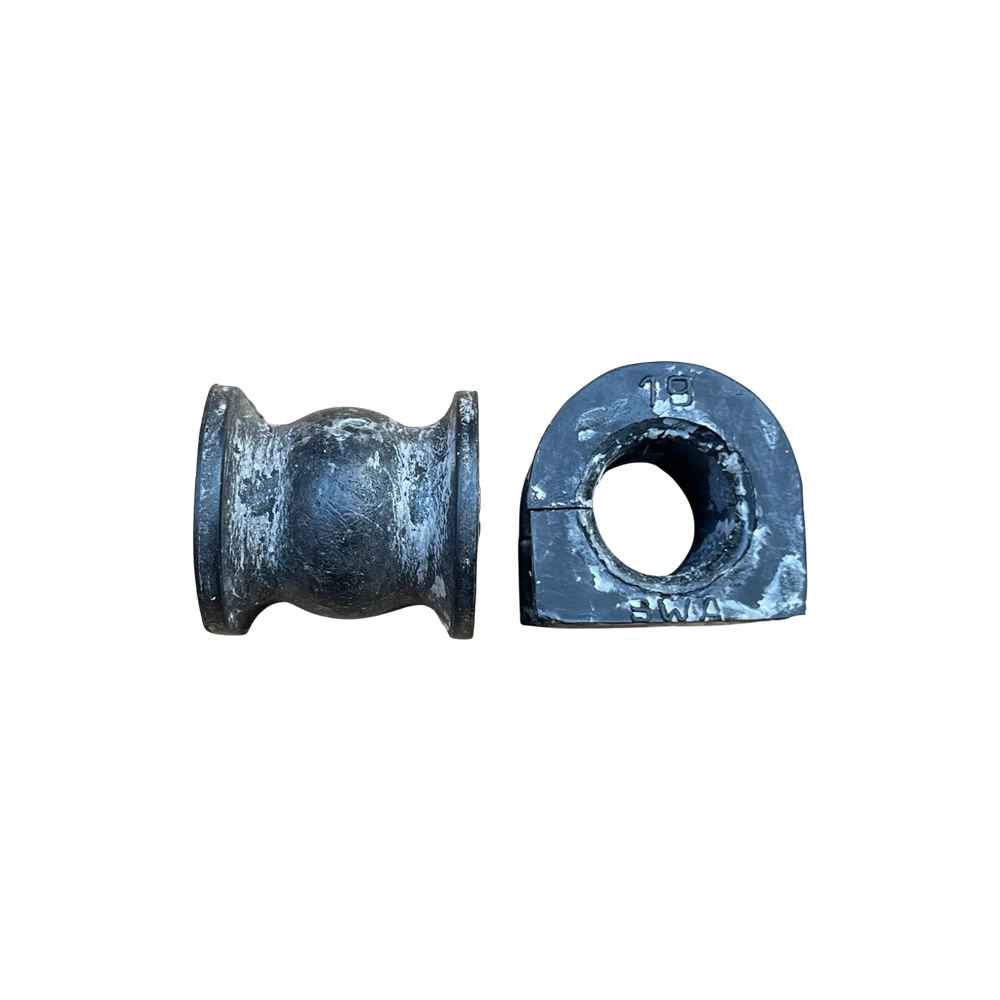
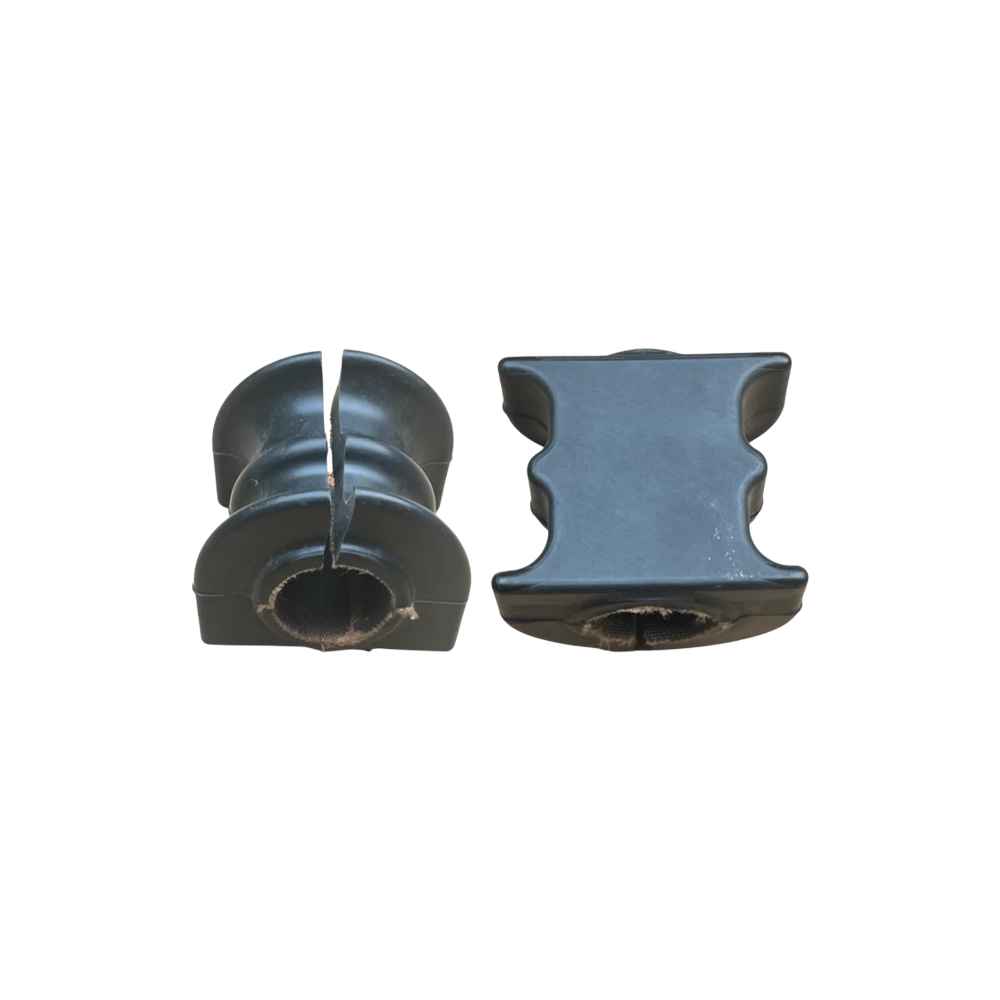
- Provided stabilizer bar bushings that offer superior durability.
Meeting Expectations
What does it take to exceed customer expectations? It requires more than just producing parts. It demands a comprehensive understanding of hydraulic dynamics—a meticulous approach to product development.
Guanghua utilized advanced engineering techniques to replicate real-world stress conditions on their products. They conducted tests simulating various scenarios—think road bumps and sharp turns—to ensure their products would perform flawlessly under pressure.
Results That Speak Volumes
The results were staggering. Not only did they reduce failure rates by over 30%, but they also managed to cut lead times by 15%. Can you believe that? Less time waiting for parts means more satisfied customers!
By focusing on quality and reliability, Guanghua positioned itself as a leader in the market. Their hydraulic components are now synonymous with durability and performance, earning them repeat business from key distributors.
Key Lessons Learned
- Quality Control is Key: Ensuring every part meets stringent standards prevents costly returns.
- Innovation Matters: Investing in R&D can dramatically enhance product performance.
- Customer Feedback: Listening to end users provides insights that drive future developments.
Final Thoughts
In an industry where precision is everything, aligning with TS16949 standards isn’t just an option—it’s a necessity. The success of Guanghua demonstrates that when manufacturers prioritize quality and innovate consistently, they set themselves apart in a crowded marketplace. Who wouldn’t want that kind of edge?