Understanding Engine Cylinder Head Sealing
In the world of automotive repairs, especially when dealing with European and American vehicles, one of the key aspects that can’t be overlooked is the sealing requirements for engine cylinder heads. These components play a vital role in ensuring optimal engine performance and longevity. When done right, they contribute to the overall efficiency and effectiveness of the engine.
The Importance of Quality Sealing
Every vehicle owner knows that a reliable engine is crucial for smooth driving experiences. The engine cylinder head is responsible for containing the combustion process, which means any leaks can lead to serious issues like overheating or even complete engine failure. This is where quality sealing comes into play.
- Preventing Leaks: High-quality seals ensure that coolant and oil stay where they belong.
- Temperature Control: Proper sealing helps maintain optimal operating temperatures.
- Performance Enhancement: A well-sealed cylinder head allows for maximum power output from the engine.
Challenges in Different Markets
When it comes to European versus American vehicle repair sectors, there are unique challenges that arise concerning sealing requirements. European engines often have tighter tolerances and may require more sophisticated materials and technologies, while American vehicles might focus on durability and ease of replacement.
Material Differences
The choice of materials for sealing solutions varies significantly between the two regions. European manufacturers often opt for advanced composites or specialized rubber formulations, which can withstand higher temperatures and pressures. In contrast, American manufacturers might stick to more traditional rubber gaskets, which are easier to source and replace.
Regulatory Standards
Another factor complicating matters is the different regulatory standards governing emissions and safety. European regulations tend to be stricter, pushing manufacturers to invest in higher-quality seals that not only meet performance metrics but also environmental guidelines. On the flip side, American standards, while still rigorous, allow for a bit more leeway in material selection.
Case Study: Partnering with a Contract Manufacturer
To illustrate how these challenges can be managed effectively, let’s take a closer look at a partnership with a contract manufacturer specializing in engine cylinder head sealing solutions. This particular company has successfully navigated both markets by leveraging its expertise in material science and engineering.
Collaboration is Key
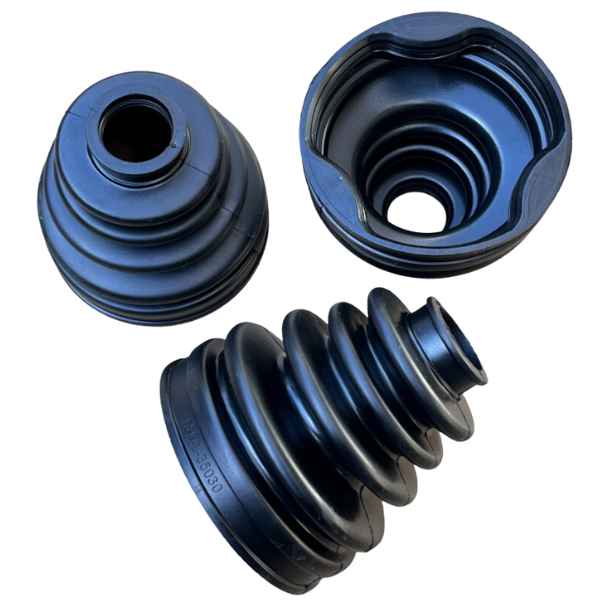
One of the most effective strategies employed by this manufacturer was fostering close relationships with both European and American suppliers. By doing so, they were able to source the best raw materials tailored to each market's specific requirements, whether that meant utilizing high-performance elastomers for Europe or robust traditional rubbers for the American sector.
Custom Solutions
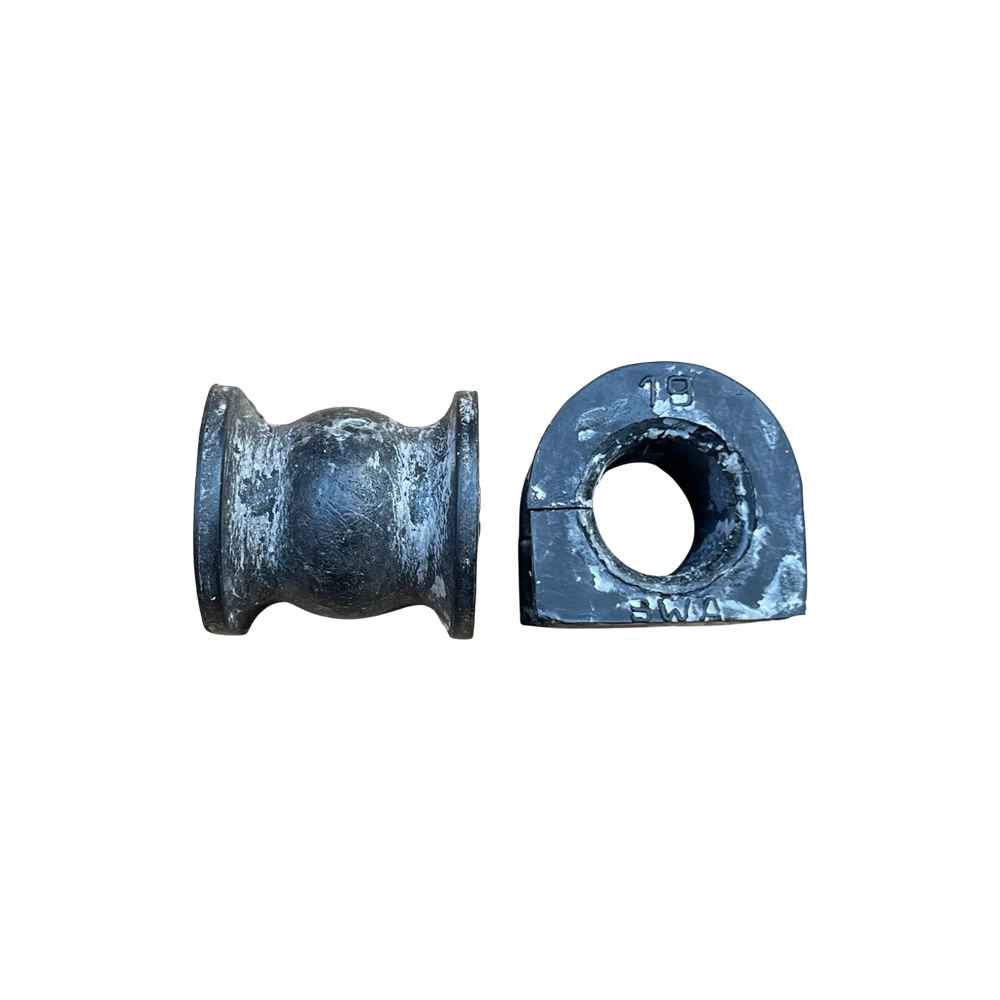
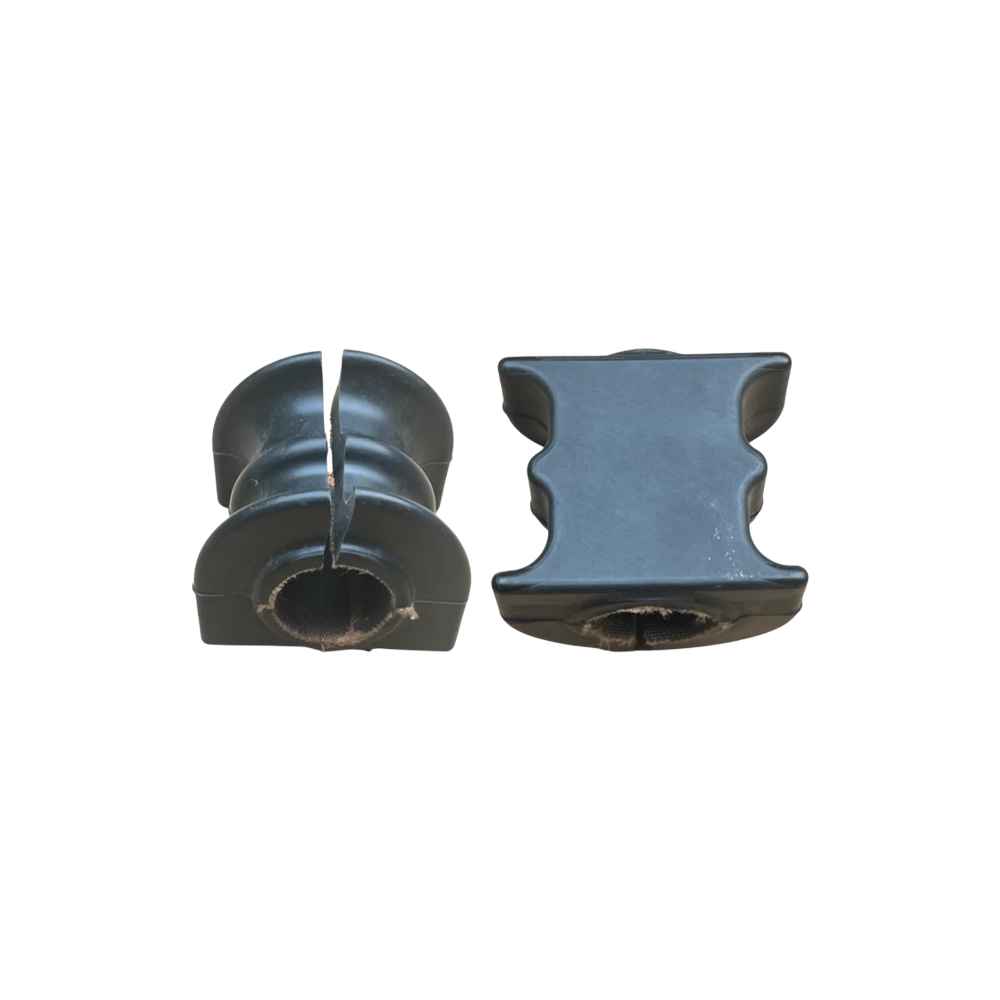
Additionally, the contract manufacturer took the initiative to develop custom sealing solutions that met the nuanced needs of each region. For example, they created specialized O-Rings & Rubber Sealing Rings designed to handle the increased pressure found in certain European models while also producing standard valve cover gaskets that fit a wide range of American vehicles.
Quality Control Measures
Quality assurance remains a cornerstone of their operations. Rigorous testing protocols are implemented to ensure that every product meets the necessary specifications before it reaches the mechanic’s toolbox. This includes thermal cycling tests, pressure tests, and endurance evaluations.
Feedback Loop
A feedback loop system has also been implemented to continuously improve products based on real-world performance data. Mechanics and engineers are encouraged to share insights about how the seals perform over time, leading to iterative enhancements in design and materials.
Benefits Realized
As a result of these efforts, the contract manufacturing partner has seen significant improvements in customer satisfaction across both markets. Mechanics report fewer comebacks due to seal failures, and vehicle owners appreciate the enhanced reliability of their engines. Ultimately, everyone wins.
Conclusion: The Future of Engine Sealing
Looking ahead, the landscape for engine cylinder head sealing will continue to evolve as new materials and technologies emerge. With ongoing collaboration between manufacturers and mechanics, it’s likely that we’ll see even greater advancements in sealing solutions that cater to the specific demands of both European and American vehicles.