Understanding OEM vs. Aftermarket Parts
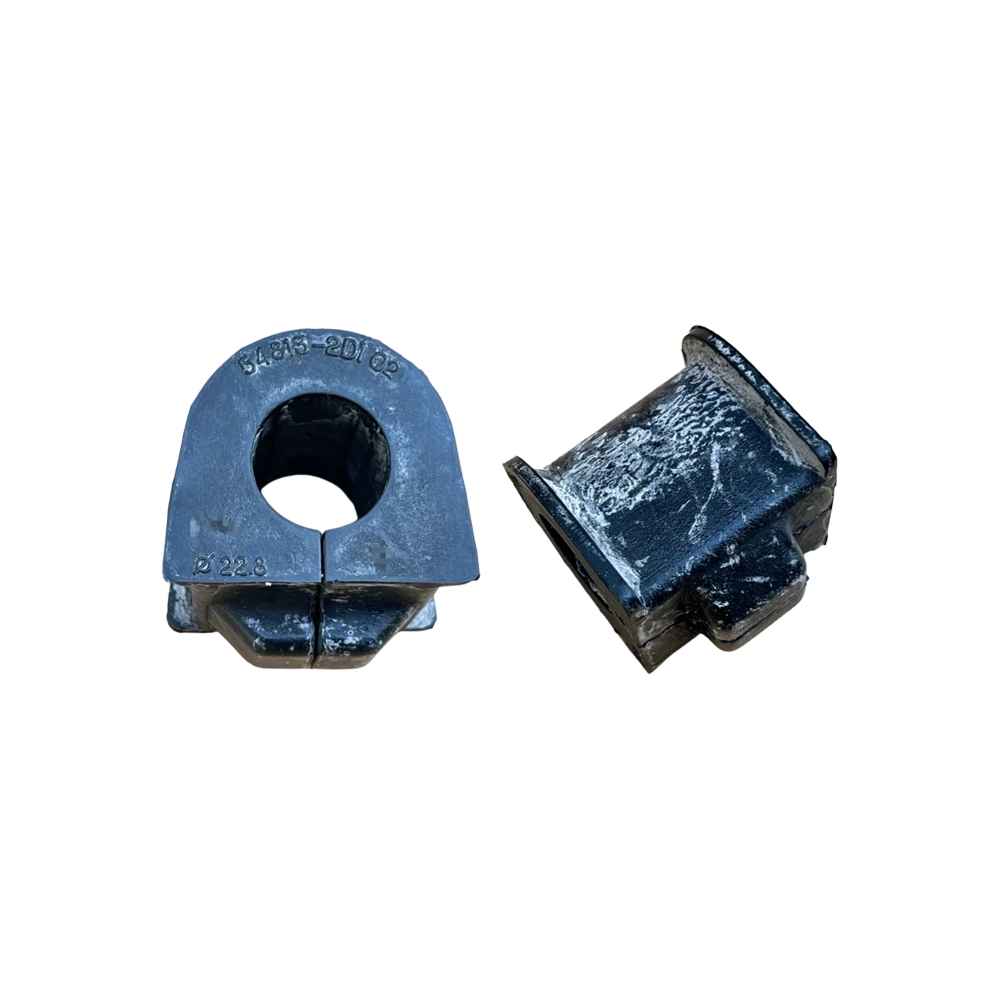
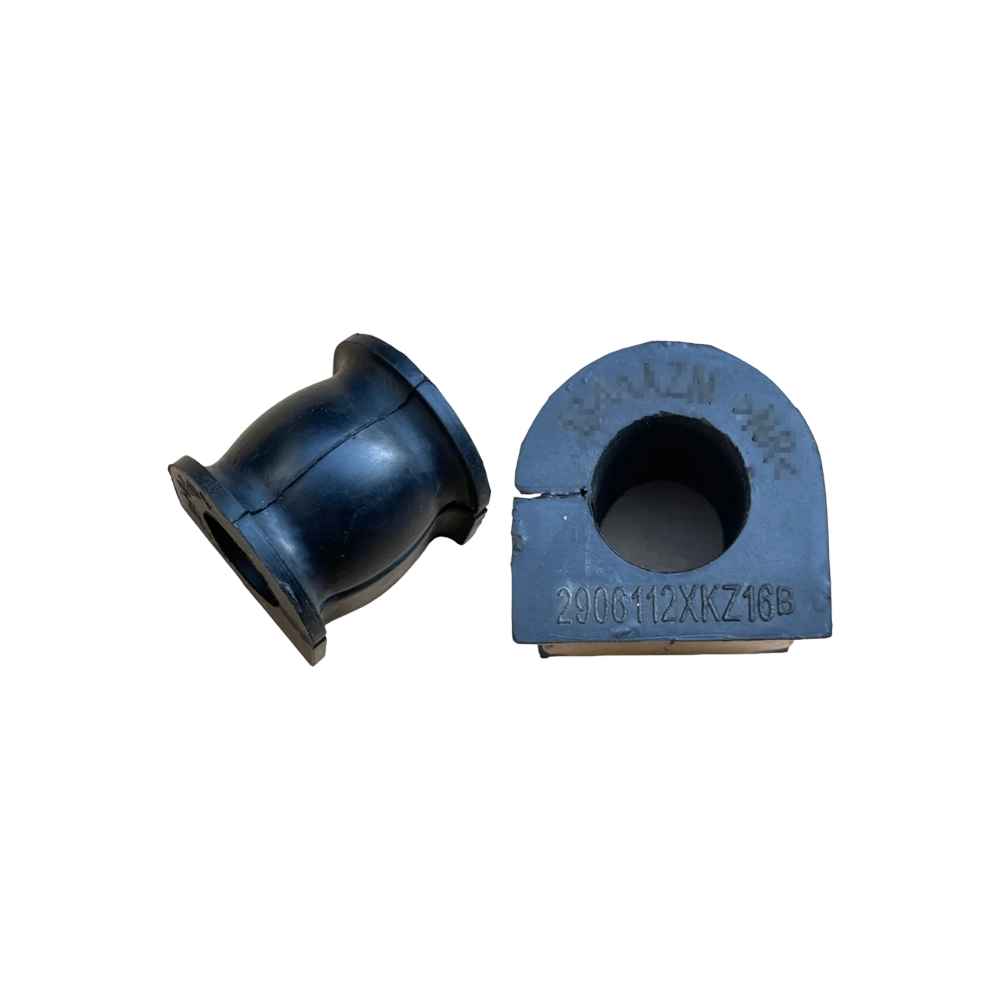
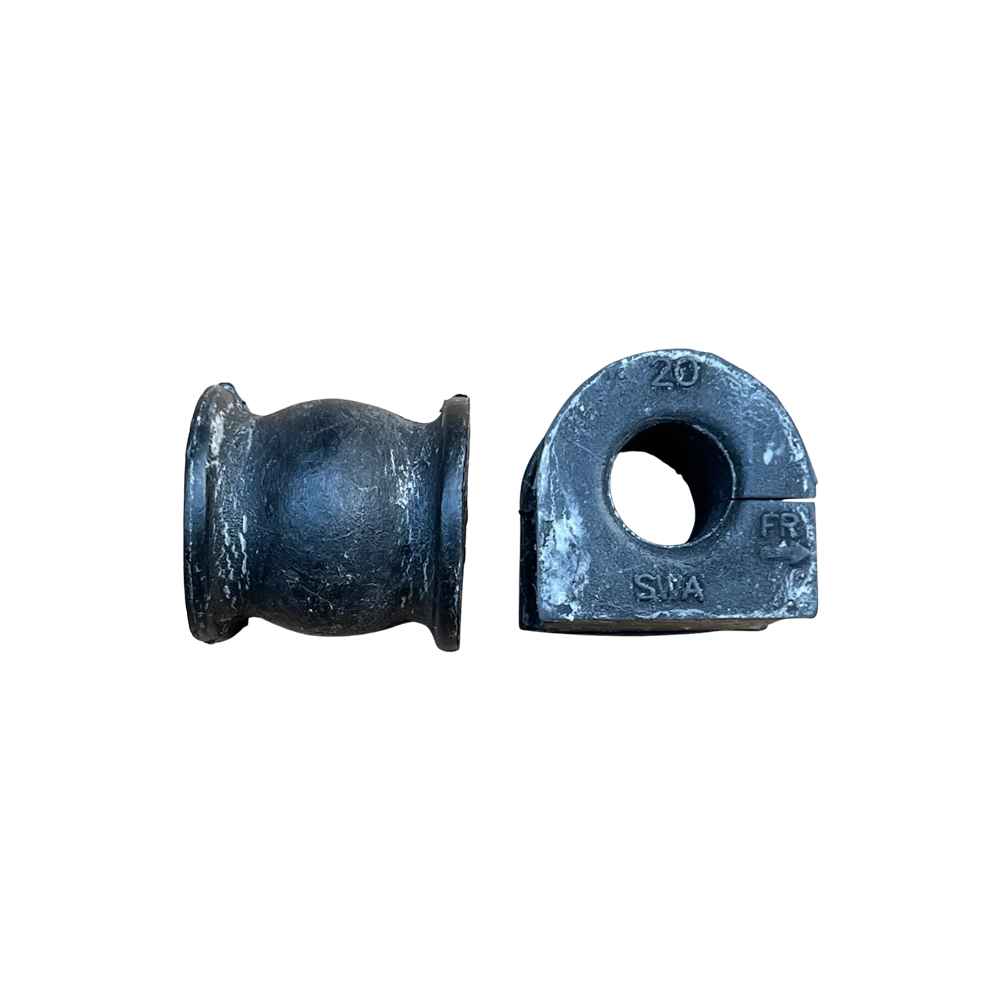
When it comes to vehicle repair, the debate between OEM (Original Equipment Manufacturer) parts and aftermarket parts is a hot topic. On one hand, OEM parts are made by the vehicle’s manufacturer, ensuring they fit perfectly and meet quality standards. On the other hand, aftermarket parts—often cheaper—can offer flexibility and innovation. This duality presents unique challenges and opportunities for auto parts distributors looking to meet the replacement requirements in the European and American markets.
The Importance of Compliance
One major consideration for distributors is compliance with various regulations. In both Europe and America, there are stringent standards that govern automotive parts. Distributors must ensure that their products meet these industry standards to avoid penalties and maintain customer trust. For example, using CV Joint Boots or Valves Cover Gaskets that don't comply could lead to serious safety issues. Thus, choosing the right suppliers who understand these requirements is crucial.
Quality Assurance in Auto Parts Distribution
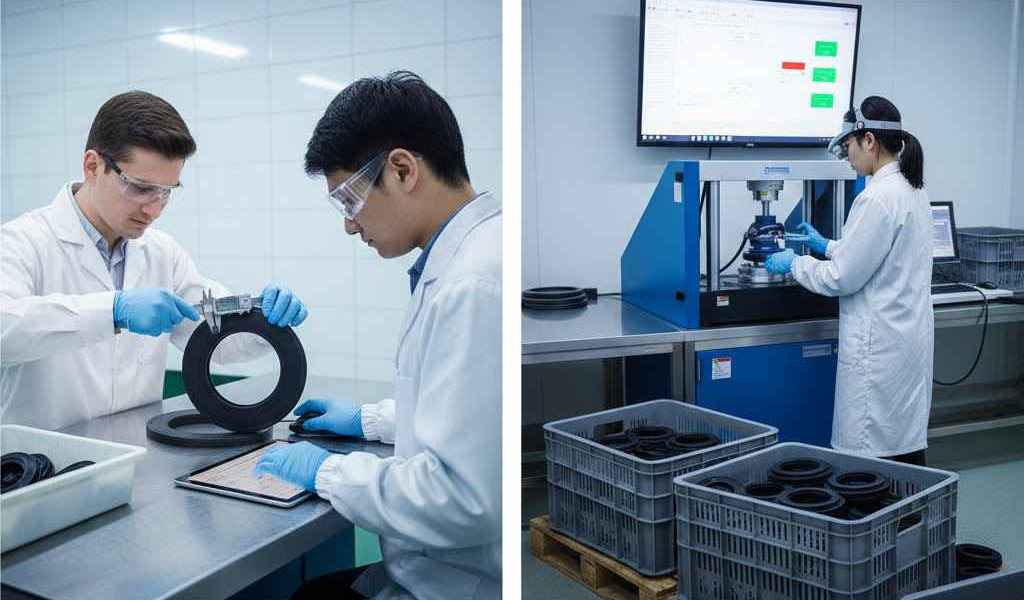
Quality can’t be overlooked. The reliability of parts like Steering Rack Boots directly impacts vehicle performance. A distributor needs to establish relationships with manufacturers known for their quality assurance processes. For instance, partnering with a brand like Guanghua , recognized for its rigorous testing protocols, can give distributors an edge. Quality assurance goes beyond just meeting standards; it builds a reputation.
Navigating the Supply Chain
- Supplier Relationships: Building strong relationships with reliable suppliers is key.
- Inventory Management: Balancing between OEM and aftermarket options requires strategic inventory management.
- Logistics: Efficient logistics can greatly reduce costs and delivery times.
A smooth supply chain ensures that distributors can fulfill orders promptly, whether it’s a simple order for Shock Absorber Boots or a more complex requirement involving multiple parts. Understanding each supplier's capabilities allows distributors to align their offerings with customer demands effectively.
Market Trends Affecting Replacement Parts
The automotive landscape is rapidly evolving, which means staying informed about market trends is essential. Electric vehicles are gaining traction, leading to new kinds of parts entering the aftermarket. Distributors should keep an eye on innovations in materials and technology, as they may need to adjust their offerings accordingly. Additionally, understanding regional preferences—like how certain brands dominate in specific countries—can guide inventory decisions.
Challenges in the Aftermarket Sector
Despite the allure of aftermarket parts, challenges abound. Quality inconsistency is a common issue; some cheaper alternatives might not deliver the same performance as OEM parts. Distributors can mitigate this risk by performing due diligence before adding new products to their lineup. It's also wise to educate customers about the differences in quality, which can help them make informed decisions.
Customer Education and Engagement
Educating customers is key to building loyalty. A well-informed customer base will appreciate the nuances of part quality and the importance of using reliable components. Workshops, informative blog posts, and even social media campaigns can showcase the benefits of OEM versus aftermarket options. Regularly engaging with customers helps build trust, ultimately leading to repeat business.
Leveraging Technology for Efficiency
In today's digital world, technology plays a significant role in enhancing operational efficiency. Automating inventory management systems can minimize errors and streamline ordering processes. Moreover, utilizing data analytics can help distributors forecast demand more accurately, adjusting stock levels accordingly. The integration of electronic invoicing and payments also speeds up transactions.
Future Prospects for Auto Parts Distributors
Looking forward, the future seems bright for auto parts distributors willing to adapt. As electric and hybrid vehicles grow in popularity, so too does the demand for innovative parts. Those who embrace change and stay ahead of the curve will likely reap the rewards. The keys to success include maintaining strong supplier relationships, staying compliant, and continuously educating both staff and customers.
Conclusion: Embracing Change
To sum up, navigating the OEM and aftermarket parts landscape requires adaptability and a proactive approach. Distributors focusing on quality, compliance, and customer engagement while embracing technological advancements will thrive. The road ahead may have its bumps, but with the right strategies, there's plenty of room for growth in the automotive repair industry.