Understanding the Specialty Sealing & Gasket Markets
The automotive industry often operates under rapidly changing demands, particularly when it comes to OEM and aftermarket parts. As vehicles become more complex, the requirement for reliable sealing solutions has surged. Manufacturers are facing heightened expectations from both OEMs and end consumers, driving the need for innovative sealing technologies.
Challenges in Meeting Replacement Requirements
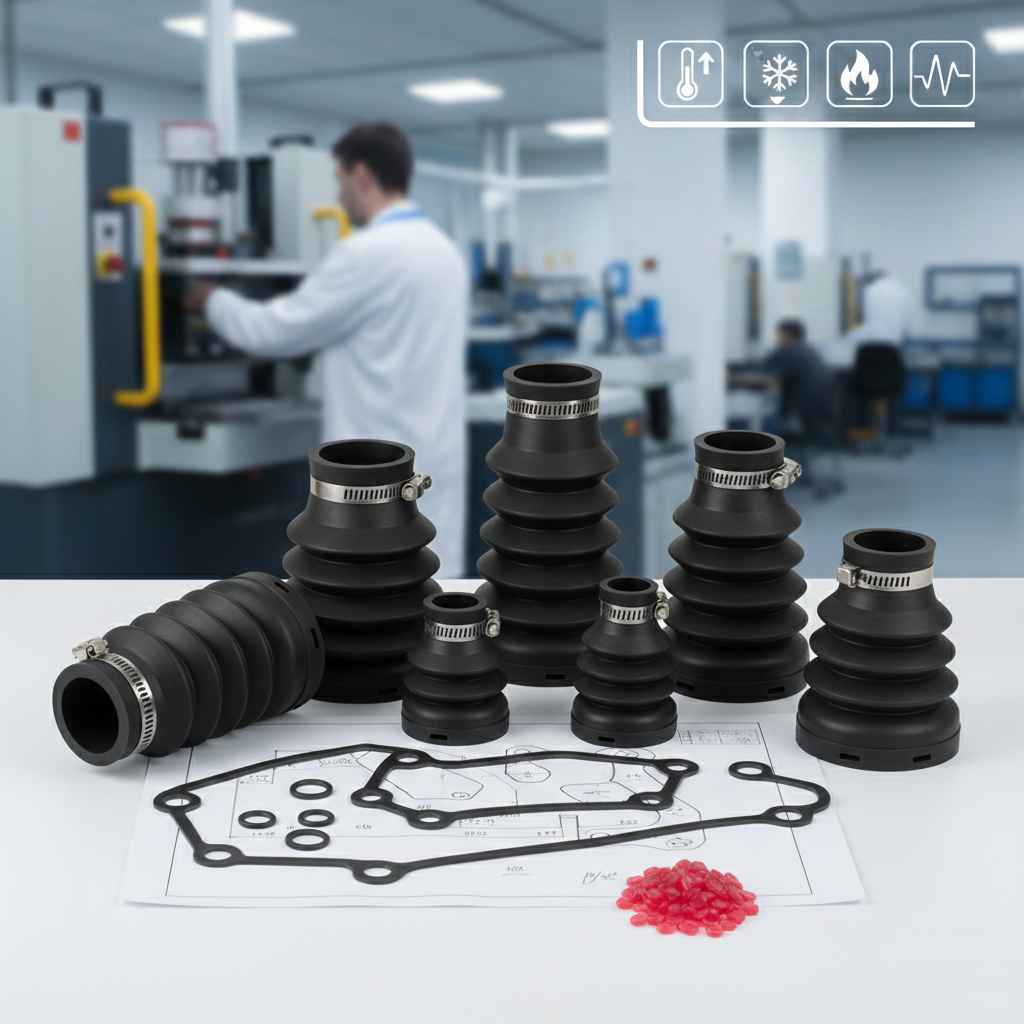
Manufacturers must navigate a maze of standards and specifications while ensuring their products meet stringent performance criteria. For example, specialty markets like those for CV Joint Boots or Steering Rack Boots require materials that can withstand extreme conditions, such as temperature fluctuations and exposure to various fluids. This necessitates a deep understanding of material science and engineering.
Moreover, maintaining TS16949 and ISO certifications is crucial for manufacturers looking to establish credibility in the market. These certifications serve as benchmarks for quality management systems, ensuring consistent product quality and reliability.
Material Selection and Testing
Choosing the right materials is fundamental to producing high-quality gaskets and seals. Manufacturers like Guanghua have invested significantly in research and development to identify optimal compounds that cater to the specific needs of different applications.
- O-Rings & Rubber Sealing Rings : Commonly used in hydraulic systems and engines, these components must be resistant to wear and environmental degradation.
- Shock Absorber Boots: Essential for protecting shock absorbers from dirt and debris, they play a key role in vehicle stability and comfort.
- Valve Cover Gaskets: Critical for preventing oil leaks, gasket integrity directly impacts engine performance.
Quality Control Processes
Quality assurance is not just a box to check; it’s a continuous process that ensures every part meets or exceeds specifications. Regular inspections, material testing, and adherence to industry standards are vital for long-term success. For instance, many manufacturers implement automated testing systems that can detect even minor defects during production.
In my experience, a robust quality control strategy not only reduces waste but also enhances customer satisfaction. When clients receive parts that perform reliably over time, it fosters trust and loyalty.
The Role of Technology in Manufacturing
Automation and advanced manufacturing techniques have transformed how sealing products are produced. The integration of computer-aided design (CAD) and robotics allows for precise measurements and efficient production runs. This, in turn, helps manufacturers like Guanghua stay competitive by reducing lead times and minimizing errors.
Furthermore, data analytics plays a growing role in identifying trends within the aftermarket segment. By analyzing customer feedback and usage patterns, businesses can adjust their product lines to better meet consumer needs.
Case Study: Guanghua's Approach
Guanghua has established itself as a leader in the sealing and gasket market by prioritizing innovation and quality. With a focus on meeting both OEM and aftermarket requirements, Guanghua employs rigorous testing methods and utilizes high-grade materials to ensure product longevity and effectiveness.
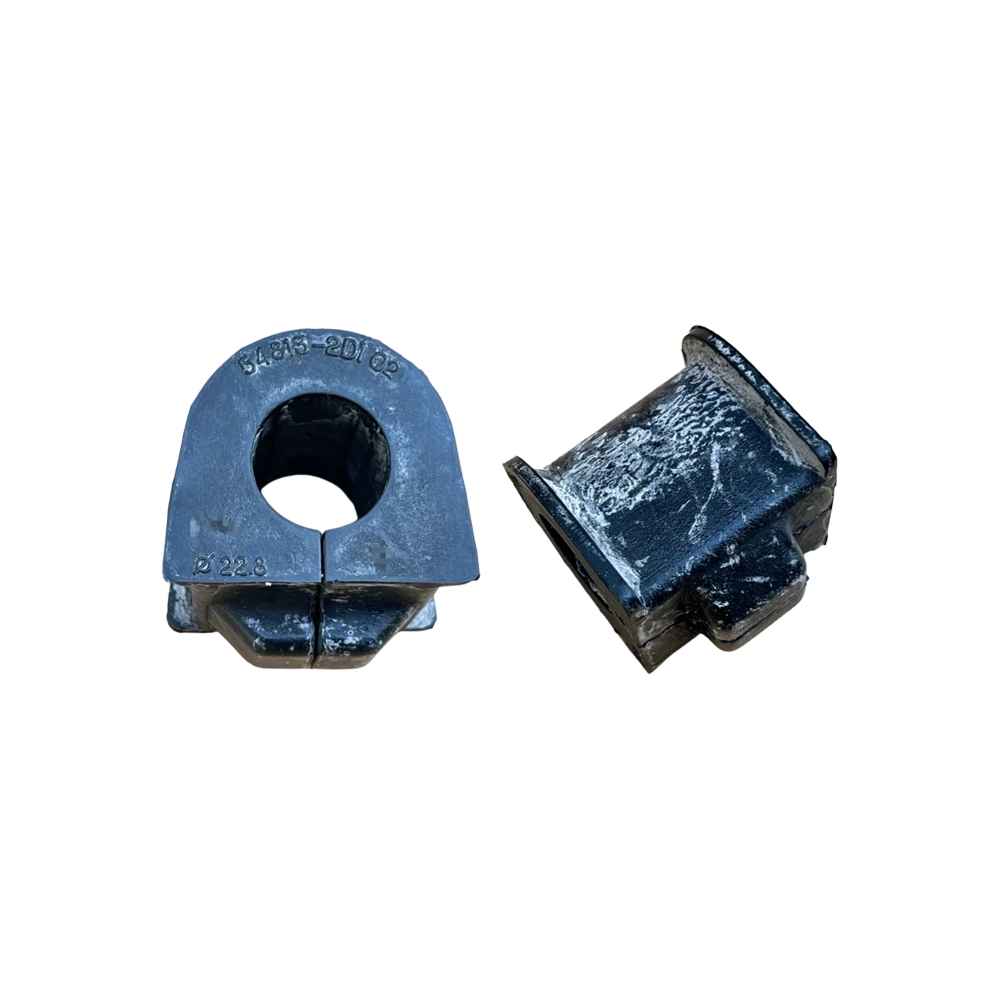
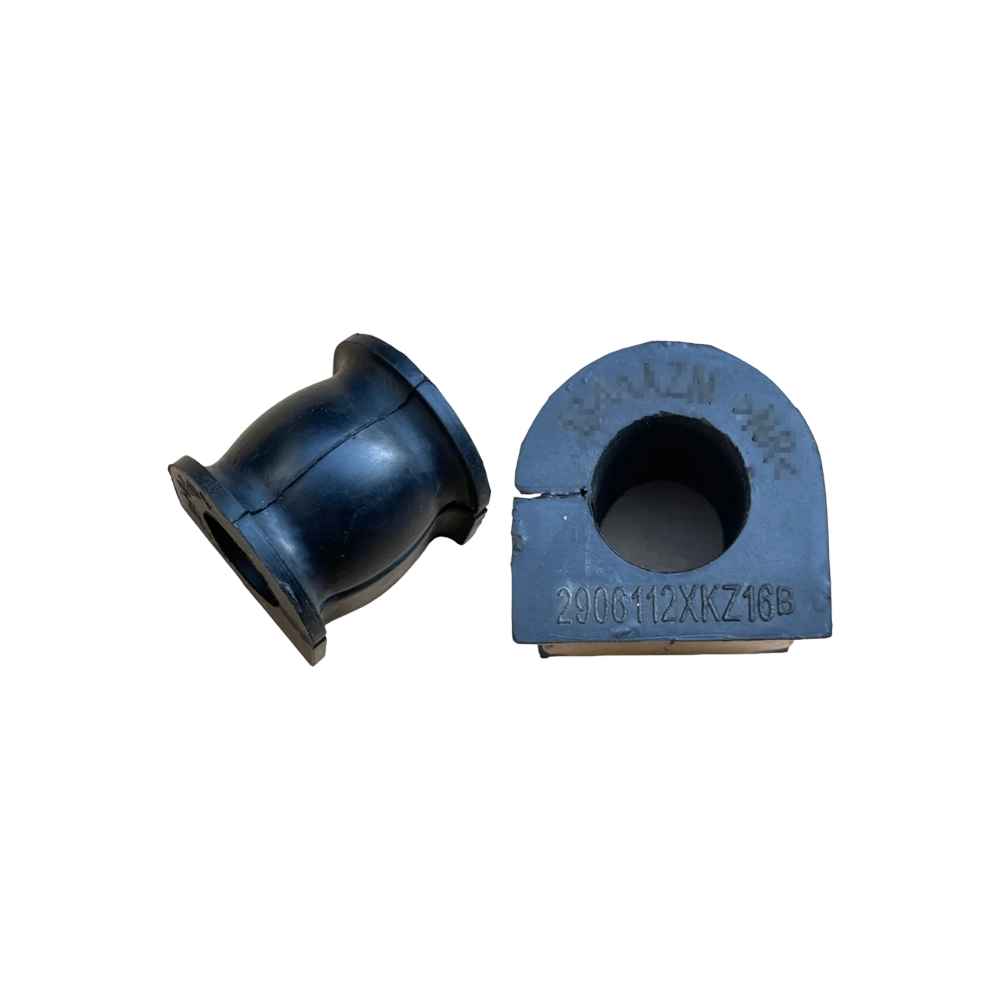
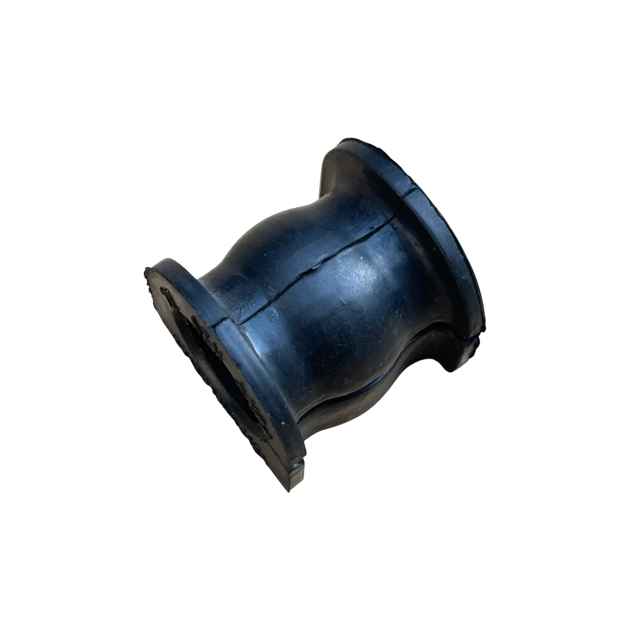
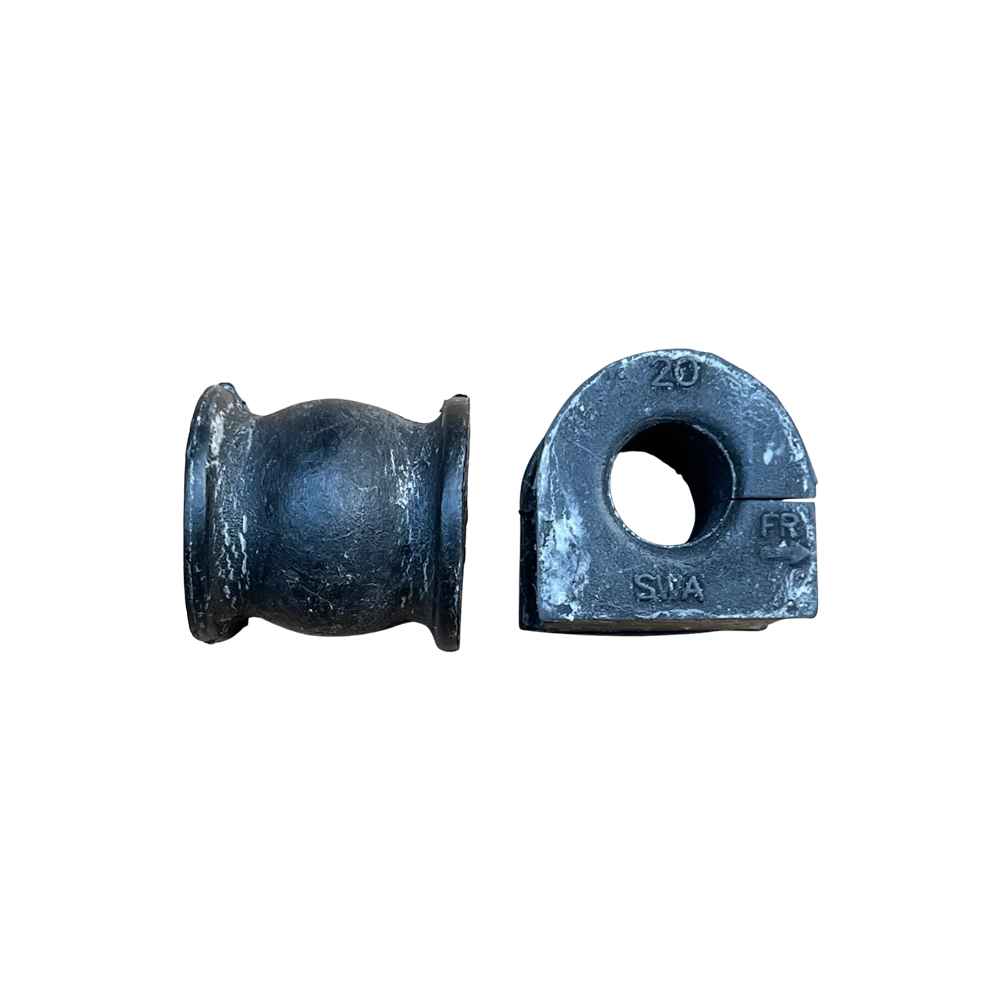
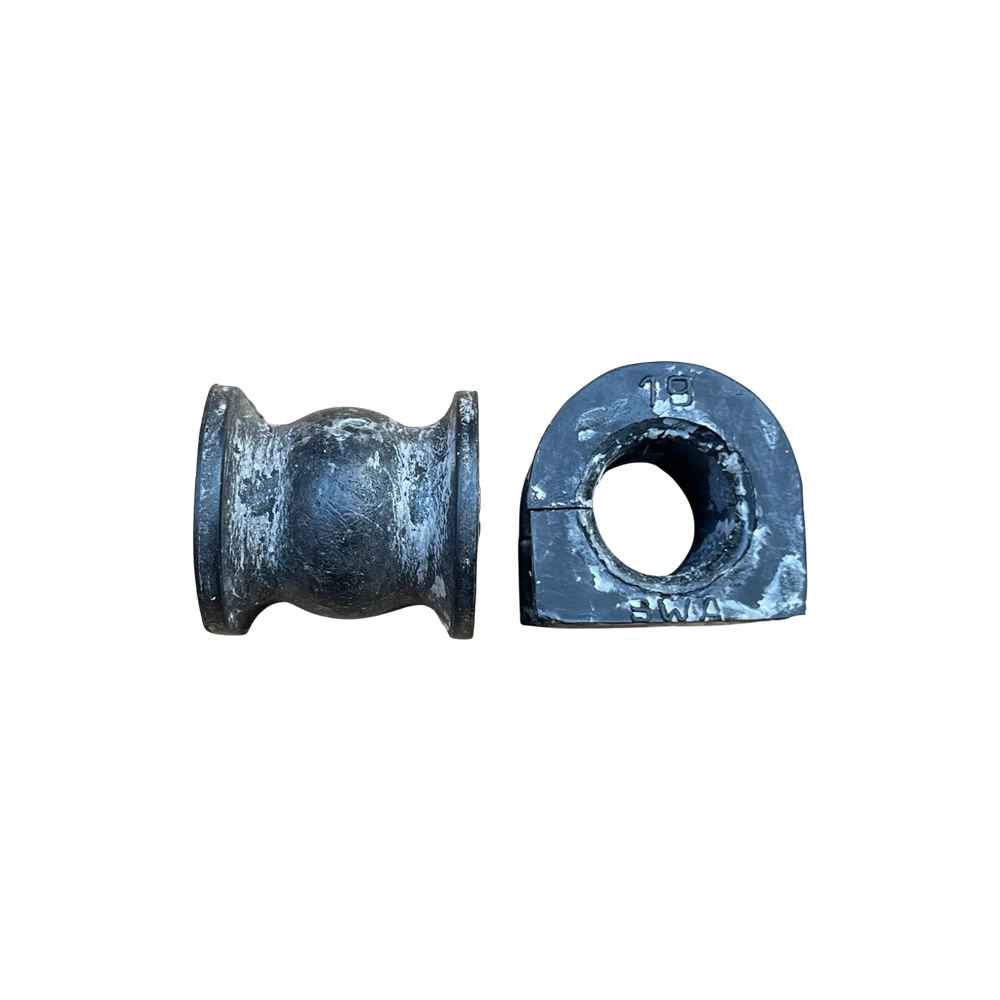
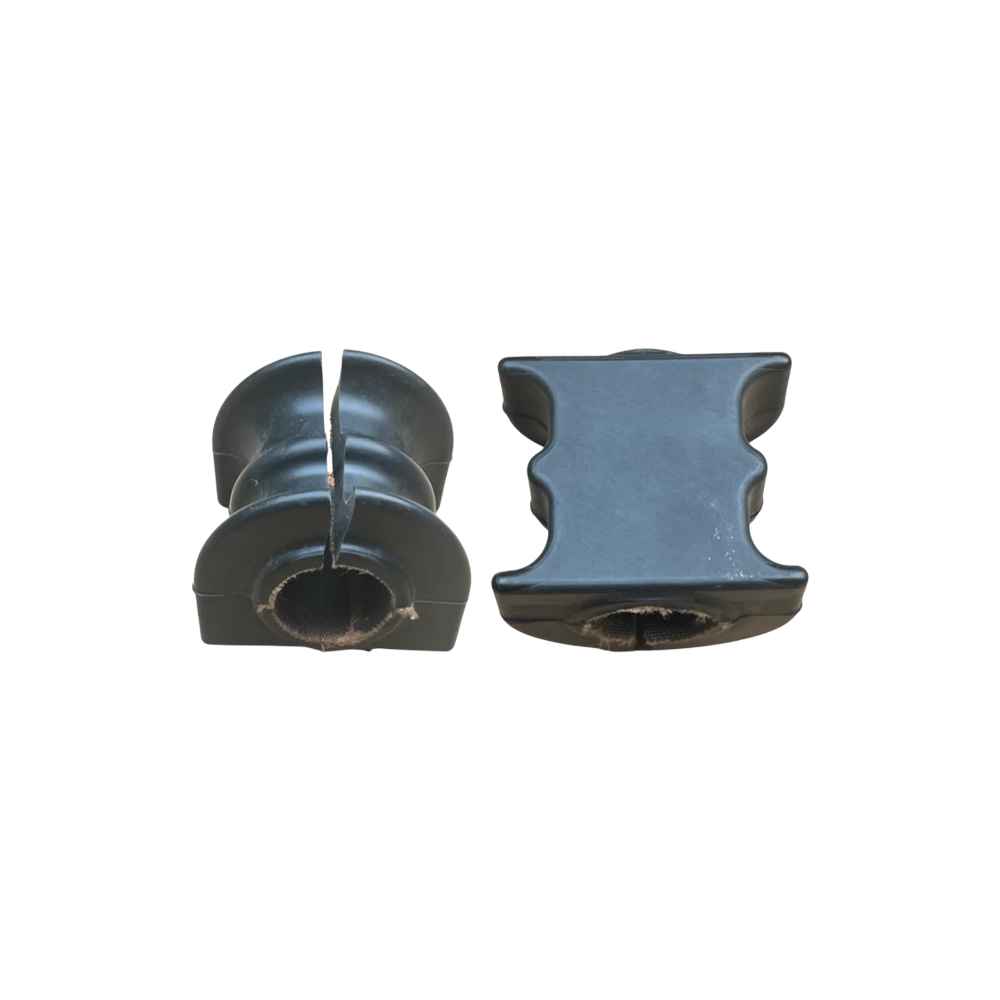
For example, their Stabilizer Bar Bushings are designed to provide enhanced stability and noise reduction, making them an essential component for modern vehicles. By continuously refining their offerings based on market feedback, Guanghua remains ahead of the curve.
The Future of Sealing Solutions
The future of the sealing and gasket markets looks promising, with ongoing advancements in material technology and manufacturing processes. As electric vehicles and autonomous driving become more prevalent, the demand for specialized seals will undoubtedly grow. Innovations in eco-friendly materials will also shape the industry, as consumers increasingly seek sustainable options.
Ultimately, staying agile and responsive to market changes will be crucial for manufacturers aiming to thrive in this competitive landscape. It’s not just about meeting current standards; it’s about anticipating future needs and being prepared to adapt quickly.
Conclusion
Meeting the diverse requirements of the sealing and gasket markets requires a multifaceted approach that includes quality control, material innovation, and technological integration. Manufacturers must remain vigilant, ensuring they not only comply with existing standards but also pave the way for future advancements.