Understanding the Commercial Fleet Maintenance Needs
In the fast-paced world of commercial fleet operations, maintaining vehicle driveline and axle systems is crucial for ensuring optimal performance and reliability. Fleet managers are often faced with numerous challenges, including managing costs, reducing downtime, and ensuring compliance with safety standards. When it comes to sourcing the right parts, selecting a reputable B2B wholesale supplier can make a significant difference.
The Importance of Quality Parts
Quality plays a vital role in the longevity and efficiency of fleet vehicles. Components such as CV Joint Boots , Steering Rack Boots , and Shock Absorber Boots must meet rigorous industry standards to perform effectively under various conditions. Poor-quality parts can lead to increased wear and tear, resulting in costly repairs and extended downtime.
Key Components for Driveline and Axle Repair
Fleet maintenance requires specialized knowledge about various parts. Among the most critical components are:
- CV Joint Boots: Essential for protecting the CV joints from dirt and moisture.
- Steering Rack Boots: These ensure that the steering mechanism remains free of contaminants.
- Shock Absorber Boots: Vital for maintaining the integrity of shock absorbers.
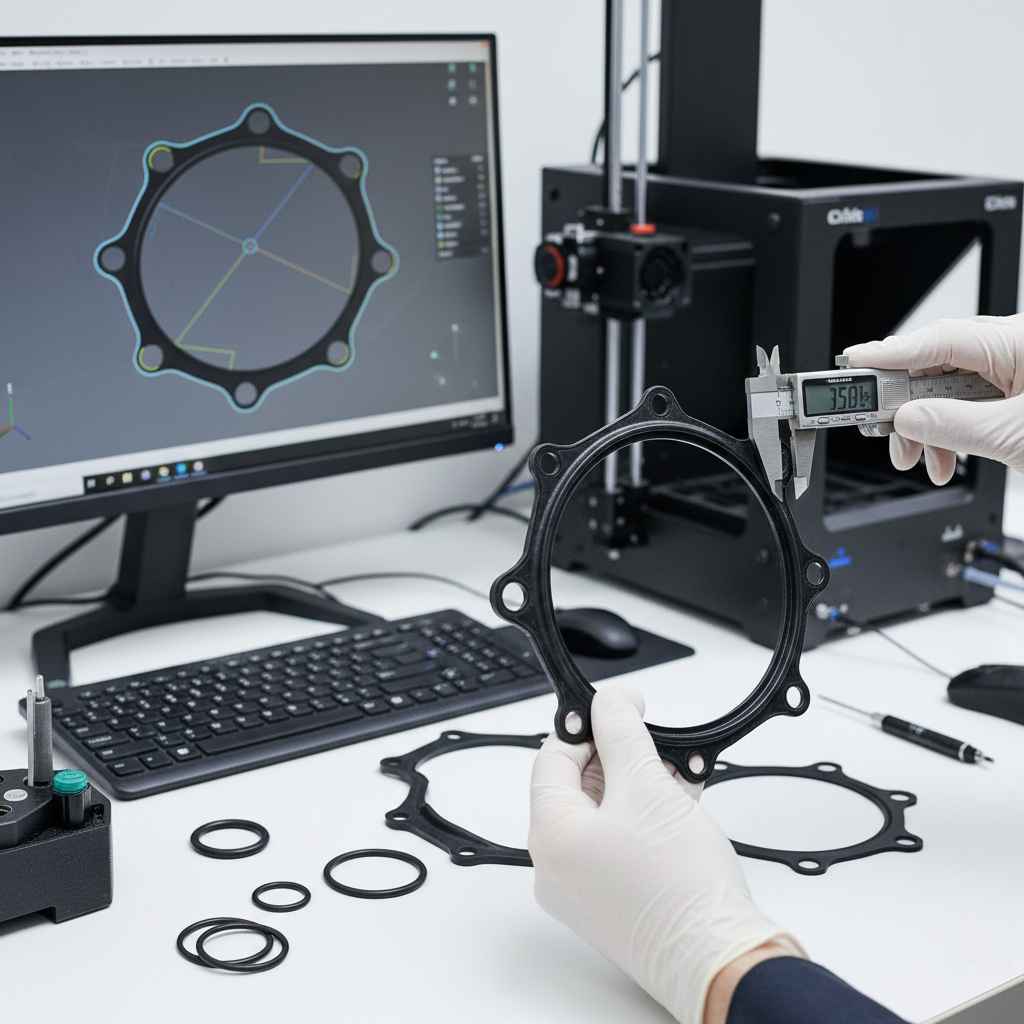
- O-Rings & Rubber Sealing Rings: Used for sealing various components, preventing leaks.
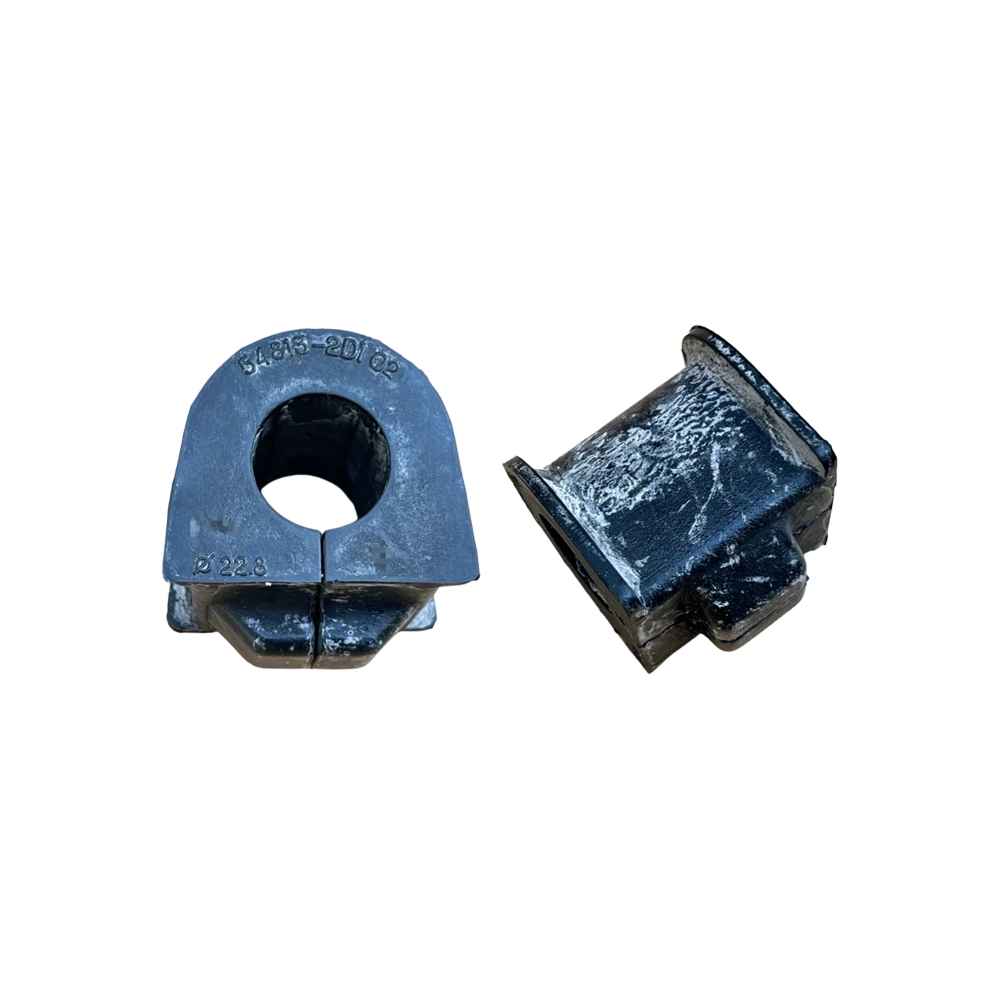
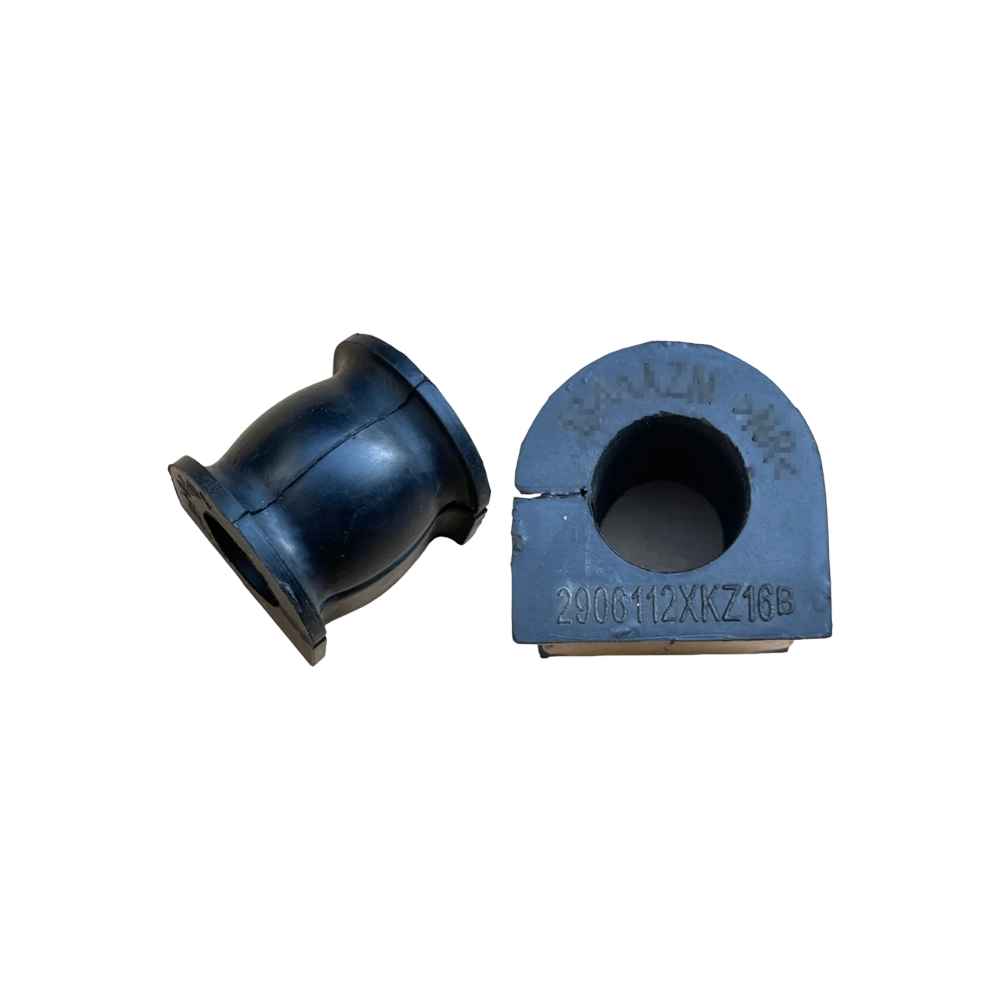
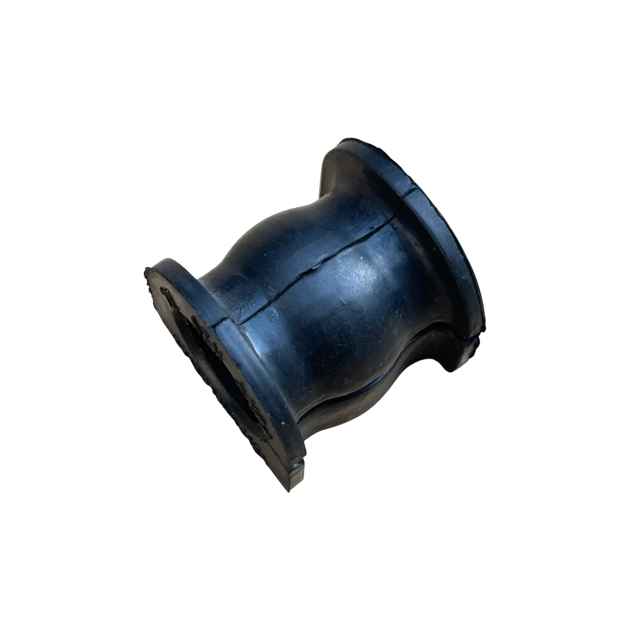
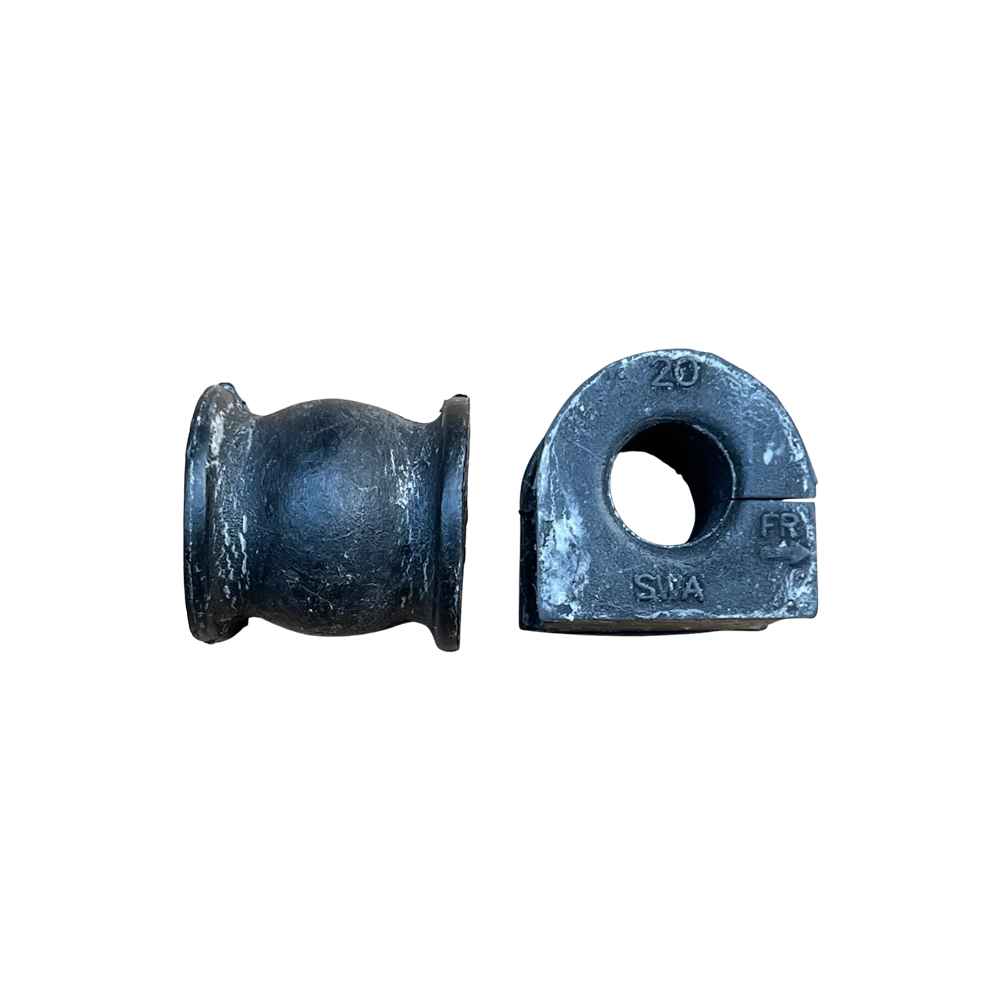
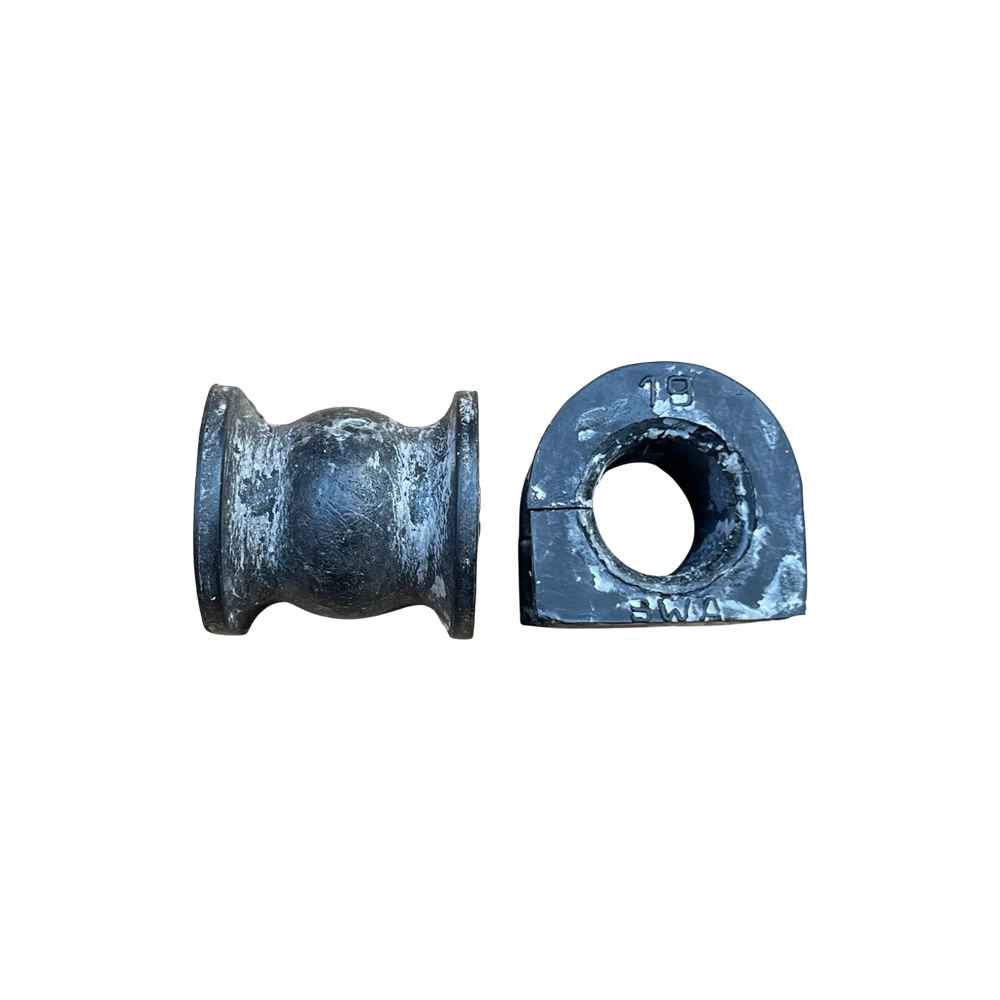
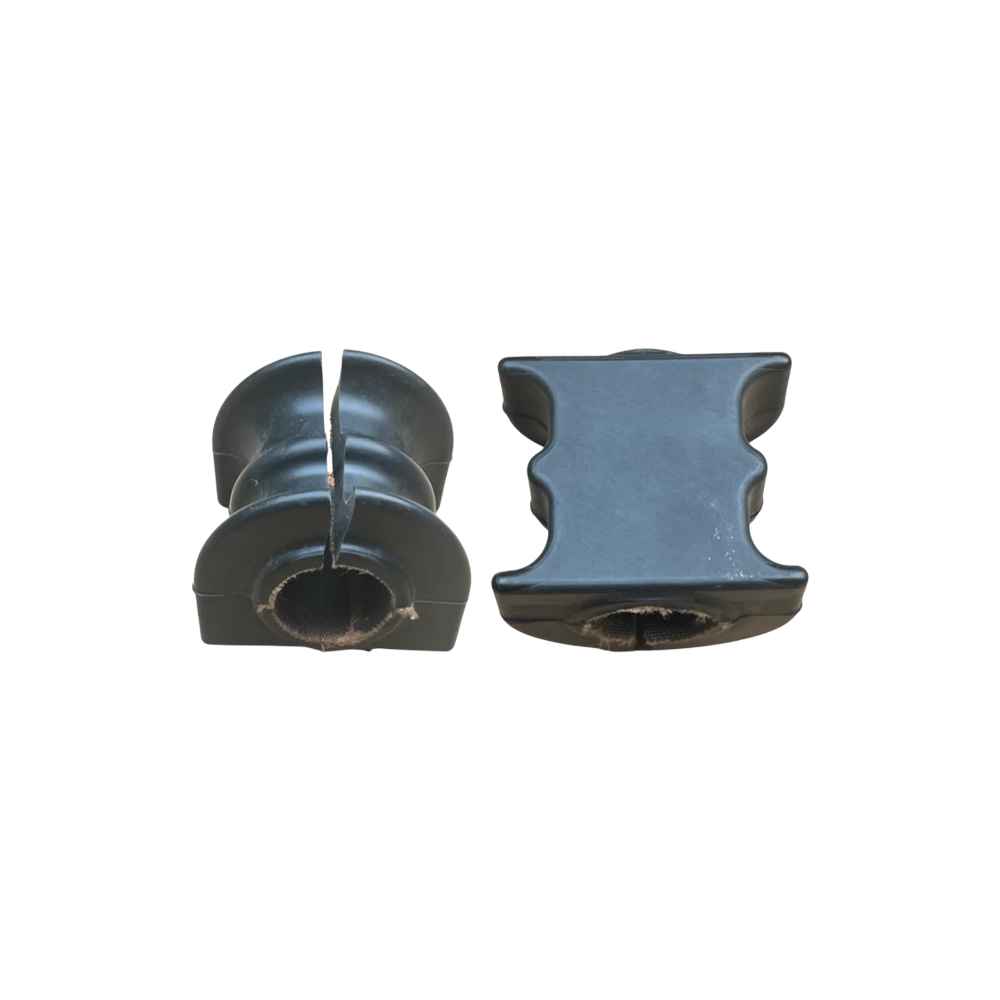
- Stabilizer Bar Bushings: Important for enhancing vehicle stability and handling.
- Valve Cover Gasket: Prevents oil leaks from the engine, crucial for performance.
Choosing the Right Supplier
A reliable supplier understands the unique demands of commercial fleets. Factors to consider include product range, pricing, and the supplier’s reputation in the industry. Guanghua, for instance, has built a strong presence by offering high-quality components and providing excellent customer service.
Assessing Supplier Capabilities
When assessing potential suppliers, it's essential to evaluate their ability to meet your specific needs:
- Diverse Inventory: Suppliers should stock a wide range of parts, including hard-to-find components.
- Product Quality: Look for suppliers that provide quality assurance and warranties on their products.
- Delivery Efficiency: Timely delivery is paramount to minimize fleet downtime.
- Technical Support: A good supplier offers assistance with part selection and installation guidance.
Cost Management Strategies
For many fleet managers, controlling maintenance costs is a top priority. Investing in high-quality parts may seem expensive initially but can lead to significant savings over time. High-quality CV Joint Boots or Steering Rack Boots will likely require less frequent replacement than their lower-quality counterparts.
Implementing Preventative Maintenance
Establishing a preventative maintenance schedule can significantly reduce unexpected breakdowns and repair costs. Regular inspections of critical components can help identify wear before it leads to failure. Keep an eye on:
- Fluid leaks around O-Rings and Rubber Sealing Rings.
- Cracks or splits in Shock Absorber Boots.
- Excessive play in Stabilizer Bar Bushings.
Building Long-Term Relationships
Fostering strong relationships with suppliers like Guanghua not only streamlines procurement processes but also enhances overall fleet maintenance strategies. Frequent communication ensures that both parties stay updated on product developments and emerging technologies, which can improve maintenance effectiveness.
Real-World Case Study: A Successful Fleet Partnership
Consider a case where a mid-sized logistics company faced consistent issues with drivetrain component failures. By partnering with a supplier specializing in driveline and axle parts, they gained access to premium products, including Valve Cover Gaskets and other essential components. The result? A reduction in breakdowns by 30% within just six months!
Conclusion
The road to efficient commercial fleet maintenance is paved with informed decisions about parts procurement and supplier partnerships. As technology advances, so does the complexity of vehicle systems, making it essential to stay ahead of the curve. Fleet managers who prioritize quality and build strong supplier relationships are better equipped to meet the challenges of today’s demanding market.