Understanding the Automotive Aftermarket Dynamics
The global automotive aftermarket, particularly in the context of driveline and axle repair, has evolved over the years into a sophisticated ecosystem. This sector encompasses various components essential for vehicle performance, where understanding consumer needs and supplier capabilities remains paramount.
Key Components in Vehicle Driveline and Axle Systems
Vehicle driveline and axle systems consist of multiple components that work together to ensure optimal functionality. Among these are:

- CV Joint Boots : These protect the constant velocity joints from dirt and moisture, ensuring longevity and performance.
- Steering Rack Boots : Essential for protecting the steering mechanism from contaminants, thereby enhancing steering reliability.
- Shock Absorber Boots : These serve the critical function of safeguarding shock absorbers against debris, contributing to ride stability.
- O-Rings & Rubber Sealing Rings: Integral for preventing fluid leaks in various assemblies, their quality directly impacts overall system integrity.
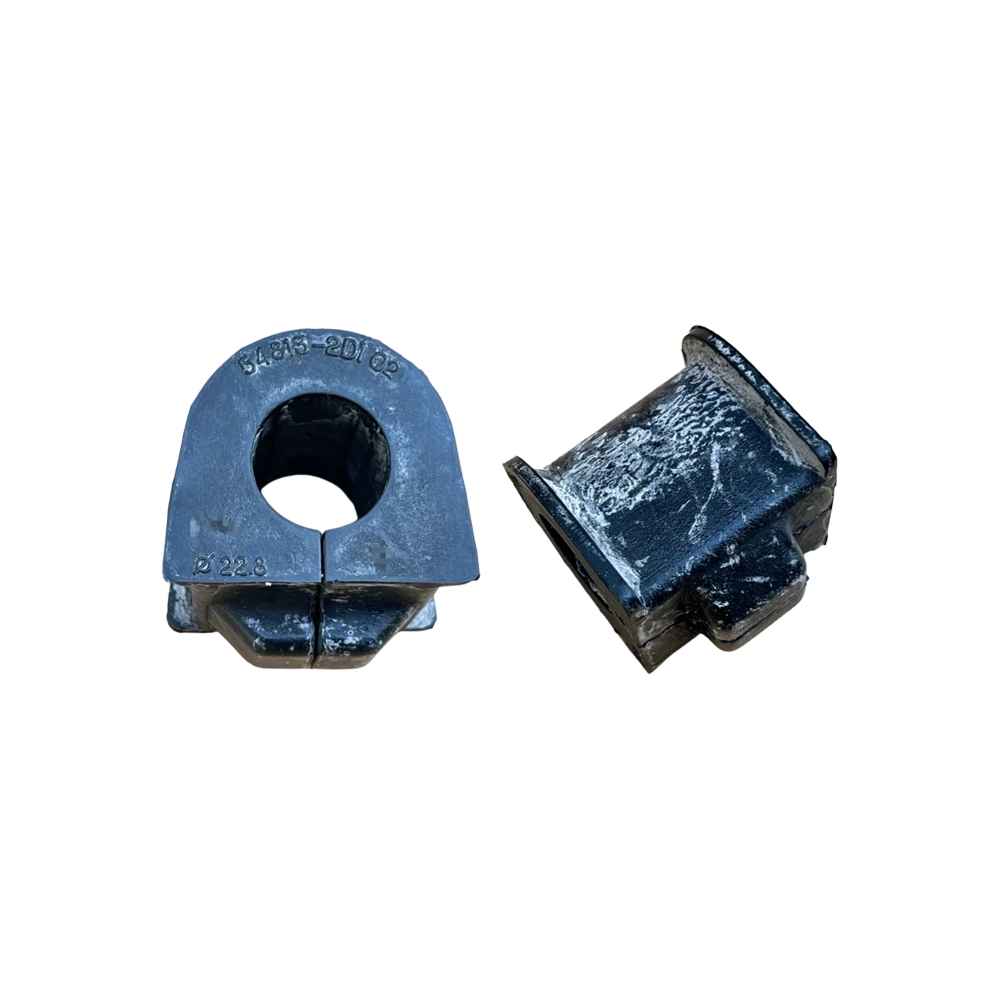
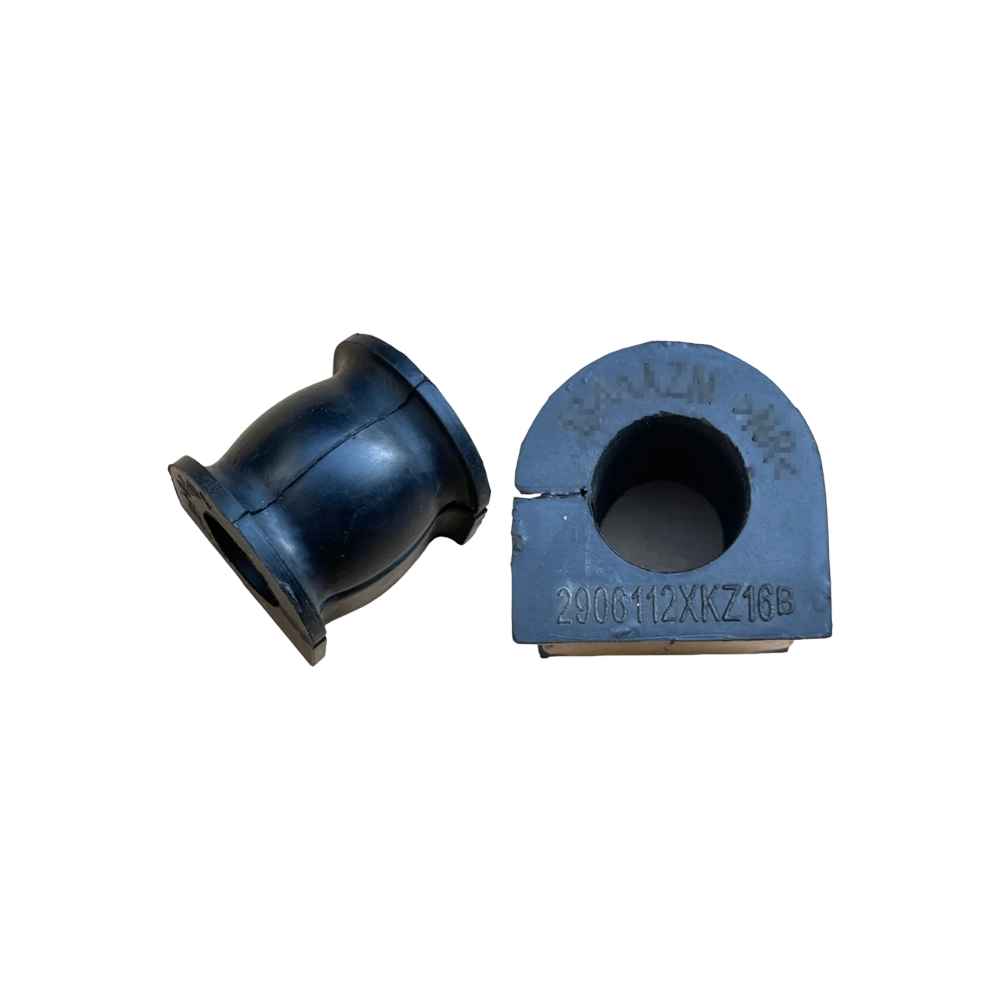
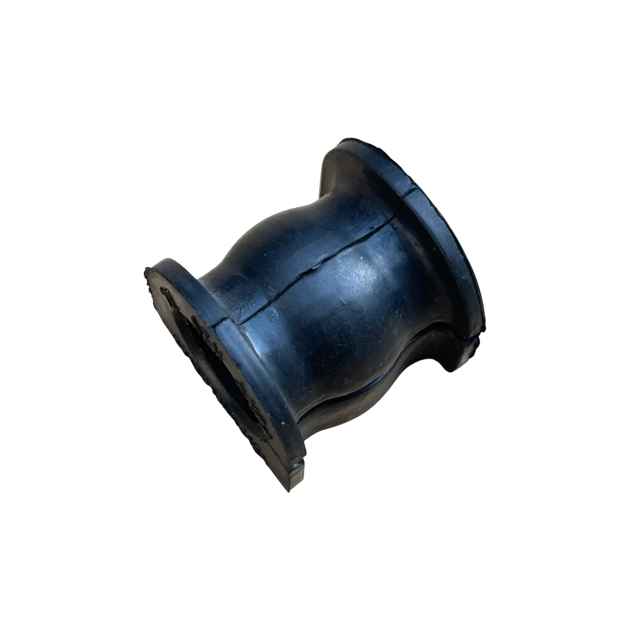
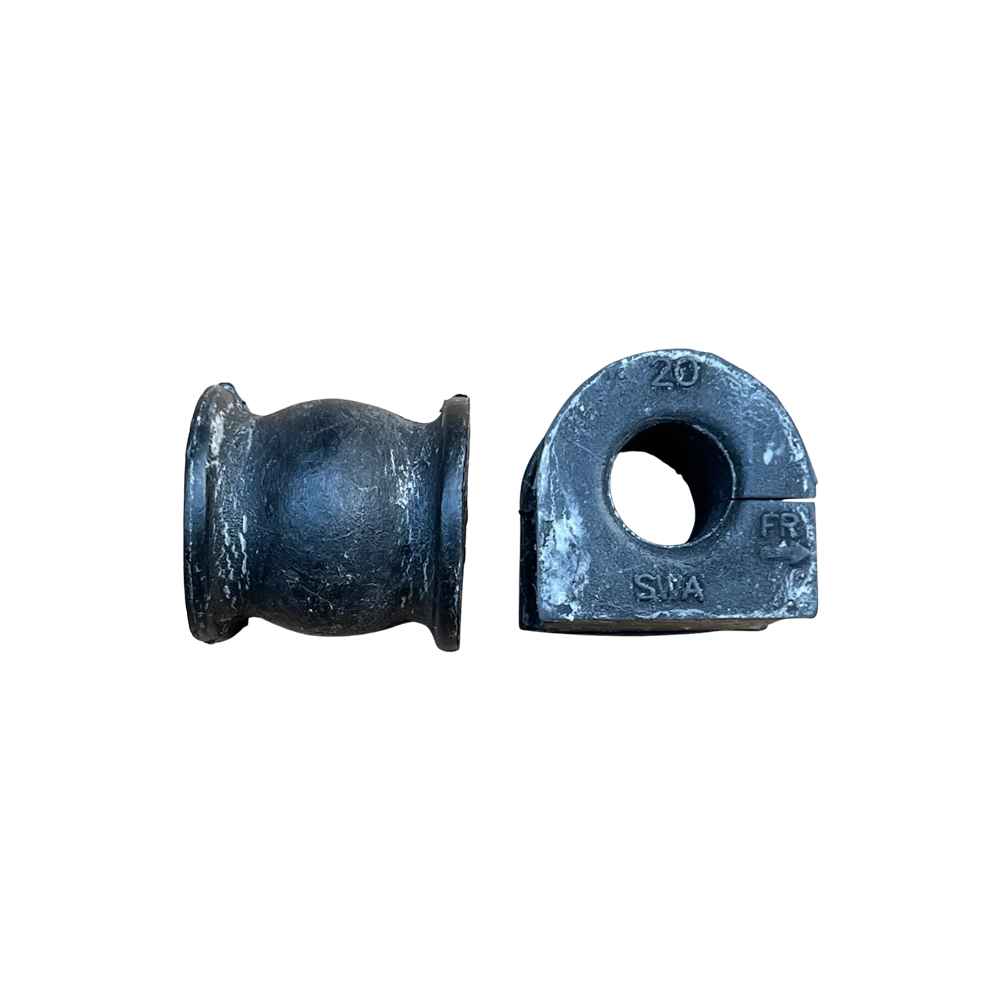
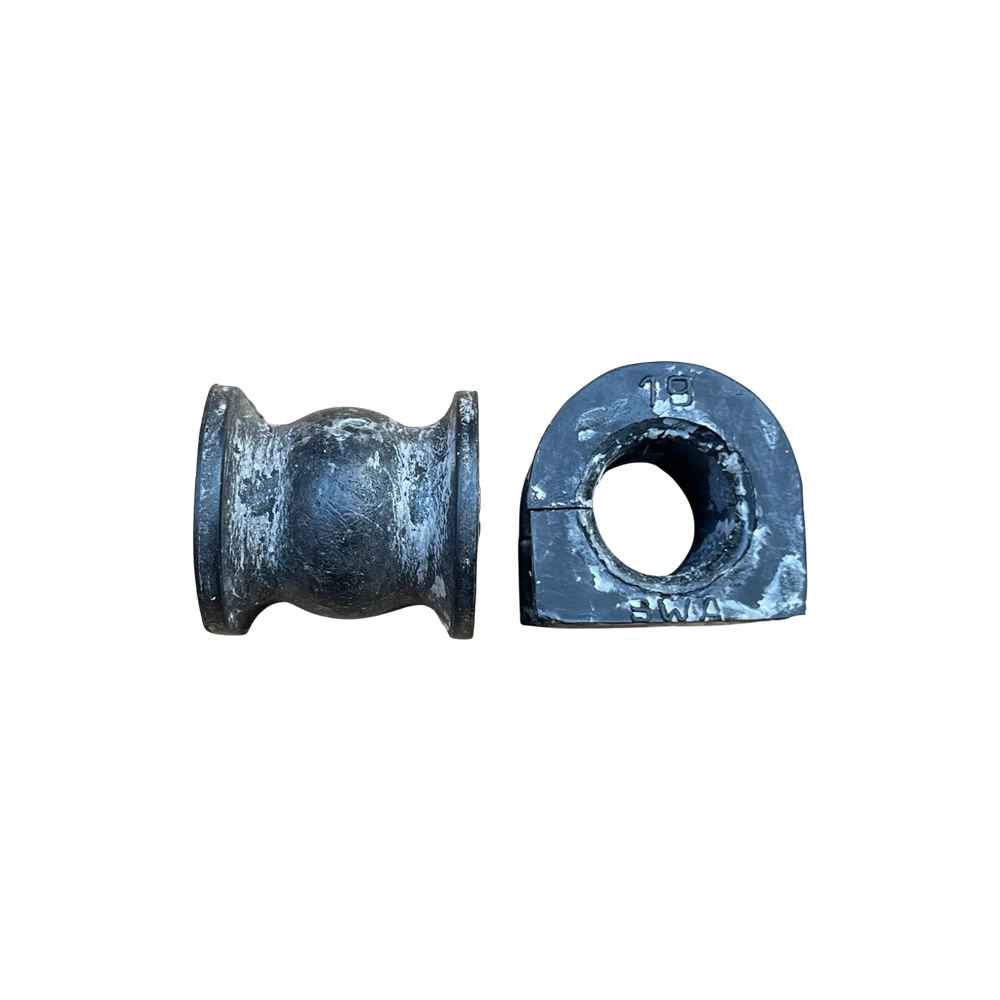
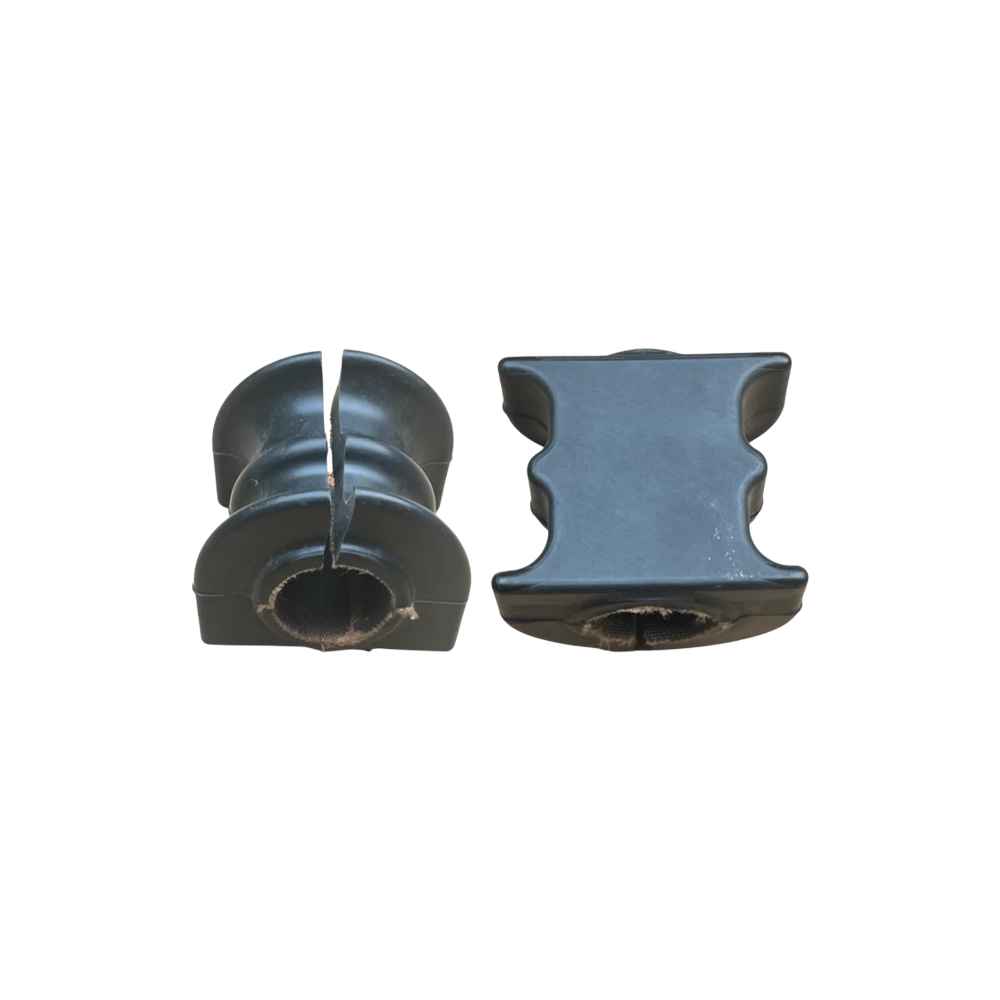
- Stabilizer Bar Bushings: These components help maintain vehicle body control during cornering, which is crucial for safety.
- Valve Cover Gasket: A vital part of engine assembly, preventing oil leaks and aiding in maintaining correct pressure levels.
The Role of B2B Wholesale Suppliers
B2B wholesale suppliers play a significant role in bridging the gap between manufacturers and service providers within the aftermarket. They facilitate the distribution of essential spare parts such as those mentioned above, ensuring that repair shops are equipped with the most reliable components available in the market.
A case study focusing on a supplier like Guanghua reveals how effective inventory management, coupled with strategic partnerships, can enhance product availability and reduce lead times. This is increasingly important in an industry characterized by rapid technological advancements and changing consumer expectations.
Supply Chain Optimization
Effective supply chain management is crucial for any B2B supplier focused on the automotive aftermarket. By utilizing modern logistics solutions, companies like Guanghua are capable of achieving:
- Improved stock replenishment rates through predictive analytics.
- Lower operational costs due to streamlined processes.
- Enhanced customer satisfaction stemming from timely deliveries and product availability.
Adapting to Market Trends
The automotive industry is subject to various trends including electrification, sustainability, and advanced driver-assistance systems (ADAS). B2B suppliers must remain agile and responsive to these shifts. For instance, as more electric vehicles enter the market, the demand for specific driveline components will evolve, necessitating adjustments in inventory and supplier relationships.
Technological Integration in Supply Processes
Technology has revolutionized many facets of the automotive aftermarket. From advanced inventory management systems to data-driven analytics tools, technology enables suppliers to enhance efficiency and accuracy in order processing. Furthermore, implementing digital platforms allows suppliers to connect with mechanics and garages directly, facilitating easier access to parts.
Quality Assurance Measures
To meet the rigorous standards expected in the automotive aftermarket, suppliers must implement robust quality assurance practices. This includes regular testing of components such as CV Joint Boots and Steering Rack Boots to ensure they meet international standards. The adherence to quality not only builds trust but also reduces warranty claims and enhances customer loyalty.
Conclusion
In summary, navigating the complexities of the global automotive aftermarket requires a thorough understanding of the components involved, coupled with effective supply chain strategies. As illustrated through the case study of Guanghua, being adaptable and embracing technological advancements will enable B2B wholesale suppliers to meet the ever-changing demands of the industry successfully. Ultimately, those who prioritize quality and responsiveness are better positioned to thrive in this competitive landscape.