Understanding O-Ring Seals
O-rings are circular seals that serve a crucial role in various applications, primarily focused on preventing leaks. They can be found in countless devices, from household appliances to complex industrial machinery. The design may seem simple, but the performance can vary significantly based on material and intended use.
Types of O-Ring Seals
- Nitrile Rubber (NBR): Commonly used for automotive and industrial applications due to its resistance to oil and fuels.
- Fluoroelastomer (FKM): Known for exceptional chemical resistance, making it ideal for harsh environments.
- Silicone: Often used in applications requiring flexibility and high-temperature resistance, like medical devices.
Performance Comparison: Nitrile vs. Fluoroelastomer
When comparing O-ring seals made of nitrile rubber and fluoroelastomer, several critical factors come into play, including temperature tolerance, chemical compatibility, and durability.
Temperature Tolerance
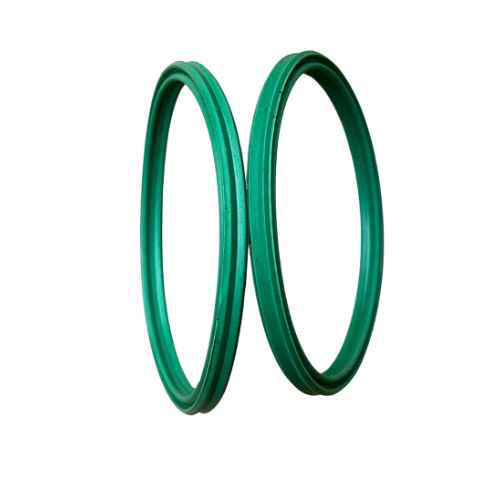
Nitrile O-rings typically withstand temperatures ranging from -30°C to 120°C, while fluoroelastomers shine with a much broader range, often between -20°C to 200°C. This makes FKM a go-to choice for extreme conditions.
Chemical Compatibility
If your application involves exposure to solvents or aggressive chemicals, fluoropolymer O-rings outperform their nitrile counterparts. Nitrile can degrade over time when exposed to certain substances, leading to potential failures.
Durability Factors
Durability is not just about how long a seal lasts; it's also about how well it performs under pressure and varying conditions. Here’s how they stack up:
Resistance to Wear
- Nitrile O-rings have decent wear resistance, but prolonged exposure to oils can lead to swelling and decreased performance.
- Fluoroelastomer O-rings generally exhibit better wear characteristics, particularly in non-polar environments.
Environmental Resistance
In an outdoor setting, UV rays and ozone can wreak havoc on rubber materials. Fluoroelastomer's superior resistance to these factors gives it an edge, extending its service life in such conditions.
Cost Considerations
While performance and durability are paramount, cost is always a factor in decision-making. Nitrile O-rings tend to be more economical upfront, making them popular for mass production. However, fluoroelastomers, although pricier, often save money in the long run by reducing maintenance costs due to their longevity.
Initial vs. Long-Term Investment
The initial cost of a nitrile O-ring might make it appealing for short-term projects, but think about what happens down the line. Frequent replacements add up, especially if you’re working in a demanding environment. Investing in high-quality fluoroelastomer seals can provide peace of mind and savings over time.
Selecting the Right O-Ring Seal
The right choice between these two types of O-rings depends on specific application needs. Consider factors like:
- Operating environment (temperature, exposure to chemicals)
- Required lifespan of the seal
- Budget constraints and potential long-term savings
- Specific industry standards that must be met
Conclusion
Ultimately, choosing between nitrile rubber and fluoroelastomer O-rings revolves around understanding your particular requirements and weighing the pros and cons of each option. Brands like Guanghua offer a variety of options tailored to different needs, ensuring you can find the perfect fit for your sealing solutions.