Understanding CV Joints and Their Importance
Constant Velocity (CV) joints play a crucial role in the functionality of modern vehicles, as they facilitate the transfer of power from the engine to the wheels while allowing for steering and suspension movement. As such, ensuring their longevity is vital for optimal vehicle performance.
Common Causes of CV Joint Failure
Despite their robust design, CV joints can fail prematurely due to several factors:
- Poor Installation: Improper installation can lead to misalignment, resulting in uneven wear and tear.
- Environmental Conditions: Exposure to dirt, moisture, and extreme temperatures can degrade the protective boot, allowing contaminants to enter.
- Insufficient Lubrication: A lack of adequate grease can cause friction within the joint, leading to overheating and eventual failure.
The Role of High-Performance Boots
Utilizing high-quality inner and outer CV Joint Boots is essential in preventing premature failure. These boots act as barriers to protect the joints from debris while retaining lubrication within the assembly. High-performance boots often feature enhanced materials that withstand harsh environments better than standard options.
Types of CV Joint Boots
There are primarily two types of boots used for CV joints: inner and outer. The inner boots cover the joint closer to the transmission, while the outer boots protect the joint nearest to the wheel. Selecting the appropriate type of boot, based on vehicle specifications and operational conditions, is critical to ensuring comprehensive protection.
Importance of Quality in Boot Selection
Selecting boots manufactured by reputable brands, such as Guanghua, can significantly impact the durability and effectiveness of the CV joints. This brand is known for its rigorous quality control processes and commitment to producing parts that meet or exceed industry standards. When distributors opt for high-performance boots, they not only enhance the longevity of the CV joints but also provide added reliability to their customers.
Installation Considerations
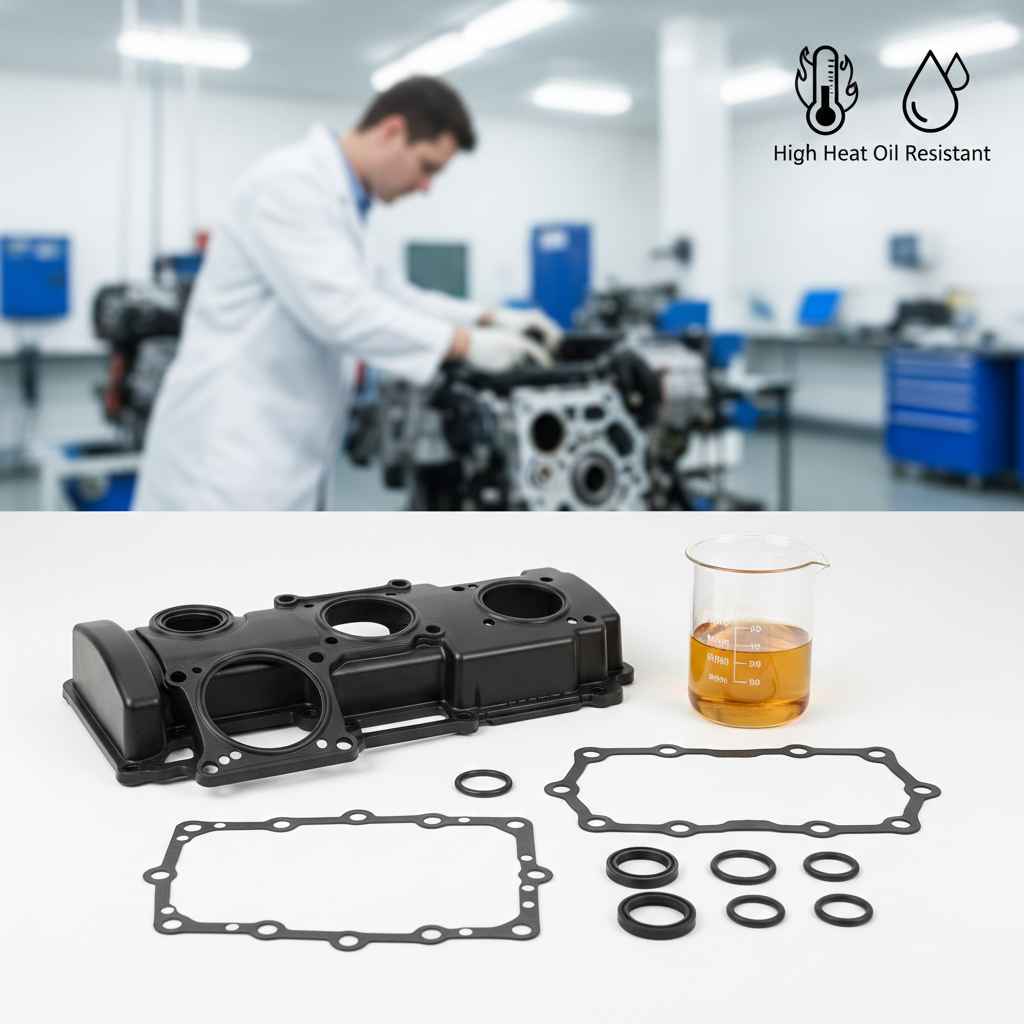
Proper installation of CV joint boots cannot be overstated; even the best products will fail if not installed correctly. It is advisable to follow manufacturer guidelines closely and ensure that the boots are fitted snugly without any twists or kinks. Moreover, it is equally important to replace associated components, such as O-Rings & Rubber Sealing Rings , during installation to maintain a proper seal.
Regular Maintenance Practices
In addition to selecting high-performance boots, regular maintenance practices can further prevent CV joint failure. Routine inspections of the boots for cracks or damage should be part of scheduled vehicle maintenance. If any signs of wear are detected early, timely replacement can avert larger issues down the line.
Grease Inspection and Replacement
Monitoring the condition of the grease inside the CV joints is another key preventive measure. Grease can break down over time, losing its lubricating properties. Therefore, periodic inspection and, if necessary, replacement of the grease can prolong the life of the CV joints. Utilizing products designed for high-temperature stability can offer additional protection against breakdown.
Impact of Driving Conditions on CV Joint Longevity
The driving environment significantly influences the lifespan of CV joints. Repeated exposure to rough terrain, potholes, and excessive turning angles can accelerate wear. Distributors should educate their clients about the importance of mindful driving habits, especially in challenging road conditions.
The Role of Shock Absorber Boots
Moreover, shock absorber boots, which protect the shock absorbers themselves, can indirectly affect the health of the CV joints. By ensuring that shocks are functioning properly, vibrations and impacts are minimized, thereby reducing stress on the entire drivetrain, including the CV joints.
Conclusion on Preventive Strategies
Ultimately, preventing premature failure of CV joints involves a multifaceted approach that includes choosing high-performance inner and outer boots, adhering to proper installation techniques, and engaging in regular maintenance routines. By doing so, auto parts distributors can ensure that their customers enjoy the full benefits of reliable vehicle performance, thus fostering customer satisfaction and loyalty.