Understanding Material Compatibility
When it comes to engineering, especially in automotive applications, material compatibility is crucial. Different materials react with one another in various ways, and this can lead to unwanted swelling or degradation over time. High-performance inner and outer components are designed to withstand these challenges, ensuring longevity and reliability.
The Science of Swelling
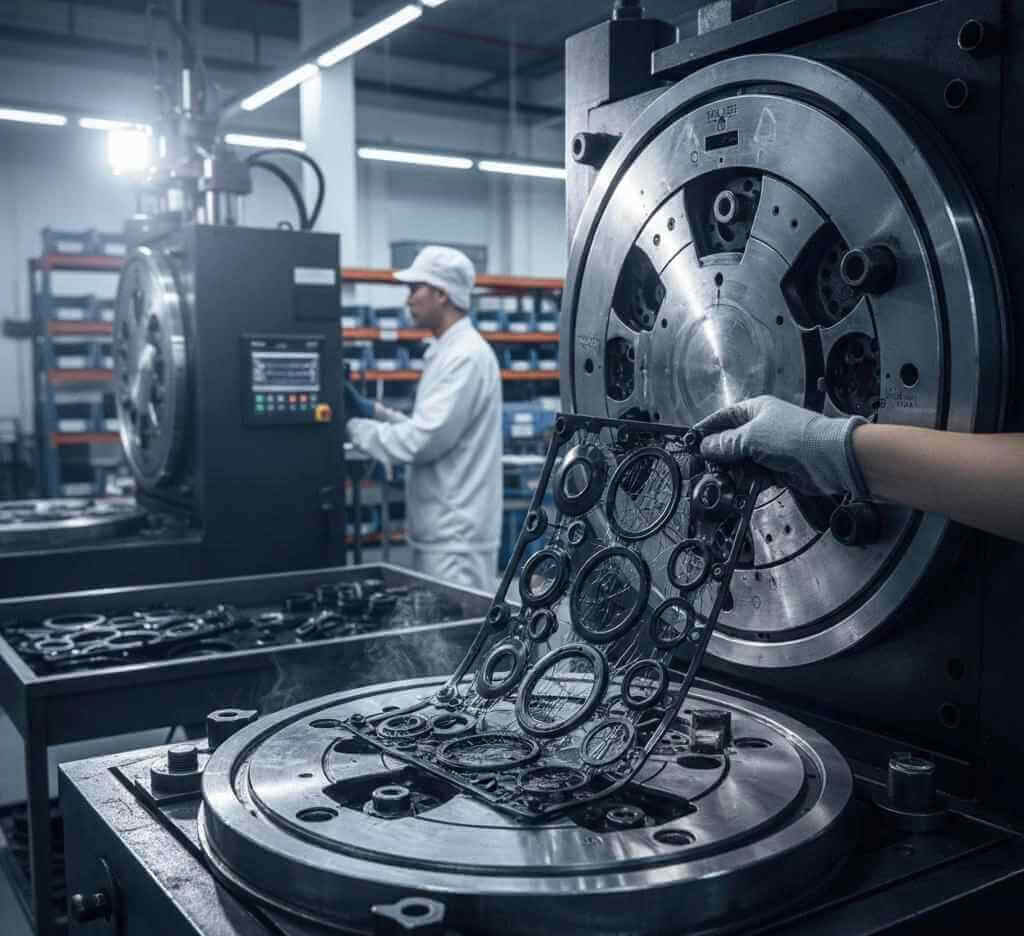
Swelling occurs when a material absorbs a substance, usually a liquid or gas, leading to an increase in volume. This is common in rubber components, like O-Rings & Rubber Sealing Rings , which can be affected by oils, fuels, or even moisture. Understanding the chemical interactions between materials helps engineers design better products.
High-Performance Solutions
- Material Selection: Choosing the right materials for inner and outer components reduces the risk of swelling.
- Coatings and Treatments: Applying protective coatings can enhance resistance against incompatible substances.
- Regular Maintenance: Keeping parts clean and well-maintained helps prevent the buildup of harmful substances.
Real-World Applications
In the automotive world, you'll find high-performance inner and outer components in various systems, from Steering Rack Boots to Shock Absorber Boots . These parts need to function smoothly in diverse environments, where exposure to different fluids is inevitable. For instance, if a rubber boot isn't compatible with certain engine oils, it could swell, leading to leaks or even failure.
Brand Insights: Guanghua
Take brands like Guanghua, who specialize in creating high-quality automotive parts. They focus heavily on material science to ensure that their CV Joint Boots and similar products don’t succumb to swelling issues. Their rigorous testing guarantees that the products maintain integrity under stress.
Preventative Measures
So, how can we effectively prevent swelling? Here are a few tips:
- Regularly inspect your vehicle's components for signs of wear or swelling.
- Use lubricants that are known to be compatible with your specific materials.
- Stay informed about new advancements in material technology that may provide better performance.
The Impact on Performance
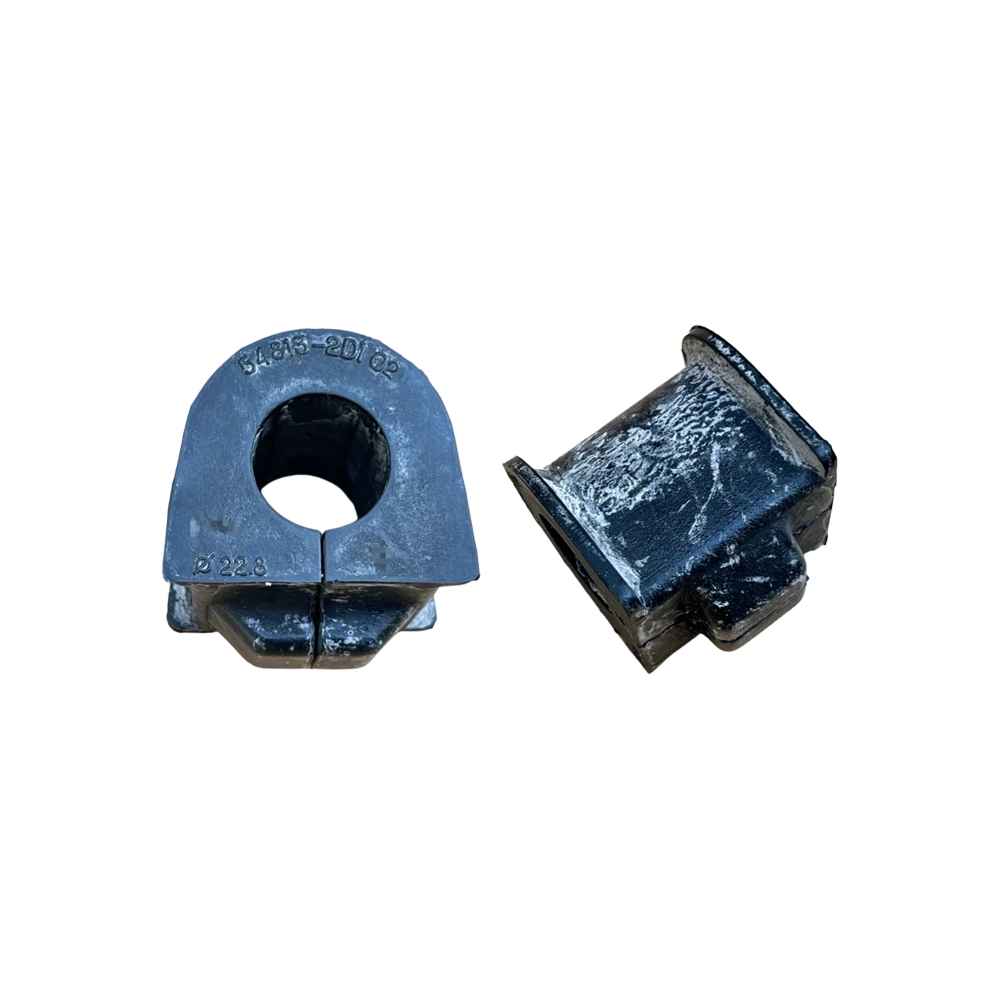
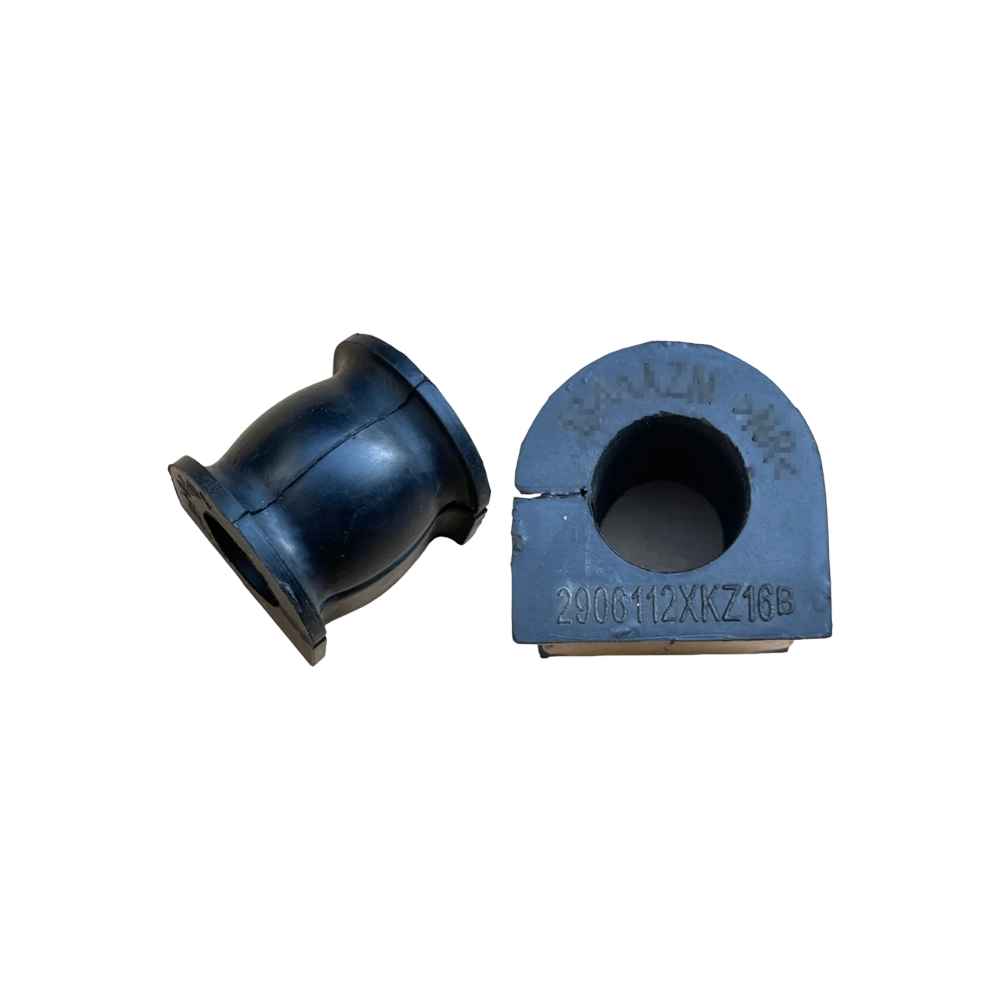
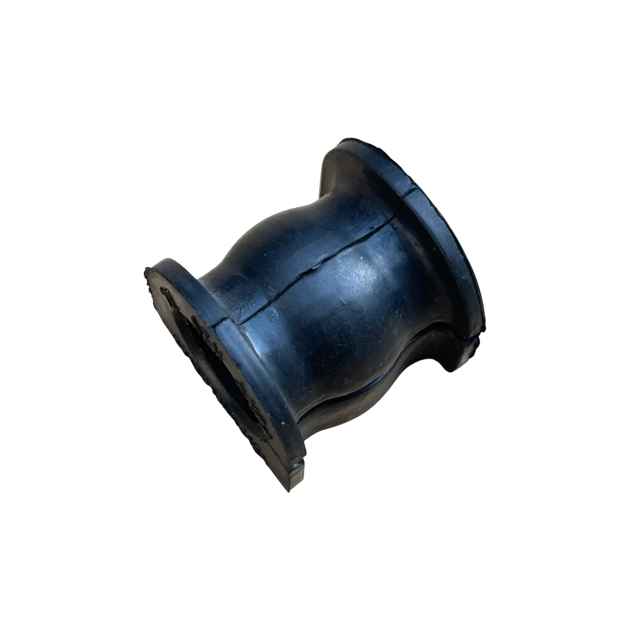
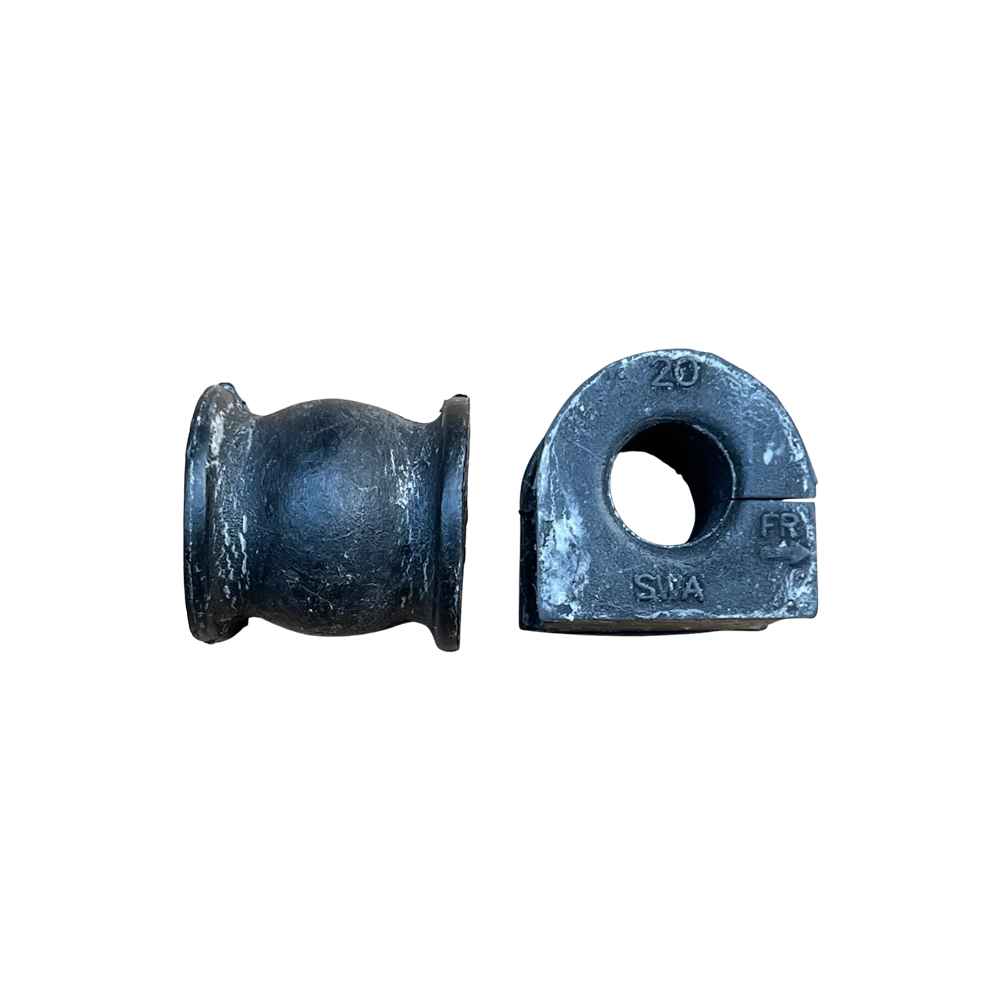
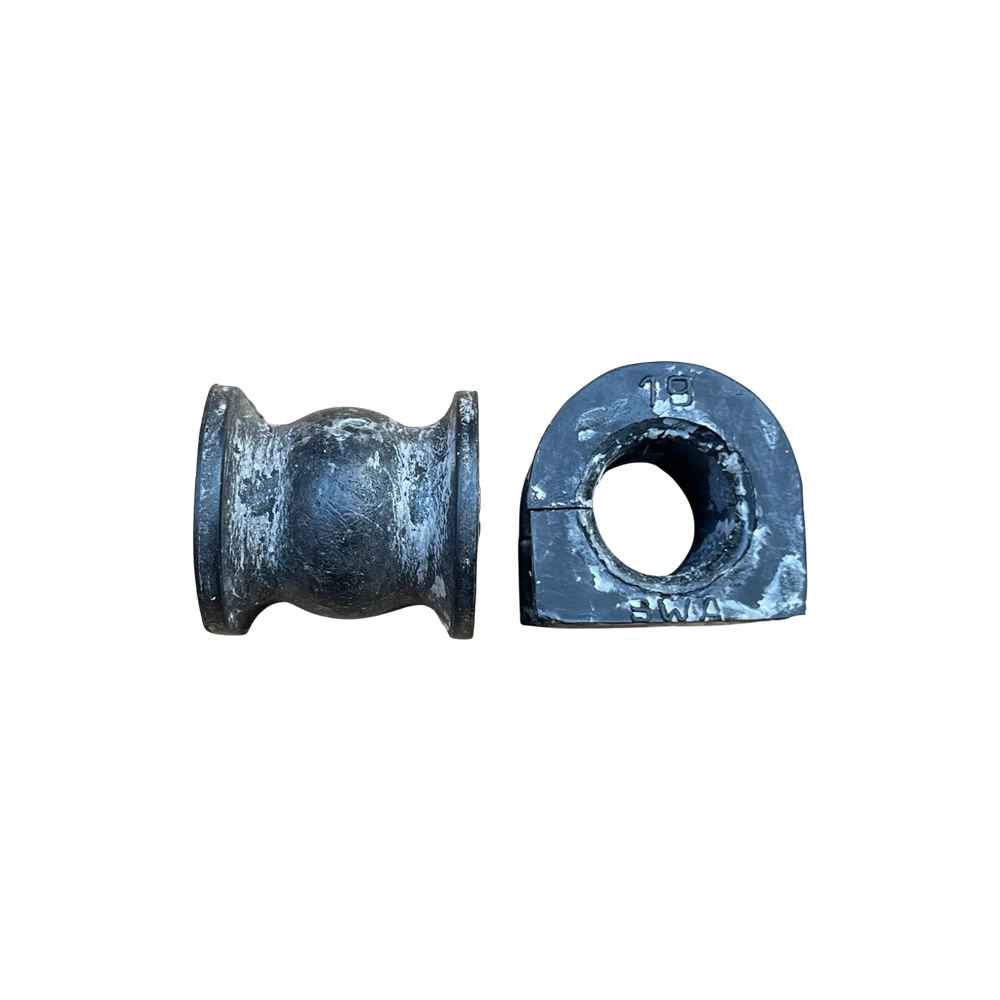
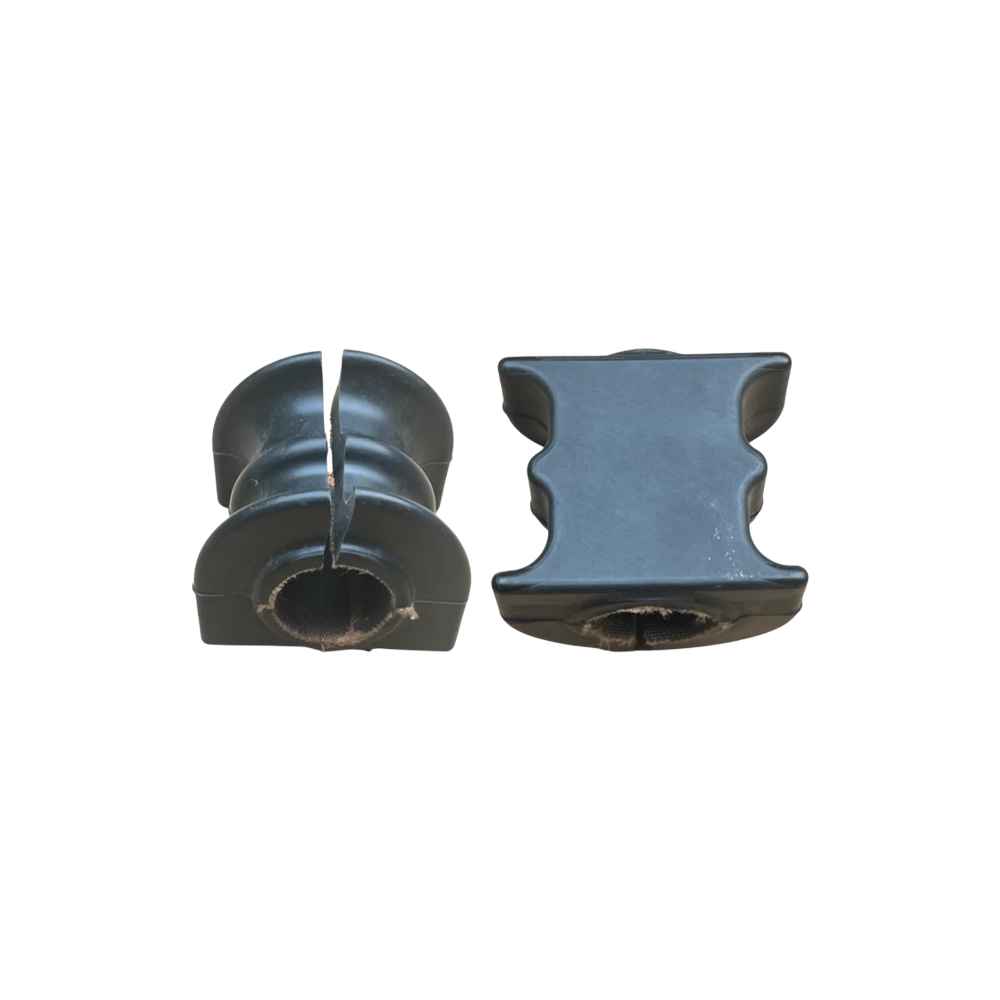
Incompatible material swelling doesn’t just cause immediate problems; it can also affect overall vehicle performance. Let's say a stabilizer bar bushing swells due to improper material choice—this can lead to increased play in the suspension system, affecting ride quality and safety.
Case Study: Steering Rack Boots
Consider the steering rack boots. If they swell, they might not seal properly, allowing contaminants to enter the rack and causing significant damage. Engineers focus on durable materials that can resist swelling while still allowing for flexibility and movement. The intersection of durability and flexibility is key here!
The Future of Material Technology
As technology advances, so does the development of materials designed to combat the issue of swelling. New polymers and composites that resist absorption and chemical reactions are being explored. We might even see smart materials that adapt to their environment, providing real-time feedback on their condition.
Conclusion: Stay Ahead of the Curve
Being proactive about material compatibility can save you time and money down the road. Whether you're a DIY enthusiast or an industry professional, keeping up with innovations and understanding the characteristics of your materials will help you avoid the pitfalls of swelling and degradation.