Understanding Material Compatibility
In the realm of automotive components, ensuring that materials used in seals and sleeves are compatible is paramount. This compatibility not only prevents premature wear but also mitigates the risk of swelling, which can lead to significant performance issues.
The Role of High-Performance Strut Dust Sleeves
Strut dust sleeves serve a critical function by protecting sensitive suspension components from environmental contaminants. Made typically from high-quality rubber compounds, these sleeves must be carefully designed to resist degradation from exposure to dirt, moisture, and temperature fluctuations.
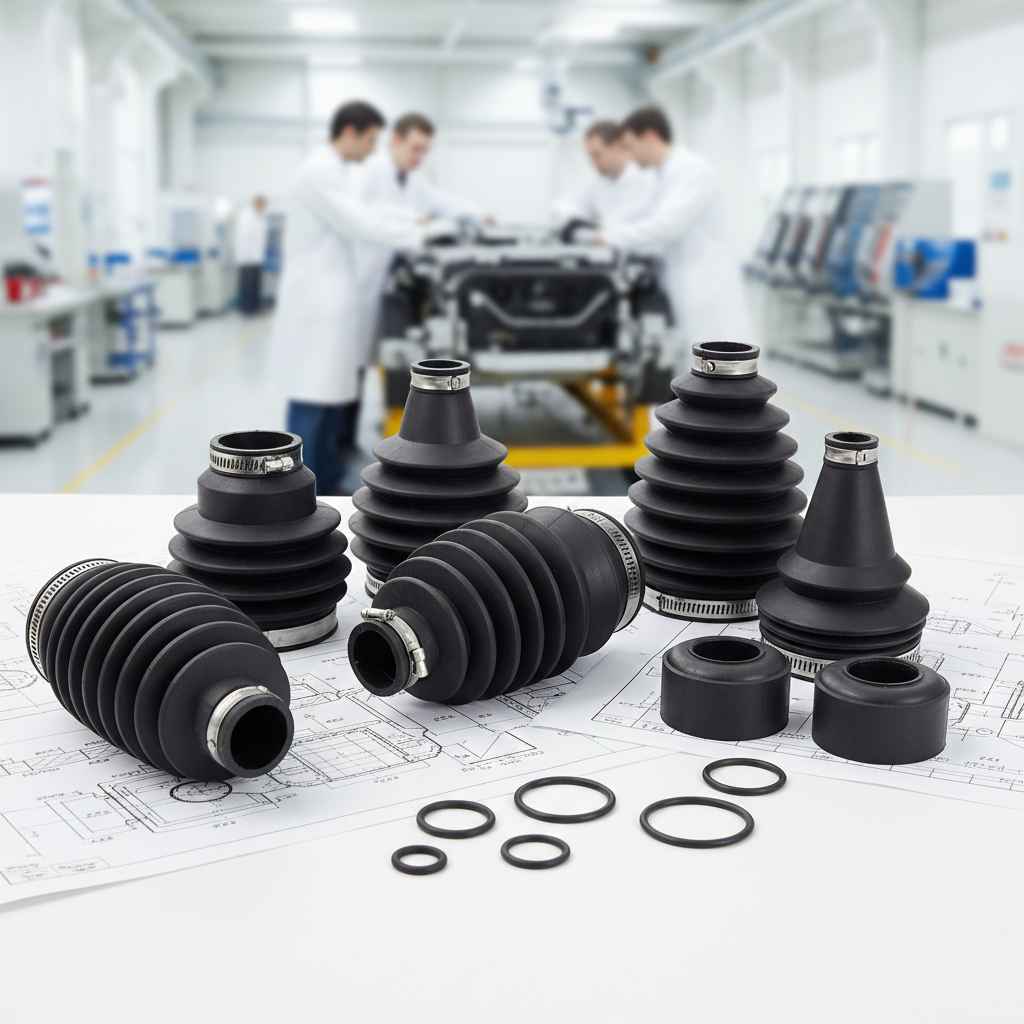
When constructed with advanced rubber formulations, such as those developed by brands like Guanghua, strut dust sleeves exhibit remarkable resilience against material swelling. This property allows them to maintain their structural integrity even when faced with incompatible substances.
Importance of O-Ring Seals
O-rings are ubiquitous in various automotive applications due to their simple design yet effective sealing capabilities. When selecting O-rings for specific applications, it is essential to consider the chemical compatibility of the rubber material with the fluids they will encounter. Incompatible materials can swell, leading to leaks and system failures.
- Fluids such as oils, fuels, and antifreeze require specific O-ring materials to prevent swelling.
- The cross-sectional shape of an O-ring plays a vital role in its ability to create an effective seal under varying pressures.
- Temperature resistance is equally important, as excessive heat can exacerbate material degradation.
Preventing Swelling in Automotive Components
To prevent issues such as swelling, a thorough understanding of material properties is necessary. Several methods can be employed:
- Material Selection: Choosing the right type of rubber, such as nitrile or fluorocarbon, based on the application's fluid characteristics.
- Regular Maintenance: Routine checks can identify any signs of wear or swelling before they result in failure.
- Quality Assurance: Sourcing components from reputable suppliers who adhere to strict manufacturing standards ensures longevity and reliability.
Additional Components in Suspension Systems
Beyond strut dust sleeves and O-rings, other related components play crucial roles in vehicle suspension systems. Steering Rack Boots , for instance, protect steering mechanisms from debris and moisture, while Shock Absorber Boots safeguard shock absorbers from external elements. These components typically utilize similar high-performance materials to ensure durability and functionality.
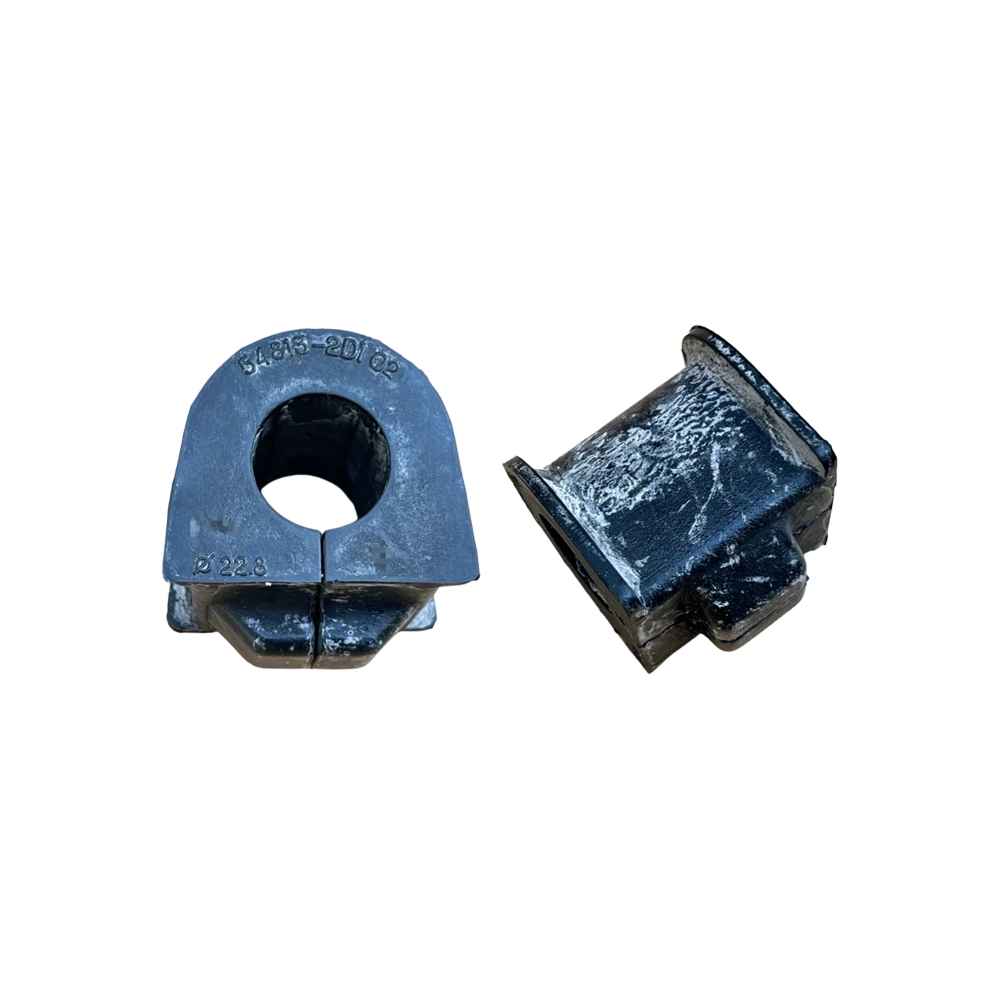
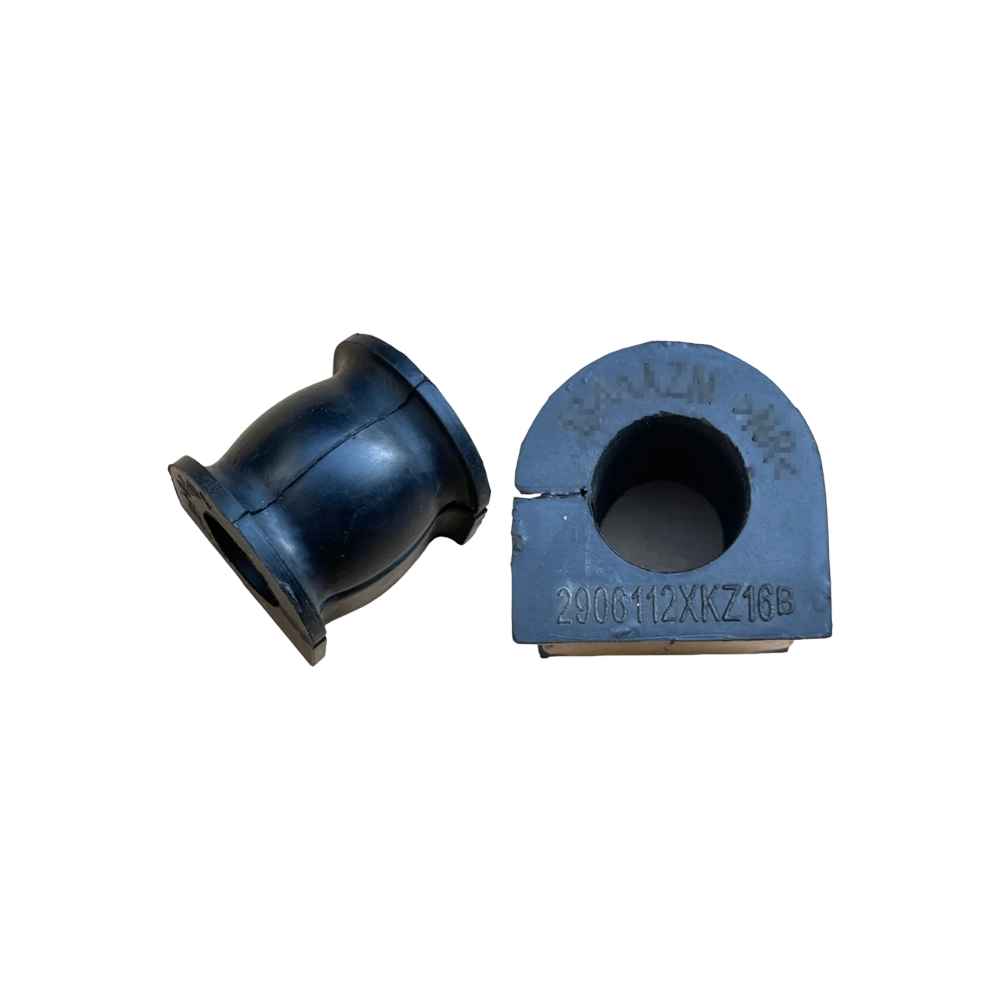
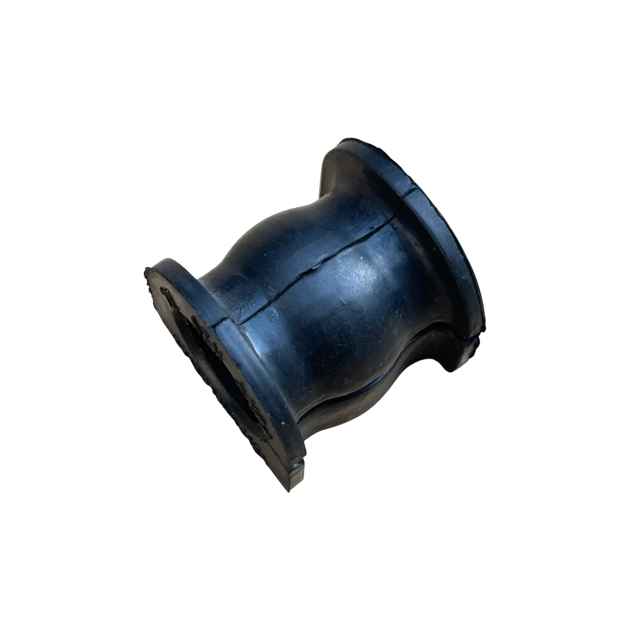
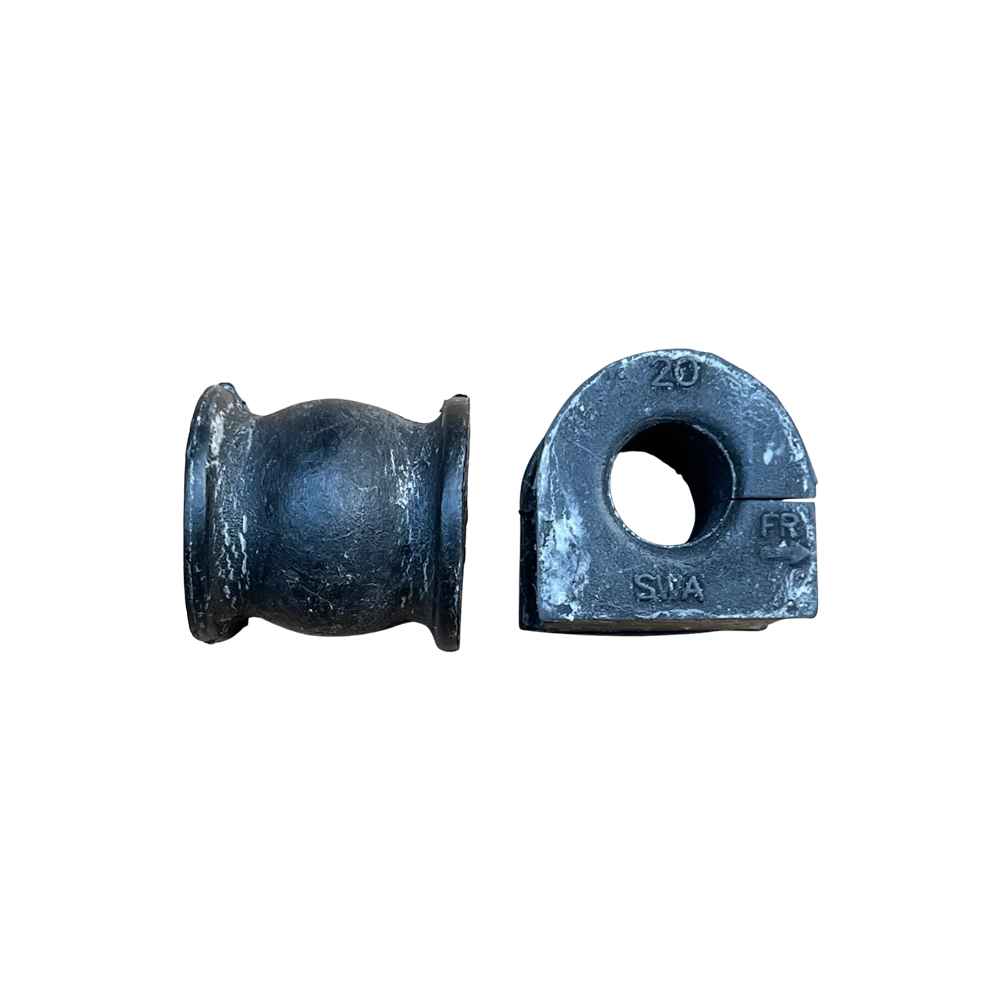
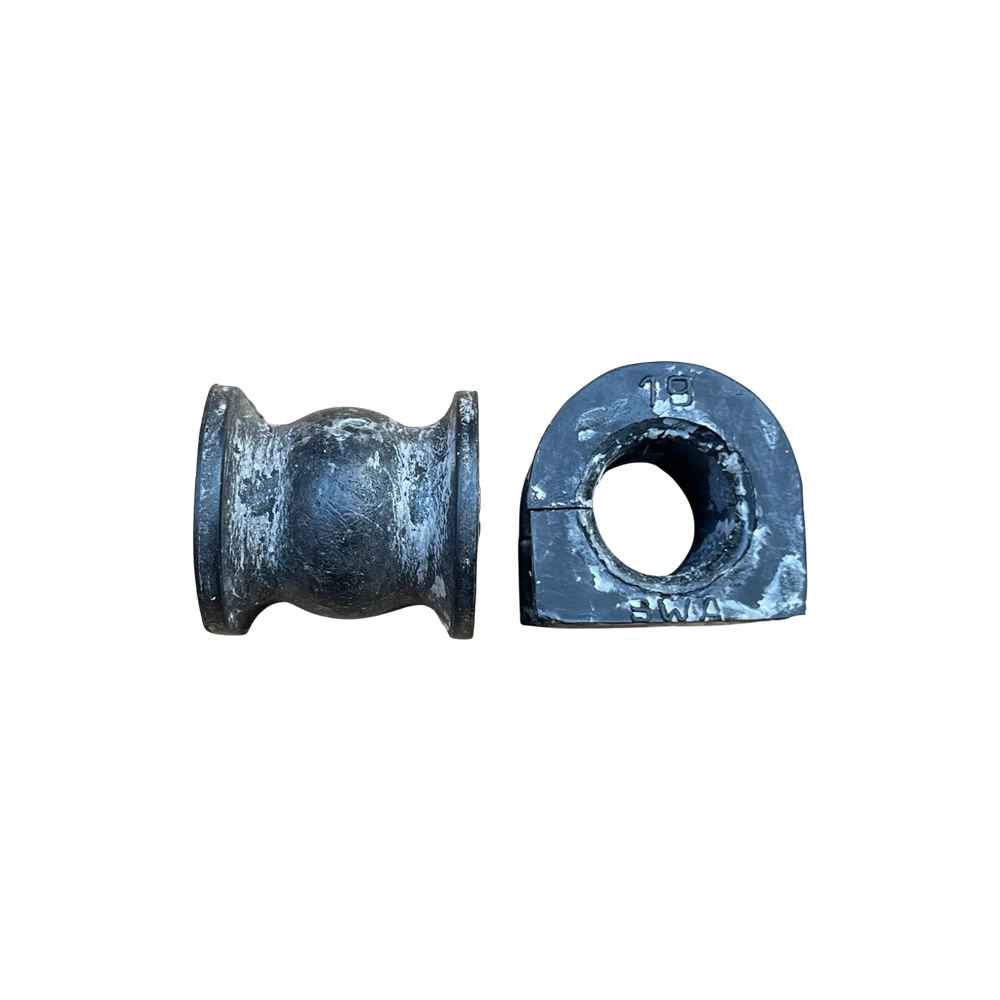
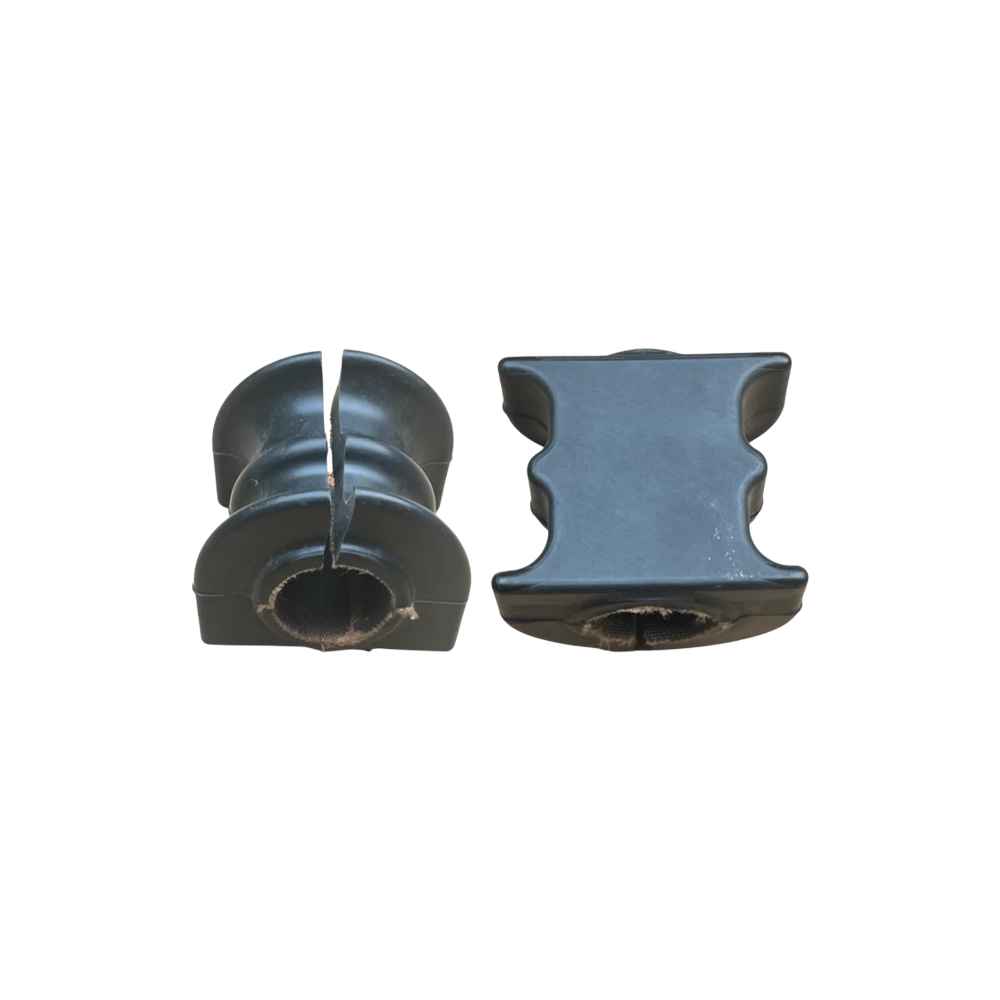
Furthermore, Stabilizer Bar Bushings are essential for maintaining the stability of a vehicle during turns. They also require careful consideration regarding material compatibility to avoid swelling and subsequent loss of effectiveness.
Innovation in Rubber Part Manufacturing
Chinese manufacturers have made significant advancements in the production of rubber auto parts, particularly through the use of modern techniques and quality control processes. Factories like Guanghua leverage cutting-edge technology to produce high-performance strut dust sleeves and O-ring seals that meet international standards.
This commitment to quality not only enhances the longevity of automotive components but also contributes to the overall safety and efficiency of vehicles on the road.
Conclusion
By emphasizing the importance of material compatibility and investing in high-performance rubber components, automotive manufacturers can greatly reduce the risks associated with incompatible material swelling. The implementation of robust seals and sleeves, complemented by diligent maintenance practices, ultimately leads to improved vehicle performance and extended component lifespan.