Understanding Oil Seepage and Leakage in Hydraulic Steering Systems
Hydraulic steering systems have become an integral component of modern vehicles, enhancing maneuverability and control. However, the risk of oil seepage and leakage poses a significant challenge, potentially leading to compromised performance and safety concerns.
The Mechanics Behind Hydraulic Steering
In hydraulic steering, pressurized fluid is used to assist in turning the wheels. This system comprises various components, including a pump, hoses, and a steering rack. The seamless operation relies heavily on the integrity of these parts; thus, any breach can result in fluid loss, making it crucial to understand how to prevent such issues.
Common Causes of Oil Leakage
- Wear and Tear: Over time, seals and boots may degrade due to constant movement and exposure to heat, ultimately leading to leakage.
- Improper Installation: If components like CV Joint Boots or Steering Rack Boots are not correctly installed, they might fail to contain the hydraulic fluid effectively.
- Corrosion: Environmental factors can cause corrosion in metal components, which may lead to cracks and leaks.
High-Performance Components for Leak Prevention
Utilizing high-performance components is critical in preventing oil seepage in hydraulic steering systems. Brands like Guanghua offer advanced sealing solutions designed to withstand the rigors of everyday use.
- O-Rings & Rubber Sealing Rings : These components create tight seals that prevent fluid from escaping, ensuring optimal performance.
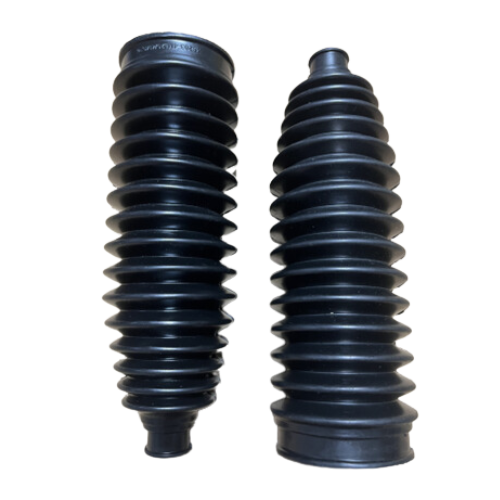
- Steering Rack Boots: They protect vital steering components by providing a barrier against dirt and moisture that could compromise their function.
- Shock Absorber Boots: By cushioning shocks and vibrations, these boots help maintain the integrity of the hydraulic system, further reducing the risk of leakage.
Maintenance Practices to Mitigate Risks
Regular maintenance is paramount for preventing oil seepage and leakage in hydraulic steering systems. Key practices include:
- Routine Inspections: Periodically inspect all hydraulic components for signs of wear, particularly O-rings and rubber sealing rings.
- Fluid Level Checks: Regularly monitor hydraulic fluid levels and top up as necessary to avoid low-pressure situations that can exacerbate leakage.
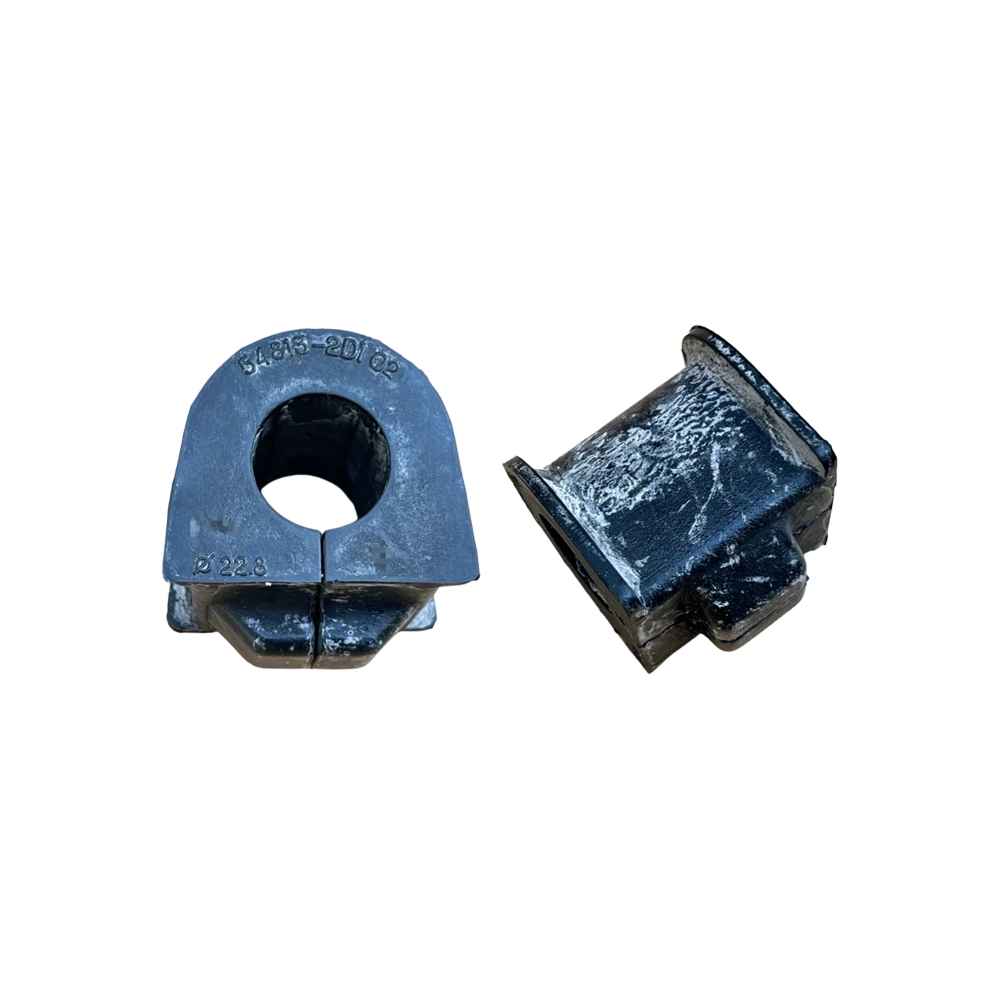
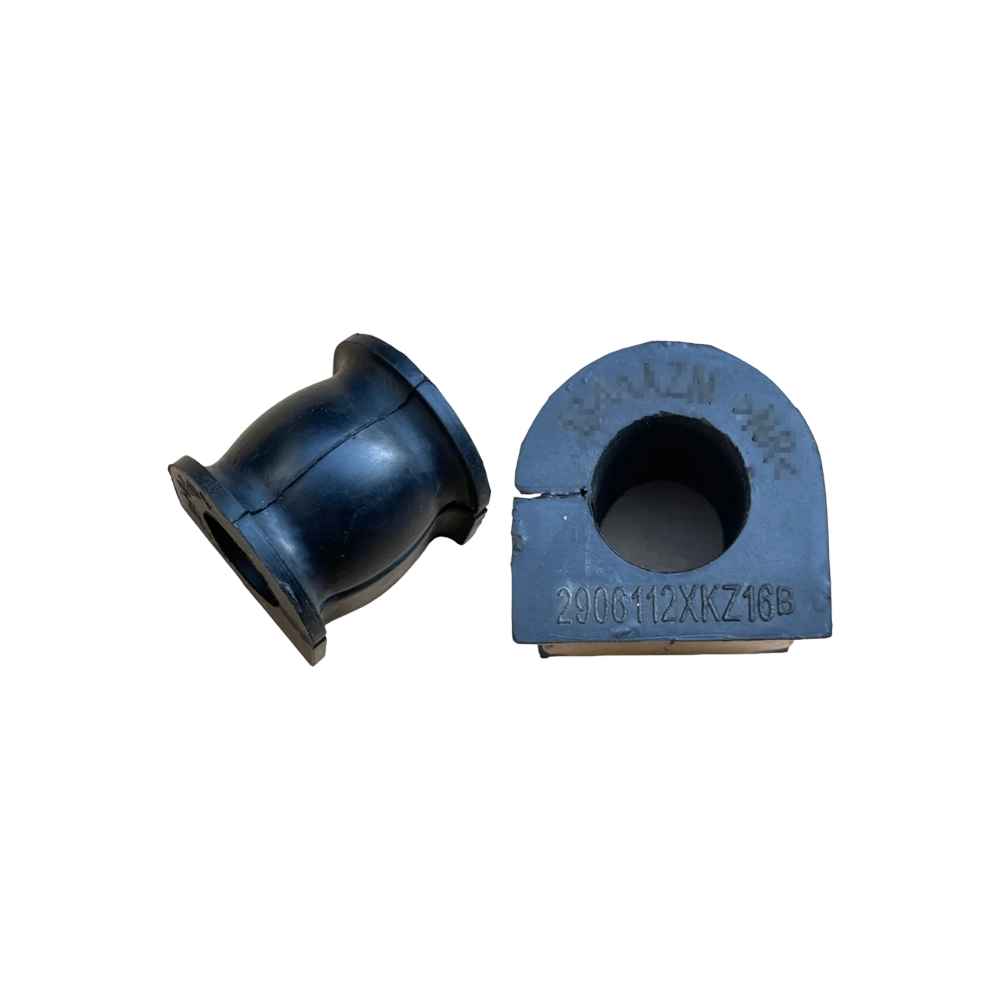
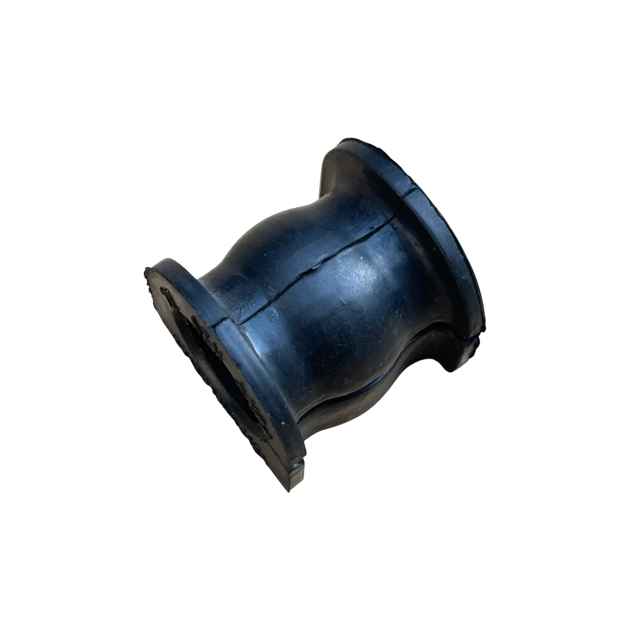
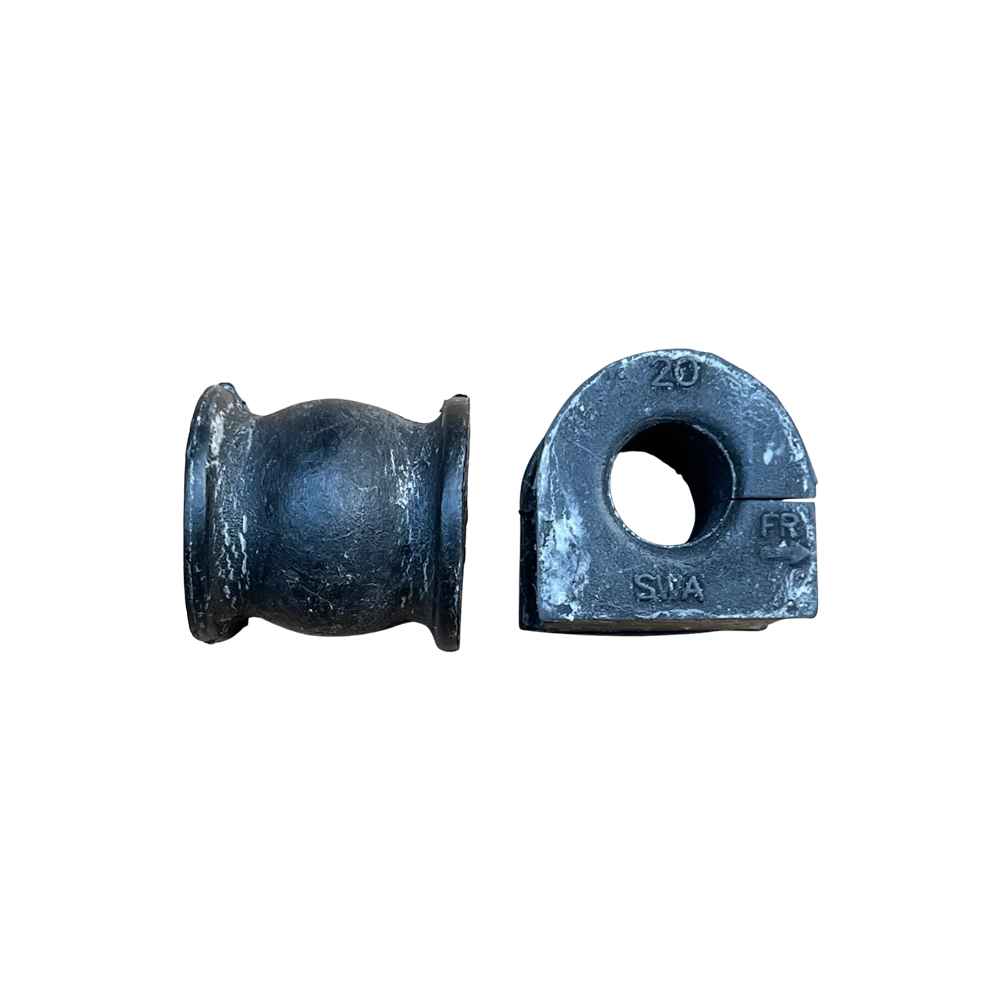
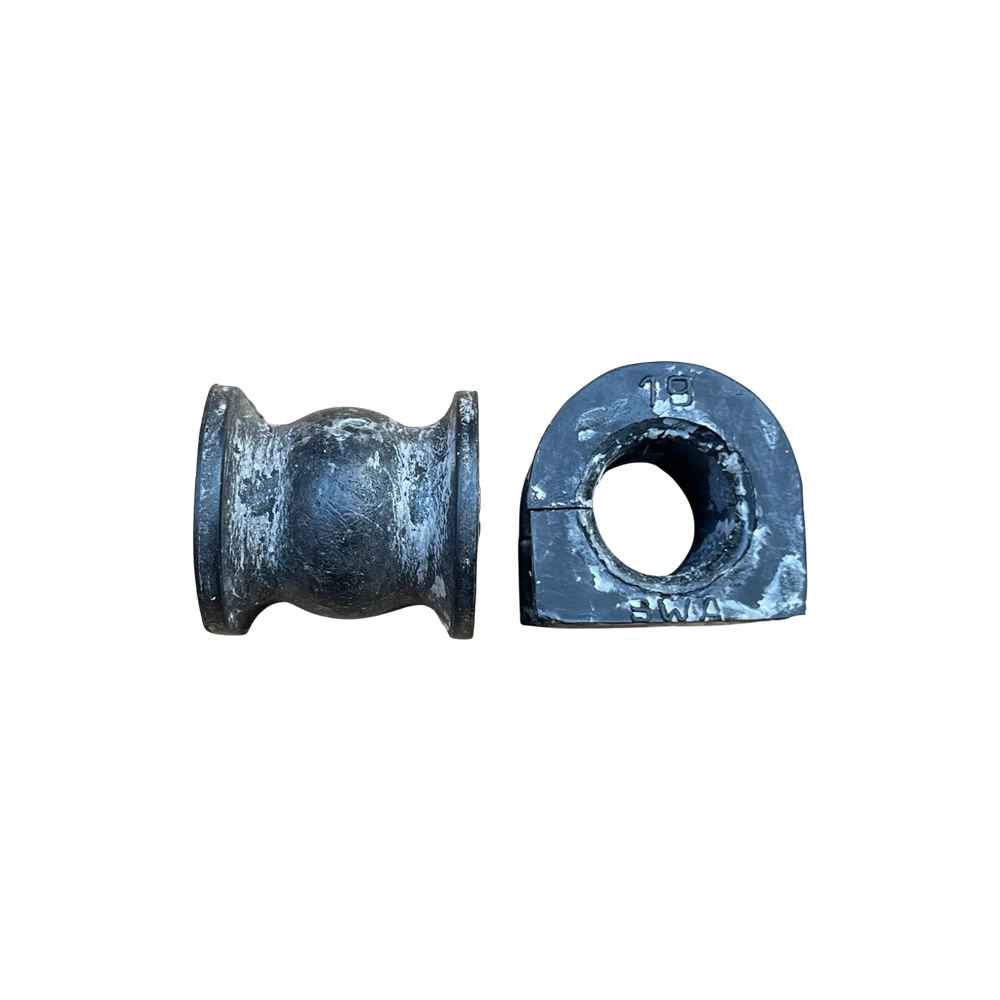
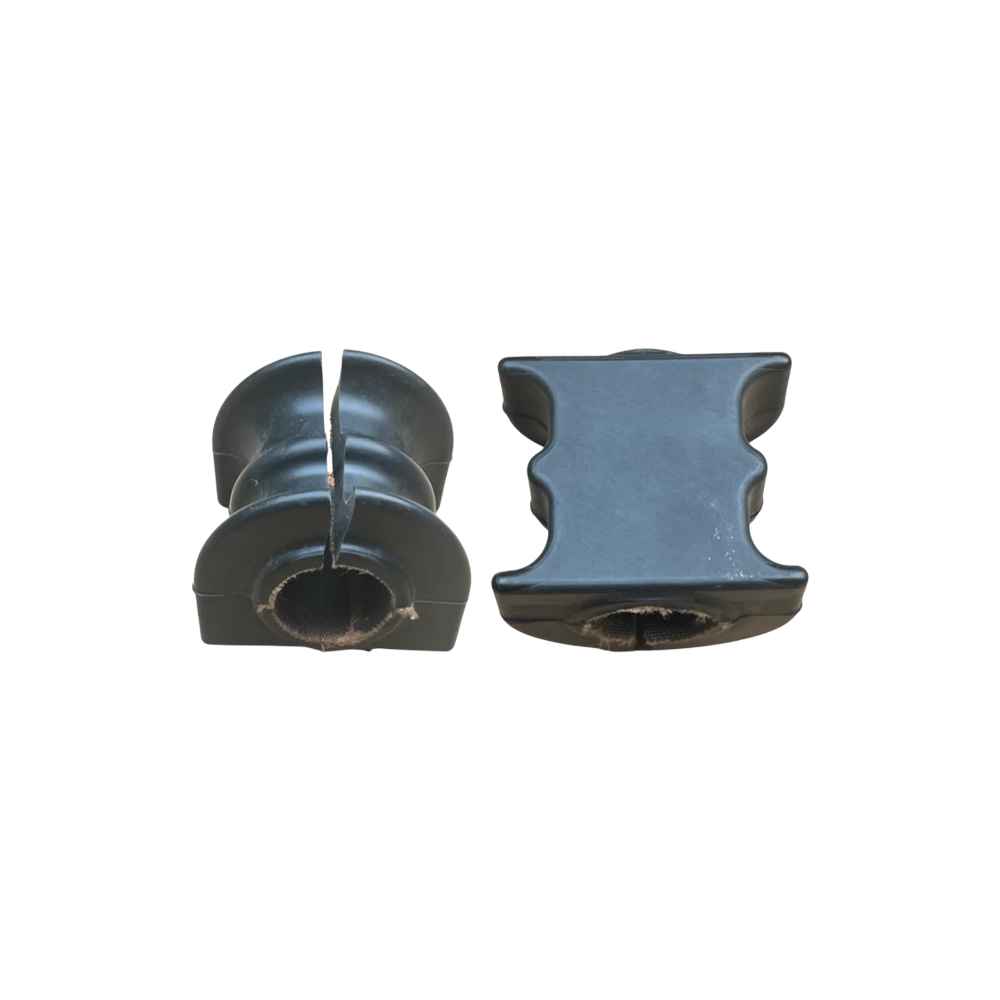
- Component Replacement: Replace worn-out parts, such as stabilizer bar bushings and valve cover gaskets, promptly to maintain system integrity.
Signs of Oil Leakage
Recognizing the signs of oil leakage early can save vehicle owners from more extensive repairs down the line. Common indicators include:
- Puddles or Drips: Noticeable pools of hydraulic fluid beneath the vehicle are often the first sign of trouble.
- Steering Difficulty: A sudden increase in steering resistance may indicate a fluid loss affecting hydraulic pressure.
- Unusual Noises: Grinding or whining sounds while steering can signal a failing hydraulic component due to insufficient lubrication.
Conclusion
Preventing oil seepage and leakage in hydraulic steering systems requires a multifaceted approach—combining quality components, regular maintenance, and prompt attention to potential issues. By adopting these practices and utilizing high-performance products, such as those offered by Guanghua, vehicle owners can significantly enhance the longevity and reliability of their steering systems.