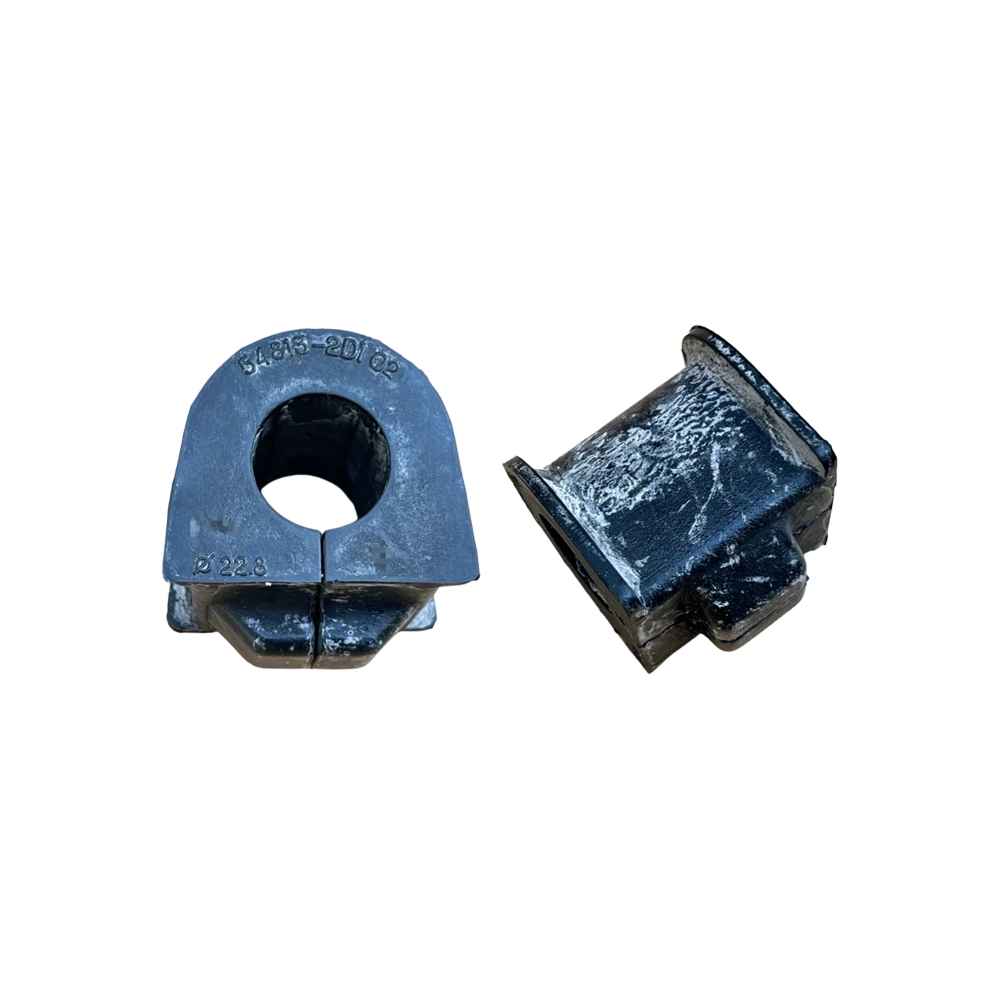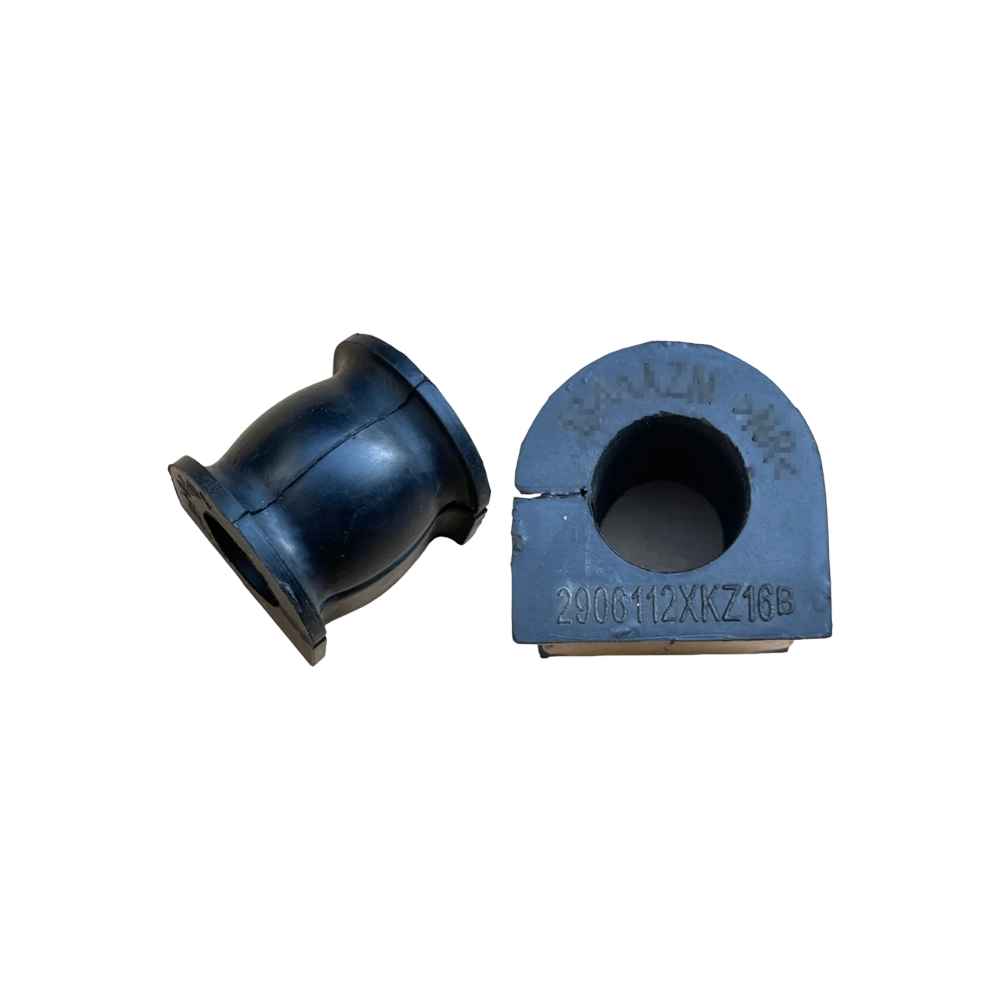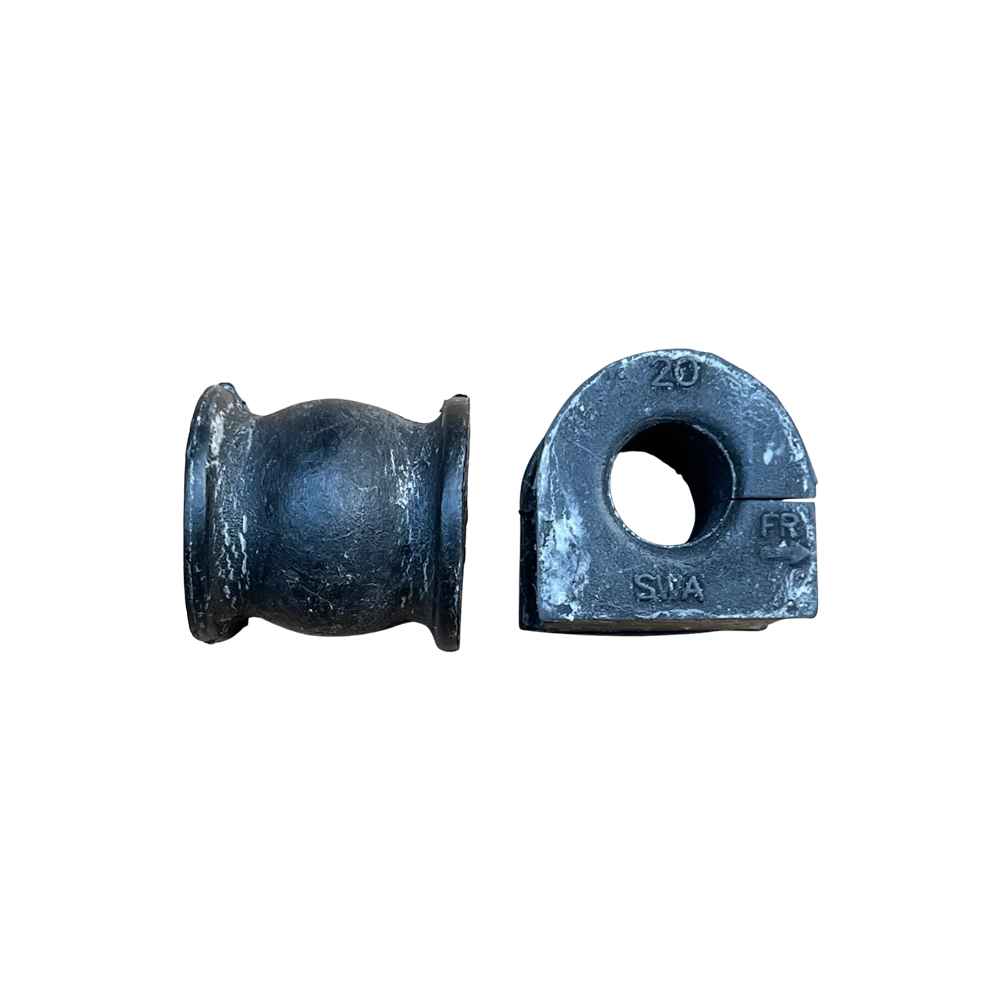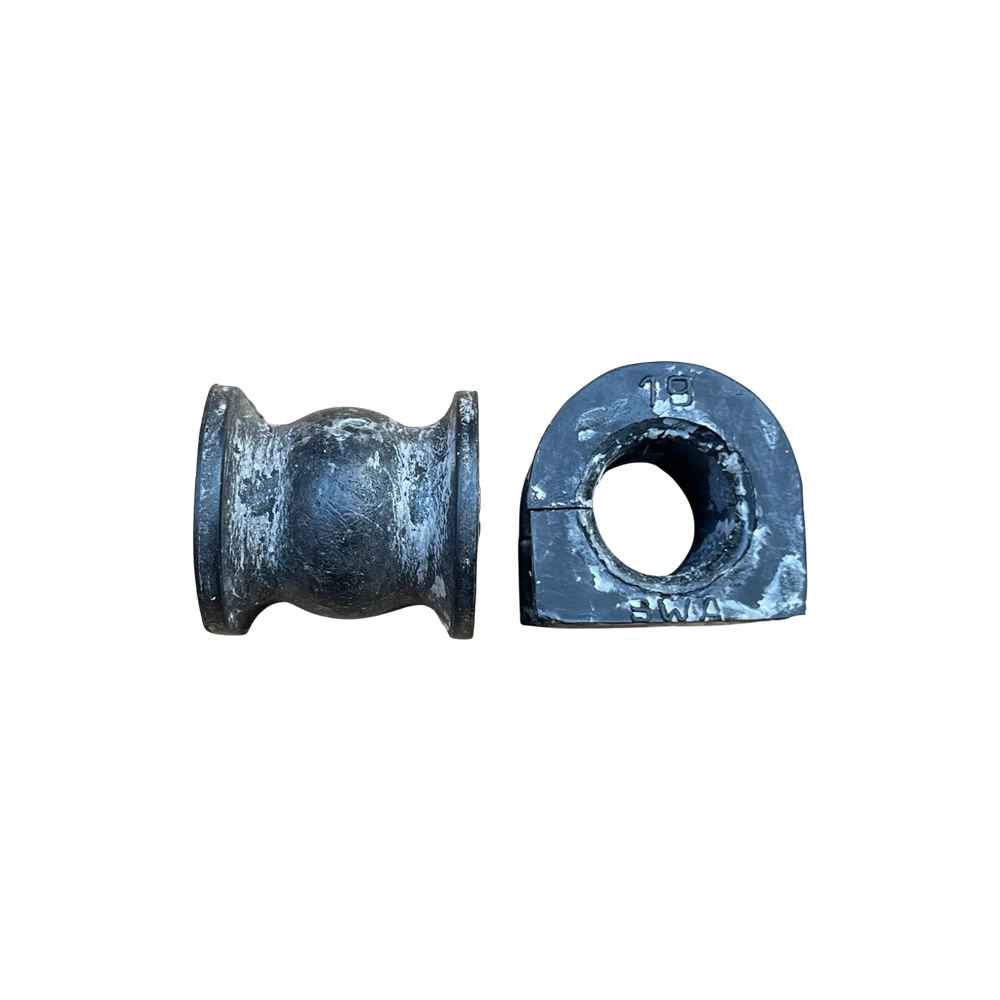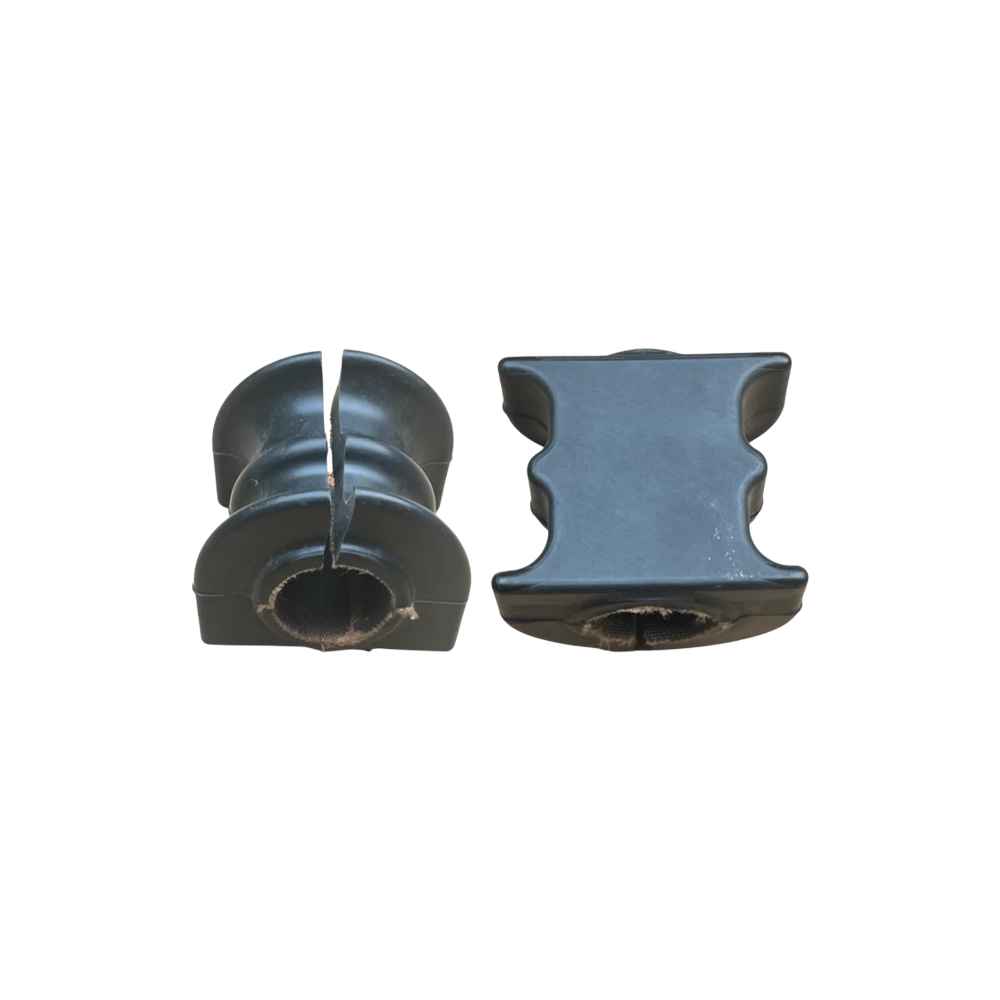
Understanding Rack and Pinion Boots
The rack and pinion system is fundamental to modern steering mechanisms. The boots protecting these systems, known as Steering Rack Boots , play a crucial role in maintaining the integrity of the assembly. They shield critical components from dirt and moisture, which can lead to premature wear or failure.
Performance Aspects
When it comes to performance, Steering Rack Boots are designed to withstand constant movement and stress. Their flexible nature allows them to expand and contract as the steering wheel is turned. If these boots are compromised, it can significantly affect vehicle handling and responsiveness. In fact, a damaged boot could lead to steering fluid leaks, which places additional strain on the entire steering system.
Durability Factors
In terms of durability, Steering Rack Boots are constructed from high-quality rubber that can resist harsh environmental conditions. Many manufacturers, including Guanghua, prioritize using materials that prevent cracking and deterioration over time. While they are built to last, exposure to road salts and UV rays can still take a toll.

Insights into CV Joint Boots
On the other hand, CV joint boots serve a different purpose. These boots guard the constant velocity joints, which are essential for transferring power from the engine to the wheels at various angles. Damage to a CV joint boot can result in grease leakage, leading to increased friction and potential joint failure.
Performance Characteristics
CV joint boots must maintain a seal under varying operating conditions. Unlike steering rack boots, which primarily deal with linear movement, CV joint boots need to accommodate lateral movements as well. This makes their design more intricate. A torn CV boot may not immediately affect performance, but the long-term consequences can be severe, often resulting in costly repairs if not addressed promptly.
Durability Considerations
Durability for CV joint boots is similarly crucial, as they are also subject to extreme conditions. They are generally made from robust rubber compounds, which help protect against abrasions and heat generated during operation. However, like steering rack boots, they can also suffer from exposure to elements like road debris and adverse weather conditions. Regular inspection is advisable to catch any early signs of wear.
Cost Comparison
When evaluating the cost of steering rack boots versus CV joint boots, several factors come into play. Steering rack boots are typically less expensive than CV joint boots. Installation costs might vary, as labor rates can differ depending on the complexity of the replacement procedure. Generally, replacing a CV joint boot may require more labor-intensive work compared to simply swapping out a steering rack boot.
- Steering Rack Boots: Usually range from $10 to $30 each. Labor costs for installation can be around $100 to $150.
- CV Joint Boots: Typically priced between $15 to $50 each, with installation labor potentially costing upwards of $200 due to the complexity.
Key Differences in Summary
To recap, the primary differences between rack and pinion boots and CV joint boots lie in their function, performance requirements, durability, and cost. Steering rack boots focus on protecting the steering mechanism while ensuring smooth handling. In contrast, CV joint boots are essential for power transfer efficiency, with a heightened emphasis on sealing integrity.
Ultimately, regular maintenance and timely replacement of both types of boots are crucial for vehicle longevity. Neglecting either can lead to far more expensive issues down the line. Whether you opt for parts from reliable brands like Guanghua or others, always prioritize quality to ensure optimal performance and durability.