Understanding Suspension Rubber Parts
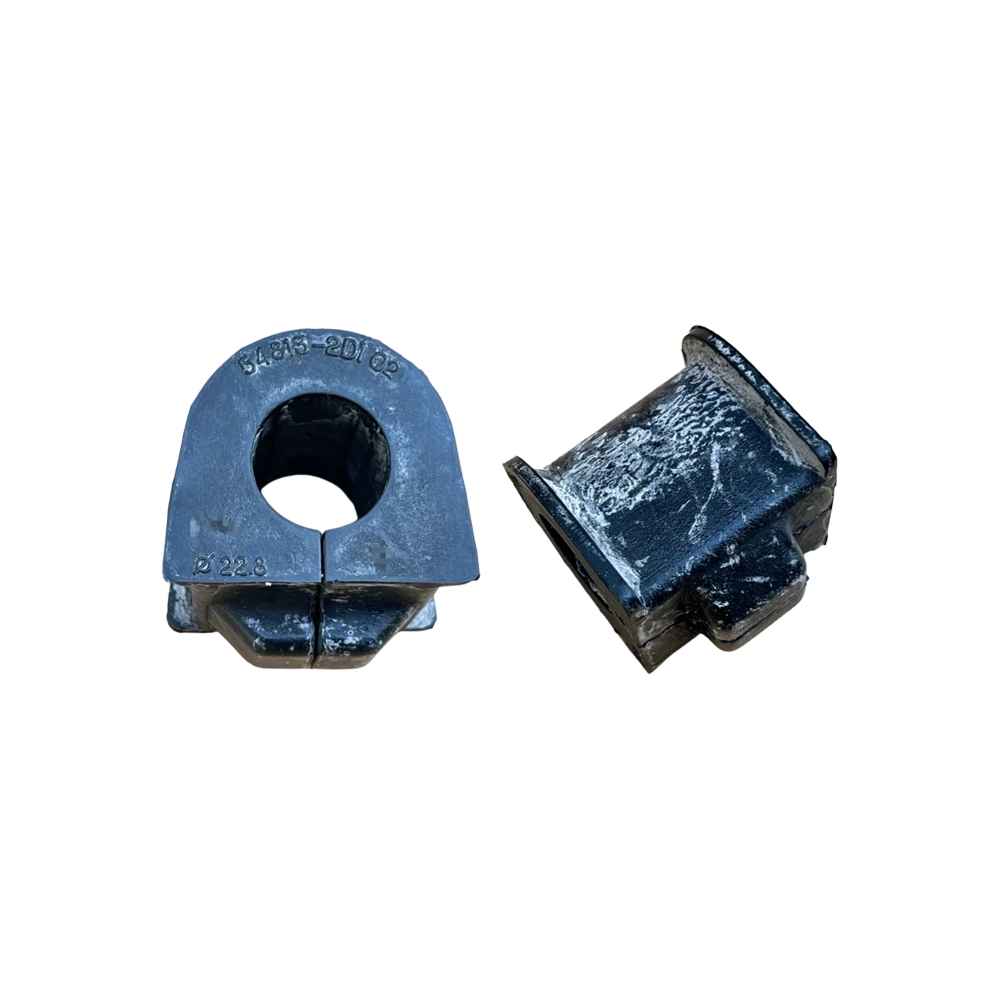
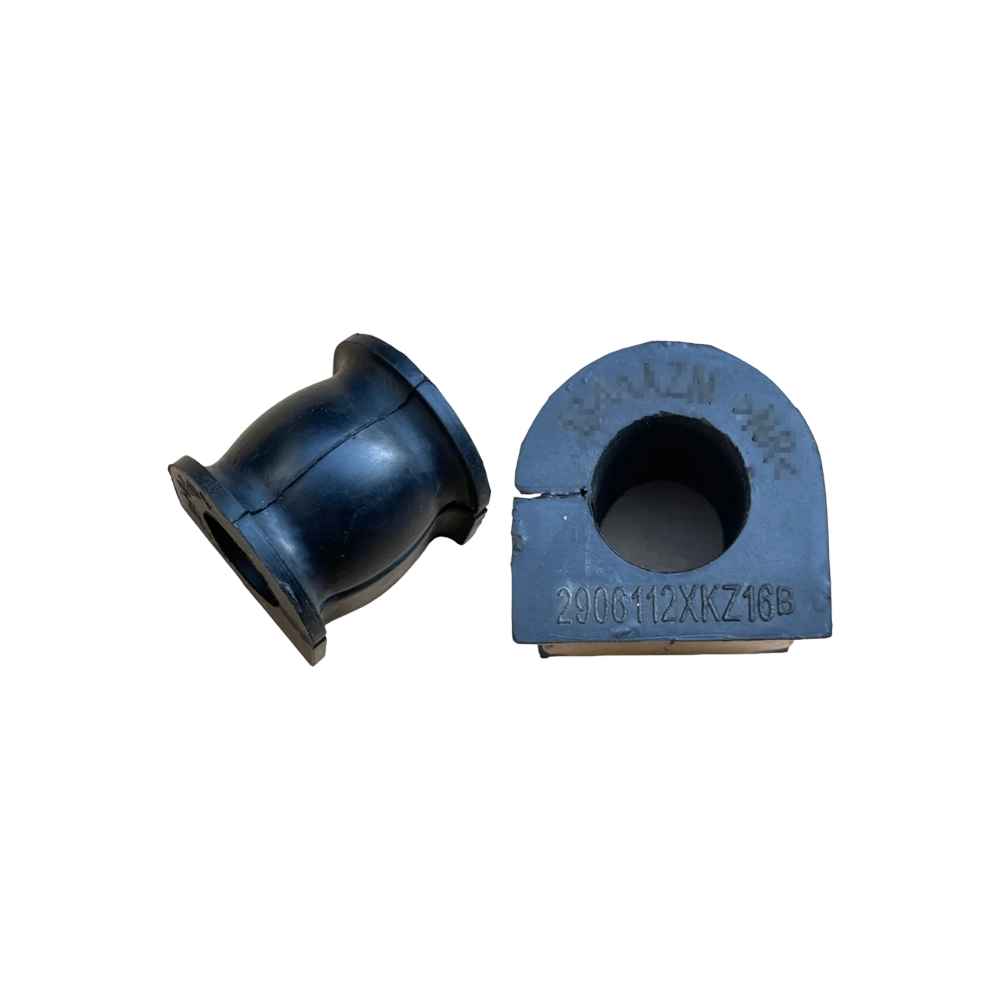
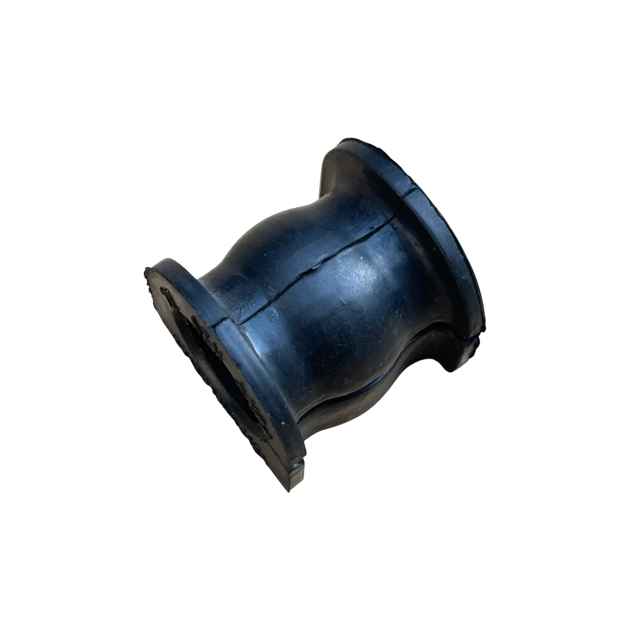
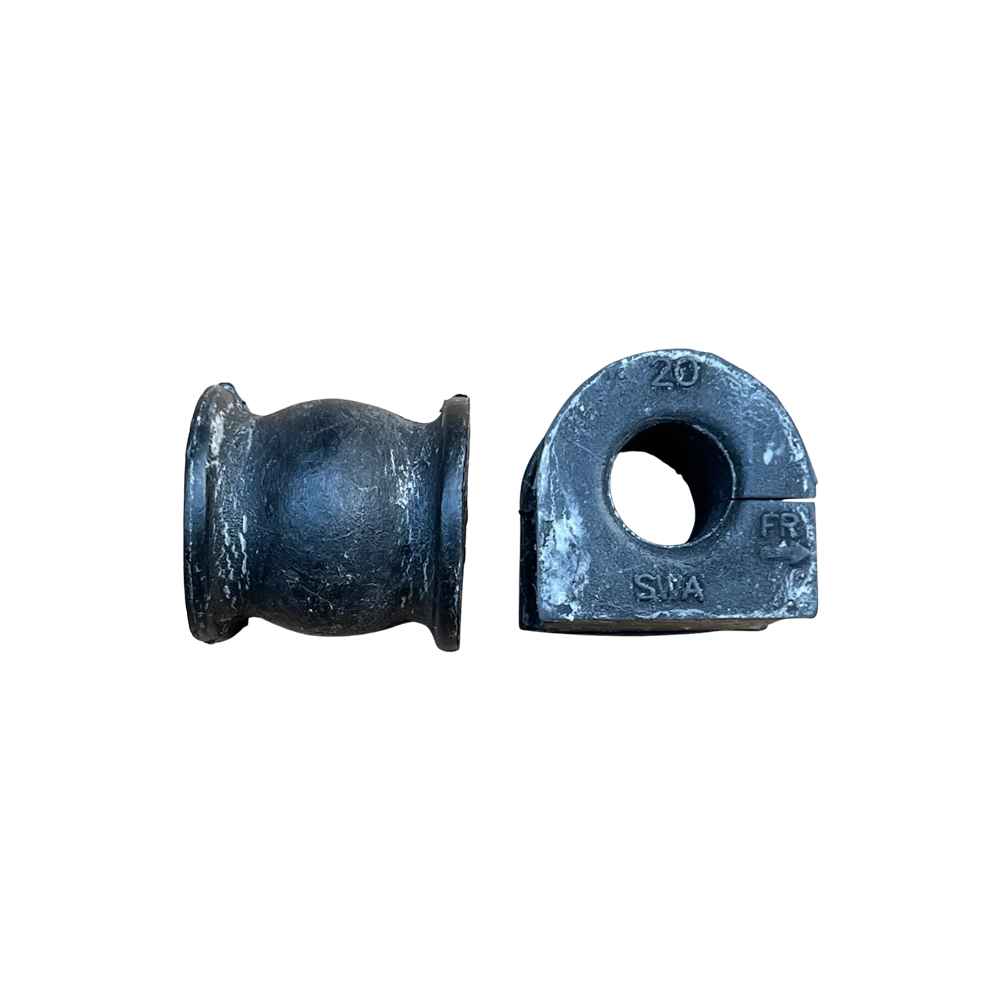
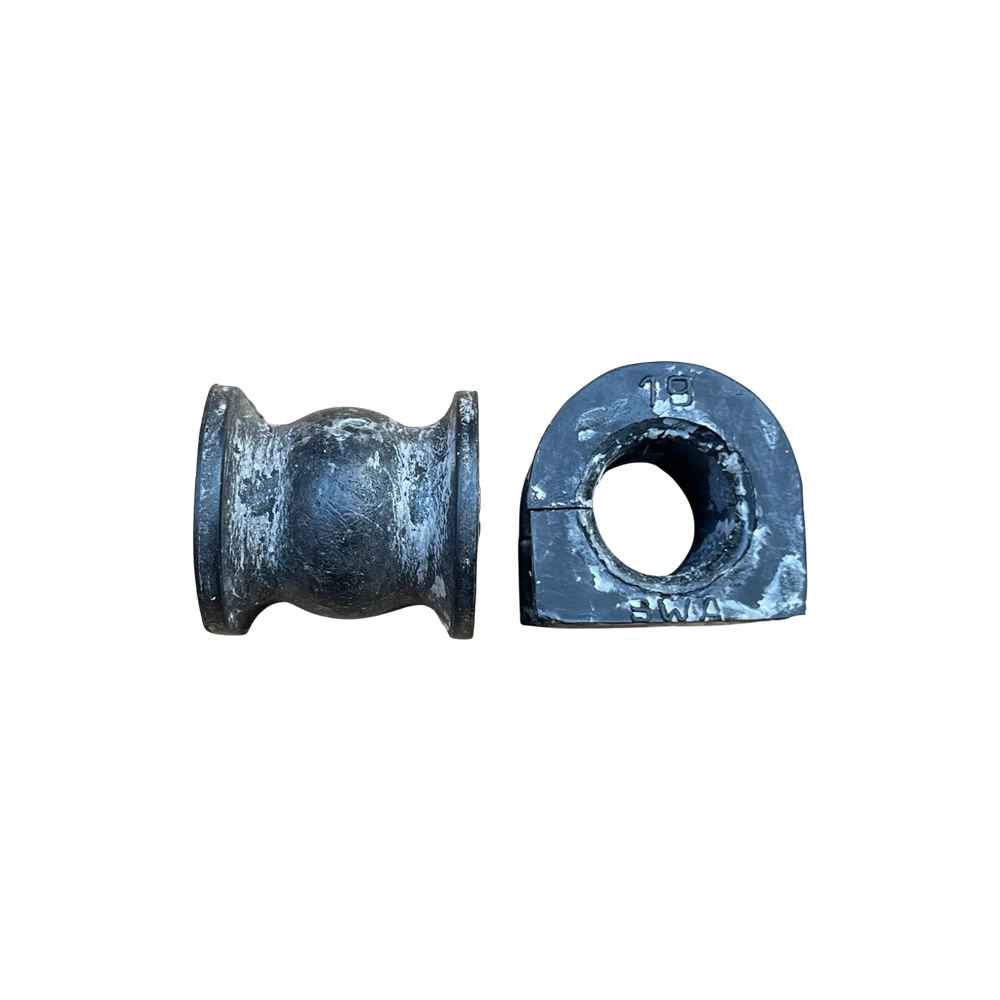
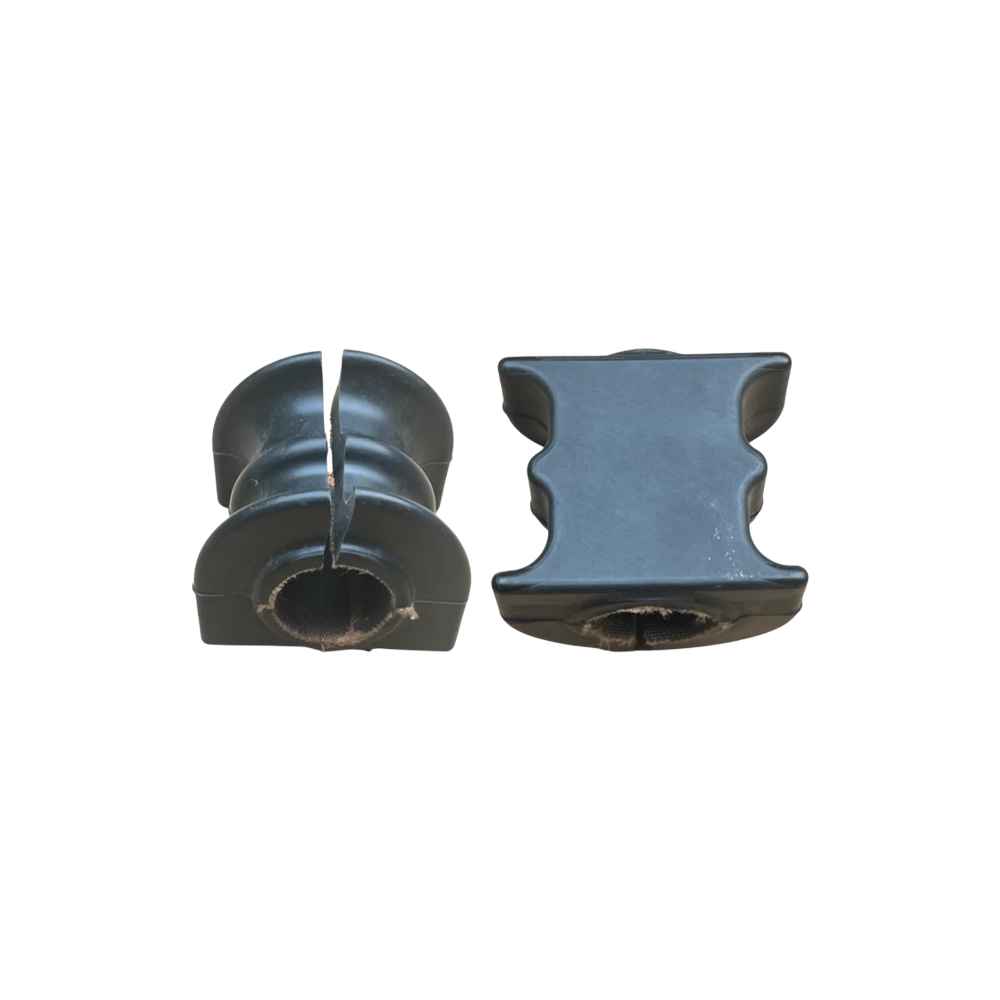
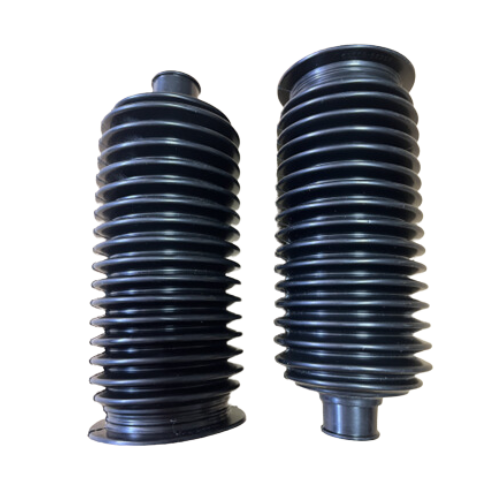
Suspension rubber parts are integral components in a vehicle's suspension system, designed to absorb shocks and vibrations while providing stability. These parts, which include various types such as CV Joint Boots , Steering Rack Boots , and Shock Absorber Boots , play a crucial role in ensuring ride comfort and handling performance.
Performance Aspects
The performance of suspension rubber parts can vary significantly based on their design and material composition. Typically, the effectiveness of these components is measured by their ability to dampen vibrations and impacts from the road surface. High-performance rubber parts often utilize advanced formulations that enhance their ability to withstand dynamic forces.
- Material Composition: The quality of rubber used can greatly influence performance. Synthetic rubbers tend to provide better resilience and longevity compared to natural rubber.
- Design Features: Innovative designs, like those found in certain brands such as Guanghua, may incorporate features that improve flexibility and reduce fatigue over time.
Differentiating Factors in Performance
When comparing different types of suspension rubber parts, it becomes evident that not all components are created equal. For instance, CV joint boots are specifically engineered to protect the inner workings of the constant velocity joints from contaminants, whereas shock absorber boots primarily safeguard the shock absorbers themselves from dirt and moisture.
Moreover, the response time and damping characteristics can also differ; some parts are designed for high-performance applications, requiring precise control under extreme conditions, while others are intended for everyday use, focusing on comfort rather than agility.
Durability Considerations
Durability is another vital aspect when assessing the value of suspension rubber parts. Factors such as exposure to harsh environmental conditions, temperature fluctuations, and wear due to regular driving significantly affect the lifespan of these components.
- Environmental Resistance: Parts that resist ozone, UV radiation, and other environmental stresses will typically last longer.
- Wear Resistance: Components with enhanced abrasion resistance will experience less deterioration over time, contributing to overall durability.
Testing Durability
Manufacturers often employ rigorous testing methods to evaluate the durability of their products. Components such as O-rings & rubber sealing rings undergo tests simulating extreme conditions to ensure they meet industry standards. This meticulous evaluation process helps in determining which parts offer superior longevity and reliability.
Cost Implications
The cost of suspension rubber parts can vary widely, influenced by factors including material quality, brand reputation, and manufacturing processes. While premium components might carry a higher price tag, they often justify the cost through enhanced performance and durability.
- Brand Influence: Established brands like Guanghua typically offer a range of products at different price points, catering to both budget-conscious consumers and those seeking high-performance options.
- OEM vs Aftermarket: Original Equipment Manufacturer (OEM) parts may be pricier compared to aftermarket alternatives, but they often guarantee compatibility and reliability.
Balancing Cost and Quality
When considering investments in suspension rubber parts, it's essential to strike a balance between cost and quality. While cheaper options may seem attractive initially, they might lead to increased maintenance costs due to premature failure. Thus, understanding the long-term implications of these choices is crucial for vehicle owners.
Conclusion
In summary, the selection of suspension rubber parts fundamentally revolves around understanding their performance characteristics, durability ratings, and associated costs. By carefully evaluating these factors, vehicle owners can make informed decisions that ultimately enhance their vehicle's overall functionality and longevity.