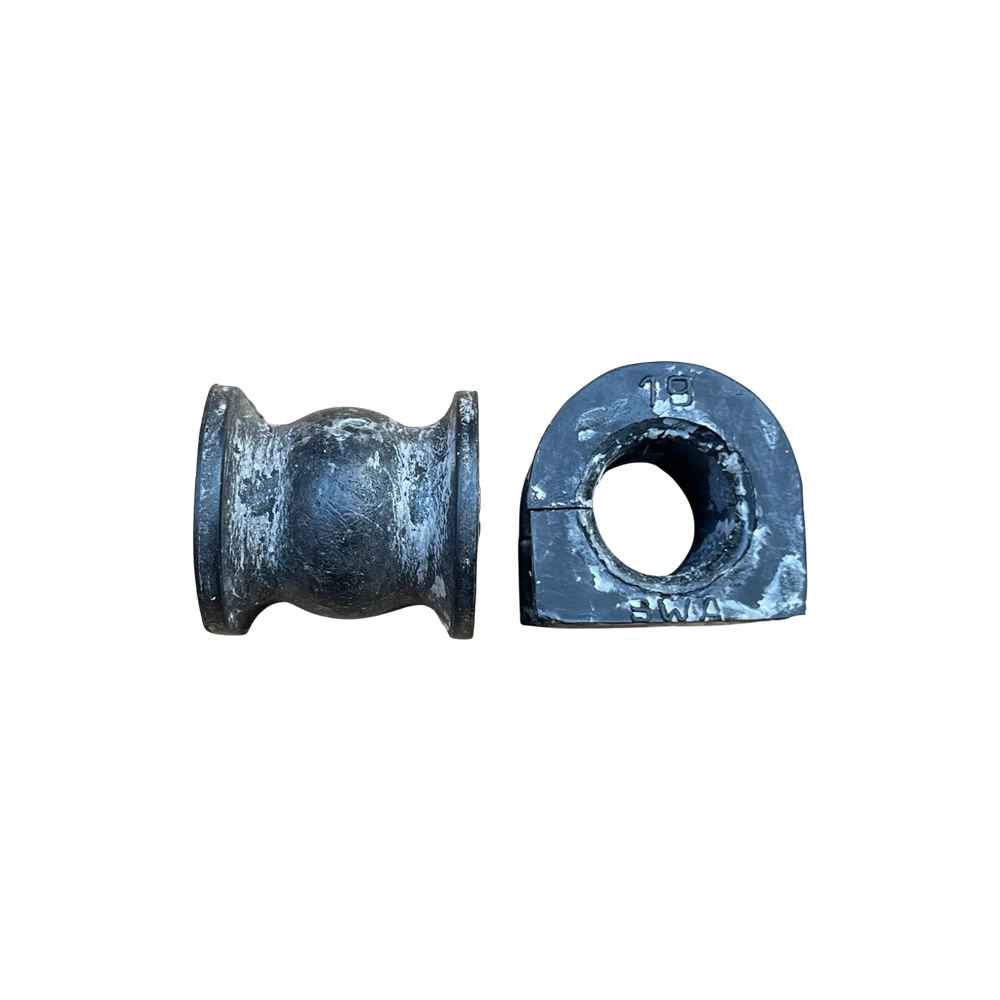
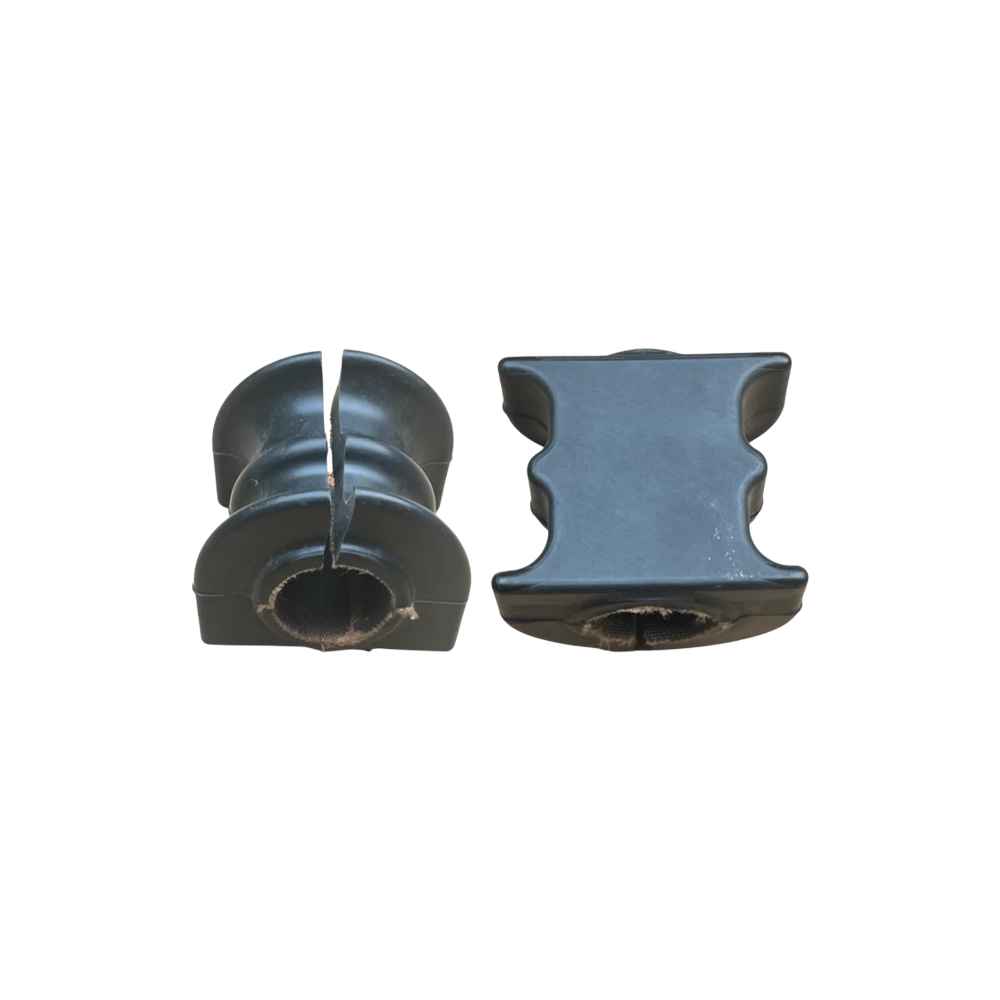
Understanding the Importance of O-Rings in Automotive Hydraulic Systems
O-rings, a fundamental component in automotive hydraulic systems, serve as seals that prevent fluid leakage. Their role is particularly critical in maintaining the efficiency and safety of hydraulic mechanisms, where pressurized fluids are used to perform various functions, from braking to steering.
Material Selection for Custom Rubber O-Rings
The choice of material for O-rings directly impacts their performance and longevity. Various rubber compounds are available, each offering different properties suitable for specific applications. Common materials include:
- Nitrile (NBR) : Known for its excellent resistance to oils and fuels, making it a popular choice in automotive applications.
- Fluoroelastomer (FKM) : Offers superior heat and chemical resistance, ideal for high-performance systems.
- Silicone : Although less resistant to abrasion, it provides excellent temperature stability.
Factors to Consider When Customizing O-Rings
When designing custom rubber O-rings, several factors must be taken into account to ensure optimal performance:
- Size and Diameter : Precise measurements are essential; improper sizing can lead to failures.
- Cross-Sectional Shape : While round is the most common, other shapes may offer advantages in particular applications.
- Working Temperature and Pressure : Understanding the operational environment helps select the right material and design.
Common Applications in Automotive Hydraulic Systems
Custom O-rings are utilized across various components within automotive hydraulic systems:
- Brake Systems : Sealing brake fluid circuits to ensure safety and responsiveness.
- Power Steering Pumps : Preventing fluid leaks which could affect steering control.
- Transmission Systems : Ensuring hydraulic pressure is maintained for smooth gear changes.
Manufacturing Process of Custom O-Rings
The production of custom rubber O-rings involves several key steps:
- Material Preparation : Raw rubber compounds are prepared and mixed with additives to enhance performance.
- Molding : The mixed rubber is molded under heat and pressure to achieve the desired shape.
- Curing : A crucial step where the molded rubber is heated to form cross-links between polymer chains, enhancing its durability.
- Quality Control : Each batch undergoes rigorous testing to meet industry standards before distribution.
Maintenance Tips for O-Rings in Hydraulic Systems
To prolong the life of O-rings and maintain system integrity, regular maintenance is advised. Consider the following practices:
- Visual Inspections : Regularly check for signs of wear or damage.
- Fluid Compatibility : Ensure that hydraulic fluids are compatible with the O-ring material to prevent degradation.
- Proper Installation : Follow guidelines to avoid pinching or misalignment during installation.
Choosing the Right Supplier for Custom O-Rings
Selecting a reliable supplier is paramount for ensuring quality and service. Look for companies like Guanghua, known for their expertise in custom rubber components. Factors to evaluate when choosing a supplier include:
- Industry Experience : Suppliers with years of experience often understand the nuances of various applications.
- Customization Capabilities : The ability to cater to specific requirements is crucial.
- Customer Support : Responsive support can assist in troubleshooting and product selection.
The Role of O-Rings in Performance Enhancement
In summary, O-rings are not merely functional components; they play a significant role in the overall performance, efficiency, and reliability of automotive hydraulic systems. By ensuring correct material selection, proper maintenance, and utilizing reputable suppliers, one can significantly enhance system capabilities while minimizing the risk of failure.

Conclusion: Investing in Quality O-Rings
Ultimately, investing in high-quality custom O-rings for automotive hydraulic systems pays off through improved performance and reduced downtime. By understanding the intricacies involved in their selection and application, manufacturers and mechanics alike can optimize their hydraulic systems effectively.