Understanding CV Joint Boots
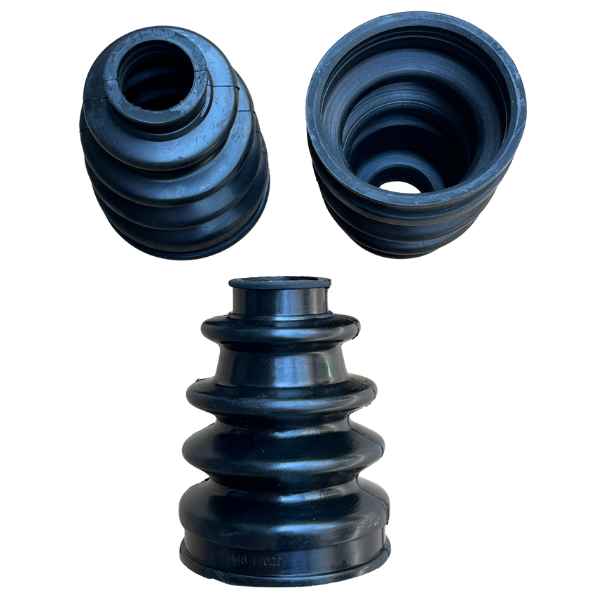
If you’re diving into the world of high-performance off-road upgrades, you'll quickly find that CV Joint Boots are a critical component. These little wonders protect your constant velocity joints from dirt, debris, and moisture, ensuring they function smoothly even in the harshest conditions. It's almost like giving your vehicle a pair of sturdy shoes before heading out for a trek!
Why Are They Important?
Think about it: without proper protection, those CV joints can suffer catastrophic damage. A well-fitted CV joint boot not only extends the life of your joints but also contributes to overall vehicle stability. When you're off-roading, every bump and rock counts, and you don’t want to be sidelined by preventable issues.
Types of CV Joint Boots Available
- Rubber Boots: Traditional, flexible, and cost-effective. They offer decent protection but may wear down faster than other materials.
- Polyurethane Boots: These are more durable and resistant to abrasions. For off-road enthusiasts, this might be the way to go!
- Silicone Boots: An emerging option known for their ability to withstand extreme temperatures and flexibility.
Choosing the Right Boot for Your Needs
When selecting a CV joint boot, consider the terrain you’ll be tackling. If you plan to conquer rocky trails, a polyurethane boot could save you a lot of headaches down the line. And hey, don't forget to check for compatibility with your specific vehicle model! Brands like Guanghua offer excellent options catered to various vehicles.
Installation Tips
Alright, let’s talk installation. First things first: make sure you have all your tools ready! A good set of pliers, clamps, and maybe some grease will help you out. Here’s a simple rundown:
- Jack up your vehicle for access.
- Remove the old boot carefully; don’t damage surrounding parts.
- Clean the area thoroughly—dirt is your enemy!
- Slide on the new CV joint boot and secure it with appropriate clamps.
Common Mistakes to Avoid
It’s easy to overlook details during installation, but skipping steps can lead to early failure. One common mistake? Not applying enough grease. You gotta get it just right! Also, double-check that the boot is seated properly; any gaps can invite unwanted debris.
Maintenance Matters
So you’ve installed your shiny new CV joint boot. What now? Regular inspections are key! Check for cracks or tears periodically, especially after an intense off-road trip. This proactive approach can save you cash in the long run.
Signs It’s Time for a Replacement
Keep an eye out for certain indicators that your CV joint boot may be struggling:
- Popping noises when turning, which could signal joint damage.
- Visible cracks or splits in the boot material.
- Grease leakage around the joint area, which is a big red flag!
Upgrading Beyond Just CV Joint Boots
If you're looking to take your off-road capabilities to the next level, consider pairing your new CV joint boots with upgraded components. Options like shock absorber boots or steering rack boots can significantly enhance your ride quality. Each piece of rubber plays its part in the grand orchestra of off-roading!
Final Thoughts on CV Joint Boots
Investing in high-quality CV joint boots is crucial for anyone serious about off-road adventures. Picking the right materials and keeping up with maintenance will keep your vehicle performing at its best. While we’re on the subject, don’t underestimate the power of O-rings & rubber sealing rings in your upgrade plans—they do wonders as well!