
Understanding CV Joint Boots
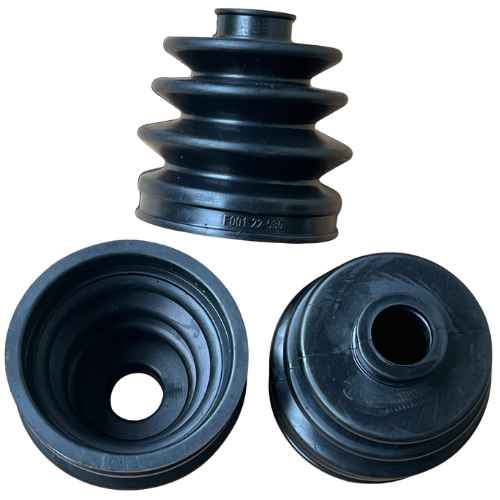
CV Joint Boots play a crucial role in your vehicle’s drivetrain. They’ve got a pretty simple job, but if they go bad, let me tell you - the consequences are not to be taken lightly. These rubber or plastic coverings protect the constant velocity (CV) joints from dirt, debris, and moisture, ensuring smooth operation. A damaged boot can lead to a failure of the CV joint itself, which can put quite a dent in your wallet.
OEM vs. Aftermarket Parts: What’s the Difference?
Alright, so you’re faced with a choice: go for OEM (Original Equipment Manufacturer) parts or aftermarket alternatives. This decision often stirs up some passionate debates among car enthusiasts. OEM parts, like those from brands such as Guanghua, are made specifically for your vehicle's make and model. They typically promise better compatibility and reliability.
On the other hand, aftermarket parts can vary dramatically in quality. Some might exceed OEM parts, while others could leave you stranded on the side of the road. It's all about doing your homework before diving in!
Key Factors to Consider When Buying CV Joint Boots
- Material Quality: Ensure that the boot is made from durable materials that withstand wear and tear.
- Fitment: Check compatibility with your vehicle. The last thing you want is to get home and realize it doesn’t fit.
- Brand Reputation: Opting for trusted brands like Guanghua can save you headaches down the line.
- Warranty: A good warranty can provide peace of mind. Always look for it!
Installation Tips for CV Joint Boots
Installing CV joint boots isn’t rocket science, but you gotta know what you’re doing. First off, make sure you have the right tools – you're gonna need a socket set, pliers, and maybe some zip ties. Here’s a little pro tip: clean the area around the CV joint well. You don’t want any gunk getting into your newly installed boot.
Also, don’t forget to apply some grease to the inner part of the boot to keep the joint lubricated. It’s a messy job, but someone’s gotta do it! If you’re feeling unsure, consult a professional mechanic; don't risk damaging your vehicle.
Signs of a Failing CV Joint Boot
How do you know it’s time for a replacement? Keep an eye out for these signs:
- Cracking or splitting of the boot material
- Grease leakage around the wheel area
- Clicking noises during turns
- Vibration while driving
If you notice any of these symptoms, address them quickly! Ignoring them could lead to more extensive repairs.
Maintaining Your CV Joint Boots
Maintenance is key, folks! Regular inspections can help catch problems early. Examine the boots for tears, cracks, or any signs of wear every few months. If you spot anything unusual, it's best to replace them sooner rather than later.
A good practice is to keep an eye on your vehicle's alignment, too. Misalignment can lead to premature boot wear. It's all interconnected, after all!
Conclusion: Making the Right Choice
So there you have it! Whether you choose OEM or aftermarket CV joint boots, research is your friend. Look for reputable brands, inspect for quality, and remember that being proactive about maintenance can save you a heap of trouble. And just a heads up, if you encounter terms like “Steering Rack Boots” or “Shock Absorber Boots” during your search, don't be alarmed. They’re all part of the same family of components keeping you rolling smoothly.







