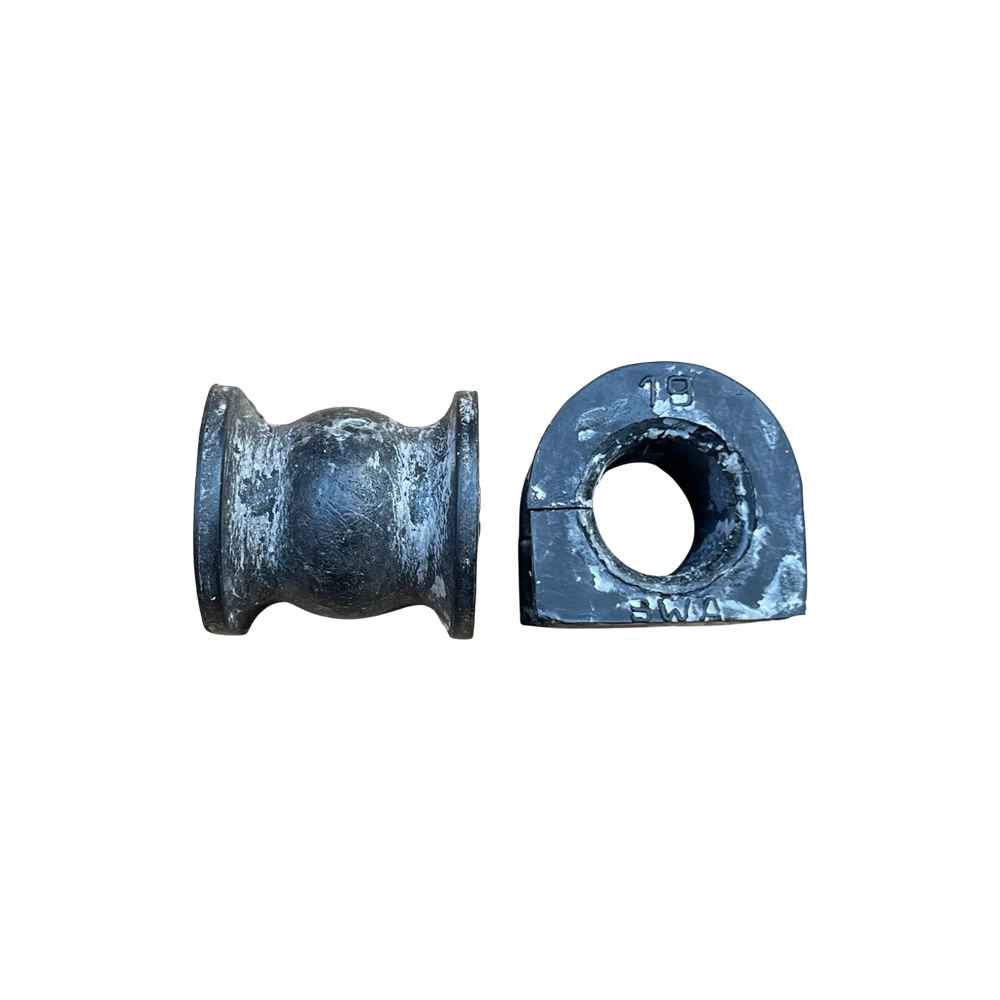
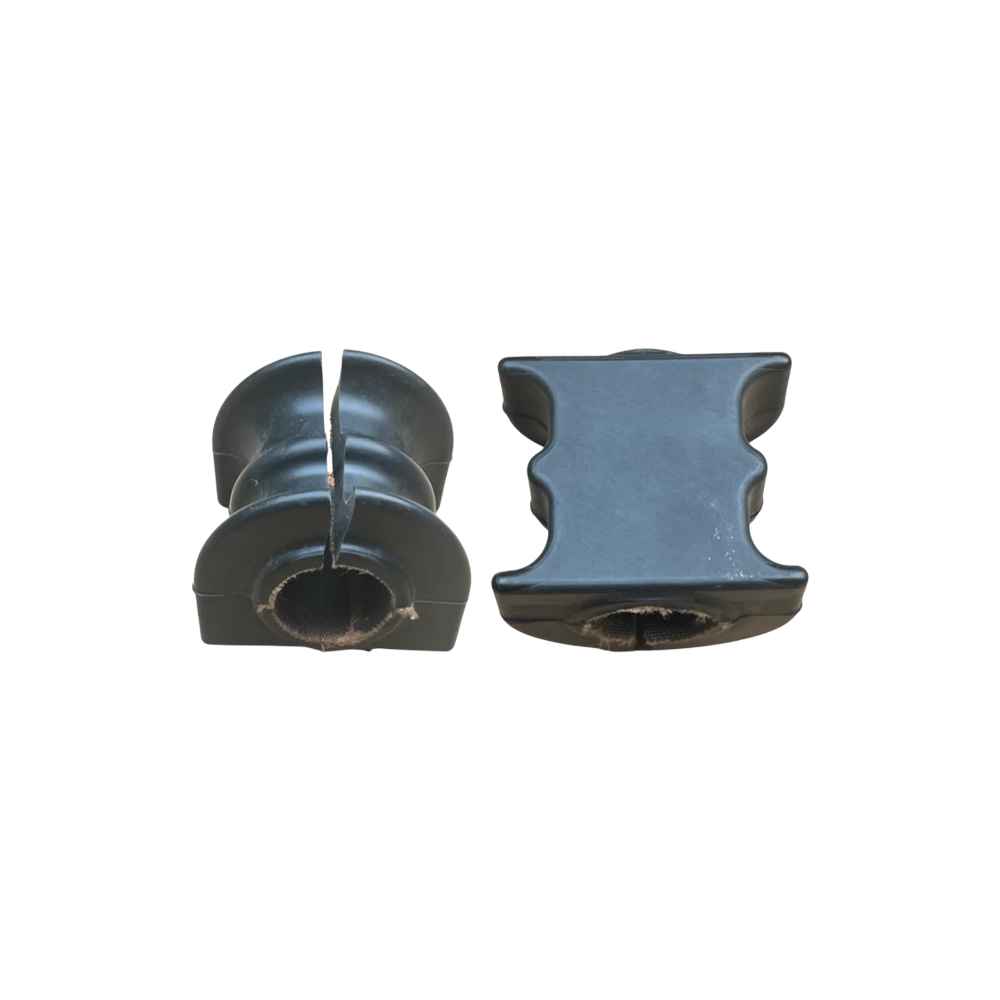
Understanding ACM and Its Importance in Auto Parts
Heat-resistant ACM, or AcryloNitrile-Butadiene Rubber, plays a pivotal role in the wholesale auto parts distribution sector. But let’s not kid ourselves—how many of us truly understand why this specific material is crucial for vehicle repairs? The answer may surprise you.
The Need for Heat Resistance
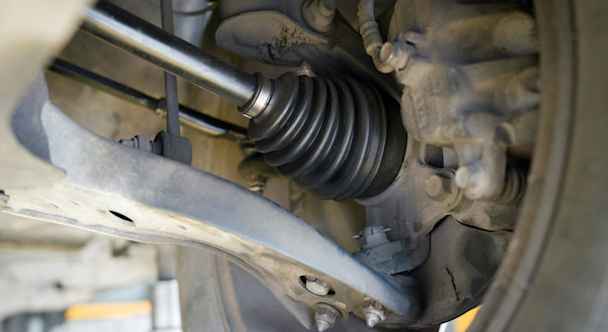
During engine operation, temperatures can soar. ACM’s resistance to heat degradation is impressive. It stands up against the high temperatures that components like Shock Absorber Boots and Steering Rack Boots face. Without proper materials, wouldn't we expect failures at the worst possible times?
- ACM offers excellent thermal stability.
- It maintains flexibility under stress.
- Resistant to oil and fuel degradation.
Choosing the Right Supplier
When sourcing heat-resistant ACM for wholesale distribution, factors like quality control and supplier reputation are vital. Brands like Guanghua have built their names on reliability and performance. However, do all suppliers meet the necessary standards?
Key Considerations for Sourcing
There are several dimensions to consider when sourcing ACM:
- Material Composition: Ensure that the ACM meets industry standards.
- Performance Testing: Look for verified testing results to back up claims.
- Cost Efficiency: Balance quality with cost—cheaper isn’t always better! Sometimes it feels like you’re rolling dice with your investments.
Application Areas
ACM's utility extends across various components. Whether it’s used in Valve Cover Gaskets or O-Rings & Rubber Sealing Rings , the material handles extreme conditions well. Picture a bustling repair shop: technicians rely on these components daily. Would they trust subpar materials over ACM?
Technical Parameters Comparison
Let’s dig deeper with some data comparison:
| Parameter | Standard Rubber | ACM |
|---|---|---|
| Operating Temperature Range | -20°C to 100°C | -40°C to 120°C |
| Oil Resistance | Poor | Excellent |
Real-World Implications
Imagine a scenario where a fleet of delivery trucks runs into frequent downtime due to poor-quality gaskets. The losses mount quickly, don’t they? In contrast, using high-performance ACM can mitigate such risks, leading to smoother operations. Isn’t it about time we prioritize quality over quantity?
Future Trends in ACM Usage
As technology evolves, so does the demand for materials like ACM. The rise of electric vehicles (EVs) brings new challenges and opportunities. Will the existing formulations stand the test, or will innovation push us towards even more advanced materials?
Conclusion
In summary, sourcing heat-resistant ACM is not merely a task but a strategic decision that impacts the entire auto repair ecosystem. Embracing high-quality components ensures longevity and reliability in repairs.