Understanding Hydraulic Steering Systems
Hydraulic steering systems have revolutionized how we drive and manage vehicle dynamics. These systems offer enhanced control, responsiveness, and comfort—qualities essential for performance suspension upgrades. As a professional in the automotive repair sector, understanding the components of hydraulic steering is crucial for providing effective service and recommendations to clients.
The Components of Hydraulic Steering
A hydraulic steering system consists of several key components that work together to provide smooth steering. Here are the main parts:
- Steering Gear : Translates the driver's input into wheel movement.
- Hydraulic Pump : Supplies pressurized fluid to enhance steering effort.
- Steering Rack : Converts rotational motion into linear motion.
- Fluid Reservoir : Holds the hydraulic fluid needed for operation.
Importance of Maintenance
Maintenance is key to ensuring the longevity and efficiency of hydraulic steering systems. Neglecting routine checks can lead to severe issues, including steering failure or compromised vehicle safety. Regularly inspecting components like the Steering Rack Boots and ensuring they are intact will prevent fluid leaks and protect the steering mechanism from dirt and debris.
Signs of Wear and Tear
As with any component in your vehicle, wear and tear are inevitable. Here are some signs that indicate your hydraulic steering system may require attention:
- Increased steering effort or stiffness.
- Unusual noises while turning the steering wheel.
- Leaking fluid around the boots and seals.
- Vibrations or inconsistent steering feedback.
Sourcing Quality Components
When upgrading or repairing hydraulic steering systems, it’s vital to source high-quality components. Look for manufacturers known for their reliability. Brands like Guanghua offer an extensive range of products that include O-Rings & Rubber Sealing Rings , which play a critical role in maintaining pressure in steering systems.
What to Consider When Sourcing
Here are some factors to consider when sourcing components for hydraulic steering repairs:
- OEM vs. Aftermarket : Decide whether you want original equipment manufacturer parts or aftermarket options. OEM parts often guarantee fit and performance but can be pricier.
- Material Quality : The material used in manufacturing components affects durability. Check for reinforced materials that withstand high pressures.
- Warranty and Support : Look for suppliers who offer warranties on their products and have a responsive customer support system.
Integrating Performance Suspension Upgrades
Upgrading your suspension can significantly affect how well your hydraulic steering performs. A stiffer suspension setup can enhance handling but may lead to increased stress on your steering components. Therefore, when considering performance upgrades, always evaluate how they interact with the steering system.
Key Suspension Components to Consider
When integrating suspension upgrades, focus on these components:
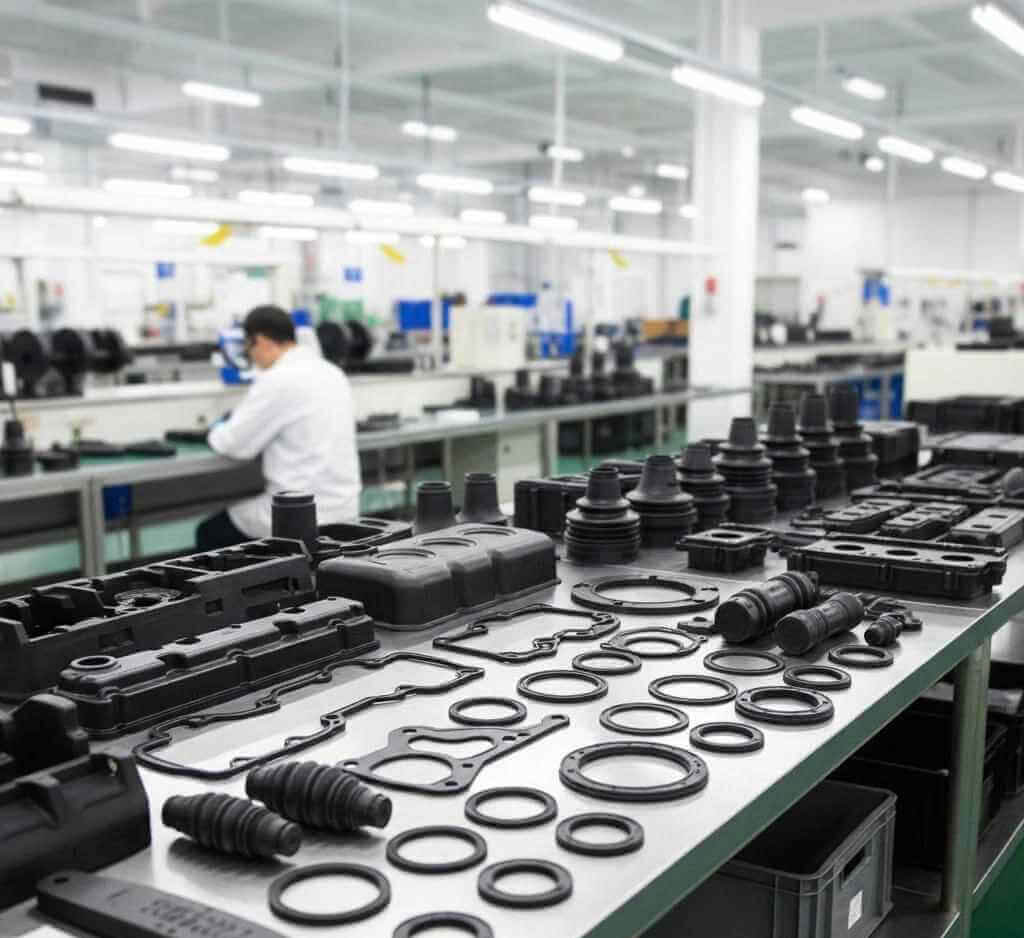
- Shock Absorber Boots : Protect your shock absorbers from debris and moisture.
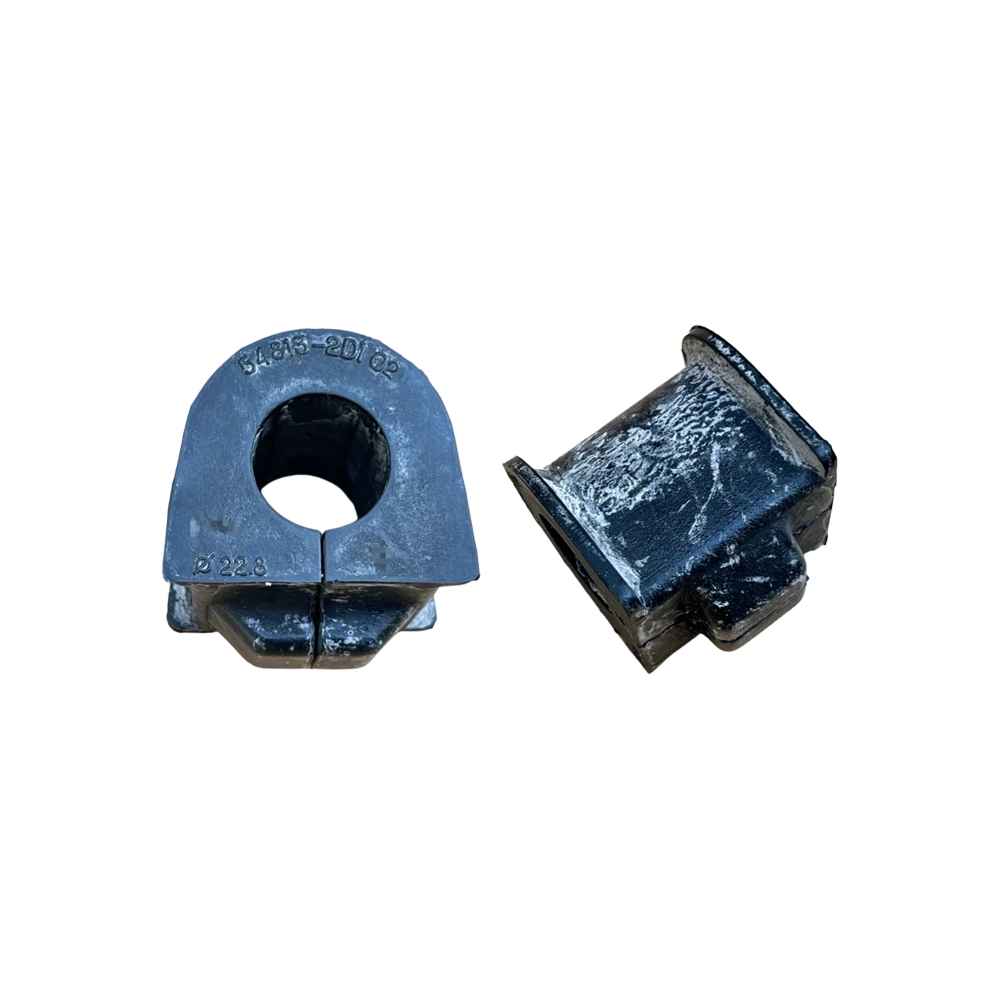
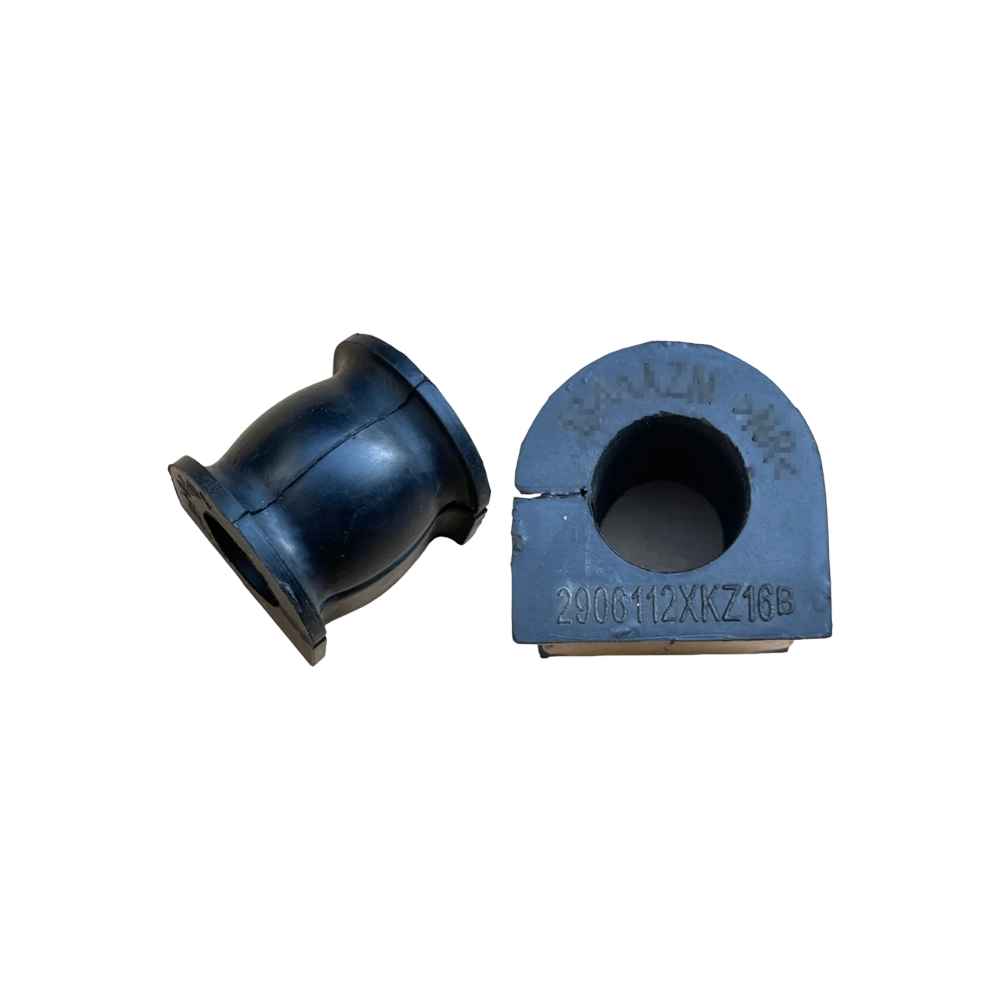
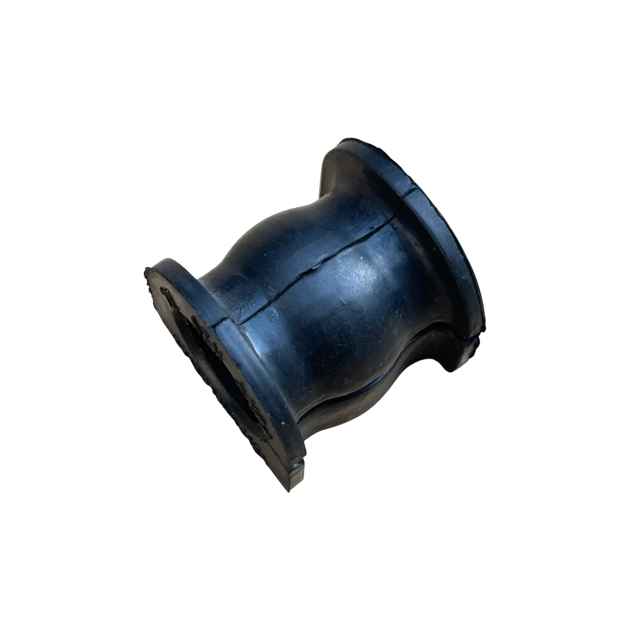
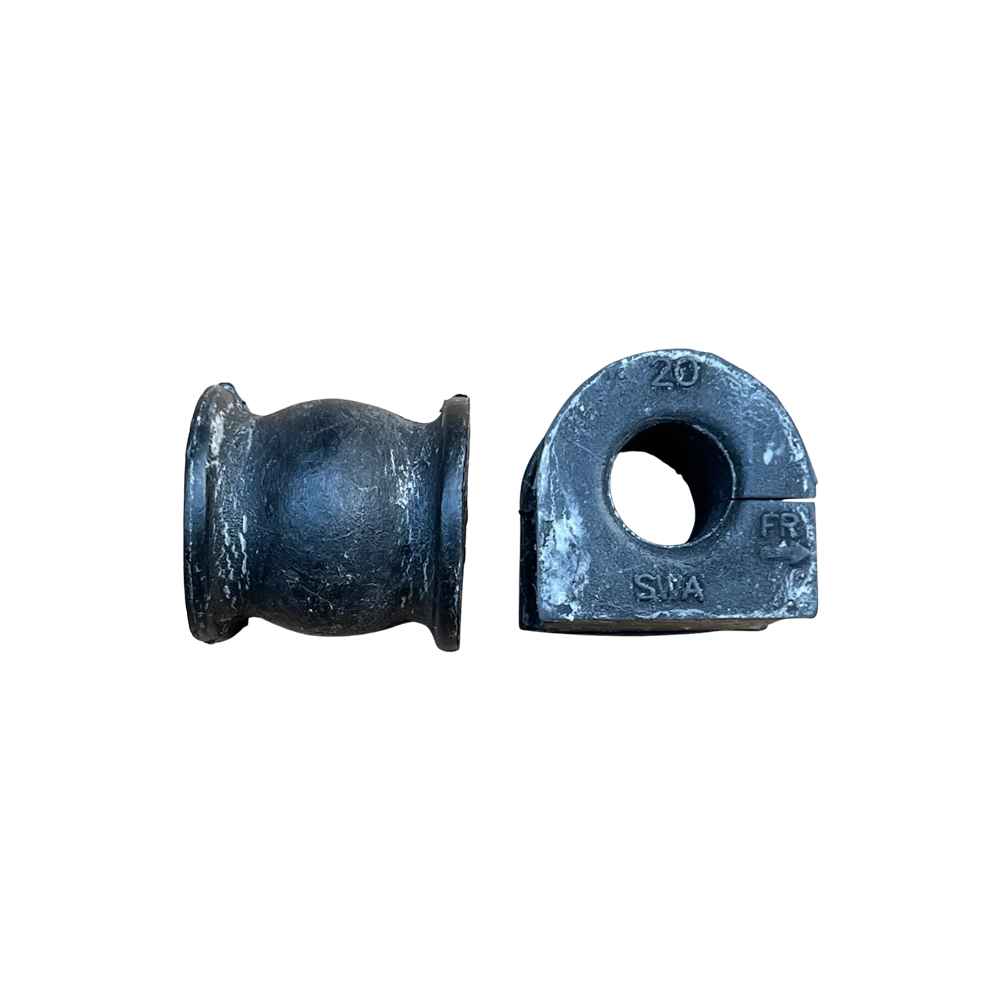
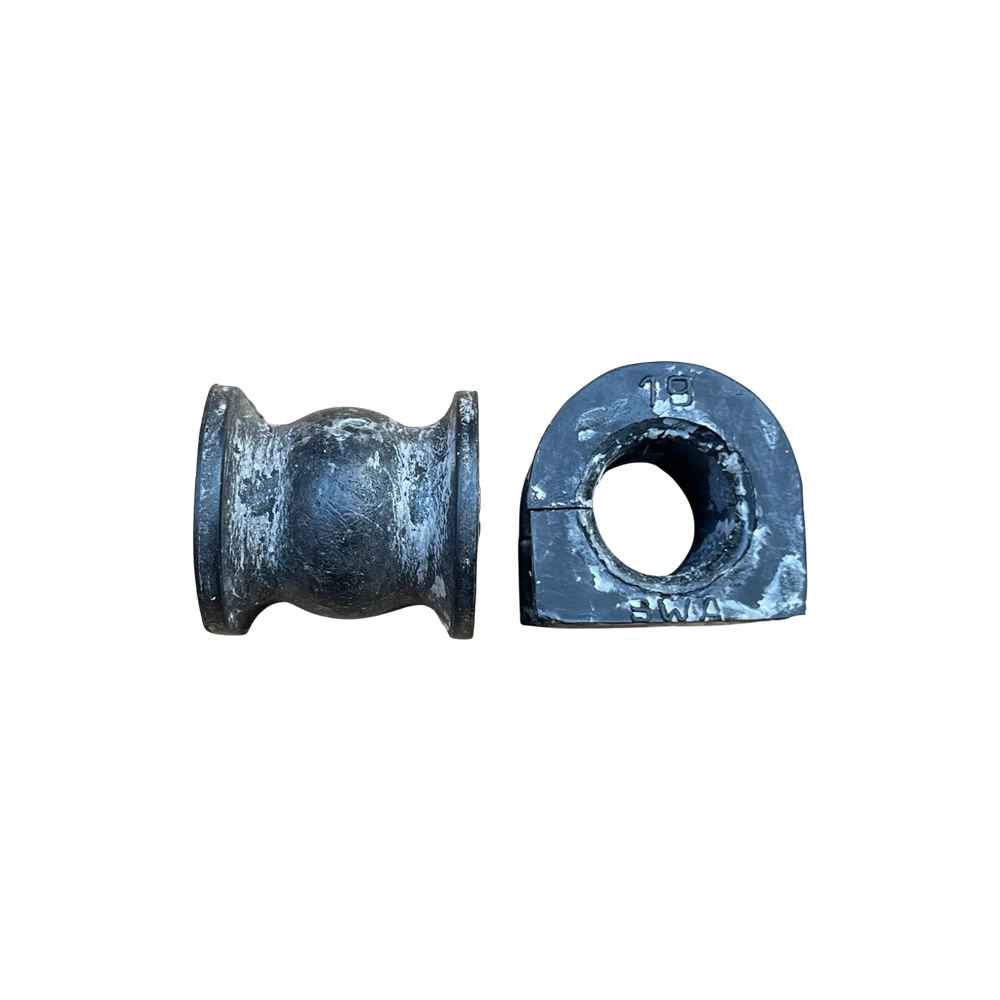
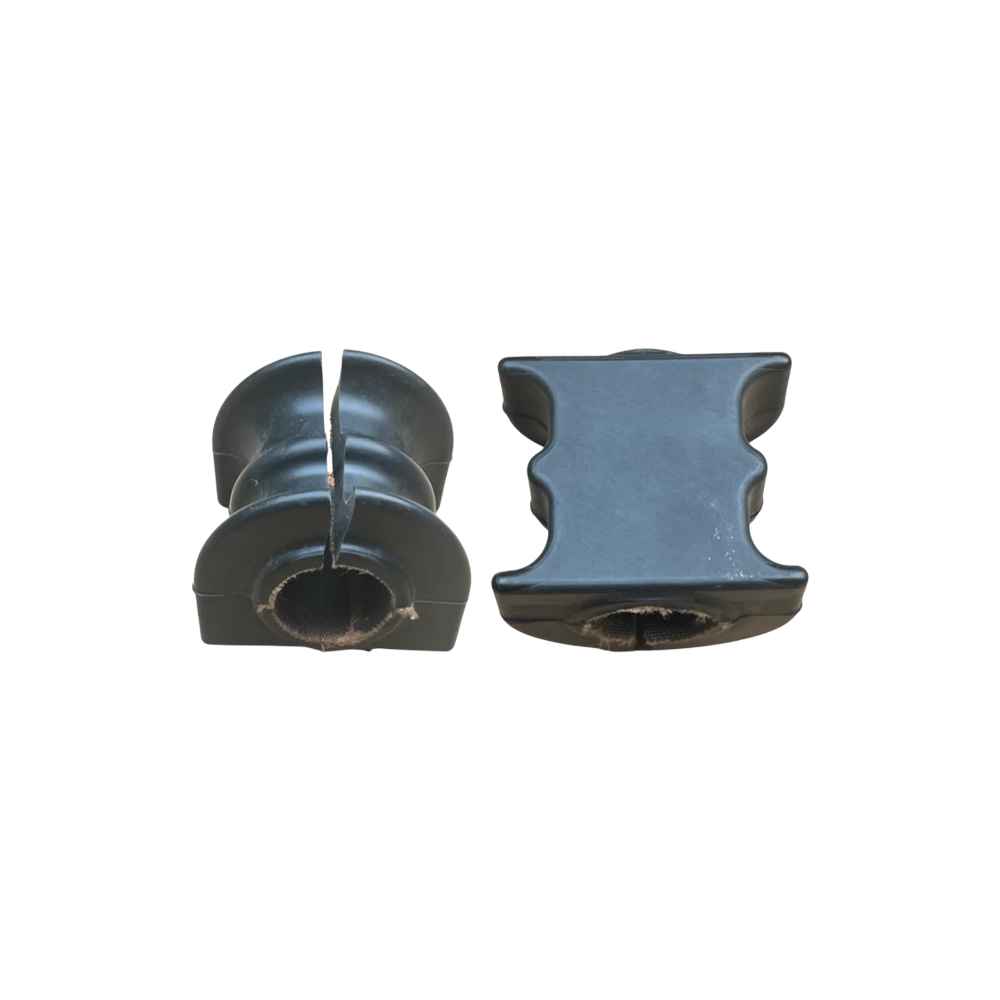
- Stabilizer Bar Bushings : Ensure proper alignment and minimize body roll during turns.
- Valve Cover Gasket : While not directly linked to steering, maintaining engine components ensures overall vehicle health, which impacts performance.
Common Pitfalls to Avoid
During the upgrade process, avoid these common mistakes:
- Ignoring compatibility between suspension and steering components.
- Underestimating the importance of quality parts.
- Neglecting proper installation techniques, which could lead to future failures.
Conclusion
Upgrading your hydraulic steering system and suspension can dramatically enhance your vehicle's performance. By sourcing quality components, such as those offered by Guanghua, and paying close attention to maintenance, you’ll ensure optimal functionality and safety. Remember, the goal is to create a harmonious relationship between the steering system and suspension, leading to a truly exhilarating driving experience.