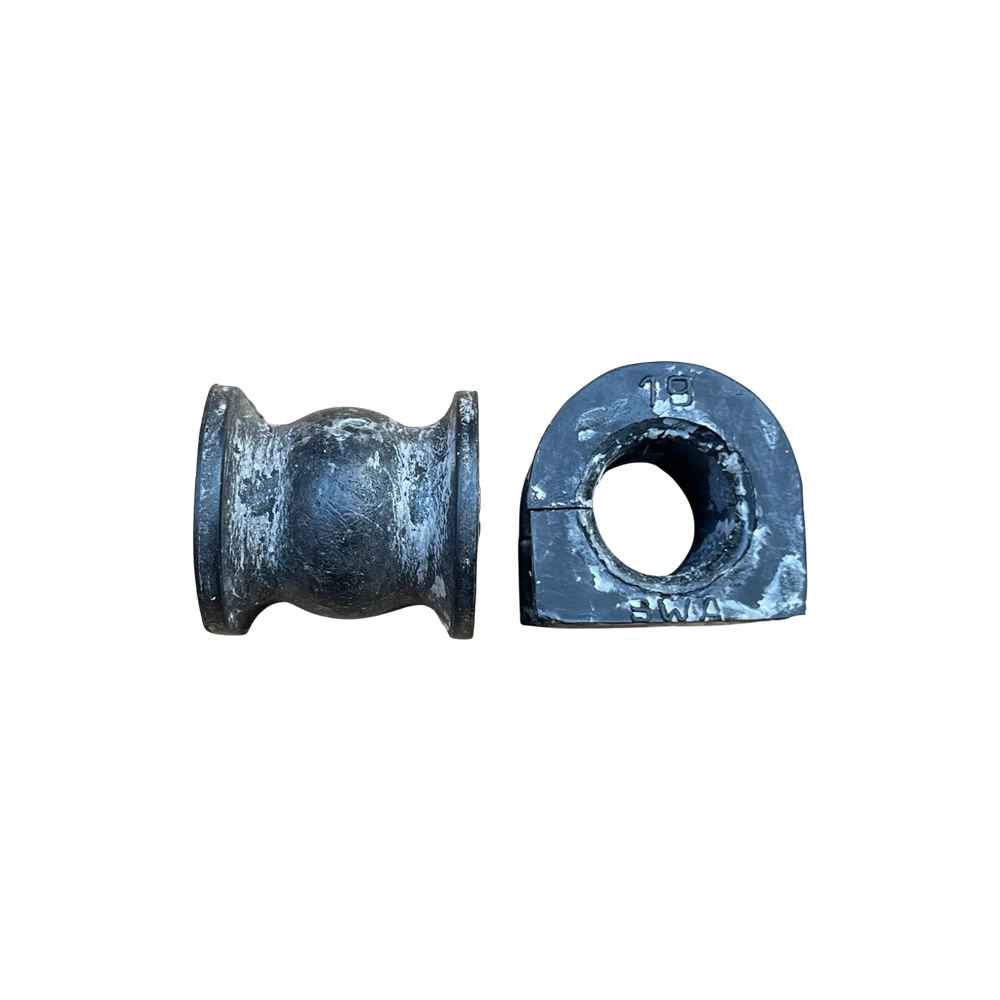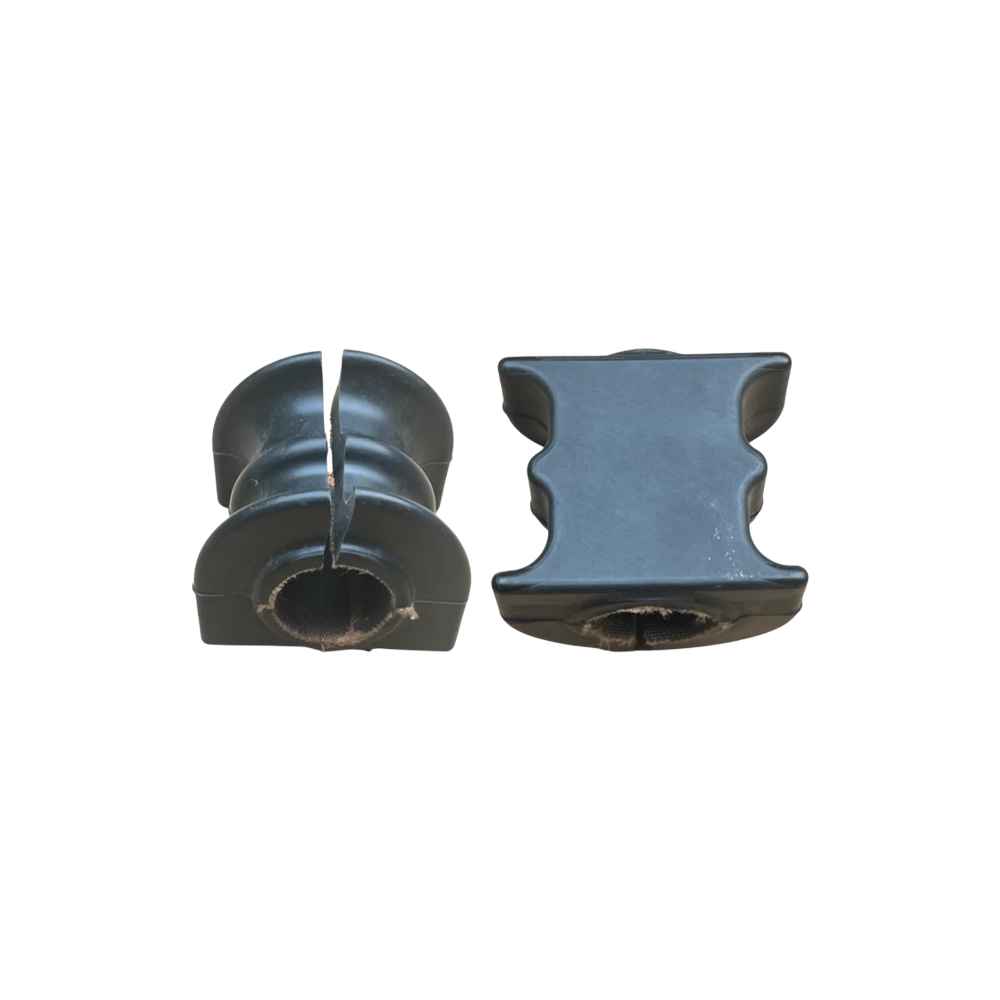
The Role of Anti-roll Bar Bushings in Vehicle Dynamics
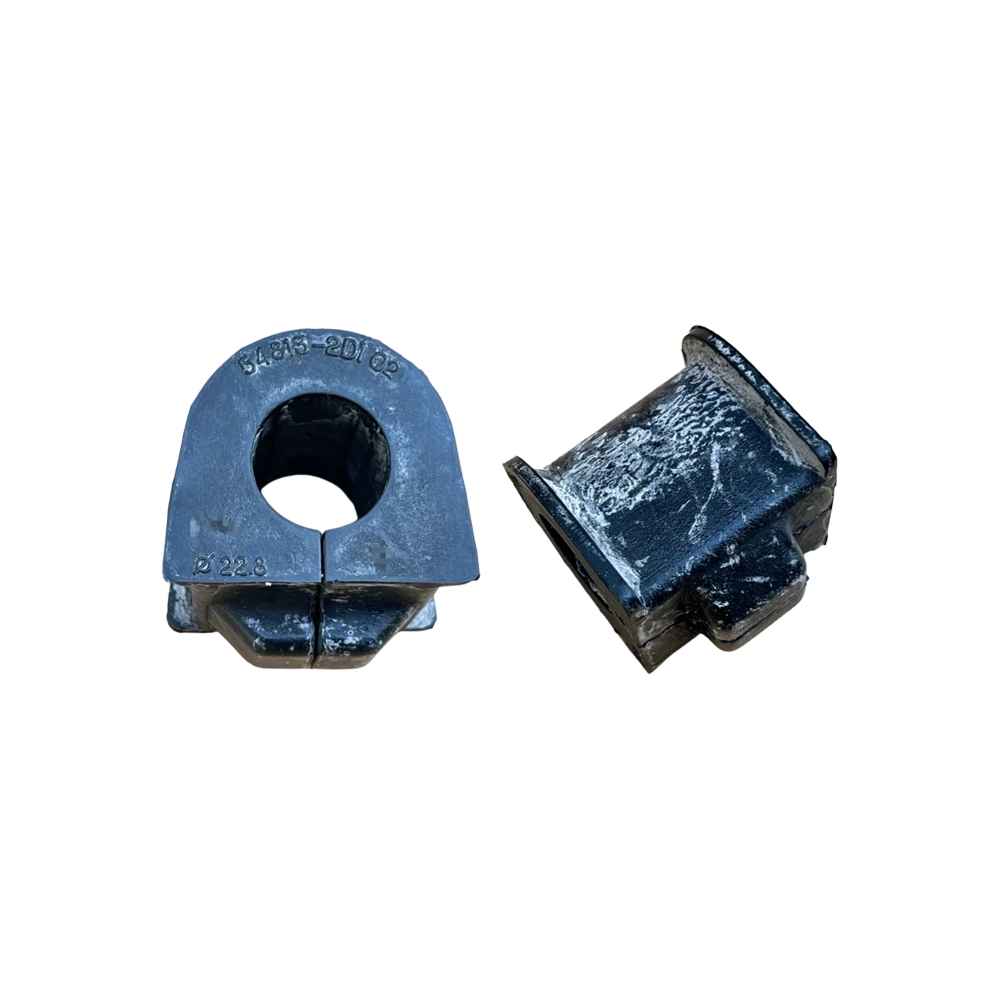
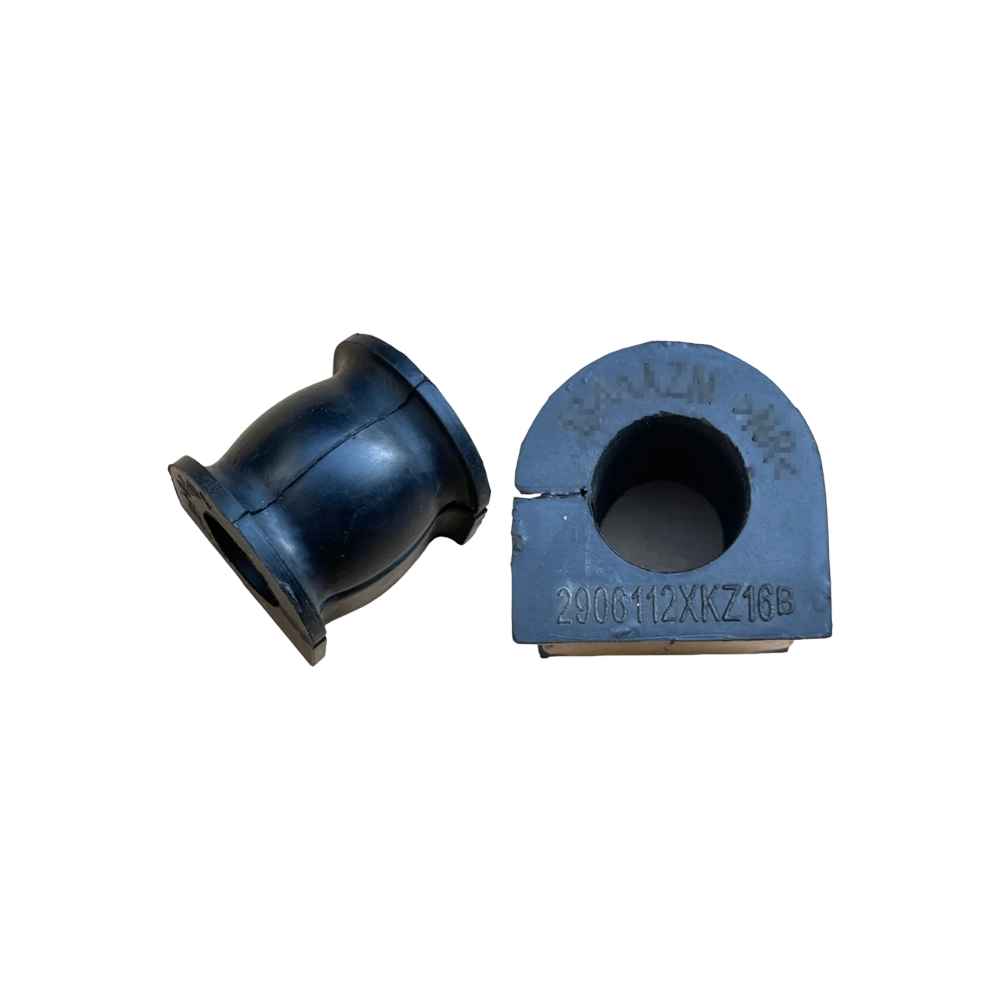
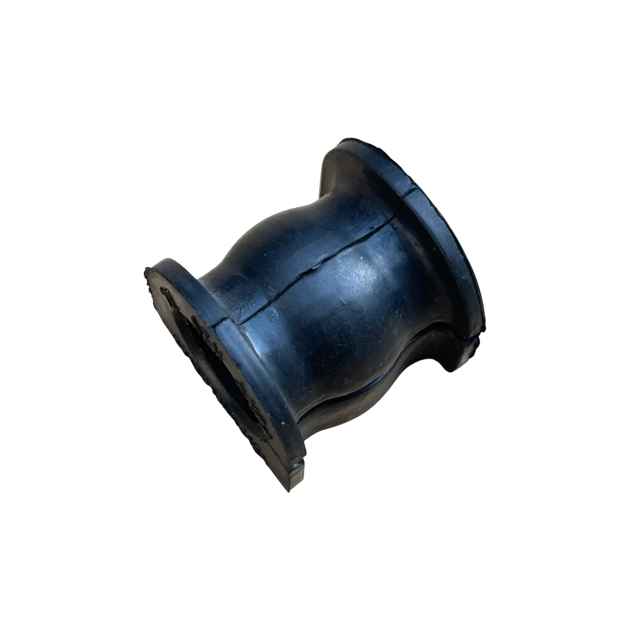
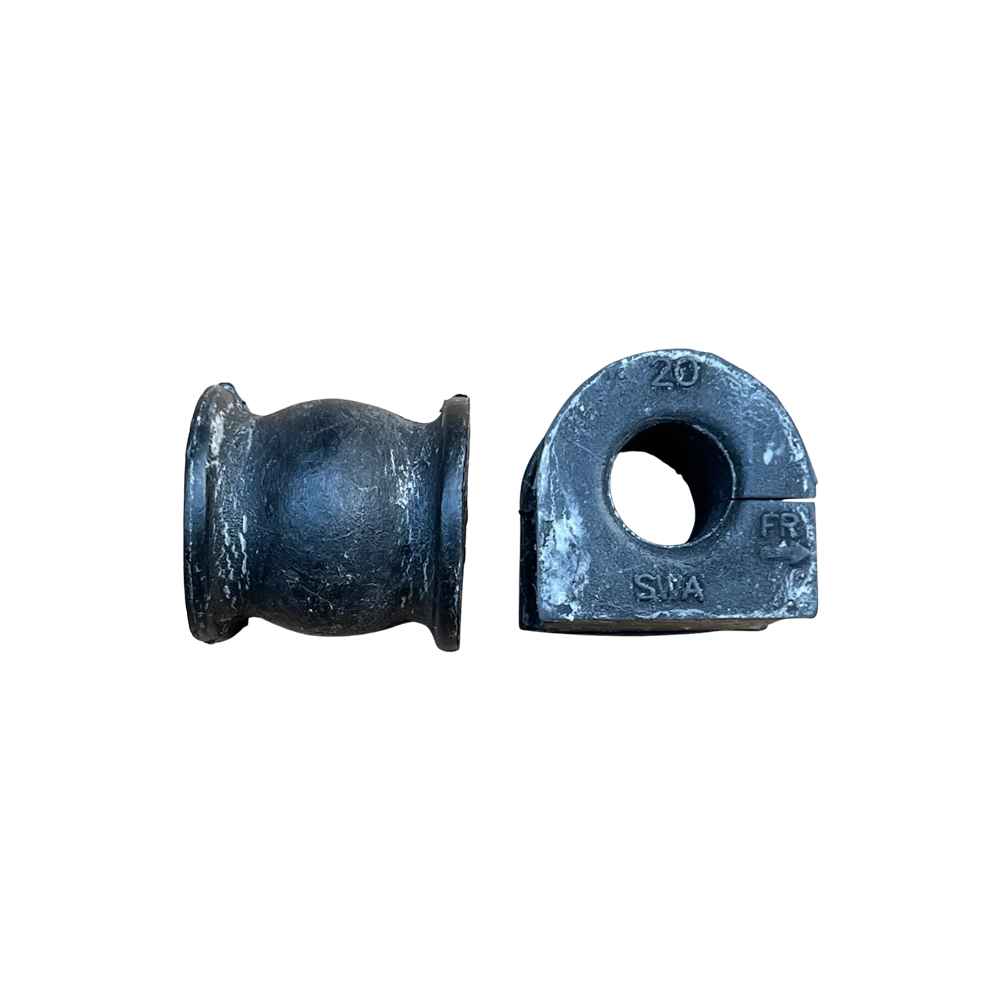
Anti-roll bar bushings play a critical role in the performance of a vehicle's steering and suspension systems. These components, which serve as the connective tissue between the anti-roll bar and the vehicle chassis, help maintain stability during cornering. Consequently, the material composition of these bushings significantly impacts overall handling characteristics.
Material Types and Their Properties
Various materials are utilized for manufacturing anti-roll bar bushings, each offering distinct characteristics that can affect the vehicle’s performance:
- Rubber: Traditionally favored for its resilience and cost-effectiveness, rubber bushings provide acceptable levels of flexibility. However, they may degrade over time, leading to diminished performance.
- Polyurethane: Known for their durability and resistance to wear, polyurethane bushings offer enhanced firmnes, thereby improving steering responsiveness. They also have a tendency to transmit more road noise into the cabin.
- Metal: Although less common, metal bushings can be found in high-performance applications. They deliver superior strength but often result in a harsher ride due to increased rigidity.
Impact on Steering Sensitivity
The steering response of a vehicle can be intimately tied to the type of anti-roll bar bushing employed. For instance, a softer rubber bushing can lead to a more forgiving ride but might compromise the precision of steering adjustments. In contrast, using firmer polyurethane bushings may enhance steering sensitivity, allowing for quicker, more accurate driver inputs. This trade-off must be carefully considered in the context of intended vehicle use.
Influence on Suspension Compliance
Suspension compliance refers to the ability of the suspension system to absorb shocks and vibrations from the road surface. The choice of material for anti-roll bar bushings plays a pivotal role here as well. Softer materials such as rubber tend to promote greater compliance, which can be advantageous in comfort-oriented vehicles. Conversely, stiffer materials like polyurethane reduce compliance but can improve the vehicle's overall stability in aggressive driving scenarios.
Wholesale Supplier Considerations
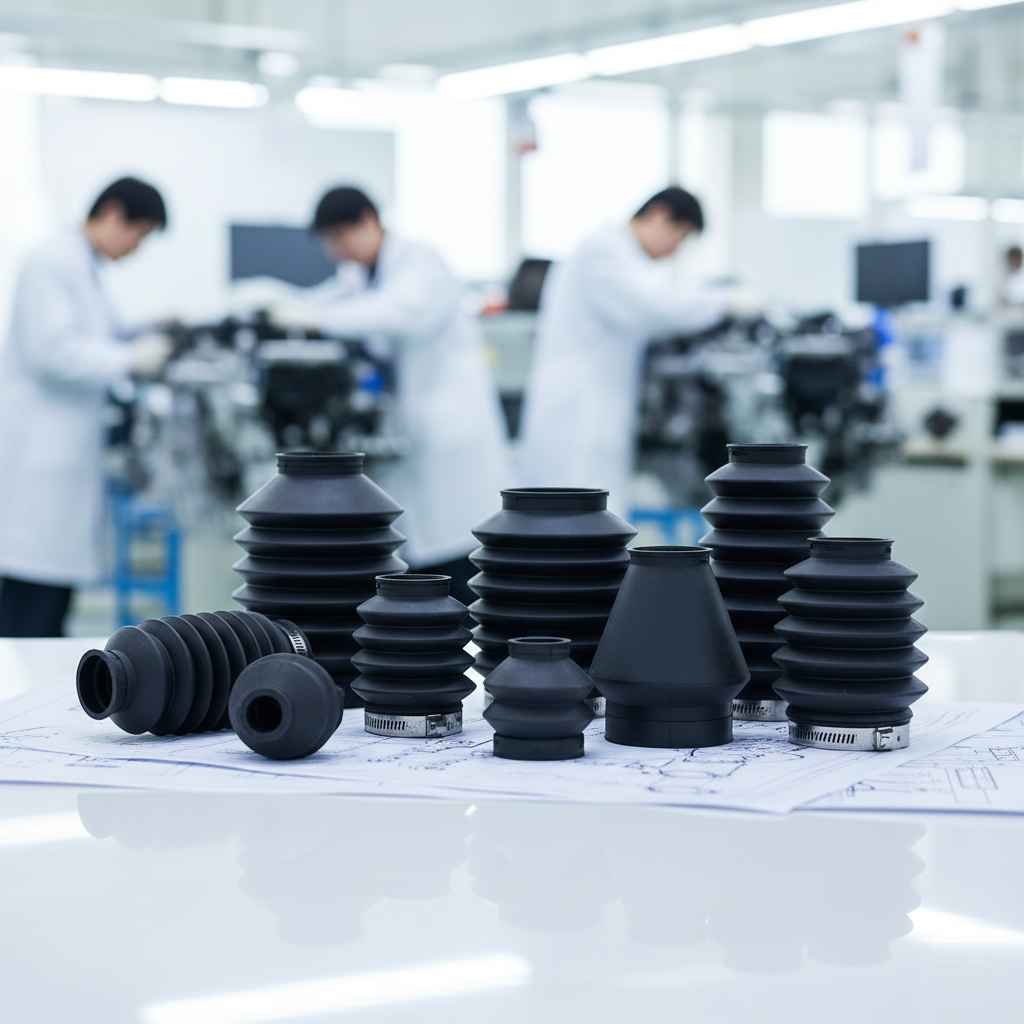
For B2B transactions, selecting a reputable wholesale supplier is essential, especially when dealing with components like anti-roll bar bushings. A supplier's ability to provide high-quality products that meet industry standards can significantly influence a manufacturer's reputation.
Quality Assurance and Testing
Suppliers such as Guanghua emphasize rigorous quality assurance processes, ensuring that each batch of bushings undergoes comprehensive testing. This testing typically evaluates performance metrics such as tensile strength, compression resistance, and wear characteristics, all crucial for discerning the longevity and reliability of the product.
Customization Options
Many suppliers offer customization options, allowing manufacturers to specify the durometer rating and other material properties based on their specific needs. This aspect of supply chain flexibility fosters innovation within the automotive sector, enabling firms to tailor components for unique applications.
Case Studies: Performance Variability
A number of studies have demonstrated how different bushing materials impact vehicle dynamics under various conditions. For example, a comparison between a vehicle equipped with standard rubber bushings versus one fitted with high-performance polyurethane showed notable differences in cornering stability and steering feedback during both dry and wet conditions.
Real-World Applications
In scenarios where towing or heavy loads are involved, the choice of materials becomes even more consequential. Using stiff polyurethane bushings could ameliorate body roll, thus enhancing control during maneuvers. On the contrary, lighter, more flexible options might be preferable for everyday city driving, where comfort takes precedence over performance.
Environmental Considerations
The sustainability of materials used in anti-roll bar bushings is increasingly coming under scrutiny. Suppliers are now challenged to source raw materials that minimize environmental impact while still delivering performance. Eco-friendly alternatives are being developed, signaling a shift towards greener practices in the automotive parts industry.
Future Trends in Bushing Technology
The evolution of anti-roll bar bushings is ongoing. Manufacturers are exploring advanced composites and hybrid materials that blend the best properties of rubber and polyurethane, potentially revolutionizing performance standards across various vehicle segments. As competition intensifies among wholesale suppliers, those who invest in research and development will likely position themselves favorably in the market.
In summary, the impact of anti-roll bar bushing materials on chassis steering and suspension systems cannot be underestimated. Choosing the right supplier, such as Guanghua, can ensure access to high-quality components that align with performance goals and customer expectations.