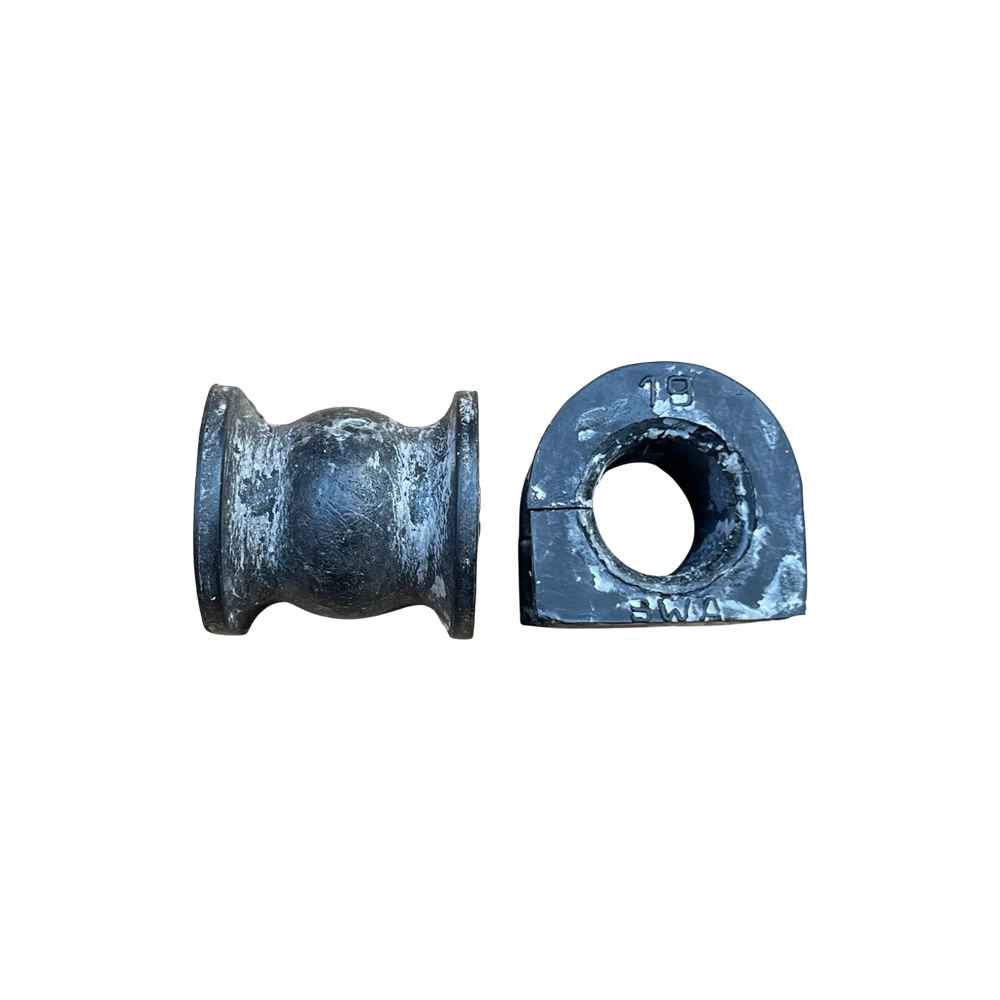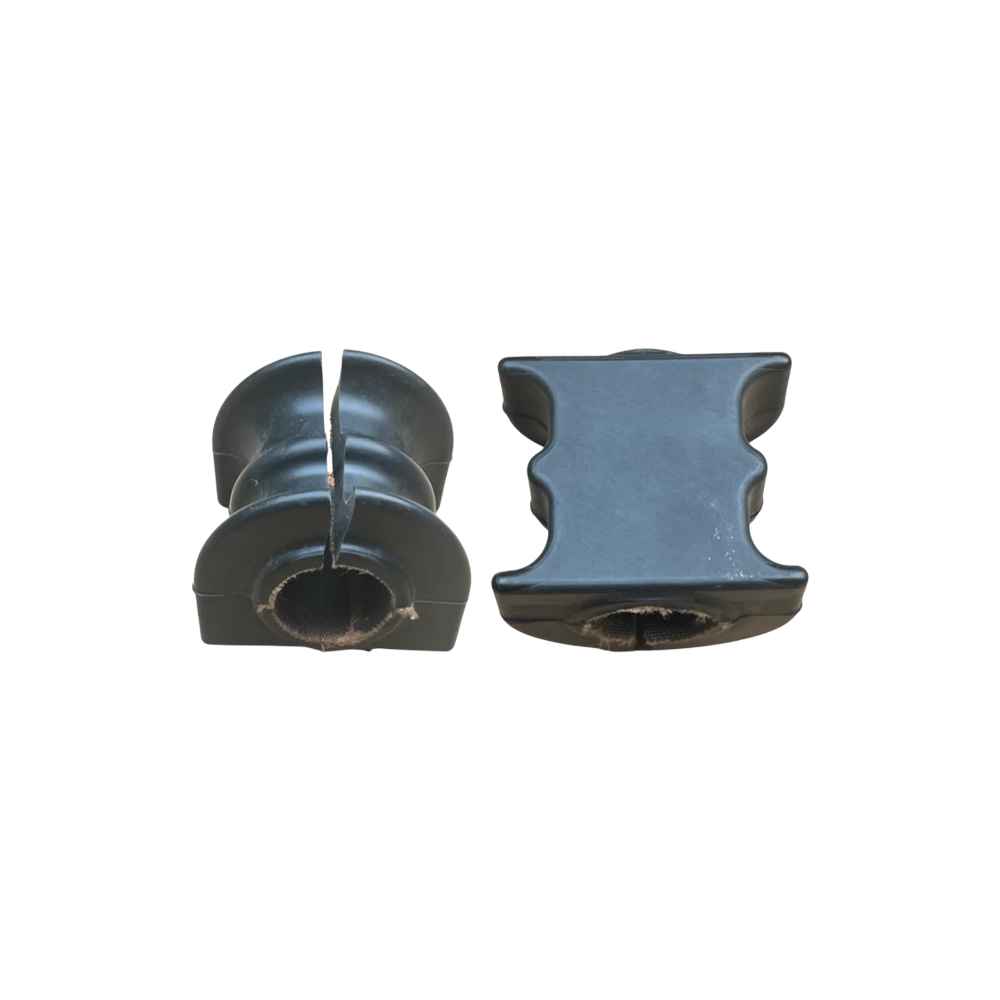
The Role of Materials in Driveline Components
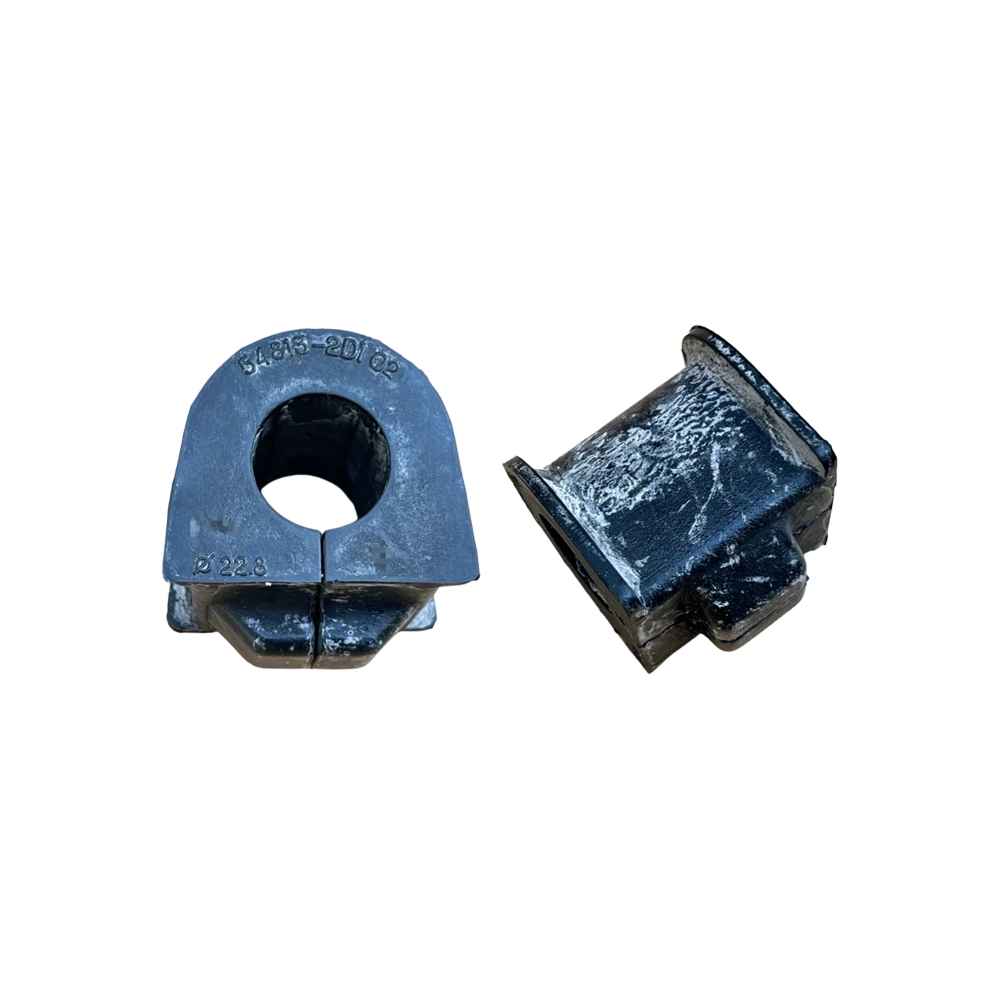
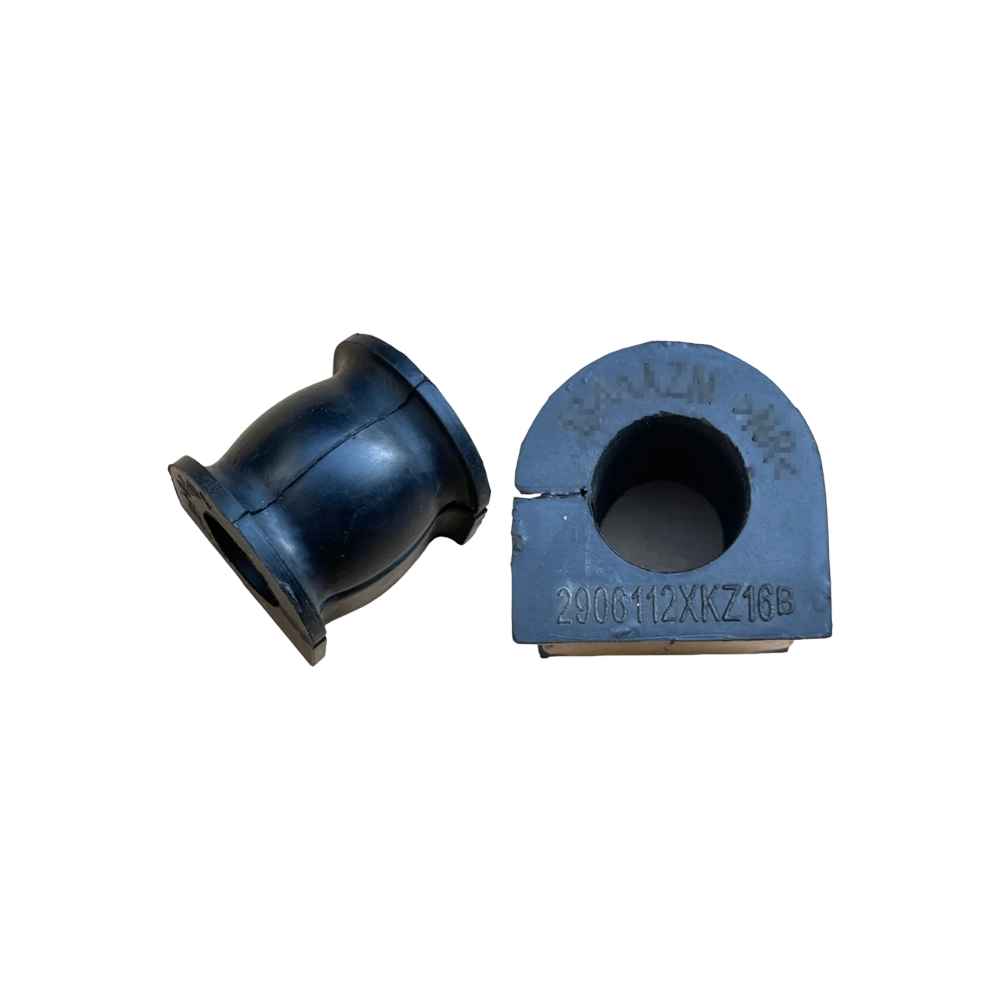
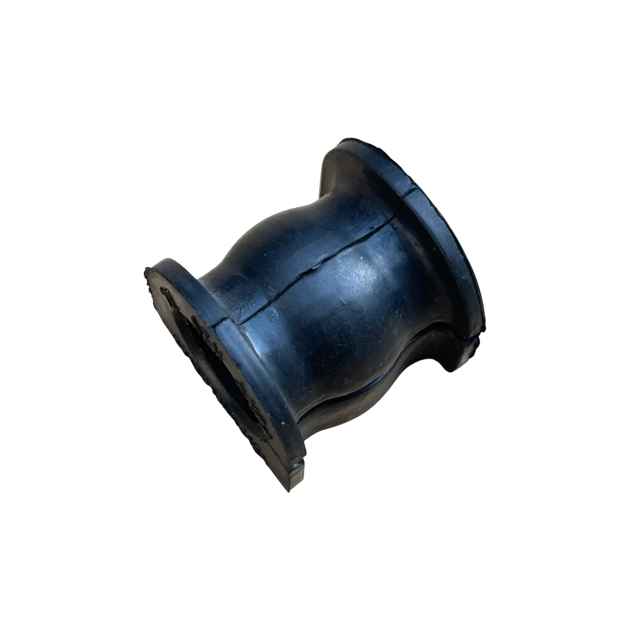
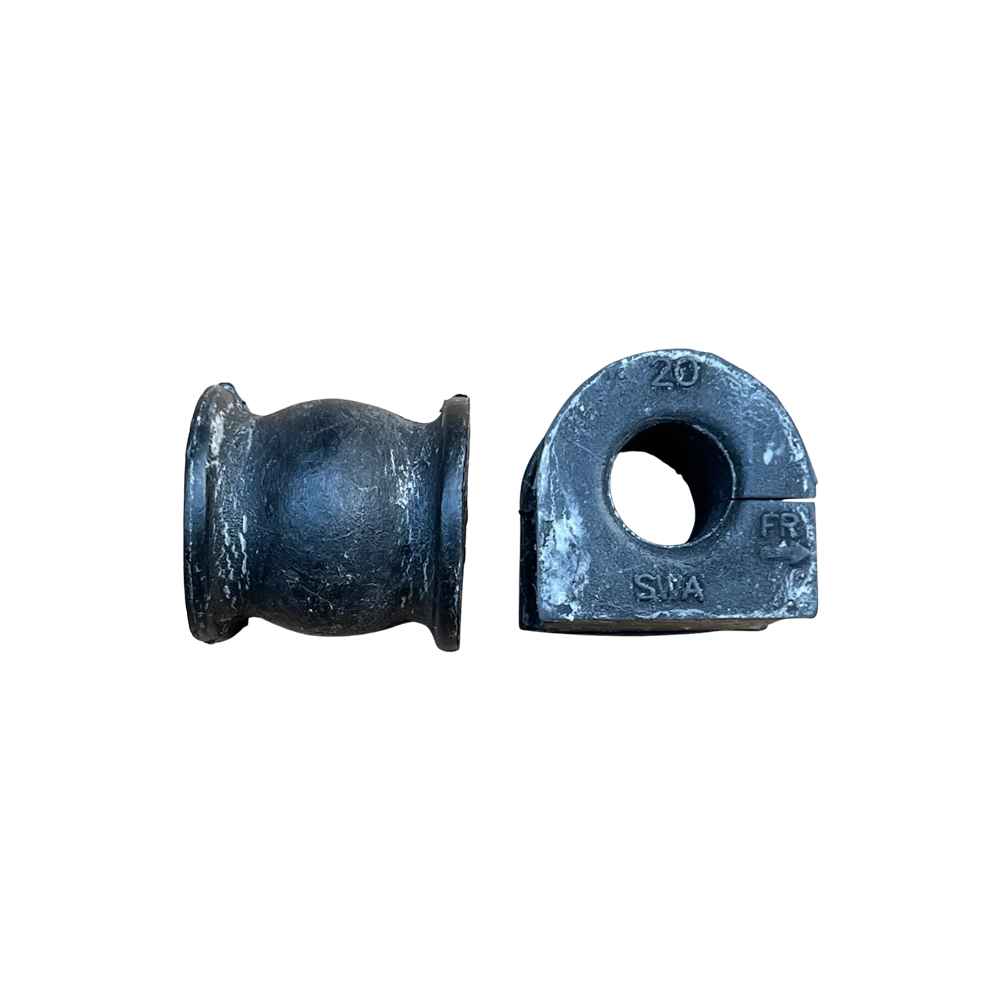
When we talk about vehicle driveline and axle repair, it's all about the materials used in those components. In a China-based rubber auto parts factory, there's a fascinating interplay between inner and outer materials that can really make or break performance. The choice of rubber compounds, for instance, plays a significant role in durability and flexibility.
Inner Material Composition
The inner materials are often where the magic happens. Take O-Rings & Rubber Sealing Rings , for example. These elements need to withstand pressure, heat, and sometimes even chemical exposure. The right rubber blend not only enhances longevity but also improves sealing effectiveness, which is crucial for maintaining fluid integrity in driveline systems.
- Durability: High-quality inner materials resist wear and tear.
- Flexibility: They help absorb vibrations, providing a smoother ride.
- Compatibility: Choosing the right material ensures compatibility with other components.
Outer Material Challenges
Now let's flip it over to the outer materials. These guys face different challenges. Shock Absorber Boots , for instance, must handle harsh environmental conditions—rain, dirt, you name it. A well-constructed outer layer protects the sensitive inner workings from these adversities.
One popular option among manufacturers is utilizing synthetic rubber combined with additives for UV resistance. This can significantly elevate the lifespan of outer components, making them less likely to crack or degrade over time. Plus, who doesn't want to minimize maintenance costs?
Insights from Guanghua's Production Line
In factories like Guanghua, innovation is key. Their production lines are constantly evolving, using new technologies to enhance material properties. By implementing advanced mixing techniques, they ensure that both inner and outer materials meet rigorous standards for performance and reliability. It's this attention to detail that sets quality products apart in the automotive sector.
Performance Implications
So, what does this all mean for vehicle performance? Well, when inner and outer materials work harmoniously, you get improved drivability and safety. For instance, if the Steering Rack Boots are made from high-quality rubber, it directly impacts steering responsiveness and overall handling. Poorly constructed boots, on the other hand, could lead to premature failure, costing drivers more in repairs.
- Enhanced Control: Quality materials lead to better vehicle control.
- Longevity: Improved durability means less frequent repairs.
- Cost Efficiency: Better materials lower overall operating costs.
Conclusion on Material Selection
Ultimately, the selection process for these materials is a balancing act. Manufacturers must consider factors like cost, performance, and environmental impact. In a bustling factory floor, engineers are constantly experimenting with different blends and formulations to find the sweet spot. It’s a science and an art at the same time, and that’s what makes this field so intriguing!
Future Trends in Material Technology
Looking ahead, we may see even more advancements in material technologies. Biodegradable rubber compounds are gaining traction, as manufacturers are becoming increasingly eco-conscious. This shift could revolutionize how auto parts are produced, with sustainability in mind without compromising on performance.
Furthermore, as the electric vehicle market expands, the demand for specialized materials will likely rise. New challenges will emerge, and with them, opportunities for innovative solutions. A factory that stays ahead of these trends will undoubtedly set itself apart in a competitive market.

Wrap Up
As we’ve seen, the materials used in driveline and axle components are pivotal for both performance and longevity. From O-Rings & Rubber Sealing Rings to the sturdy Shock Absorber Boots, every part plays its role. It’s a complex world, yet one that holds immense potential for growth and improvement within the automotive industry.