
The Importance of Leak-proof Materials
When we talk about OEM and aftermarket parts, one of the biggest headaches for manufacturers and suppliers alike is ensuring that the components can withstand the test of time—especially regarding leaks. Leak-proof materials play a crucial role in enhancing the durability and performance of various automotive parts. This is particularly important for B2B wholesale suppliers who need to offer reliable solutions to their customers.
Understanding Leak-proof Technologies
Leak-proof technologies have evolved significantly over the past few years. From advanced rubber compounds to innovative sealing techniques, manufacturers now have more options than ever to create robust components. For instance, O-Rings & Rubber Sealing Rings are widely used to prevent fluid leakage in hydraulic systems. It’s all about creating that perfect seal—something that can be a game changer for OEMs and aftermarket suppliers.
- Better Material Selection: Quality materials lead to better performance.
- Advanced Manufacturing Techniques: Methods like injection molding enhance precision.
- Testing Protocols: Rigorous testing ensures that products meet necessary standards.
Effects on OEM Parts
OEM (Original Equipment Manufacturer) parts are designed to meet specific vehicle requirements. The introduction of leak-proof materials provides significant advantages:
- Increased Longevity: Leak-proof components tend to last longer, reducing the frequency of replacements.
- Enhanced Performance: Proper sealing means better performance in critical areas like engine and transmission systems.
For example, using high-quality Valve Cover Gaskets made from leak-proof materials ensures that oil does not escape, thus maintaining optimal engine function.
The Aftermarket Advantage
While OEM parts are essential, the aftermarket realm offers unique opportunities. Suppliers like Guanghua focus on providing superior alternatives that match or exceed OEM specifications. In this sector, the emphasis on leak-proofing becomes even more pronounced:
- Customization Options: Aftermarket suppliers can tailor components to specific customer needs.
- Cost-Effectiveness: Leak-proof materials can reduce costs associated with warranty claims and returns.
This flexibility allows B2B wholesale suppliers to cater to a broader range of clients while ensuring quality remains high.
Performance Metrics to Consider
When evaluating the effectiveness of leak-proof materials in automotive parts, several performance metrics should be considered:
- Durability Test Results: How do these materials perform under stress?
- Temperature Resistance: Can they withstand extreme temperatures without losing their integrity?
- Fluid Compatibility: Are they effective against various types of fluids, such as oil, coolant, or brake fluid?
Supplier Relationships Matter
Establishing solid relationships with manufacturers who specialize in leak-proof materials can provide a significant edge. Trustworthy suppliers ensure consistent quality, timely deliveries, and ongoing support, which are vital for any B2B operation.
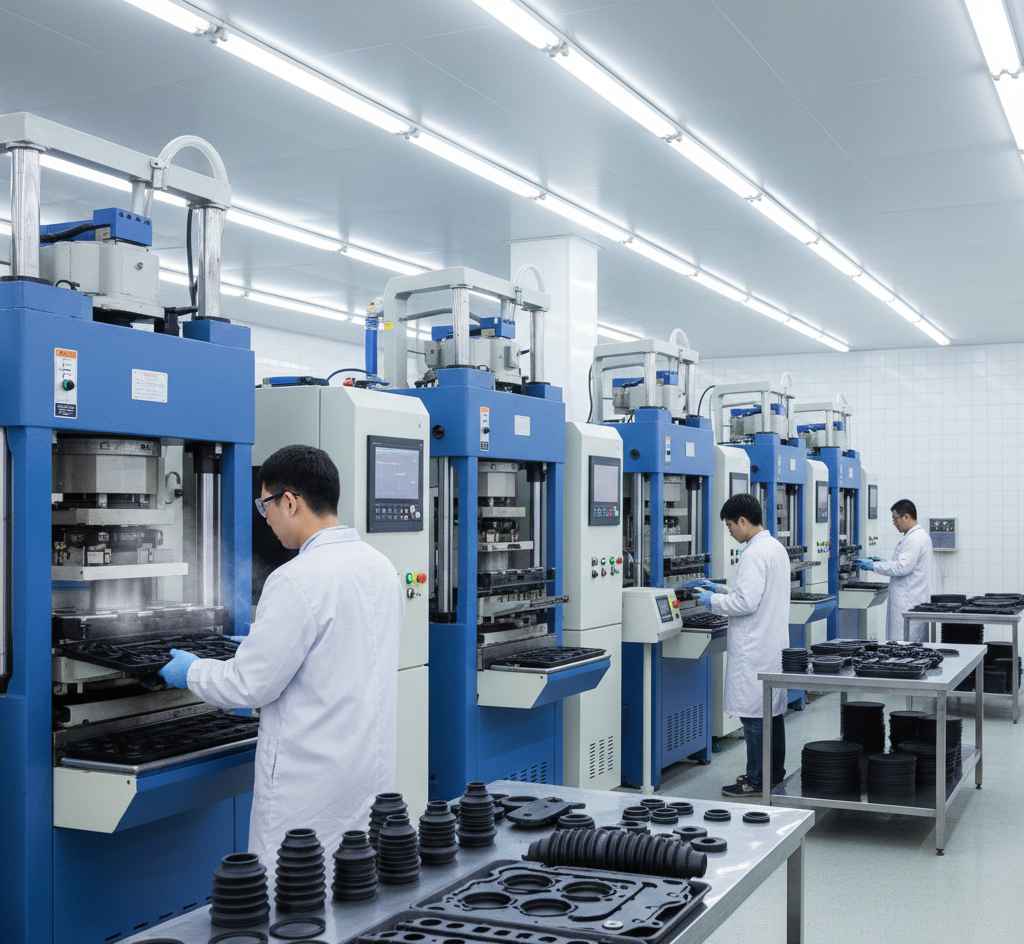
Real-World Applications
One of the best ways to highlight the impact of leak-proof materials is through real-world applications. For instance:
- CV Joint Boots : These protect the CV joints from dirt and moisture, which can lead to joint failure if not sealed correctly.
- Steering Rack Boots : They safeguard the steering rack from external contaminants, ensuring smoother handling and control.
- Shock Absorber Boots: These keep out debris and moisture, prolonging the life of shock absorbers significantly.
Challenges Ahead
Despite the obvious benefits, the transition to leak-proof materials is not without challenges. Companies must be ready to invest in new technology, retrain staff, and sometimes rethink their supply chains to accommodate higher quality standards.
Conclusion Remarks on Market Trends
As we look ahead, the automotive industry is likely to see an increased demand for leak-proof materials in both OEM and aftermarket parts. With consumers becoming more knowledgeable and demanding better performance from their vehicles, suppliers who adapt to these changes will undoubtedly thrive in this competitive landscape. Staying updated on trends and innovations in leak-proof technology will be key for anyone looking to succeed in the marketplace.







