The Importance of Material Selection
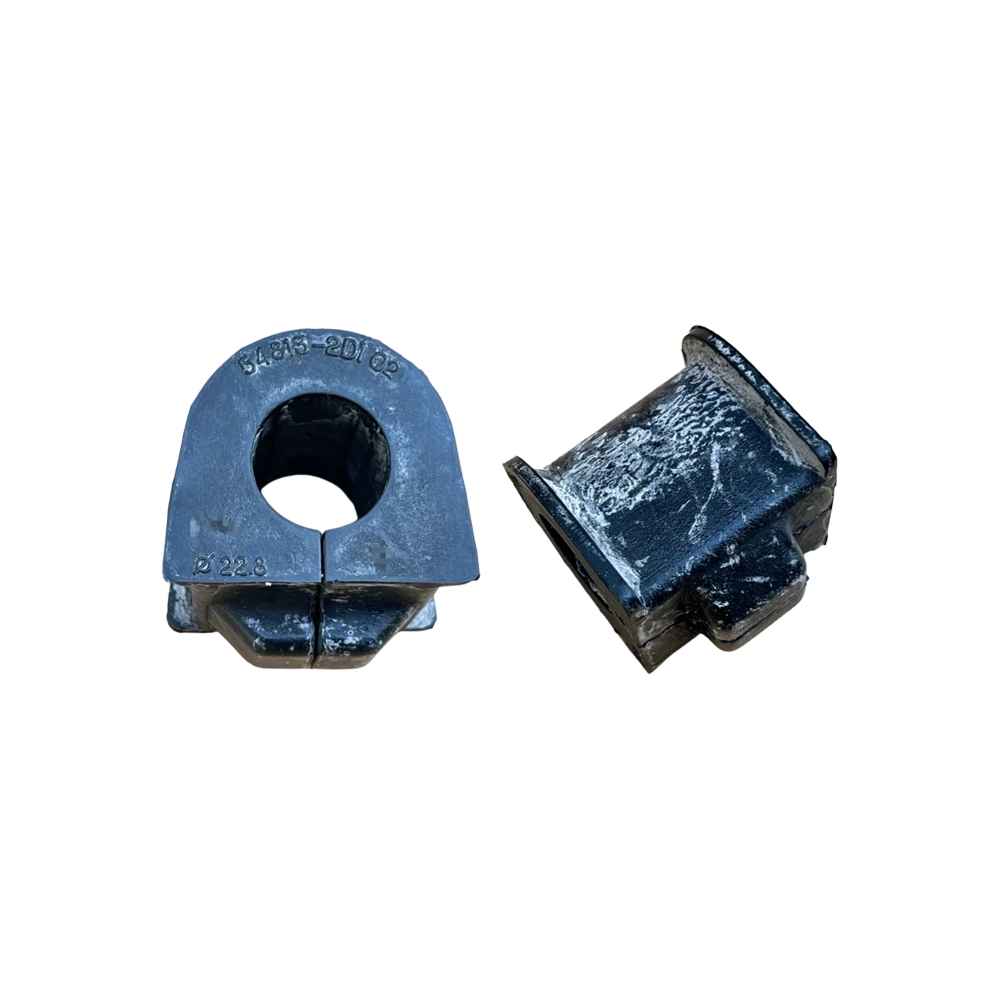
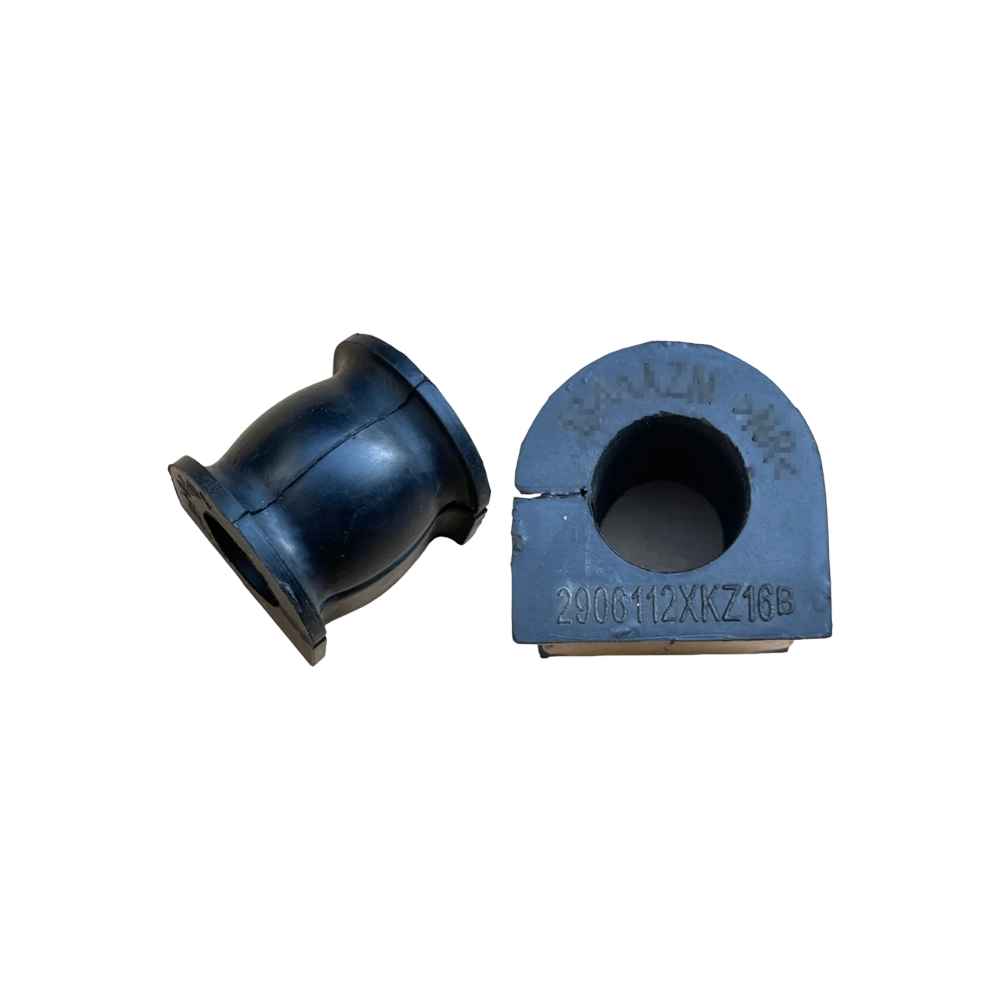
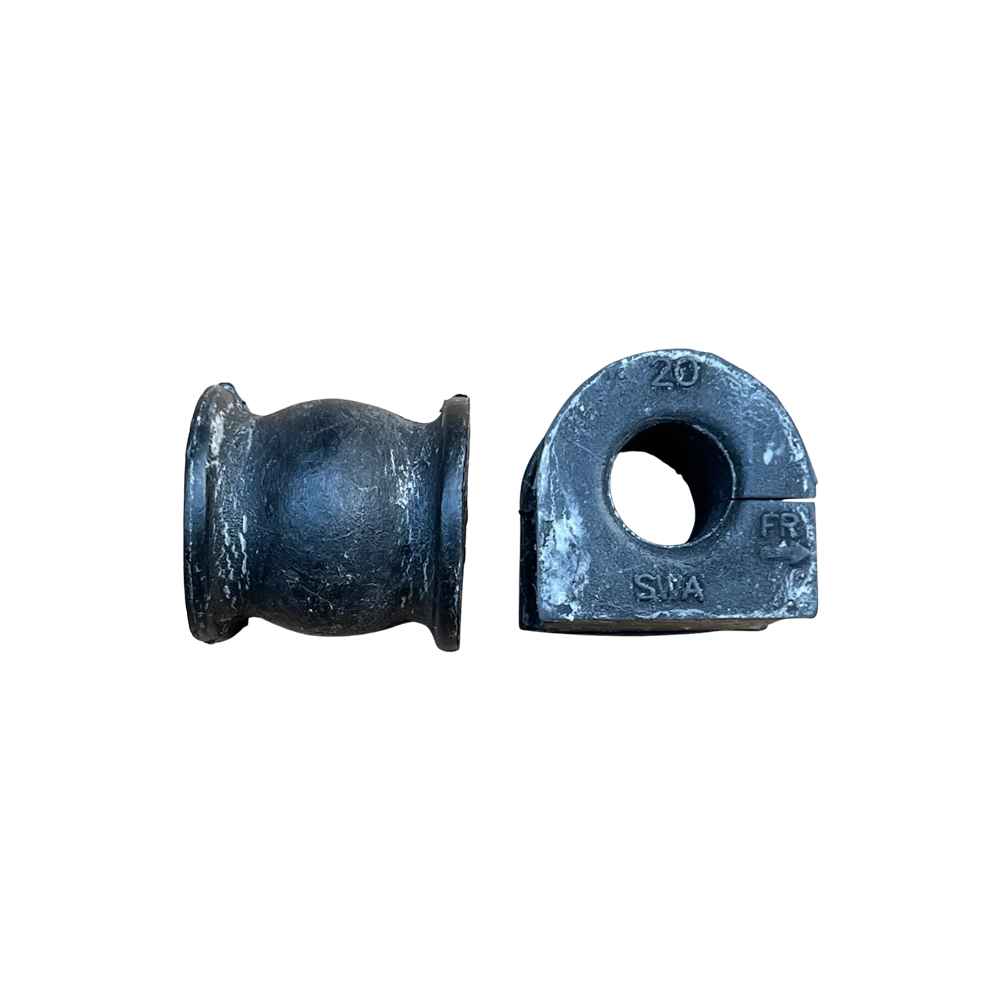
When it comes to O-Rings & Rubber Sealing Rings , the choice of material can make or break the performance of both OEM and aftermarket parts. In a B2B wholesale environment, suppliers and manufacturers must pay close attention to the specific applications and environments where these sealing solutions will be employed. The materials chosen not only affect durability and longevity but also impact overall efficiency and reliability of the components they support.
Material Properties That Matter
The effectiveness of O-Rings and rubber sealing rings hinges largely on their material properties. Factors such as temperature resistance, chemical compatibility, and mechanical strength are vital. For instance, Nitrile rubber is widely used due to its excellent oil resistance; however, in extreme temperature ranges, other materials like Viton may perform better. This highlights the need for thorough material analysis when selecting components for various applications.
OEM vs. Aftermarket Parts: A Comparative Overview
The distinction between OEM (Original Equipment Manufacturer) parts and aftermarket alternatives often boils down to quality and material composition. OEM parts, like those from reputable brands such as Guanghua, typically employ higher-grade materials that meet stringent industry standards. On the other hand, aftermarket parts may offer cost savings but can vary significantly in material quality.
- Durability: OEM parts are generally designed for optimal lifespan and performance.
- Cost: Aftermarket options can be more affordable but may trade off some material integrity.
- Compatibility: OEM parts provide guaranteed fitment, while aftermarket pieces might require additional adjustments.
Performance Metrics
Understanding how material choices affect performance is crucial for suppliers looking to maintain competitiveness in the B2B space. High-quality O-Rings and rubber sealing rings can significantly reduce leakages, enhance sealing capabilities, and improve overall product lifespan. In contrast, lower-quality materials may lead to increased failure rates, which can be detrimental to customer satisfaction and brand reputation.

Testing and Validation Processes
To ensure product reliability, many manufacturers engage in rigorous testing and validation processes. This can involve accelerated aging tests, exposure to various chemicals, and thermal cycling tests. By closely monitoring how different materials stand up under stress, suppliers can provide data-backed recommendations to their clients.
Real-World Applications
The automotive industry provides a classic example of how O-Rings and rubber sealing rings are utilized. Components such as Steering Rack Boots and CV Joint Boots are critical in ensuring proper vehicle operation. A subpar sealing solution can lead to costly repairs and safety issues, making it imperative for OEMs and aftermarket suppliers alike to prioritize high-quality materials.
Improving Supply Chain Efficiency
For B2B wholesale suppliers, having access to top-tier materials can streamline operations. By sourcing O-Rings and rubber sealing rings from trusted manufacturers, suppliers can avoid complications that arise from using inferior products. Additionally, maintaining a robust inventory of various materials allows suppliers to respond quickly to market demand and changes in specifications.
Collaboration with Manufacturers
Building strong partnerships with manufacturers is essential. Suppliers should not hesitate to collaborate on R&D projects aimed at developing new material formulations or improving existing ones. This cooperative approach can lead to innovative products that cater to evolving industry needs, ultimately enhancing business opportunities.
Conclusion
As the market for sealing solutions continues to evolve, understanding the impact of material choices on OEM and aftermarket parts remains crucial. B2B wholesale suppliers must stay informed about advancements in material technology and consistently evaluate their own offerings. By prioritizing quality and performance, businesses can ensure that they not only meet but exceed customer expectations in the competitive landscape of sealing solutions.