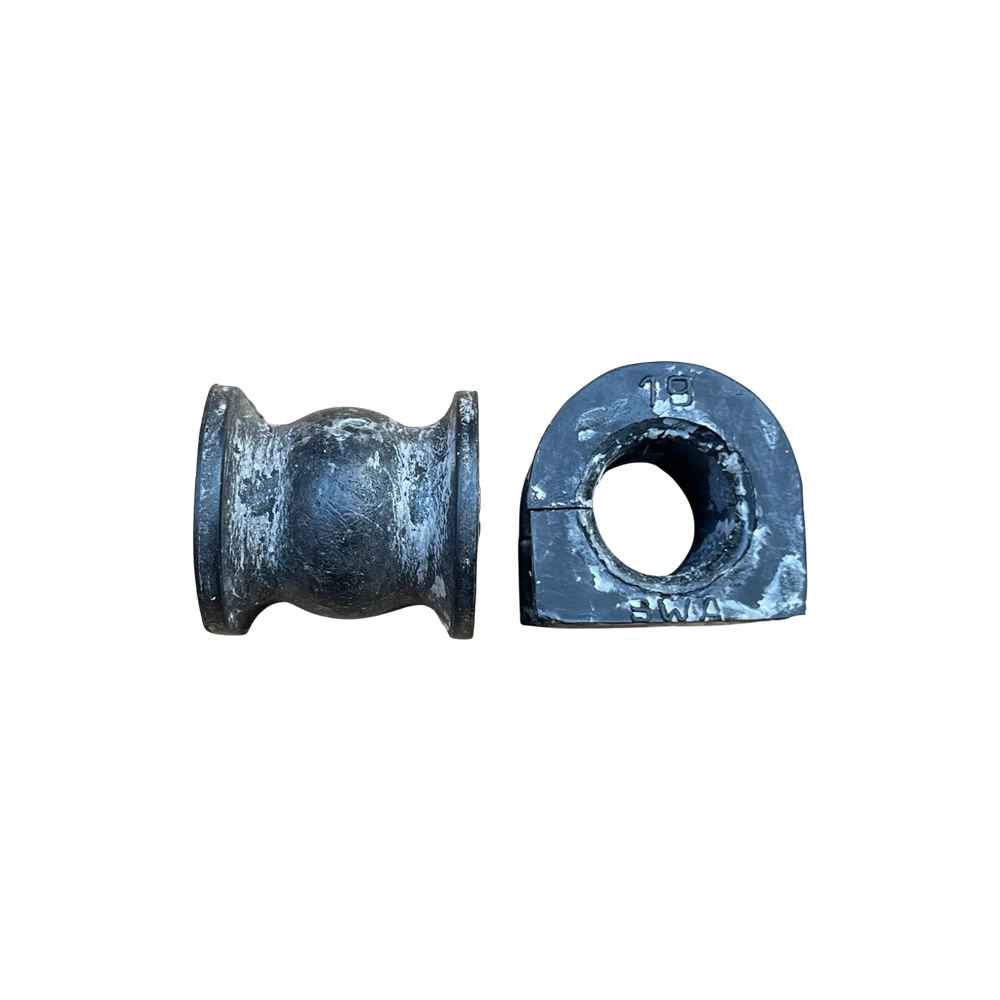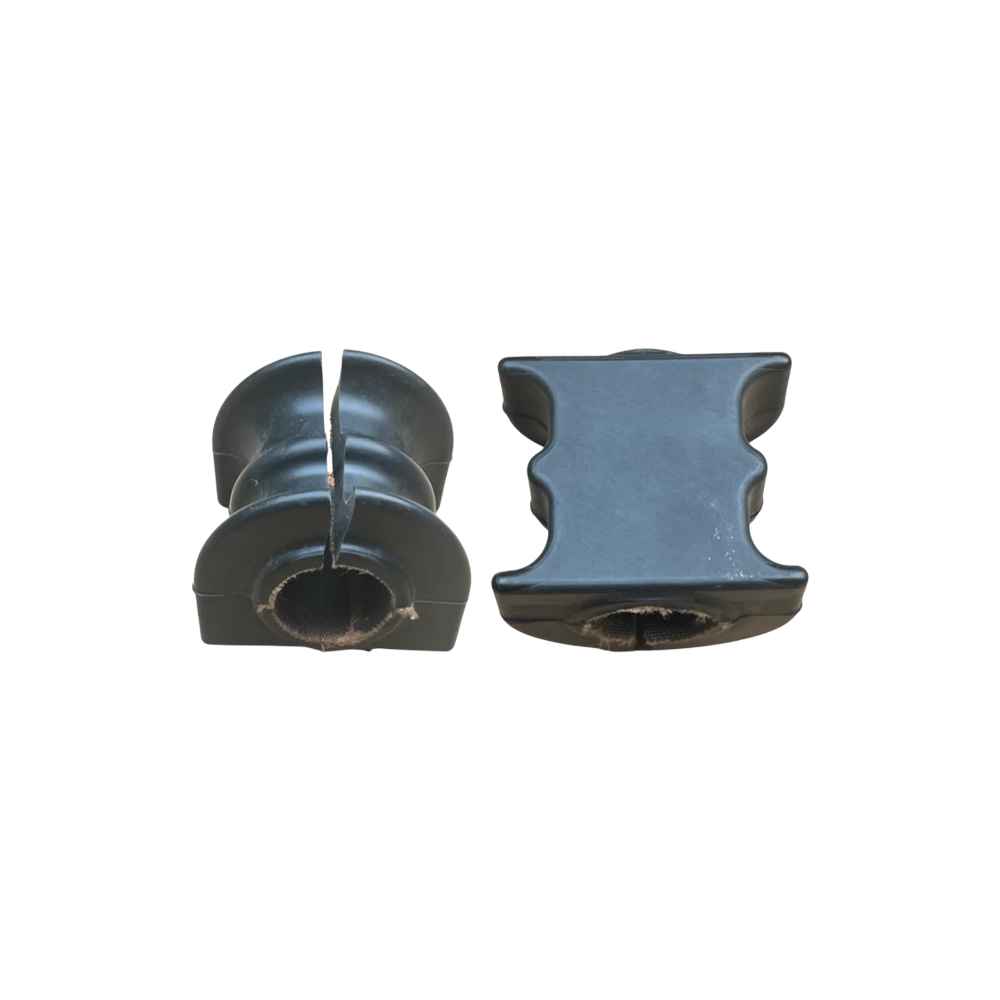
Understanding Rack and Pinion Boots
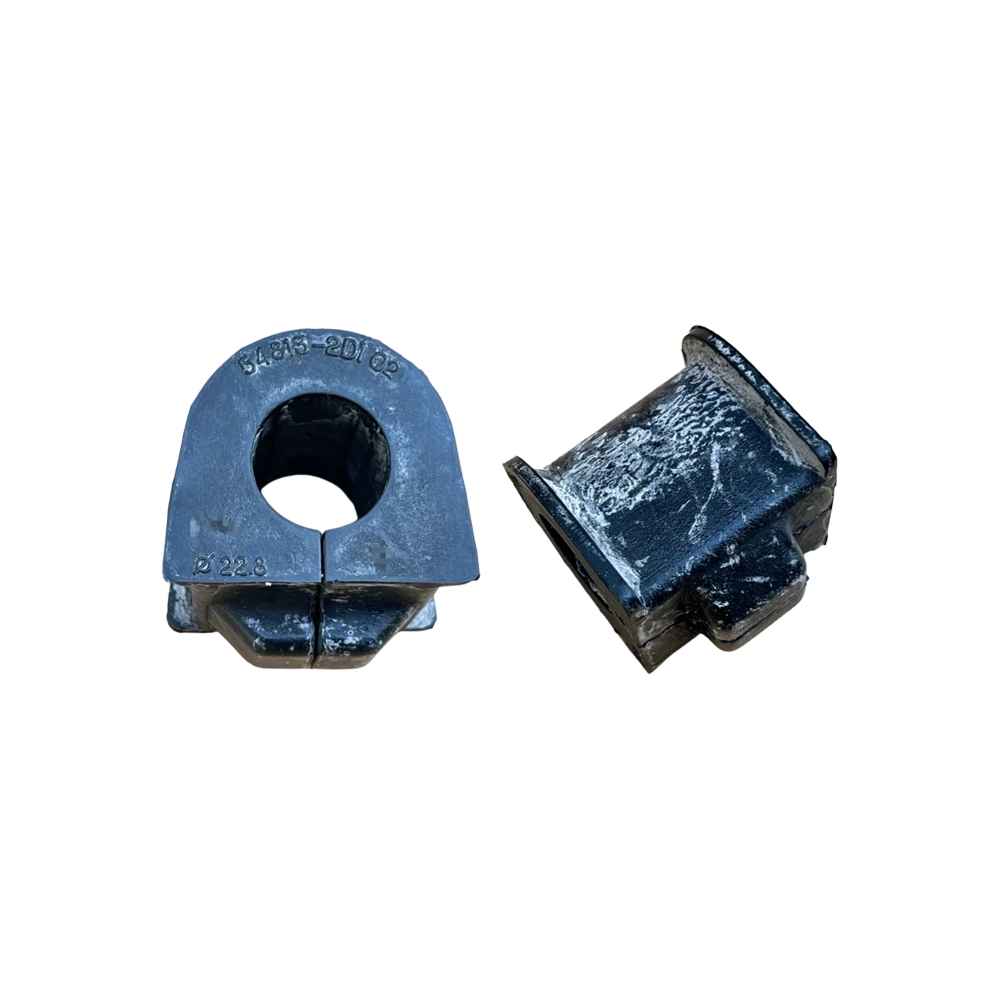
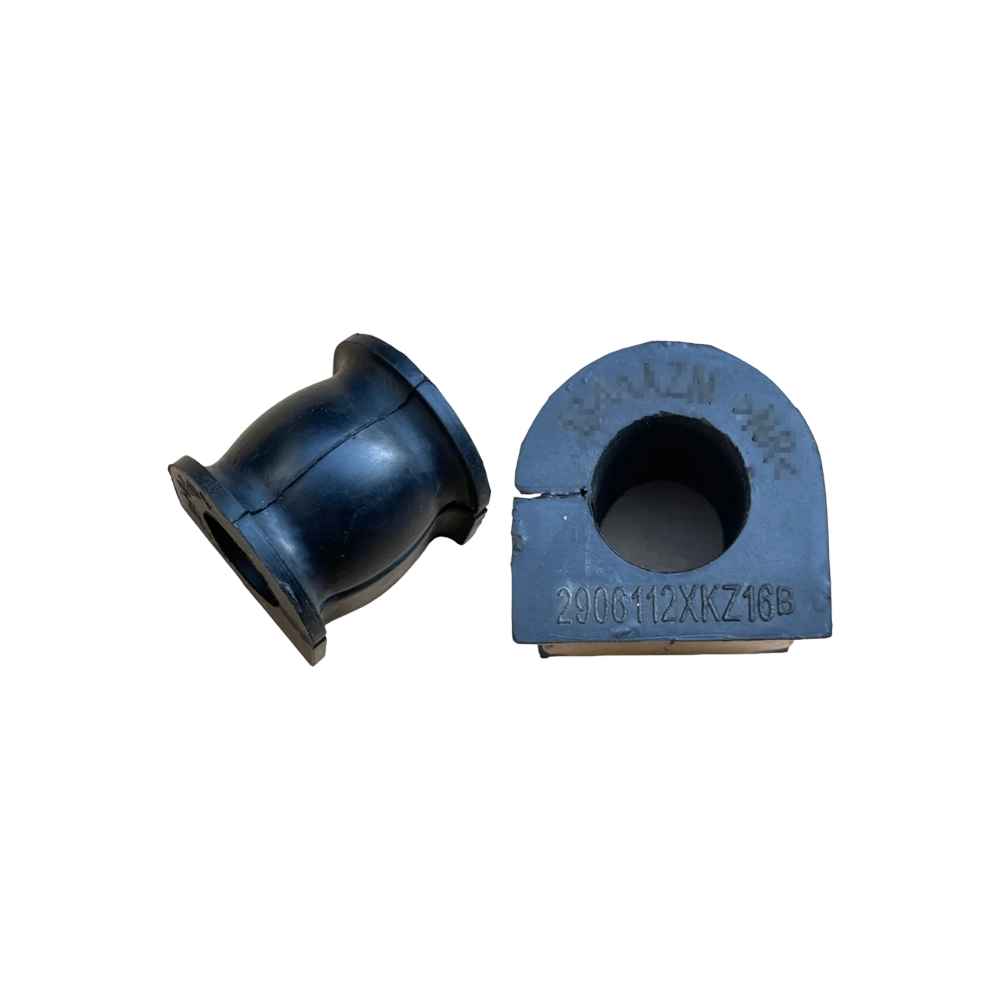
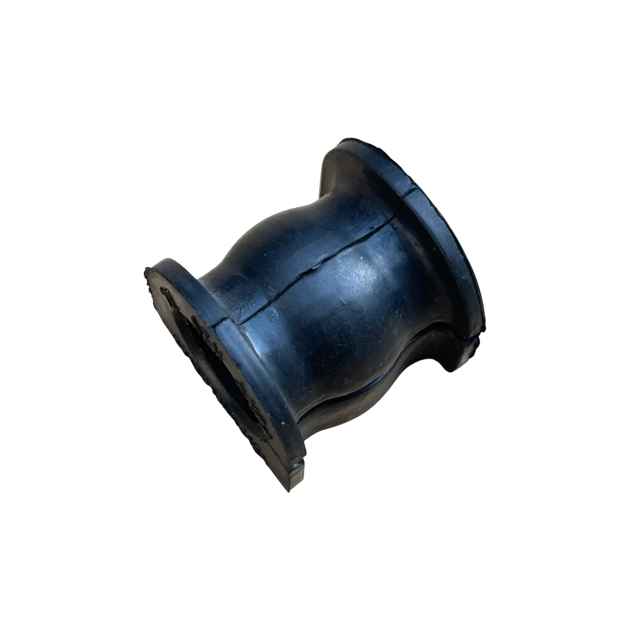
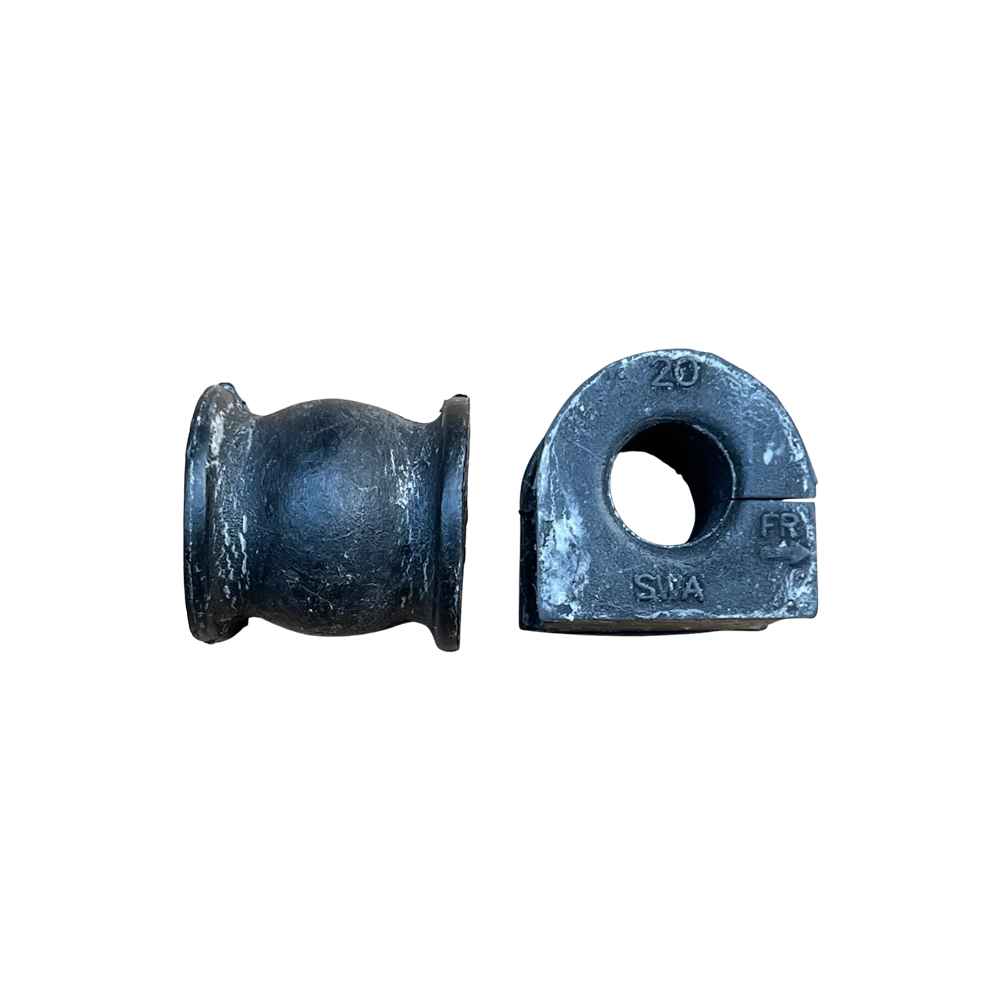
The rack and pinion system is integral to modern steering mechanisms, allowing for precise control of vehicle direction. At the heart of this system are the boots, which serve a crucial role in protecting the internal components from contaminants while retaining lubrication. The material selection for these boots can significantly influence both OEM and aftermarket replacement parts performance.
Materials Used in Rack and Pinion Boots
Various materials are employed in the manufacturing of rack and pinion boots, each with its unique properties that affect longevity and performance. Commonly used materials include:
- Rubber: Traditional choice due to its excellent flexibility and resistance to wear and tear. However, it may degrade faster under extreme temperatures or exposure to chemicals.
- Synthetic Elastomers: These materials, such as thermoplastic elastomers (TPE), offer enhanced durability and temperature resistance compared to standard rubber.
- Polyurethane: Known for its toughness, polyurethane withstands abrasion well and provides superior protection against environmental factors.
Significance of Material Quality on Performance
The quality of the materials used in rack and pinion boots directly impacts their sealing capabilities and overall effectiveness. High-quality boots can effectively prevent dirt, dust, and moisture intrusion, which are critical for maintaining the integrity of the steering system. For instance, robust Steering Rack Boots made from top-grade synthetic elastomers can ensure prolonged service life and reduce the frequency of necessary replacements.
OEM vs. Aftermarket Parts
When comparing OEM (Original Equipment Manufacturer) parts to aftermarket alternatives, the differences often come down to material quality and engineering standards. OEM parts, usually manufactured by the automaker or its licensed suppliers, are designed to meet strict specifications. In contrast, aftermarket parts vary widely in quality, with some manufacturers like Guanghua providing high-performance options that rival OEM products, while others may cut costs at the expense of quality.
Impact on Replacement Frequency
The material composition not only affects the performance but also has a direct correlation with the frequency of part replacement. Boots that utilize inferior materials tend to fail sooner, leading to increased maintenance costs and potential damage to the steering system. Conversely, investing in high-quality materials, whether through OEM or reputable aftermarket sources, can extend intervals between replacements significantly.

Case Studies in Performance Metrics
In several studies, it was noted that vehicles equipped with premium rack and pinion boots exhibited lower failure rates compared to those using cheaper substitutes. For instance, one analysis indicated that vehicles fitted with polyurethane boots experienced a 30% reduction in repair frequency over five years compared to those outfitted with standard rubber counterparts.
Cost Implications for Distributors
For auto parts distributors, understanding the nuances of material performance is crucial. While it might be tempting to opt for lower-cost solutions to maximize margins, the long-term implications of reduced customer satisfaction and increased warranty claims can outweigh initial savings. Offering high-quality parts, such as Shock Absorber Boots and CV Joint Boots , can foster trust and loyalty among customers, ultimately benefiting distributors' bottom lines.
Market Trends and Consumer Preferences
Recent trends indicate a growing consumer preference for durable, high-performance components. As awareness regarding the impact of boot materials on vehicle performance increases, consumers are more likely to seek out reputable brands that emphasize quality. Distributors who align themselves with manufacturers known for producing reliable parts, such as Guanghua, can leverage this trend to enhance market positioning.
Conclusion: The Future of Rack and Pinion Boot Materials
The evolution of materials used in rack and pinion boots will continue to shape the landscape of automotive parts. With advancements in synthetic materials and a heightened focus on performance, both OEM and aftermarket options are set to improve. Distributors must remain informed about these developments to provide their clients with the best possible solutions, ensuring they meet the demands of an ever-evolving market.