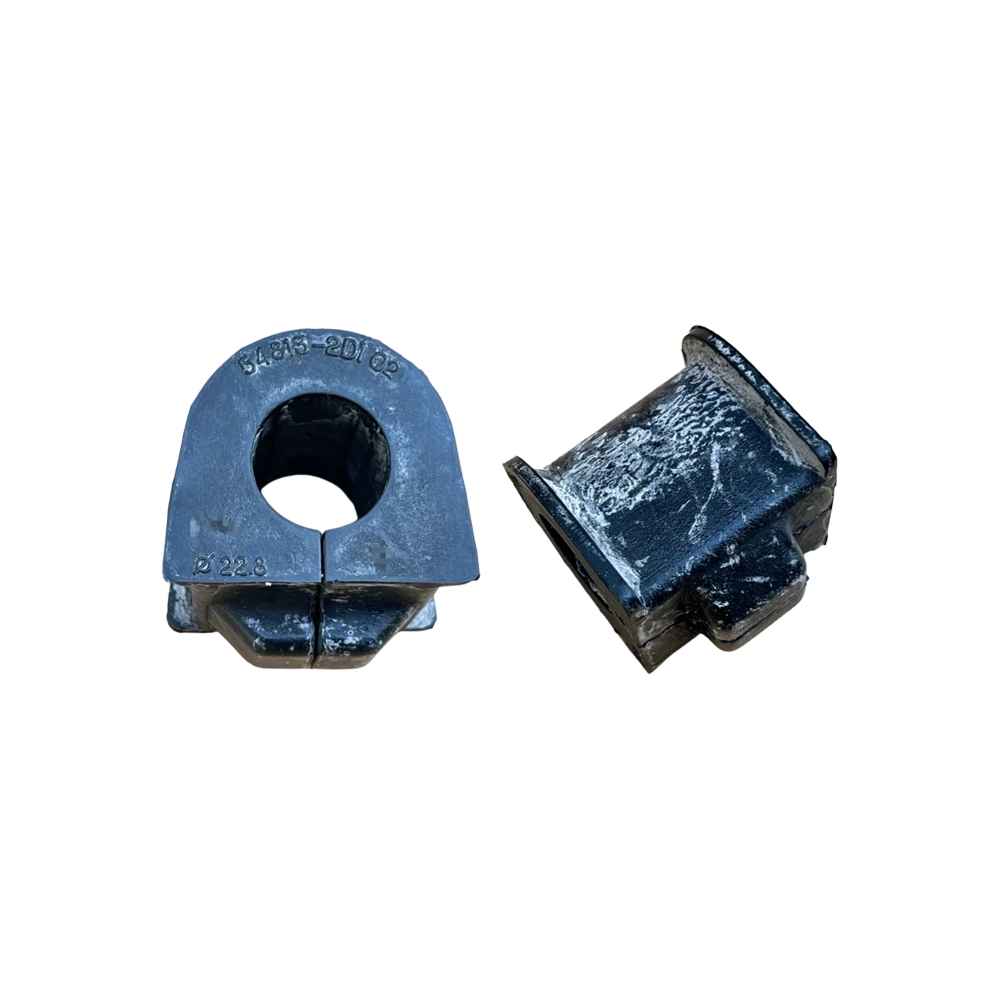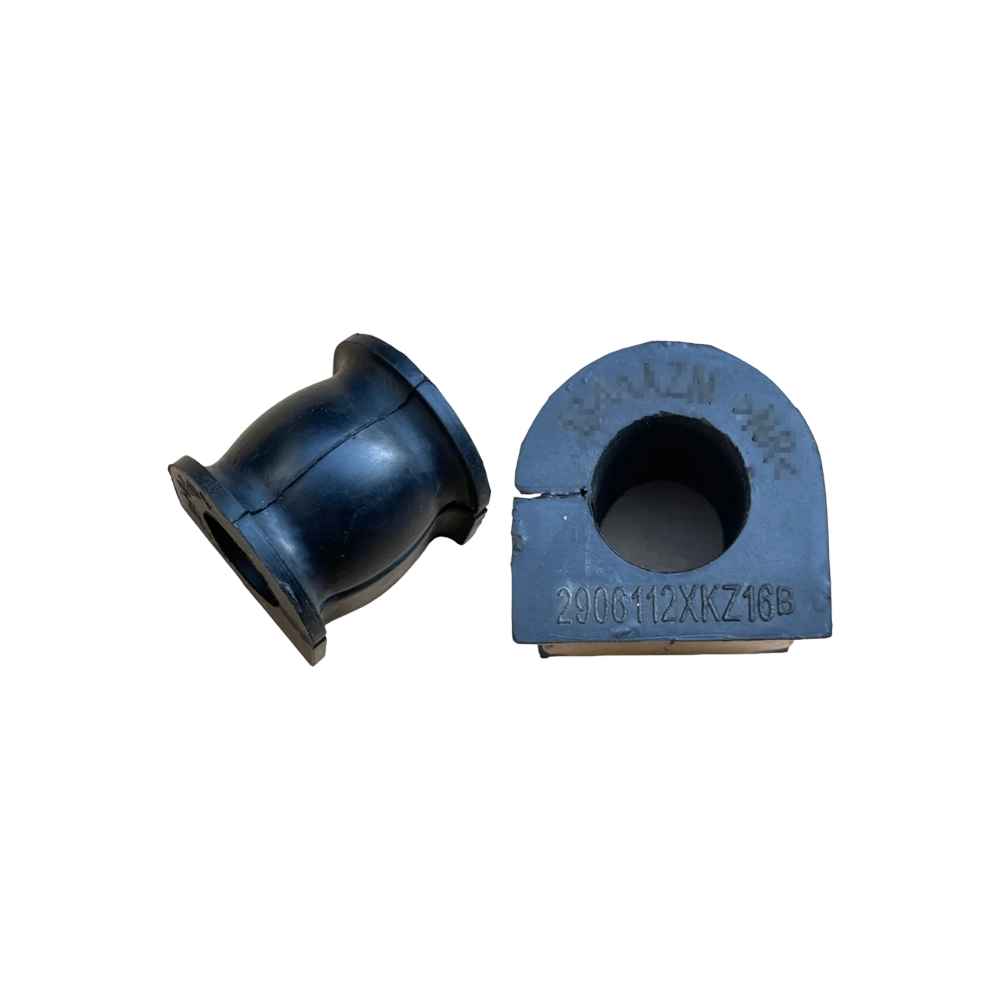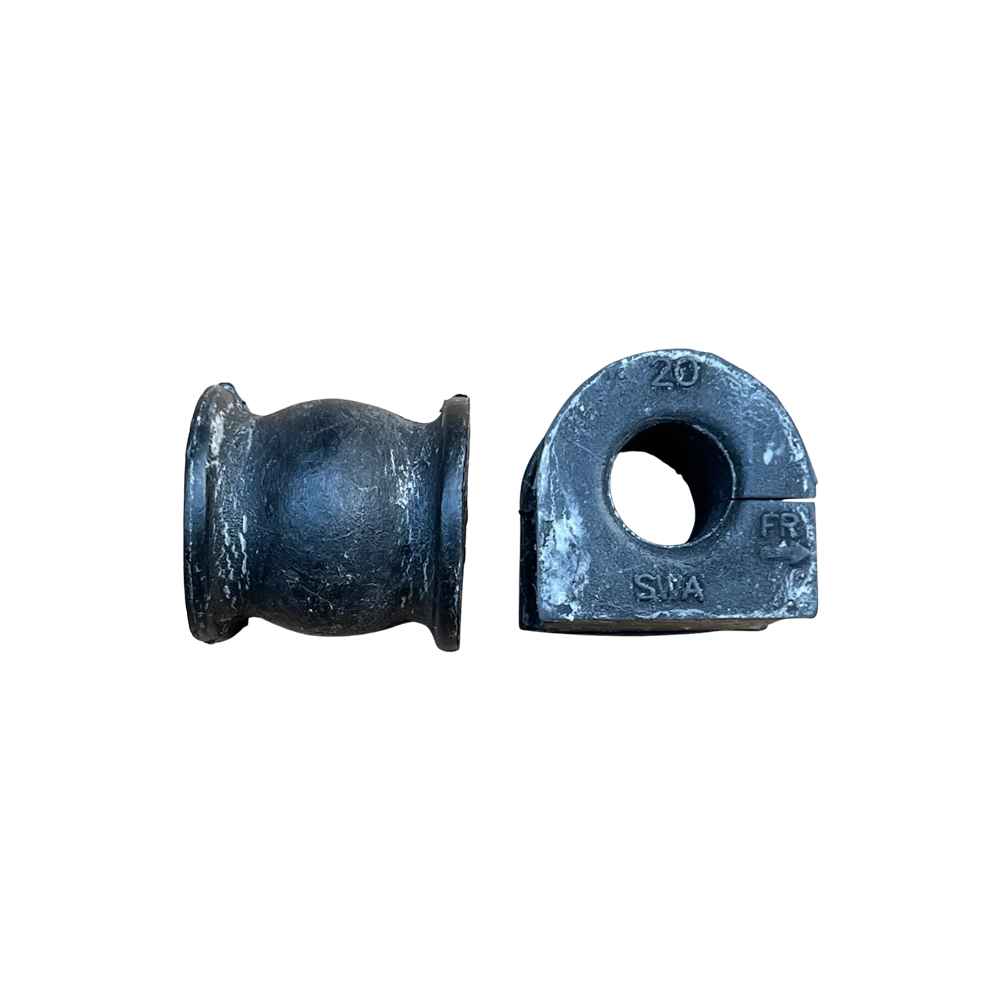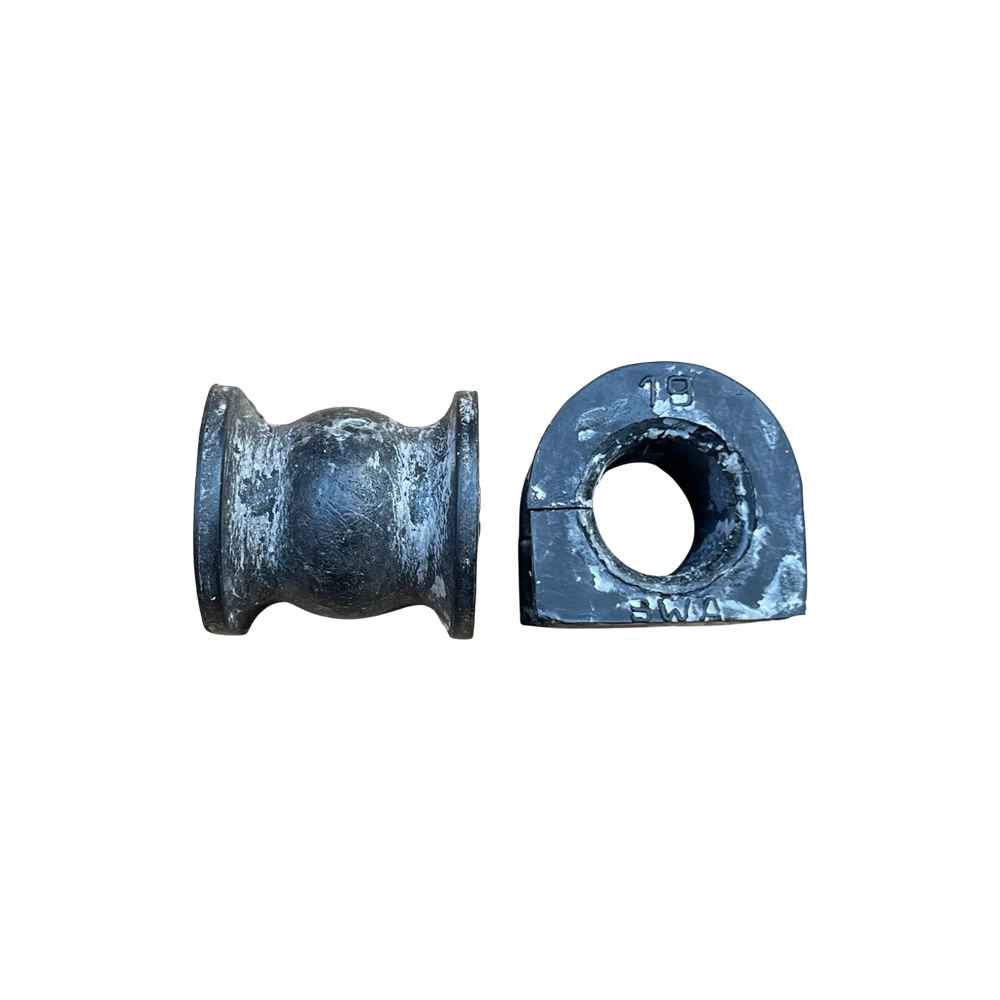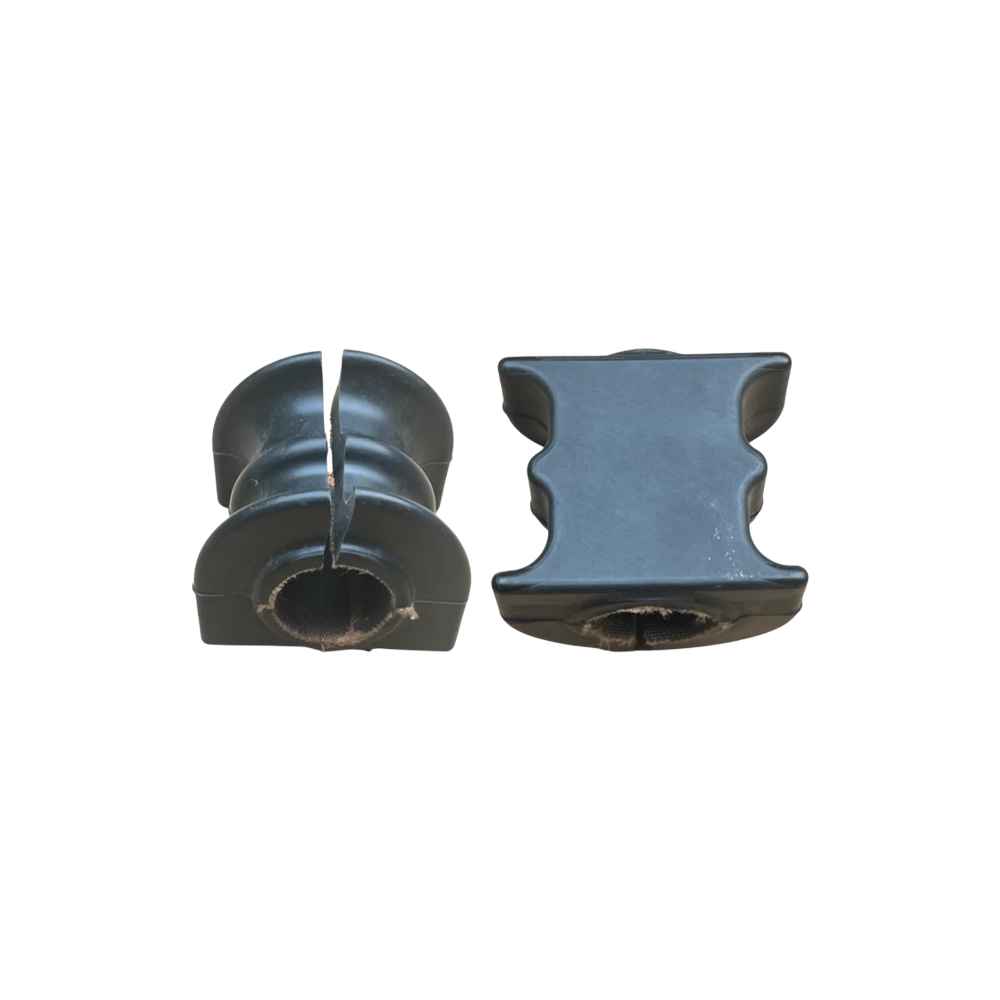
The Importance of Shock Dust Cover Materials
In the realm of automotive engineering, the choice of materials for various components plays a crucial role in overall performance. Particularly, shock dust covers, often overlooked, significantly affect the sealing efficacy of engine cylinder heads. By understanding the properties and performance of different rubber compounds, manufacturers can optimize their designs to ensure superior sealing capabilities.
Material Characteristics Affecting Sealing Performance
When evaluating the impact of shock dust cover materials on engine cylinder head sealing performance, several key characteristics must be considered:
- Durability: The ability of the material to withstand harsh operating conditions is paramount. High-quality rubber compounds exhibit excellent resistance to wear, ensuring long-lasting service life.
- Temperature Resistance: Engine environments subject seals to extreme temperatures. Materials that maintain elasticity and do not degrade under high heat are essential for optimal sealing.
- Chemical Compatibility: Rubber materials must resist degradation from engine oils, fuels, and other fluids. Utilizing compounds designed for compatibility minimizes the risk of seal failure.
- Flexibility: A flexible material can better accommodate movement within the engine assembly. This characteristic is vital for effective sealing under various operational stresses.
Common Rubber Compounds Used in Shock Dust Covers
Several types of rubber compounds are commonly utilized in the production of shock dust covers, each offering unique advantages:
- Nitrile Rubber (NBR): Known for its excellent oil resistance, NBR is a popular choice. It provides good compressive strength and is suitable for many automotive applications.
- EPDM Rubber: Ethylene Propylene Diene Monomer (EPDM) is highly resistant to heat, ozone, and weathering. Its properties make it ideal for exterior applications where UV exposure is a concern.
- Fluoroelastomers: Offering exceptional chemical resistance and thermal stability, fluoroelastomers are often used in high-performance applications, though they come at a premium cost.
- Silicone Rubber: With outstanding temperature resistance, silicone is often employed in applications requiring extreme heat tolerance, although it may not be as chemically resistant as nitrile or fluoroelastomers.
Evaluating the Impact on Engine Cylinder Head Sealing
The effectiveness of any sealing solution hinges on not only the material but also the design and manufacturing processes involved. For instance, the thickness of the shock dust cover can influence how well it conforms to the engine cylinder head. Moreover, proper installation, including alignment and torque specifications, directly affects sealing integrity.
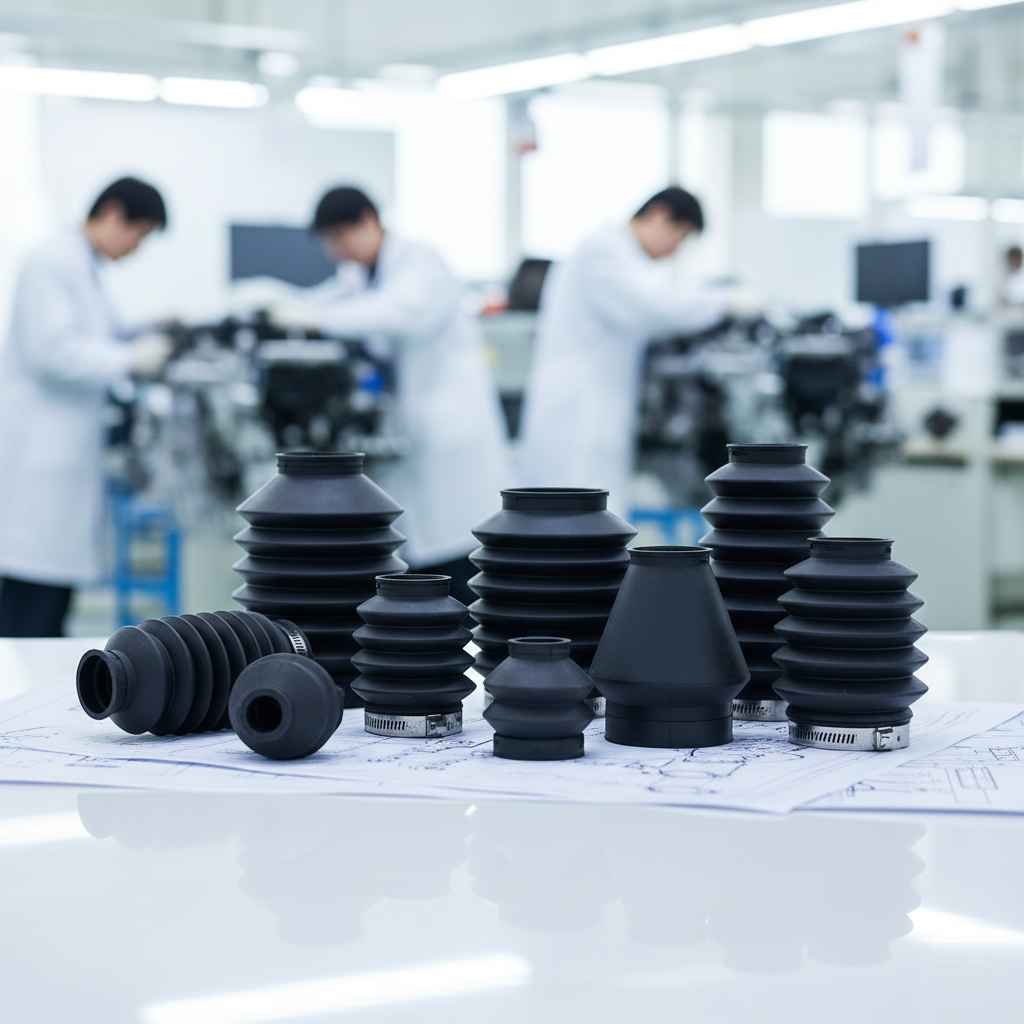
Testing and Validation Methods
To assess the sealing performance of various shock dust cover materials, rigorous testing protocols are implemented. These may include:
- Compression Set Tests: Evaluating how much a material retains its original thickness after being compressed over time.
- Heat Aging Tests: Exposing samples to elevated temperatures for extended periods to observe changes in mechanical properties.
- Chemical Exposure Tests: Assessing material resistance by immersing samples in various automotive fluids.
Environmental Considerations
As sustainability becomes increasingly important in the automotive sector, the environmental impact of rubber materials cannot be ignored. Manufacturers, such as Guanghua, are exploring bio-based rubber compounds and recyclable materials to reduce ecological footprints while maintaining performance standards.
Conclusion: The Future of Sealing Solutions
As advancements in material science continue, the development of new rubber formulations presents exciting possibilities for enhancing engine cylinder head sealing performance. By prioritizing durability, chemical compatibility, and temperature resistance, companies can produce more reliable shock dust covers. The integration of smart manufacturing techniques further promises to refine these rubber sealing solutions, ensuring they meet the ever-evolving demands of modern engines.