Understanding Steering Rack Boot Materials
When it comes to the longevity and performance of a vehicle's driveline and axle, one might not immediately think about steering rack boot materials. But let me tell ya, these little guys play a crucial role in keeping everything running smoothly. Steering Rack Boots essentially protect the steering components from dust, dirt, and moisture—factors that can really mess things up if allowed in.
A Deep Dive into Material Types
So what types of materials are we talking about here? The most common materials used for Steering Rack Boots typically include rubber and thermoplastic elastomers (TPE). Each has its pros and cons that can affect performance. Rubber is known for its durability but can degrade over time due to exposure to elements. On the flip side, TPEs offer better flexibility and resistance to wear and tear but might not always hold up under extreme conditions.
Impact on Driveline Performance
The material quality of Steering Rack Boots can influence the overall driveline performance significantly. A low-grade rubber boot, for example, may crack and fail sooner than you’d like, allowing contaminants to seep in. This can lead to premature wear of the steering rack and other vital components. You simply do not want that!
- High-quality materials: Enhance longevity and functionality.
- Poor quality: Opens the door for issues down the line.
Case Study: Guanghua’s Approach
Take Guanghua, a notable player in the rubber auto parts industry. They’ve been focusing on high-grade materials for their steering rack boots, which has made a big difference in performance metrics. By investing in superior rubber blends and conducting rigorous tests, they ensure their products meet stringent quality standards.
Importance of Sealing in Axle Repair
Sealing is another pivotal aspect in any repair scenario involving axles. If your steering rack boots are compromised, the O-Rings and rubber sealing rings also take the hit. It’s like a chain reaction; one weak link can cause problems everywhere else. When you’re repairing an axle, you need to consider the state of all connecting parts, including those rubber seals.
Real-World Implications
I once worked on a vehicle where the steering rack boot had completely failed. The result? Contaminated grease led to a total steering rack replacement. Not fun! That’s why I always emphasize using top-notch components. It saves both time and money in the long run.
Other Components to Consider
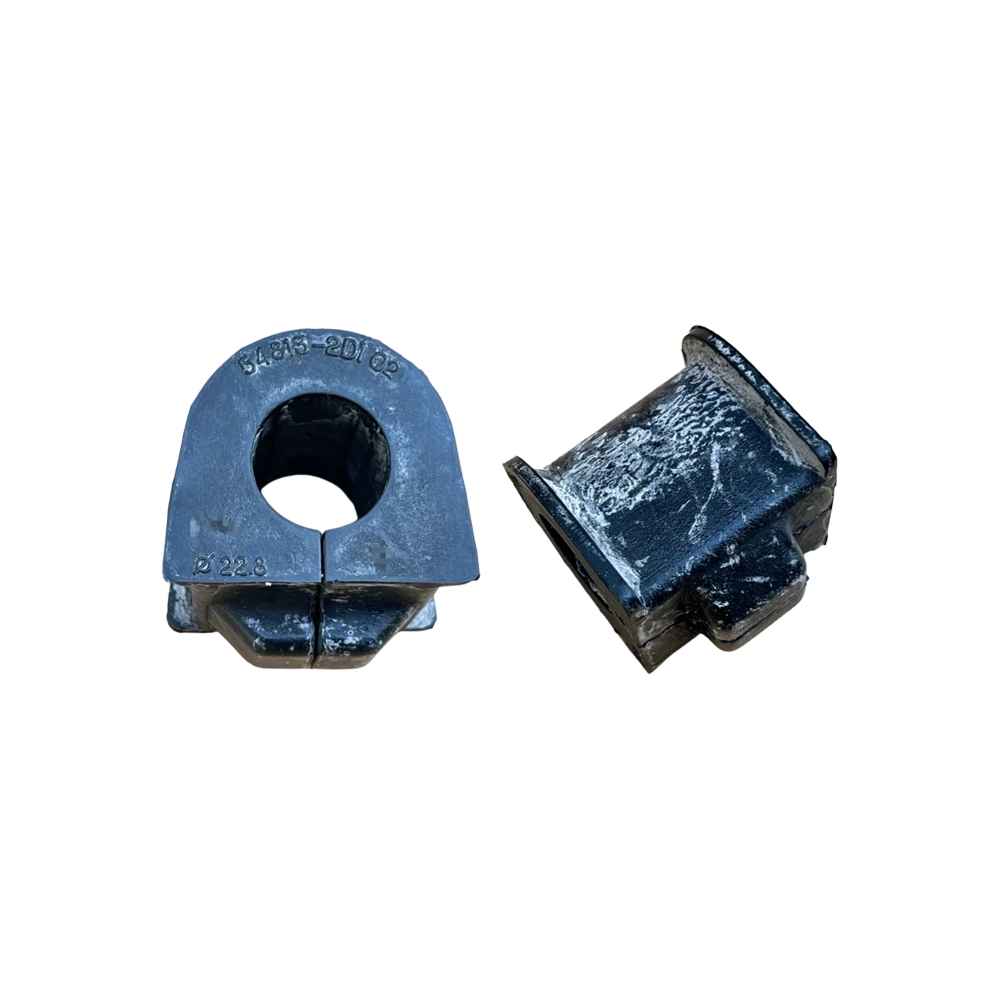
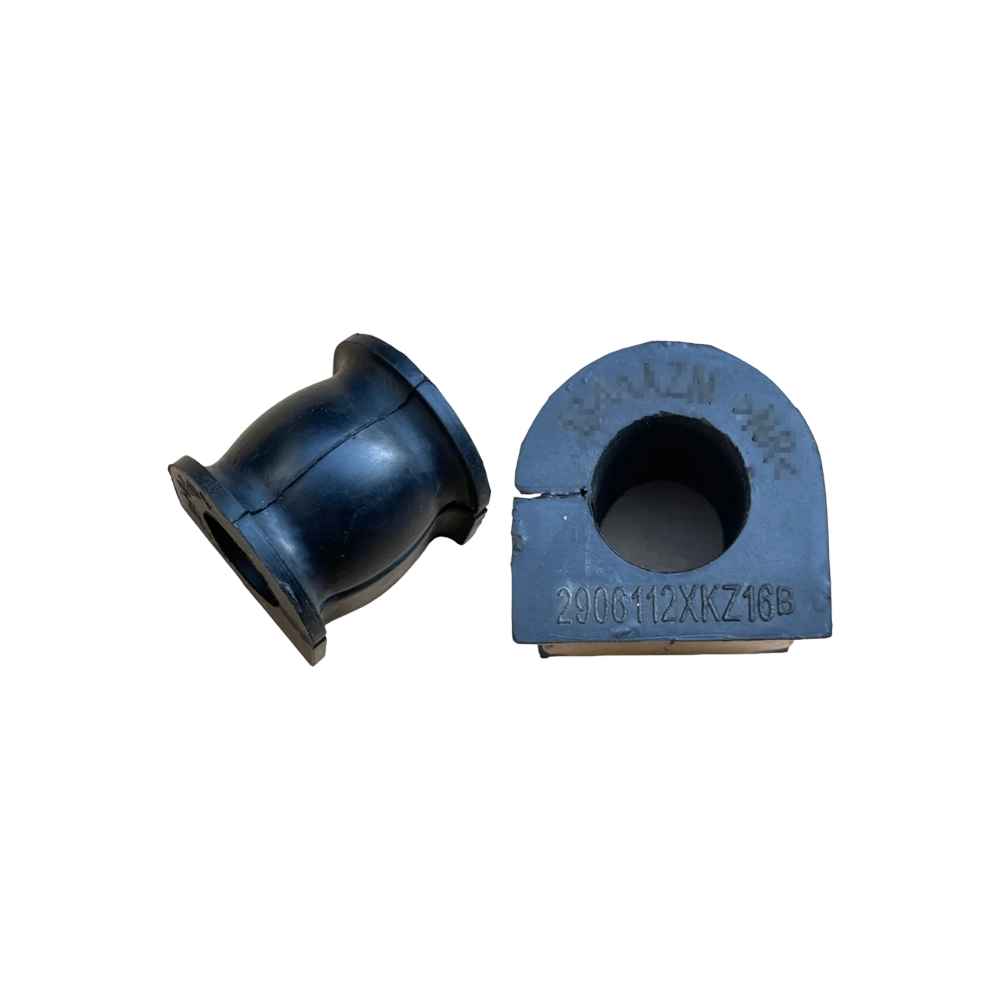
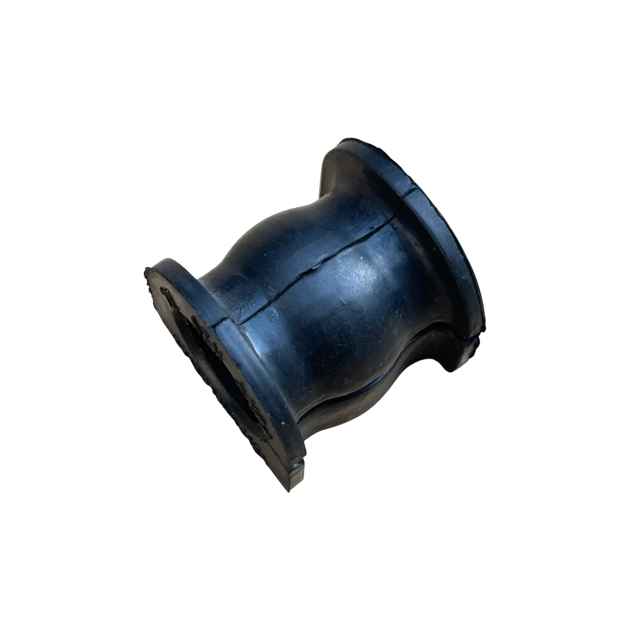
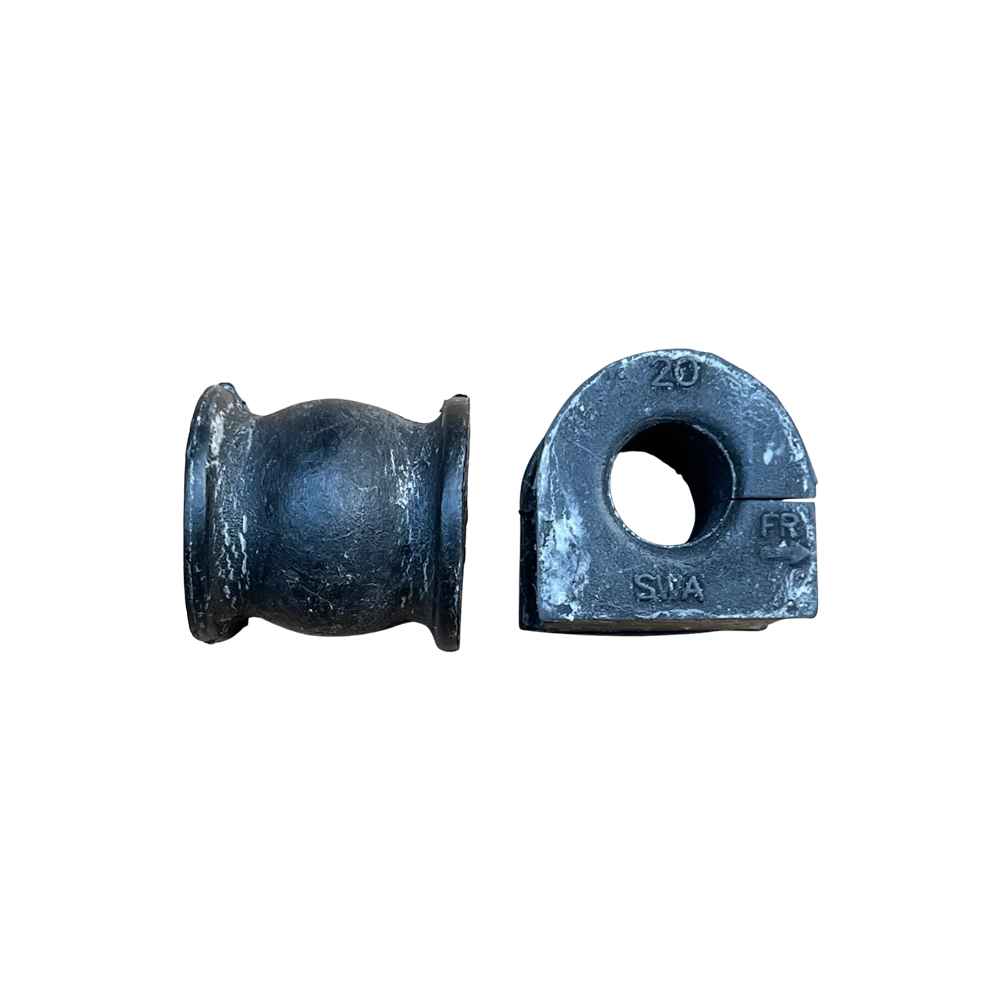
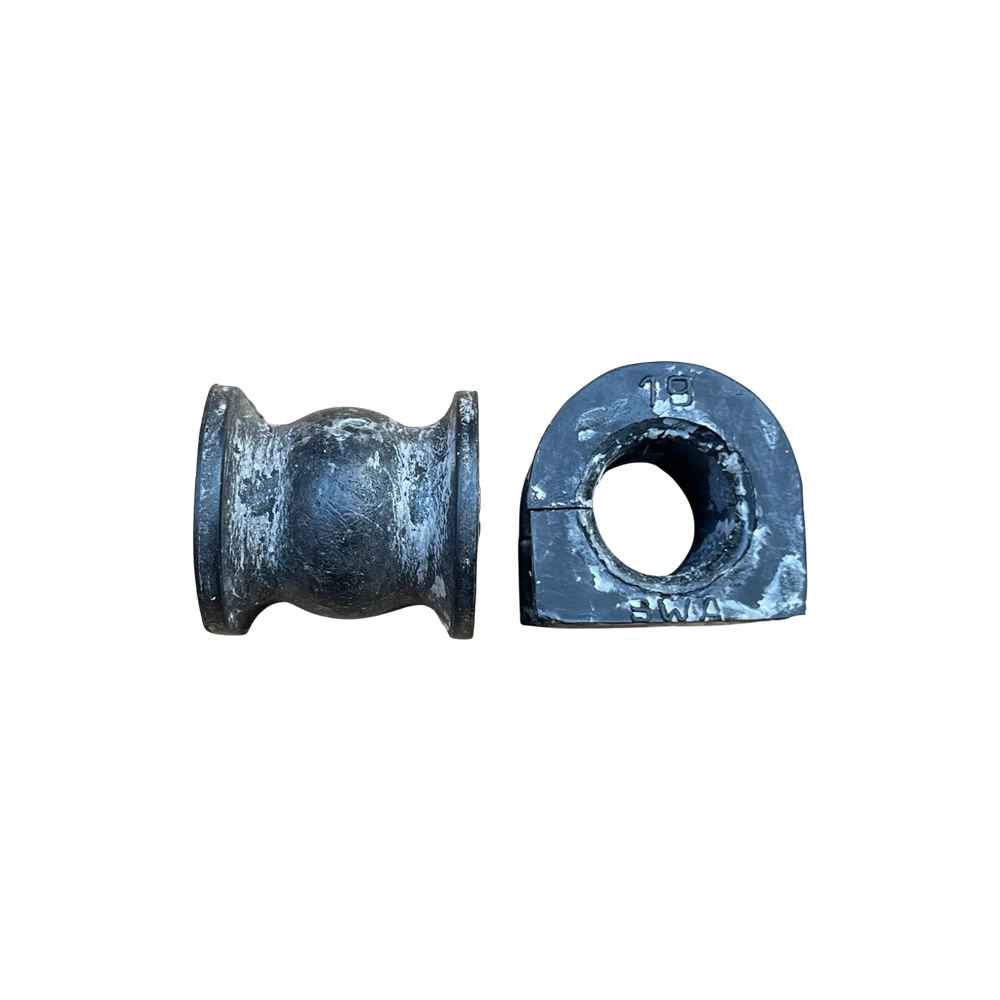
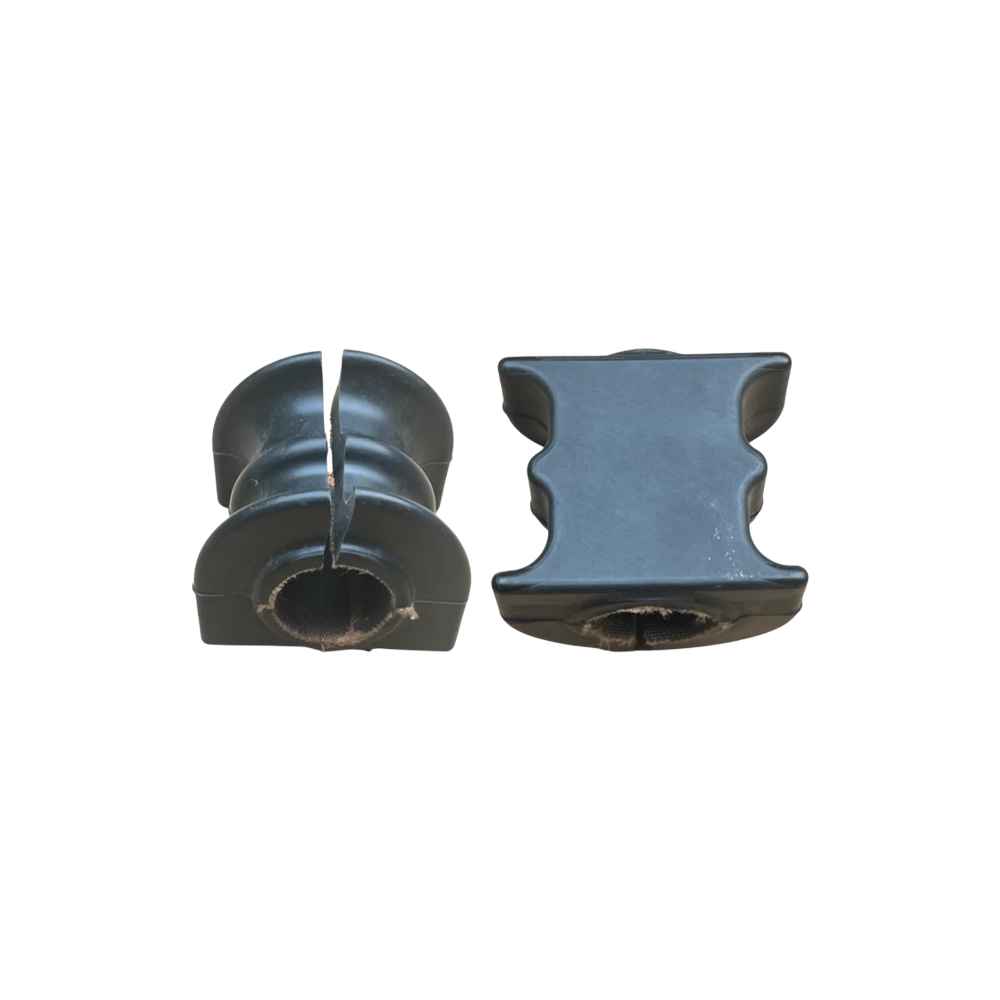
Besides the focus on steering rack boots, don't forget about other related components such as shock absorber boots and stabilizer bar bushings. These components work hand-in-hand with the steering system and, like the boots, need to be made from reliable materials to withstand the rigors of daily driving.

Tips for Selection
When selecting steering rack boots, consider the following:
- Check the manufacturer’s reputation.
- Look for materials specifically designed for automotive use.
- Confirm warranty details—this shows confidence in the product.
Future Trends in Boot Materials
The automotive industry is constantly evolving. With advancements in technology, we might see the rise of new materials that could outperform traditional rubber options. Biodegradable materials, for instance, could become a trend as more companies look to go green. If anyone can innovate in this space, it’s the folks at Guanghua!
Final Thoughts
So there you have it—a deeper understanding of how steering rack boot materials impact vehicle driveline and axle repair performance. Choosing the right materials can save you headaches and heartaches down the road. Think of it as an investment in your vehicle's future. Keep those boots intact, and your ride will thank you!