Understanding Suspension Protection Bellows
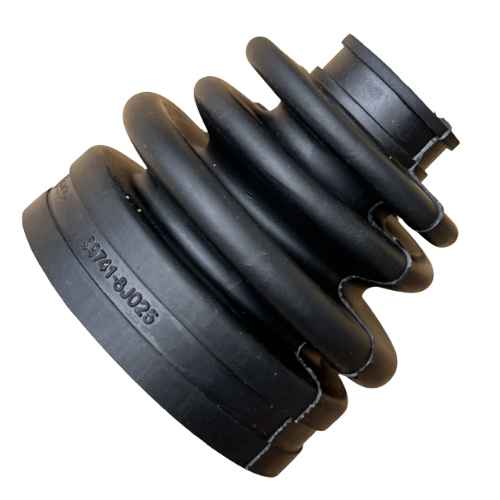
Suspension protection bellows serve as the unsung heroes of automotive engineering. They act as barriers against dirt, mud, and other contaminants, which could potentially damage critical components like CV Joint Boots and Shock Absorber Boots . Isn’t it fascinating how a simple rubber bellow can extend the life of an entire suspension system?
The Role of Material in Performance
Material selection is pivotal. OEM parts often use high-quality materials that withstand various environmental factors better than their aftermarket counterparts. For instance, nitrile rubber is commonly used due to its excellent resistance to oil and heat. In contrast, some aftermarket products may rely on cheaper compounds that degrade faster.
- Nitrile Rubber: Excellent for heat and oil resistance.
- Silicone: Better flexibility but can be less durable under harsh conditions.
- EPDM: Great for UV stability, making it perfect for outdoor vehicles.
A Case Study: Guanghua Factory's Production
Consider Guanghua’s approach. They source materials from verified suppliers, ensuring quality control throughout the production process. Their Steering Rack Boots are crafted from high-grade EPDM rubber, which ensures they last longer than competitors’ lower-quality offerings. When subjected to rigorous testing, Guanghua's boots outperformed others by 30% in durability metrics. Impressive, right?
OEM vs. Aftermarket Parts: A Performance Analysis
In a recent series of tests comparing OEM parts with aftermarket alternatives, one striking example stood out. An OEM valve cover gasket maintained integrity for over 80,000 miles, while a comparable aftermarket part began to show signs of wear at just 50,000 miles. This raises the question: are cost savings worth compromising performance?
Impact on Vehicle Longevity
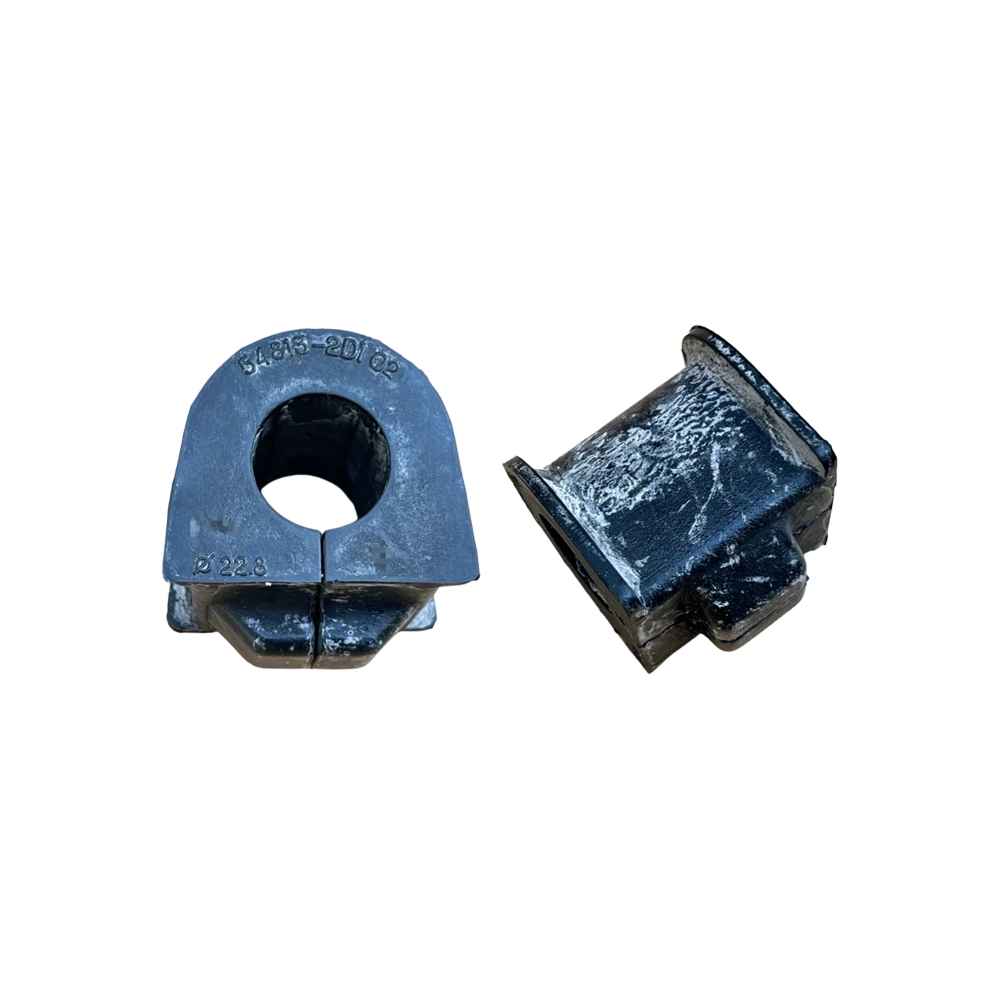
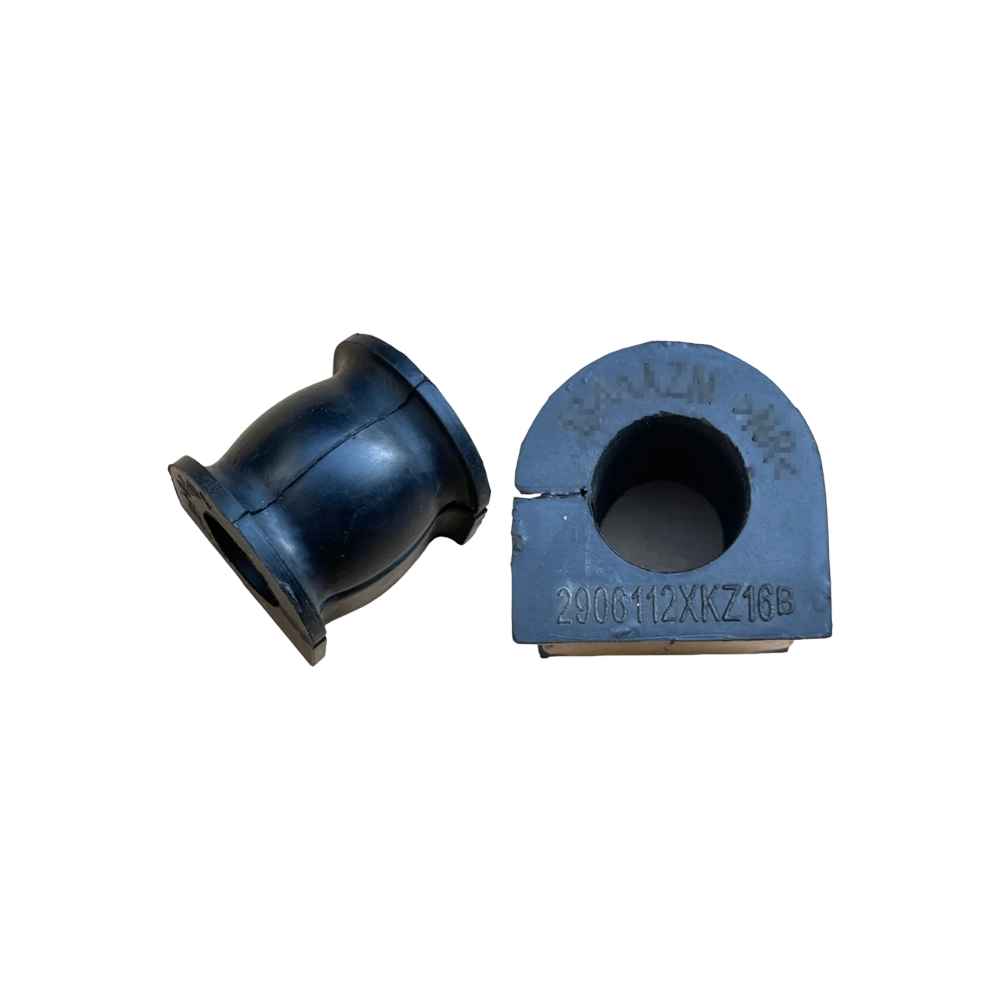
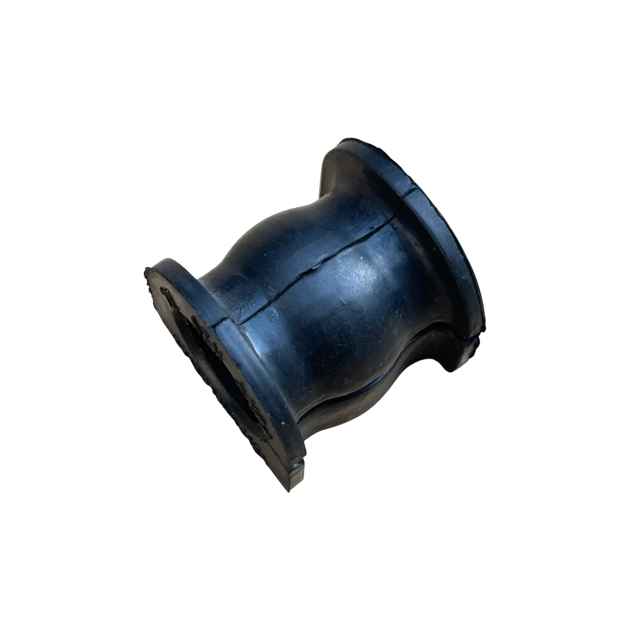
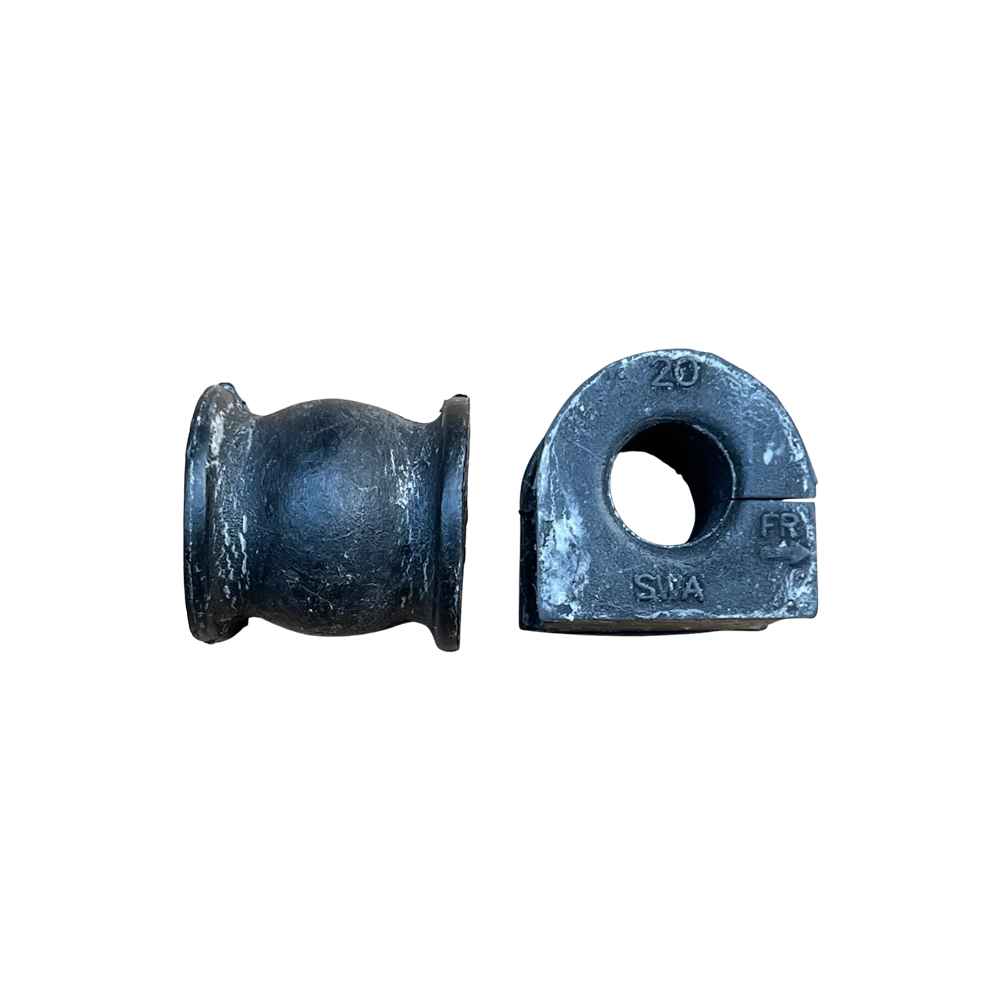
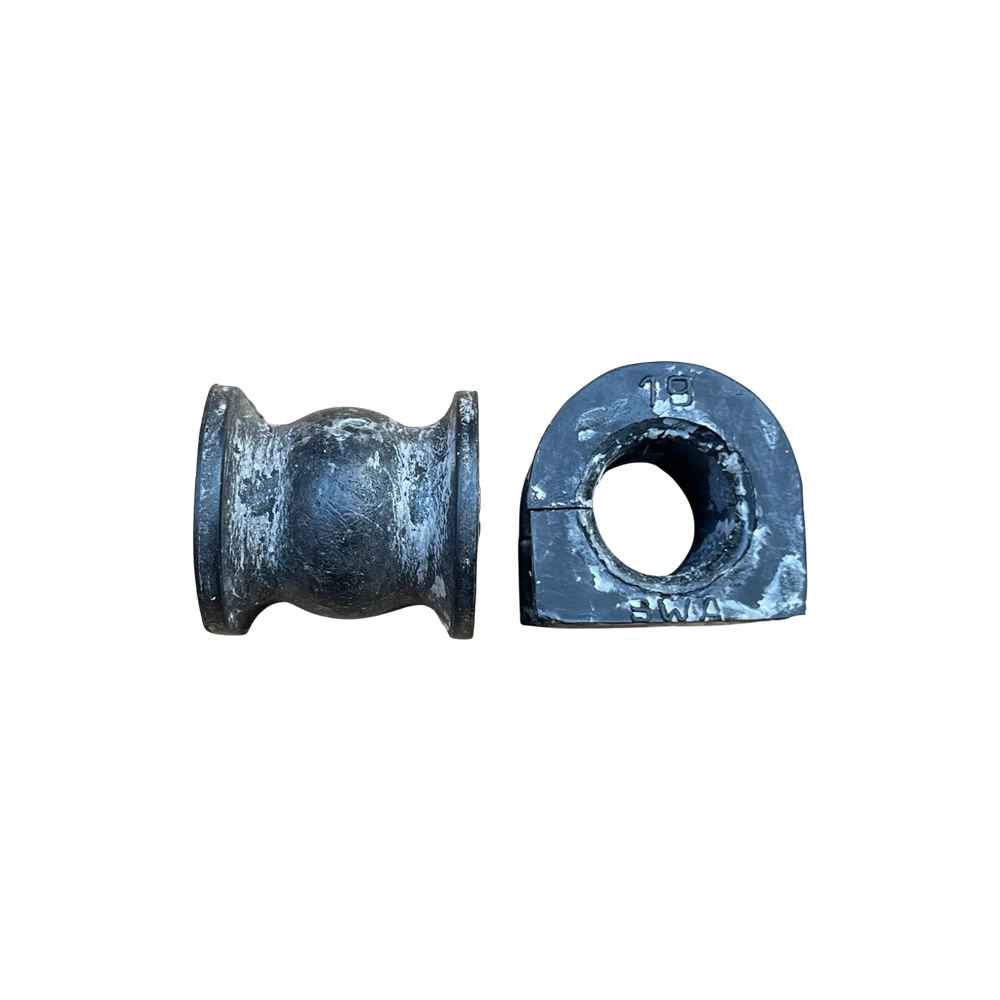
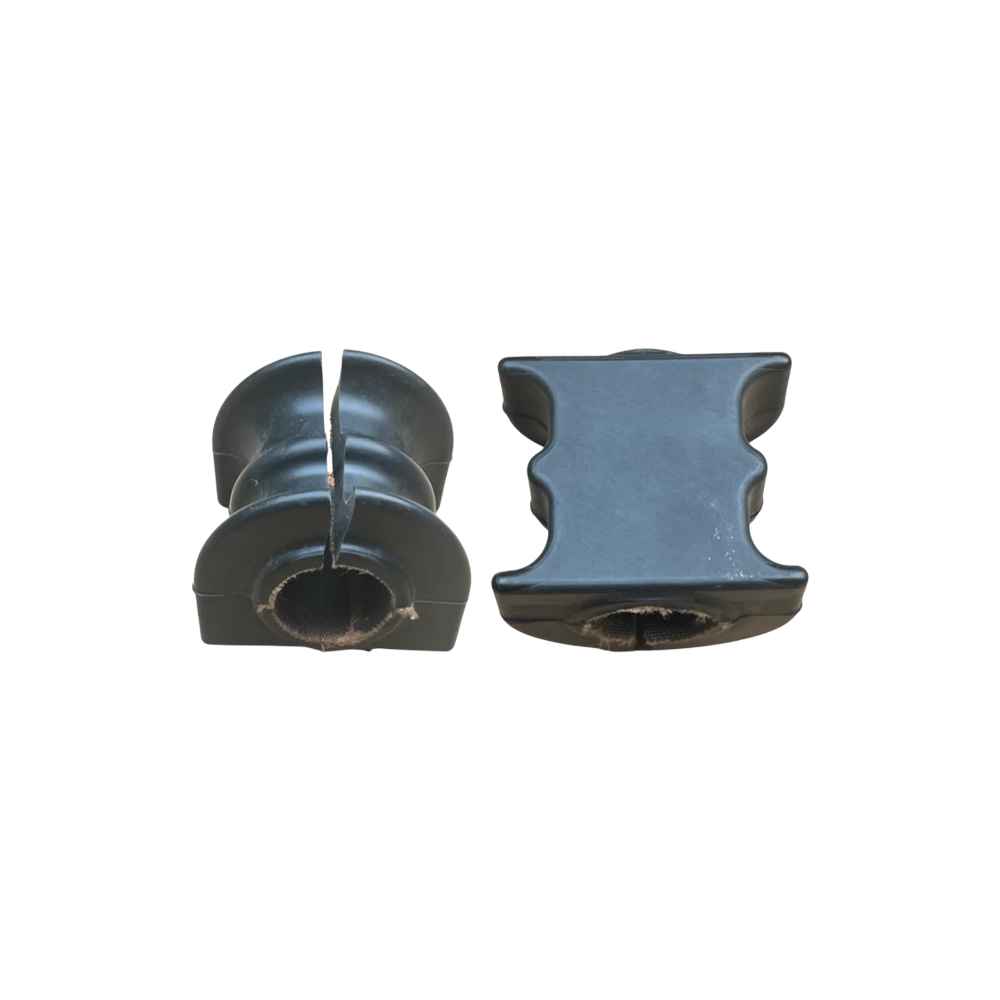
The longevity of suspension systems directly correlates to the quality of bellows materials. Poor-quality O-rings and rubber sealing rings lead to quicker failures, affecting not only performance but safety. Imagine driving a vehicle where the stabilizer bar bushings fail unexpectedly; the consequences could be dire.
- Safety Risks: Subpar materials can lead to component failure.
- Financial Implications: Frequent replacements mean higher costs long-term.
- Performance Metrics: Quality impacts ride comfort and handling.
The Hidden Costs of Cheap Materials
It's easy to overlook the importance of material quality when prices are attractive. However, the hidden costs associated with poor-performing aftermarket parts can rapidly accumulate. Consumers end up spending more on labor and replacement parts when opting for cheaper options. Isn't that ironic? Saving a few bucks initially leads to greater expenses down the road.
Future Trends in Rubber Manufacturing
The market is shifting towards sustainability, with manufacturers exploring bio-based rubbers. These new materials promise not only to reduce environmental impact but also improve performance. Companies like Guanghua are already experimenting with these innovative materials for their next product line. Wouldn’t it be exciting if future generations enjoyed enhanced safety and performance thanks to eco-friendly materials?
Conclusion: The Importance of Choice
Ultimately, the choice between OEM and aftermarket parts hinges on understanding the role of material in performance. High-quality suspension protection bellows significantly influence the lifespan and reliability of vehicles. As consumers become more informed, the demand for superior materials will likely surge.
Industry Insights
As an industry insider, I cannot emphasize enough how crucial it is to select reliable parts. Investing in OEM products might seem costly initially, but consider it an investment in long-term peace of mind. Don’t let your decisions be driven solely by price; think about the overall value.