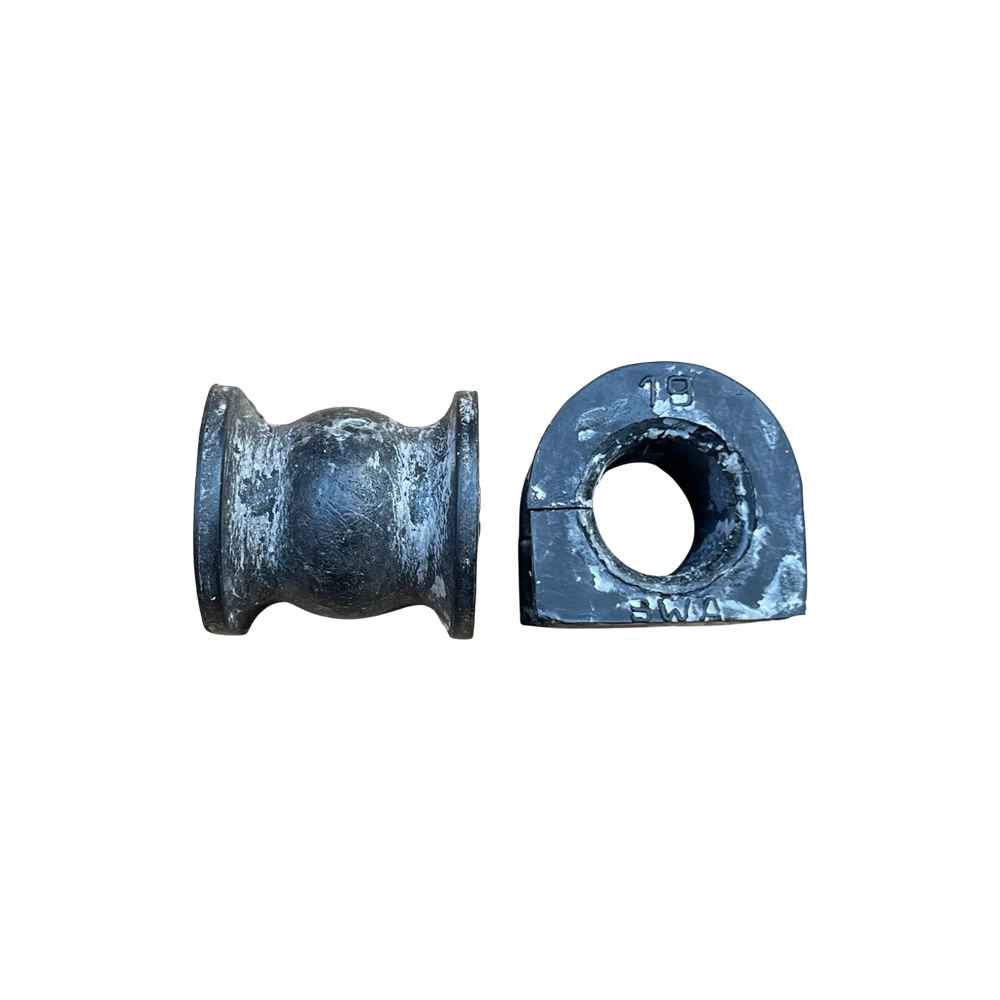
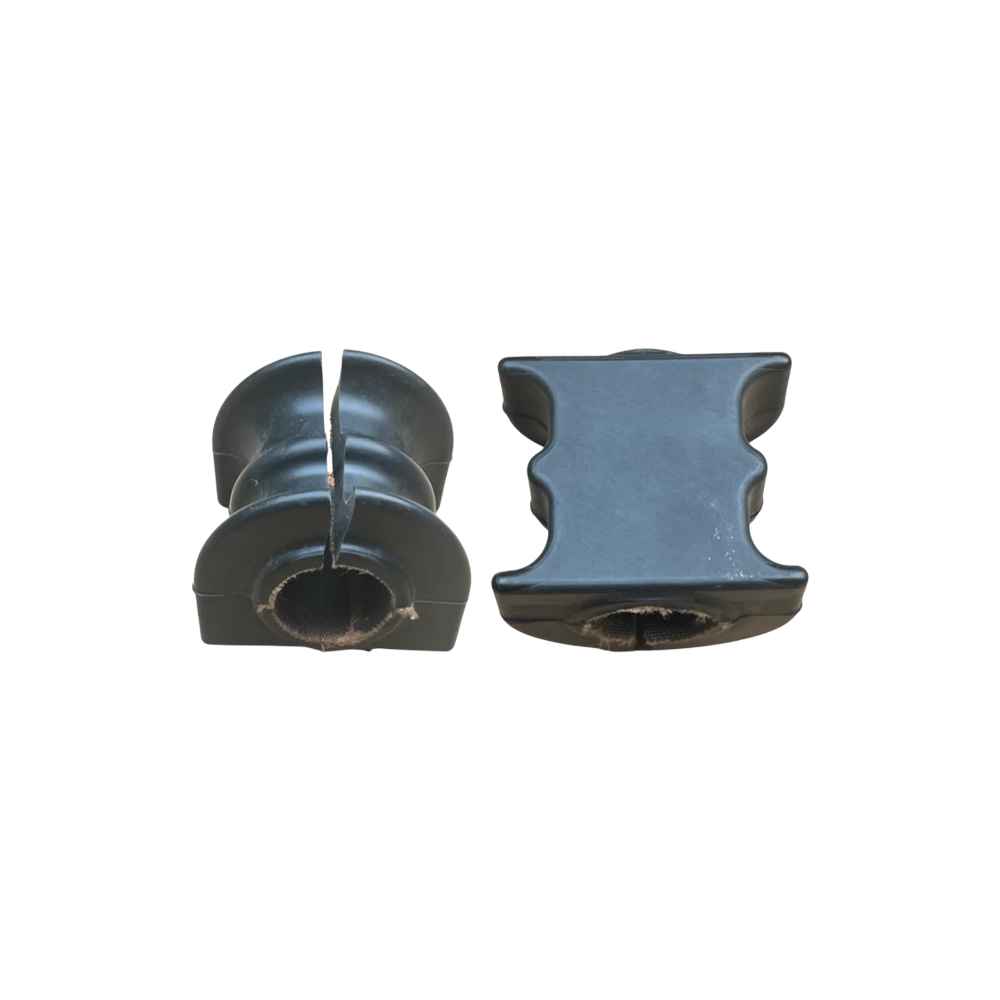
Understanding CV Joint Boots
In the world of automotive hydraulic systems, the CV joint boot plays a crucial role in maintaining vehicle performance. Considering their importance, it’s essential to comprehend how these components function and the implications of their quality.
What is a CV Joint Boot?
The Constant Velocity (CV) joint boot serves as a protective cover for the CV joint, which connects the drive shaft to the wheel hub. This boot keeps lubricants sealed within the joint while preventing dirt, debris, and moisture from entering. Failure of the CV joint boot can lead to significant damage, resulting in costly repairs or even complete joint failure.
The Importance of Quality Materials
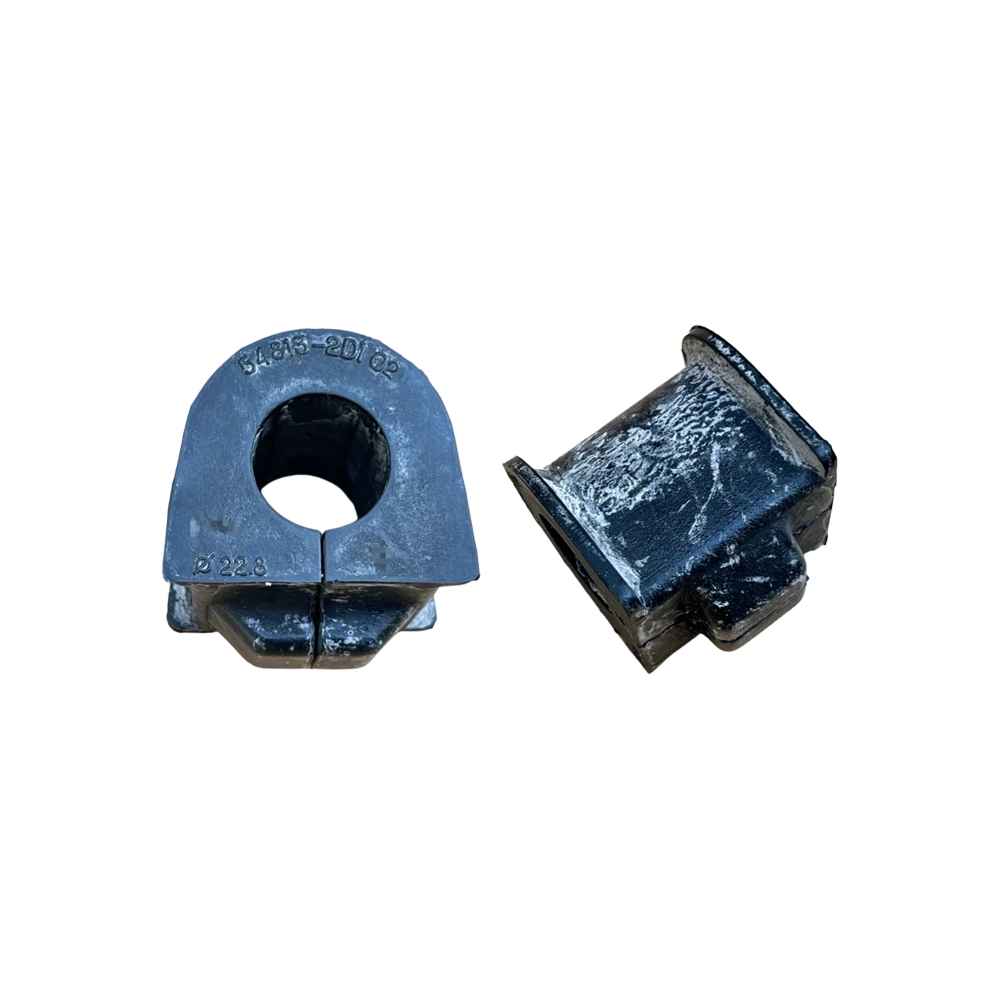
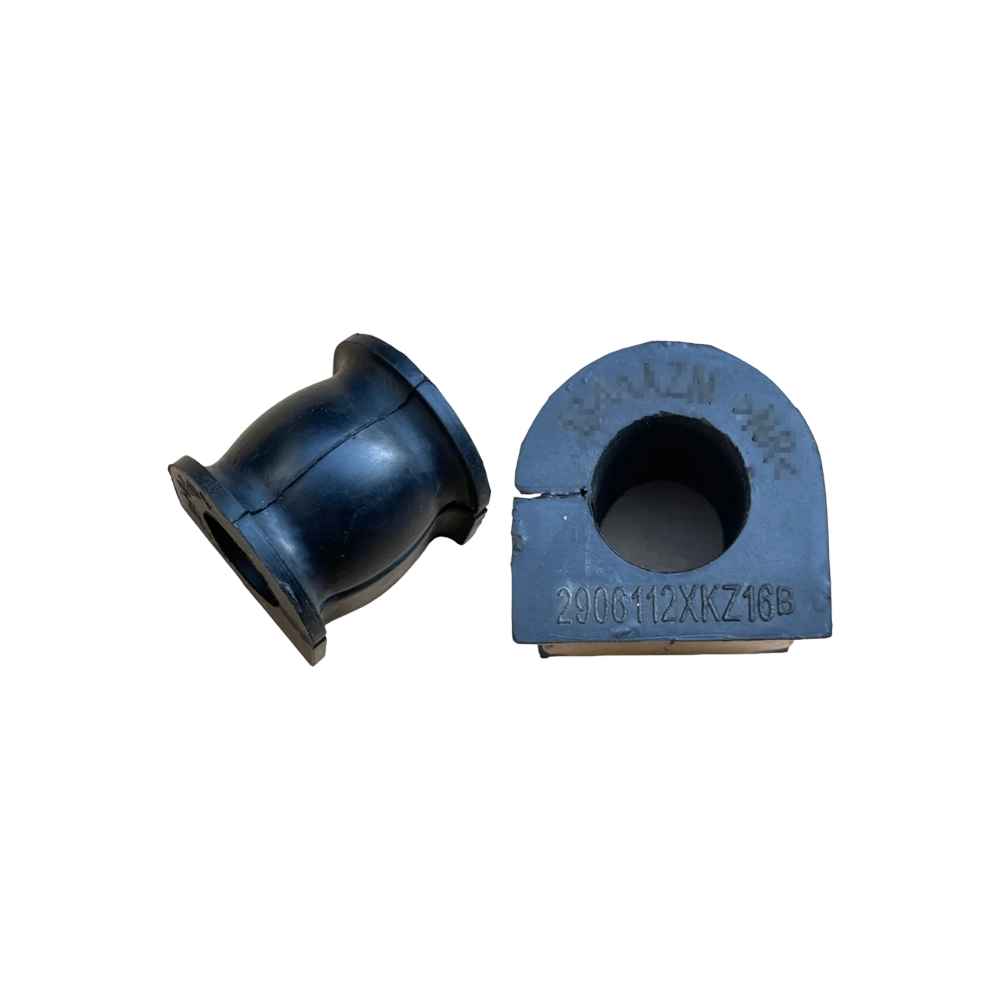
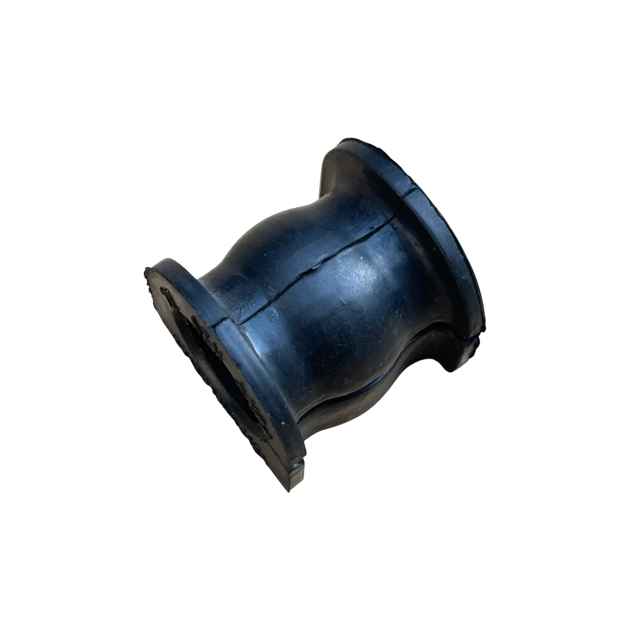
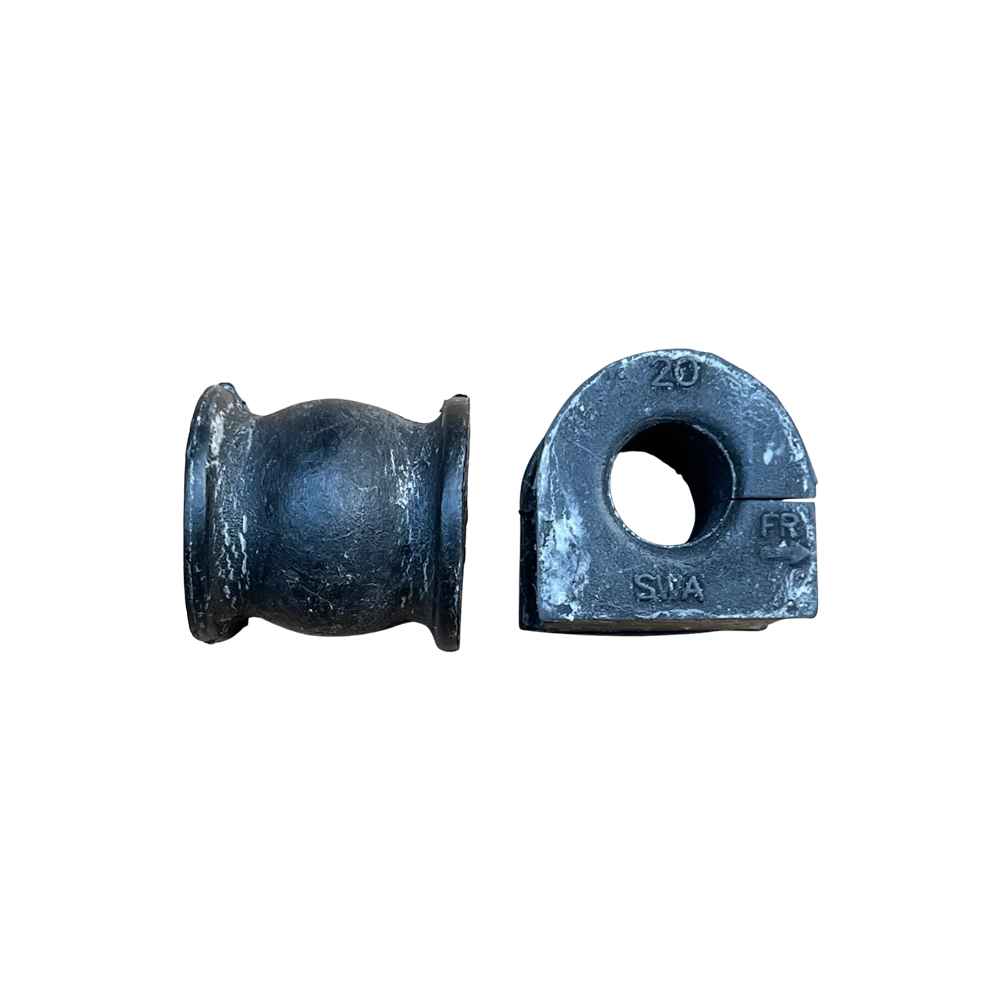
When it comes to manufacturing CV Joint Boots , the material used is paramount. High-quality rubber compounds resist wear and tear, extending the lifespan of the component. At our factory in China, we prioritize the use of premium materials in the production process. This ensures that our CV Joint Boots not only meet but exceed industry standards.
Manufacturing Process Overview
The manufacturing of CV joint boots involves several stages:
- Material Selection: Choosing the right rubber is crucial. We often utilize materials that provide excellent flexibility while resisting degradation from oils and chemicals.
- Molding: The selected rubber is then molded into the desired shape. Precision in this stage is key to ensure proper fit and function.
- Quality Control: Each batch of boots undergoes rigorous testing. We check for leaks, durability, and overall integrity to guarantee reliability in various conditions.
Common Challenges in Production
While producing CV joint boots, manufacturers face several challenges. One common issue is achieving the right balance between flexibility and toughness. If the boot is too rigid, it may crack under stress; if it's too soft, it might wear out quickly. Moreover, environmental factors such as temperature fluctuations can also affect material performance, making it vital to select materials designed for diverse climates.
Integration with Other Automotive Parts
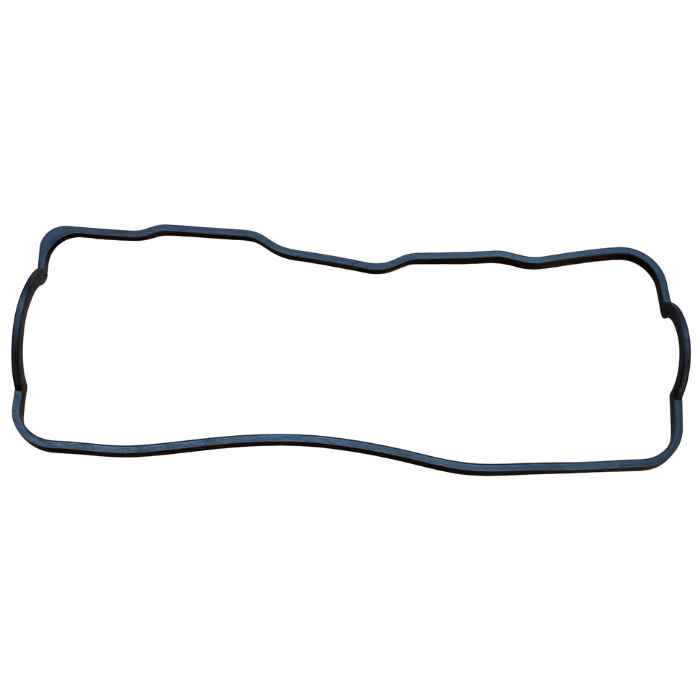
CV joint boots do not exist in isolation. They work alongside various components like steering rack boots and shock absorber boots to enhance vehicle safety and efficiency. For instance, the integration between CV joints and the steering mechanism is significant. If the steering rack boots fail, it may lead to contamination of the CV joint area, thereby accelerating wear.
Choosing Reliable Brands
When selecting CV joint boots, opting for reputable brands ensures you invest in quality. Our factory, Guanghua, stands out in the industry as a trusted provider of rubber auto parts, including CV joint boots. We have built a reputation through consistent quality and reliability, making us a preferable choice among auto manufacturers.
Maintenance Tips for Longevity
To prolong the life of your CV joint boots, regular inspection is necessary. Look for signs of cracking, splitting, or any grease leakage.
- Visual Inspections: Check the boots for visible damage during routine maintenance.
- Lubrication Checks: Ensure that the lubricant within the CV joint remains intact and free from contaminants.
- Prompt Repairs: If you notice any issues, address them immediately to avoid more extensive repairs down the road.
The Cost Factor
Investing in high-quality CV joint boots may seem more expensive upfront, but the long-term savings are undeniable. Cheap alternatives may save money initially but often lead to premature failures and subsequent repair costs. It is advisable to opt for well-reviewed products, particularly those from established manufacturers like Guanghua, which provides a balance between cost and quality.
Conclusion
In summary, understanding the role of CV joint boots in automotive hydraulic systems is critical for anyone involved in vehicle maintenance or manufacturing. By prioritizing quality materials, ensuring effective production processes, and choosing reliable brands, one can significantly enhance vehicle performance and longevity. Remember, investing in quality parts today will pay dividends tomorrow.