Understanding Driveshaft Boots
When it comes to the chassis, steering, and suspension systems of vehicles, the driveshaft boots play a crucial role. These rubber components protect vital joints from dirt and moisture, ensuring smooth operation. Now, let’s dive into why these boots are so important and what makes them tick.
Why Rubber Matters
Rubber is the go-to material for driveshaft boots because of its flexibility and resistance to wear. In fact, not all rubber is created equal. The best manufacturers use high-quality compounds that withstand extreme temperatures and harsh environments. You might find brands like Guanghua providing excellent options in this field.
Types of Driveshaft Boots
- CV Joint Boots : These boots cover the constant velocity joints and help maintain lubrication while keeping contaminants out.
- Steering Rack Boots : They protect the steering rack from debris and moisture, which could lead to premature wear if left unguarded.
- Shock Absorber Boots : Essential for shielding shock absorbers from dirt and grime, they also help to silence any noise produced from moving parts.
Manufacturing Insights
In a China-based rubber auto parts factory, you’ll see that precision is key. Each boot is molded to specific measurements to fit various vehicle models perfectly. This attention to detail ensures that every part functions seamlessly within the overall system.
Quality Control Measures
Quality control doesn't just happen at the end of production; it’s integrated throughout the process. From raw material selection to final inspections, each step is carefully monitored. Trust me, having a solid quality assurance team can save a lot of headaches down the road.
Common Issues and Solutions
Even the best boots can face challenges. Over time, UV exposure, oil degradation, and physical wear can compromise their integrity. Customers often overlook small cracks or tears until it's too late. Regular inspections can catch potential issues before they escalate.

Replacing Boot Components
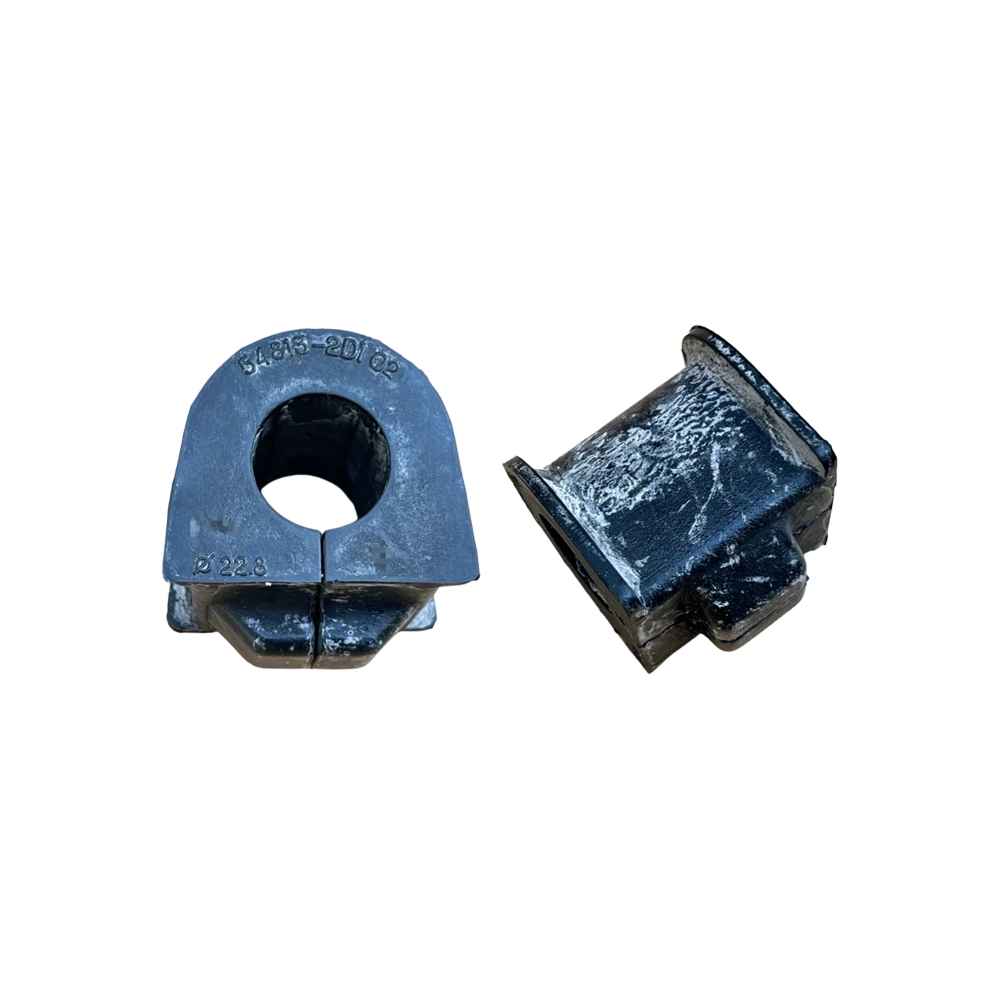
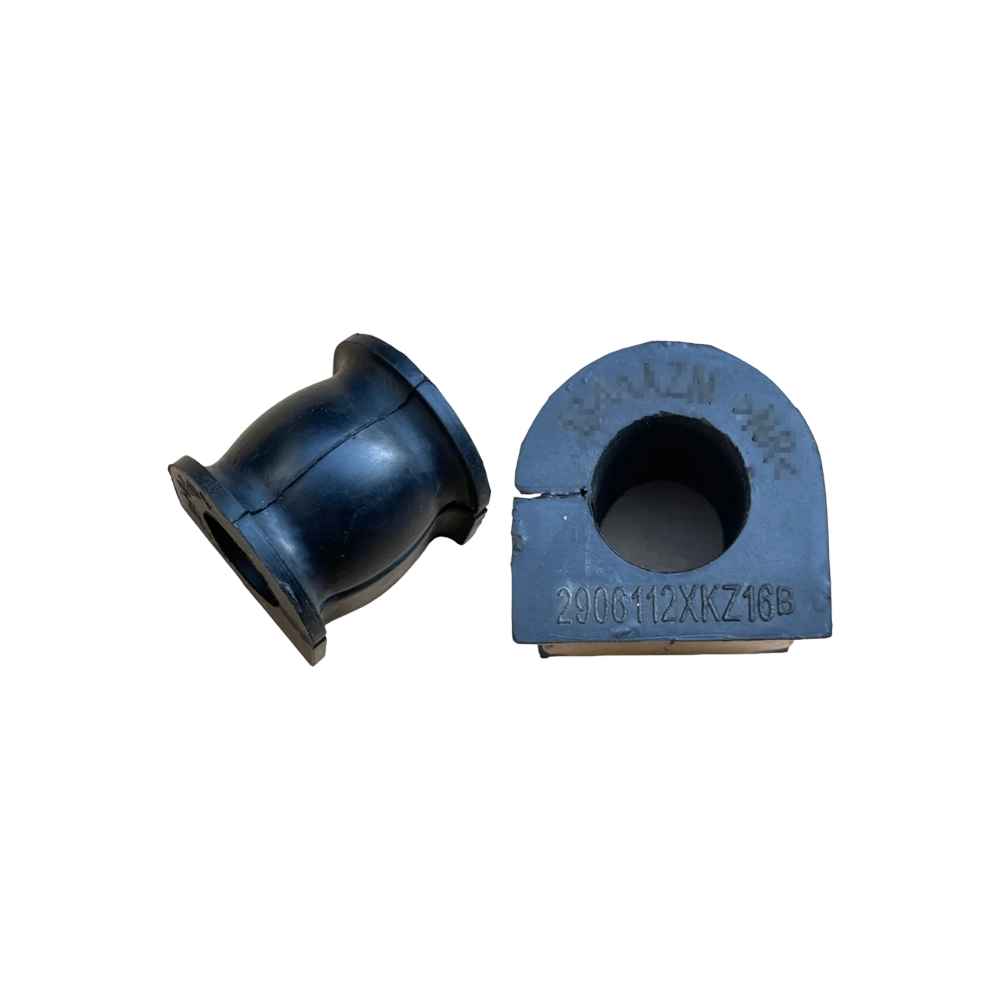
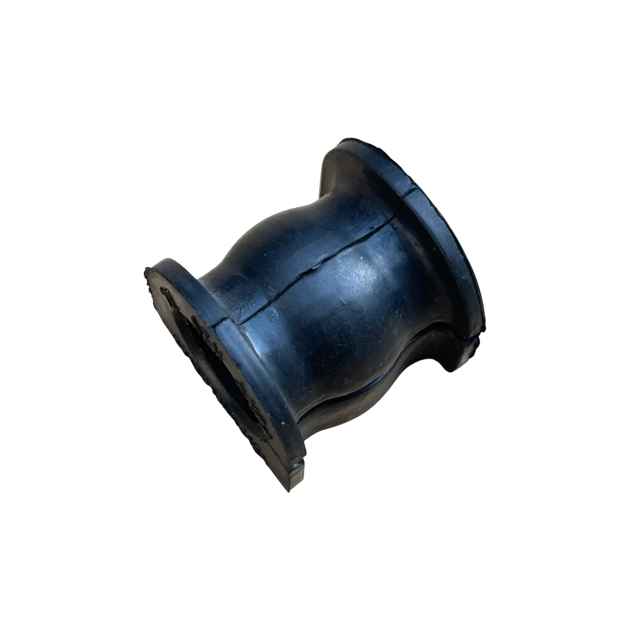
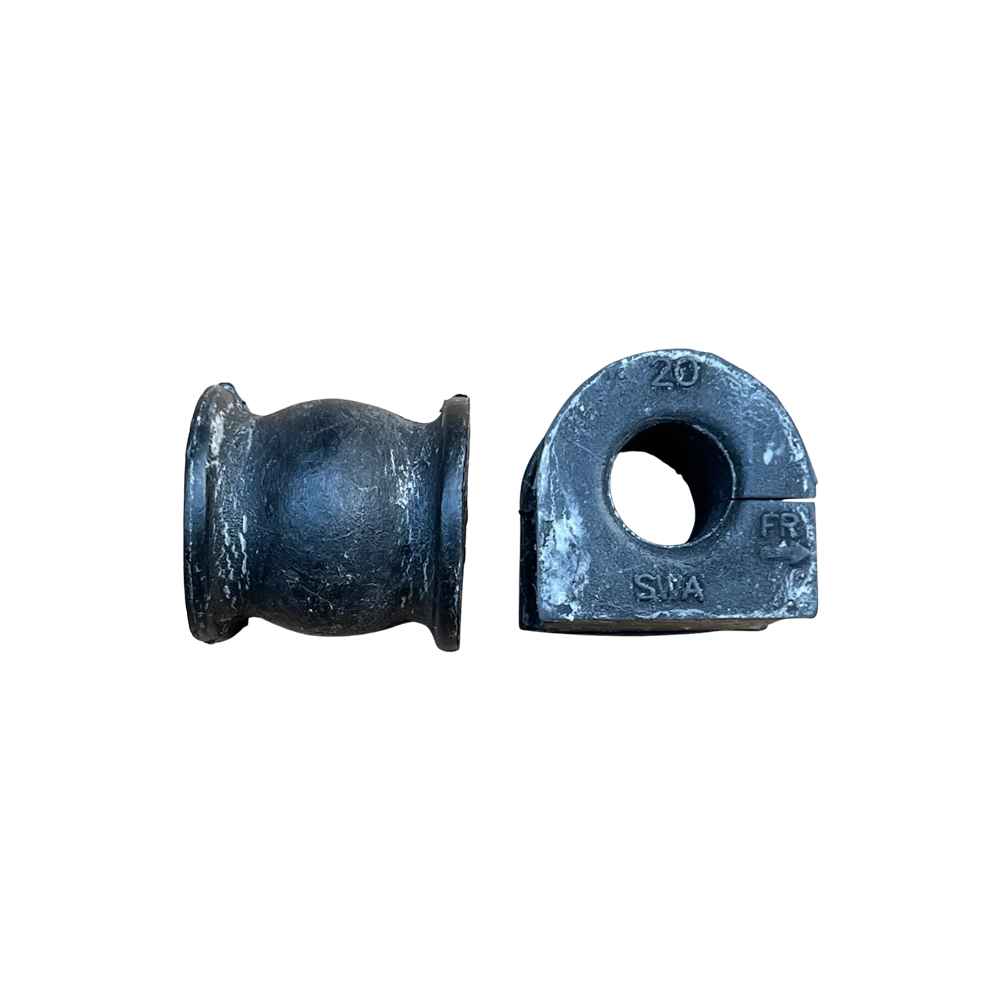
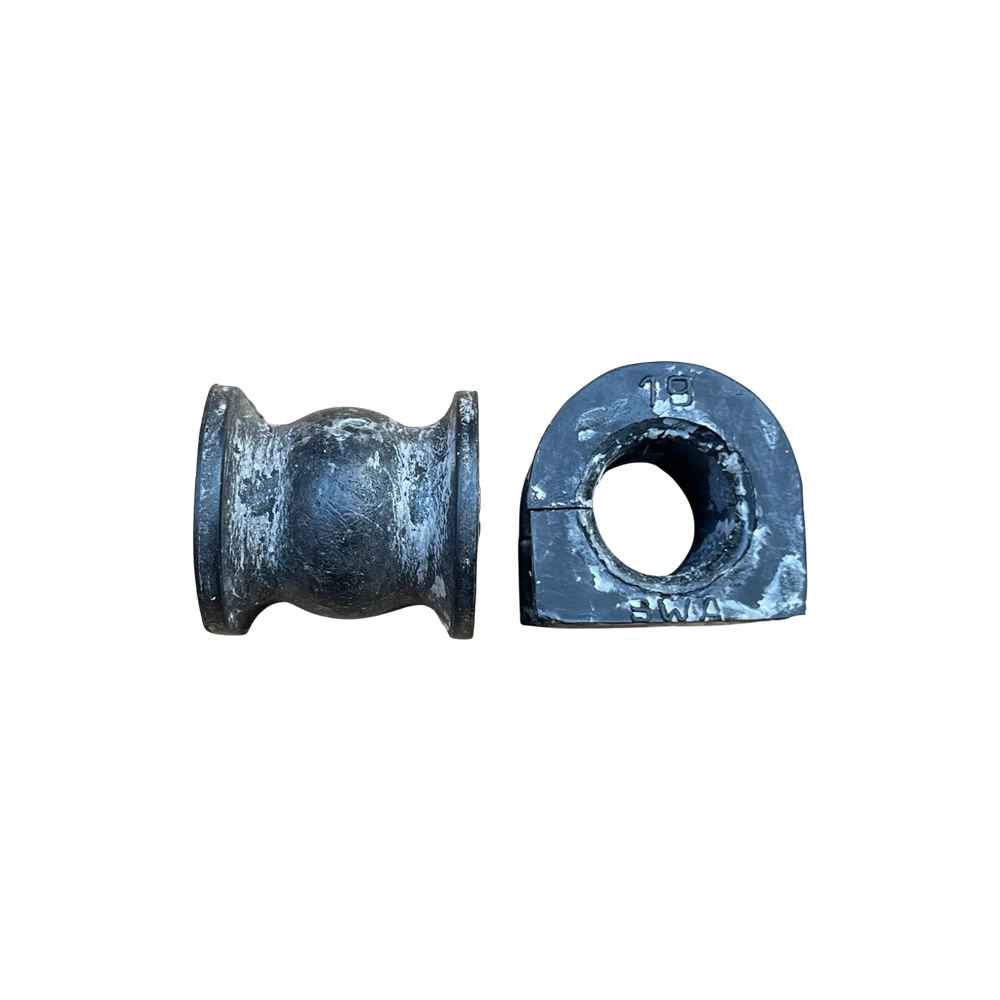
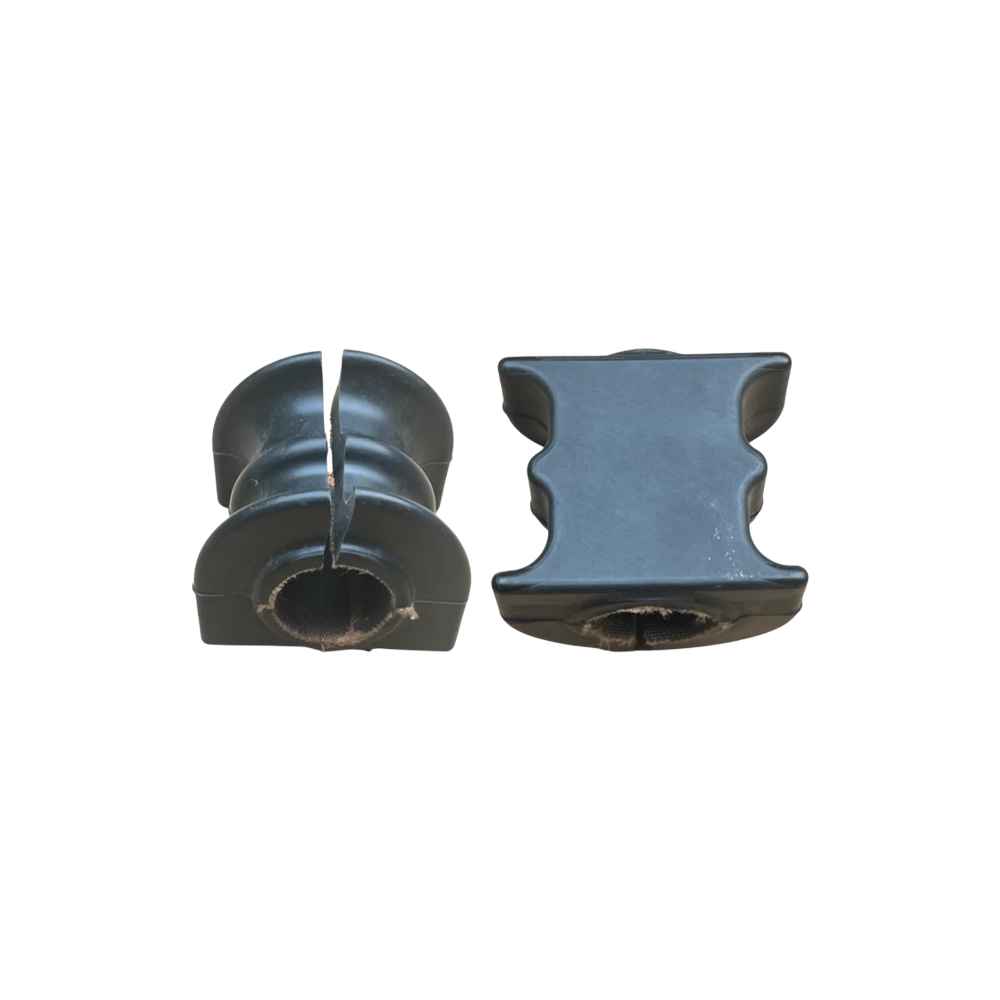
When it comes to replacements, make sure to choose the right parts. Using inferior products can lead to further damage, like failing O-Rings & Rubber Sealing Rings, or issues with stabilizer bar bushings. Always opt for trusted manufacturers when sourcing replacement parts.
Installation Tips
Installing driveshaft boots may sound straightforward, but there are some tricks to get it right. Make sure the area is clean before starting; even a speck of dirt can cause problems later on. Use the correct tools, and don’t rush! A well-installed boot will ensure that your vehicle runs smoothly for miles to come.
Seeking Professional Help
If you're unsure about doing it yourself, seeking professional help can be a smart move. Experts with years of experience can handle installations quickly and efficiently, saving you time and stress.
The Future of Driveshaft Boots
As technology advances, we’re seeing innovations in materials and designs. New compounds that resist wear even better than traditional rubber are being developed, promising longer lifespans for driveshaft boots. It’s an exciting time in the industry!
Staying Updated
For those involved in automotive mechanics, staying updated with the latest trends is crucial. Attending trade shows or following industry publications can provide valuable insights into new products and practices. Knowledge is power, especially when it comes to automotive repairs!
Final Thoughts
The world of driveshaft boots is complex yet fascinating. Whether you’re a DIY enthusiast or a professional mechanic, understanding the nuances of these components can enhance your work dramatically. Stay tuned to advancements from manufacturers like Guanghua , and keep your clients informed about the best options available!