Understanding Driveshaft Boots
Driveshaft boots play a crucial role in the protection and functionality of high-performance off-road vehicles. These components, typically made from durable rubber or synthetic materials, are designed to shield vital driveline joints from contamination and wear. In off-road applications, where the environment can be particularly harsh, the significance of robust driveshaft boots cannot be overstated.
Types of Driveshaft Boots
While there are various types of boots available for different applications, the most commonly encountered in high-performance settings include:
- CV Joint Boots : Essential for protecting constant velocity joints, these boots ensure that grease remains sealed within the joint while keeping dirt and debris out.
- Steering Rack Boots : Often overlooked, these boots guard against contaminants entering the steering mechanism, which is vital for maintaining precise control during rugged terrains.
- Shock Absorber Boots : These boots provide additional protection to shock absorbers, prolonging their lifespan by preventing debris accumulation.
Material Considerations
The choice of material is fundamental when selecting driveshaft boots for off-road vehicles. High-performance options often leverage advanced polymers that offer superior resistance to extreme temperatures, UV exposure, and abrasions. For instance, brands like Guanghua have developed proprietary blends that enhance durability and flexibility, allowing for better performance even under intense conditions.
Installation Best Practices
The installation process of driveshaft boots requires meticulous attention to detail to ensure optimum performance. A few best practices include:
- Cleaning the area thoroughly before installation to prevent the introduction of contaminants.
- Using the correct type of clamps to secure the boot in place, ensuring it does not move during operation.
- Inspecting surrounding components for signs of wear or damage, as the failure of adjacent parts can lead to premature boot degradation.
Maintaining Driveshaft Boots
Regular maintenance is key to extending the lifespan of driveshaft boots. This involves periodic inspections to check for any signs of cracking, tearing, or swelling. If any issues are detected, prompt replacement is advisable to avoid further damage to the drivetrain. Additionally, applying appropriate lubricants can help in maintaining the elasticity and integrity of the rubber material.
The Role of Contract Manufacturing
In the realm of aftermarket upgrades, contract manufacturing has emerged as an essential partner for businesses aiming to produce high-quality driveshaft boots. By outsourcing production to specialized facilities, manufacturers can benefit from economies of scale, access to expertise in material selection, and advanced manufacturing techniques that can streamline production processes.
Quality Assurance in Manufacturing
Ensuring the consistent quality of driveshaft boots involves rigorous testing and quality control measures throughout the manufacturing process. Techniques such as tensile strength testing, environmental exposure simulations, and longevity trials are crucial in validating the performance of the final product.
Collaboration with Suppliers
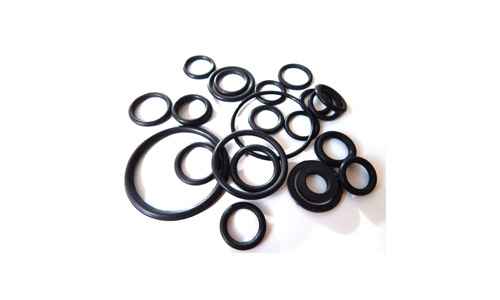
Building strong relationships with suppliers, including those providing raw materials for CV joint boots and O-rings, can facilitate innovation and improvement in product design. Collaborative development initiatives allow manufacturers to tailor products to specific needs, enhancing their competitive edge in the market.
Challenges in Off-Road Applications
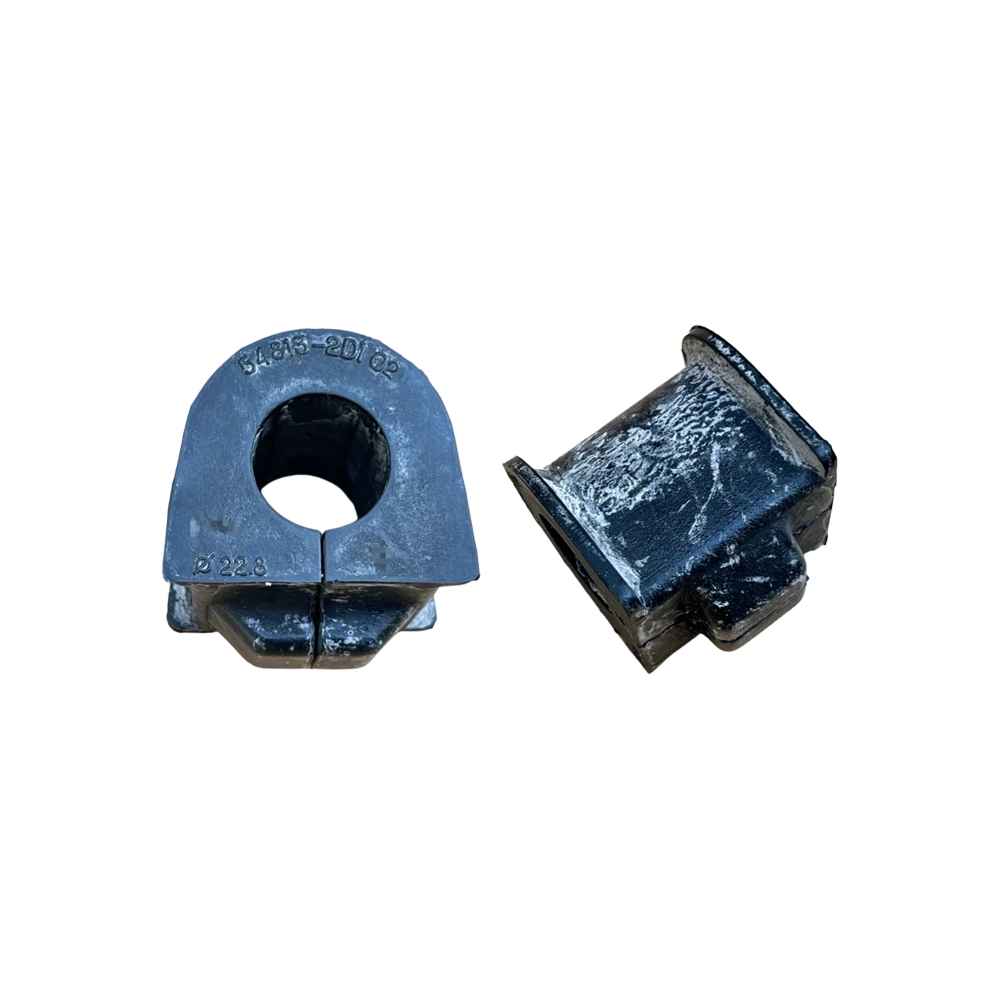
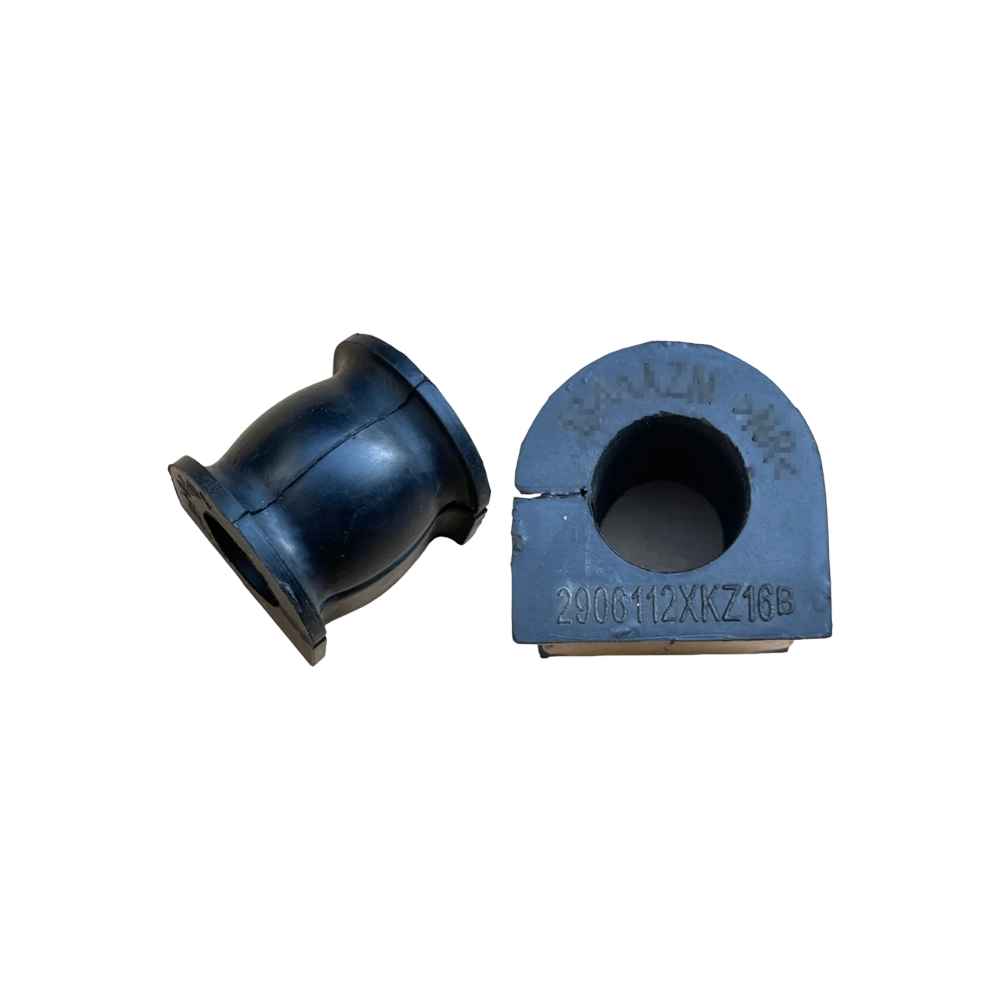
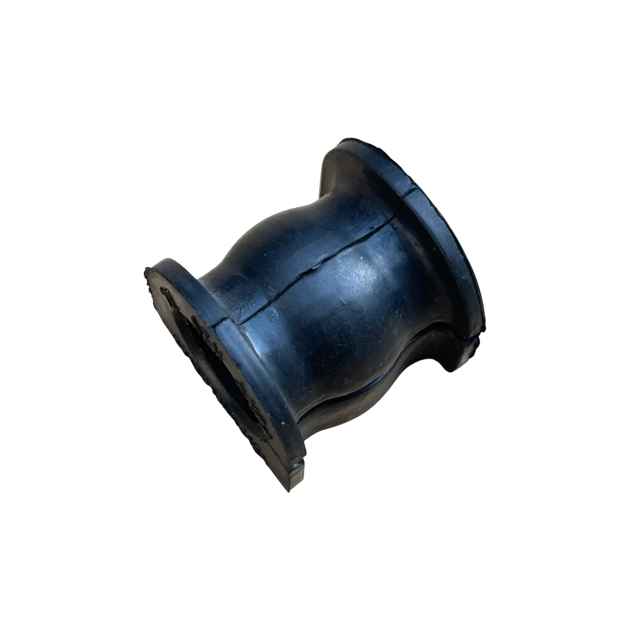
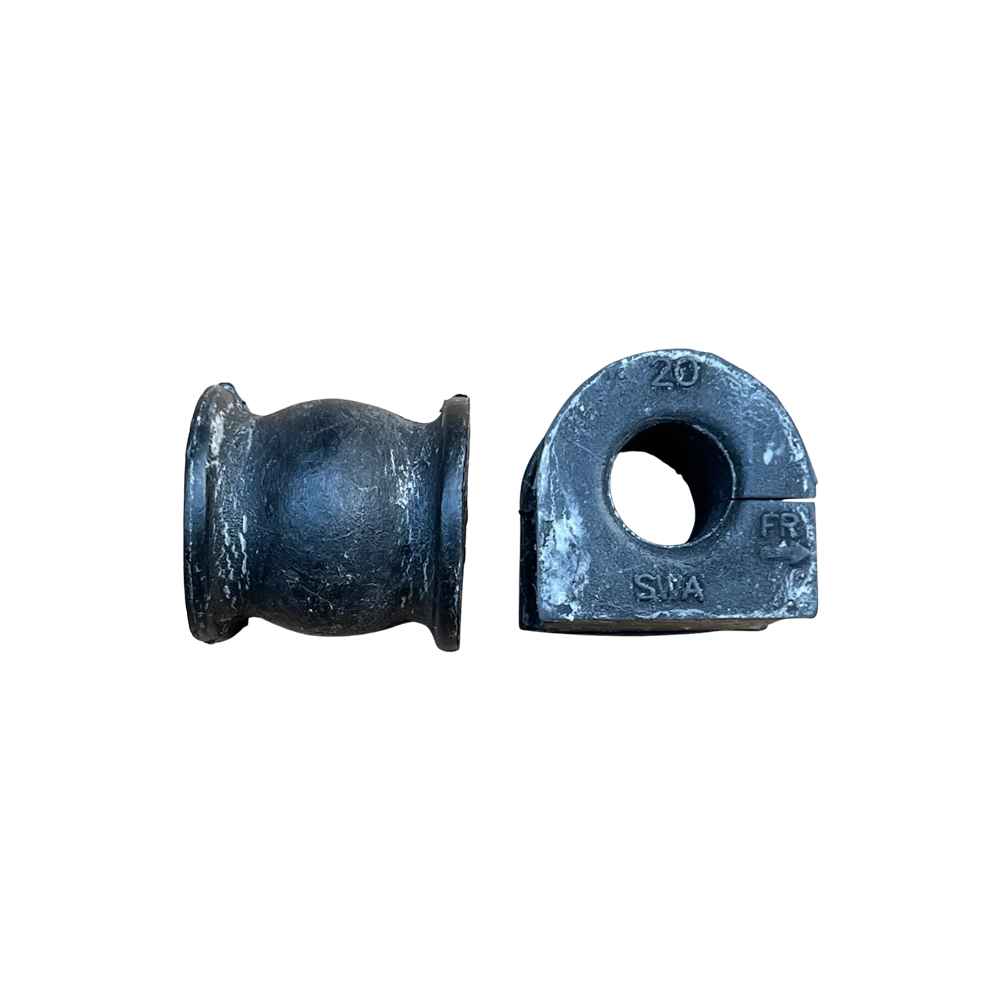
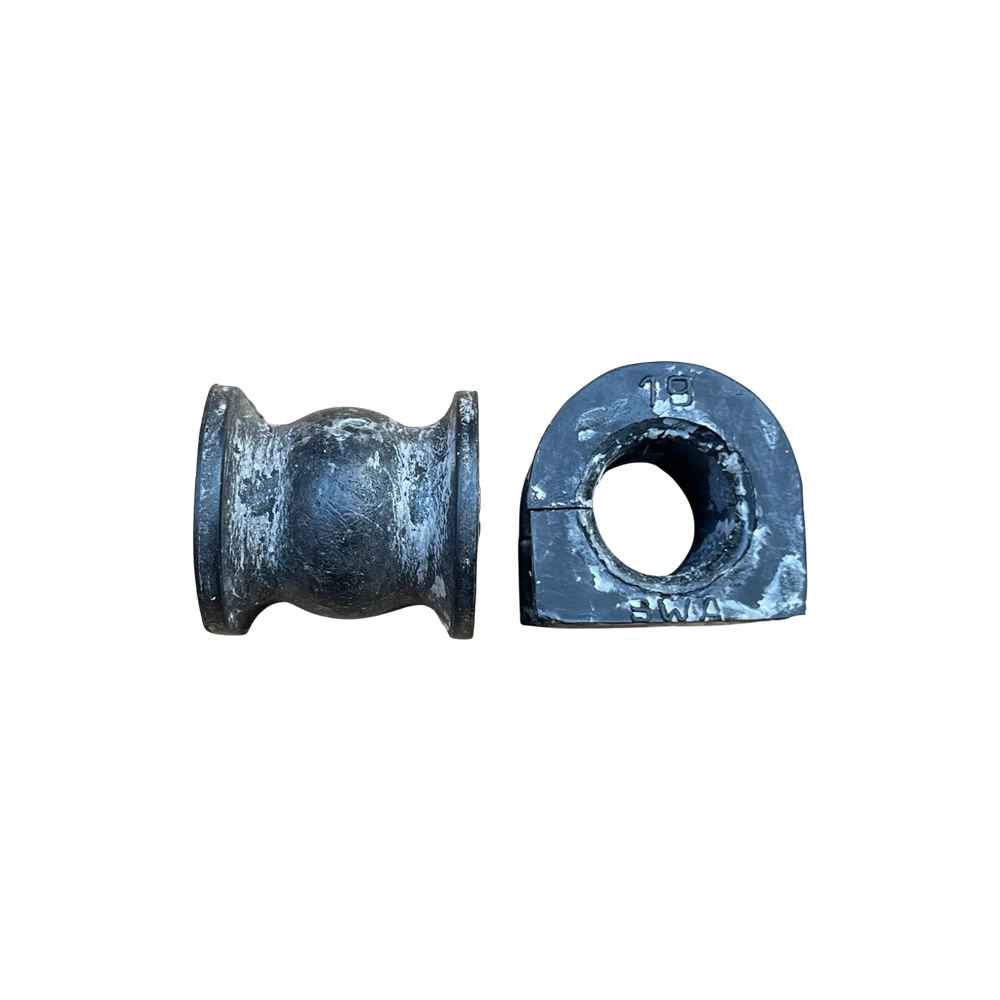
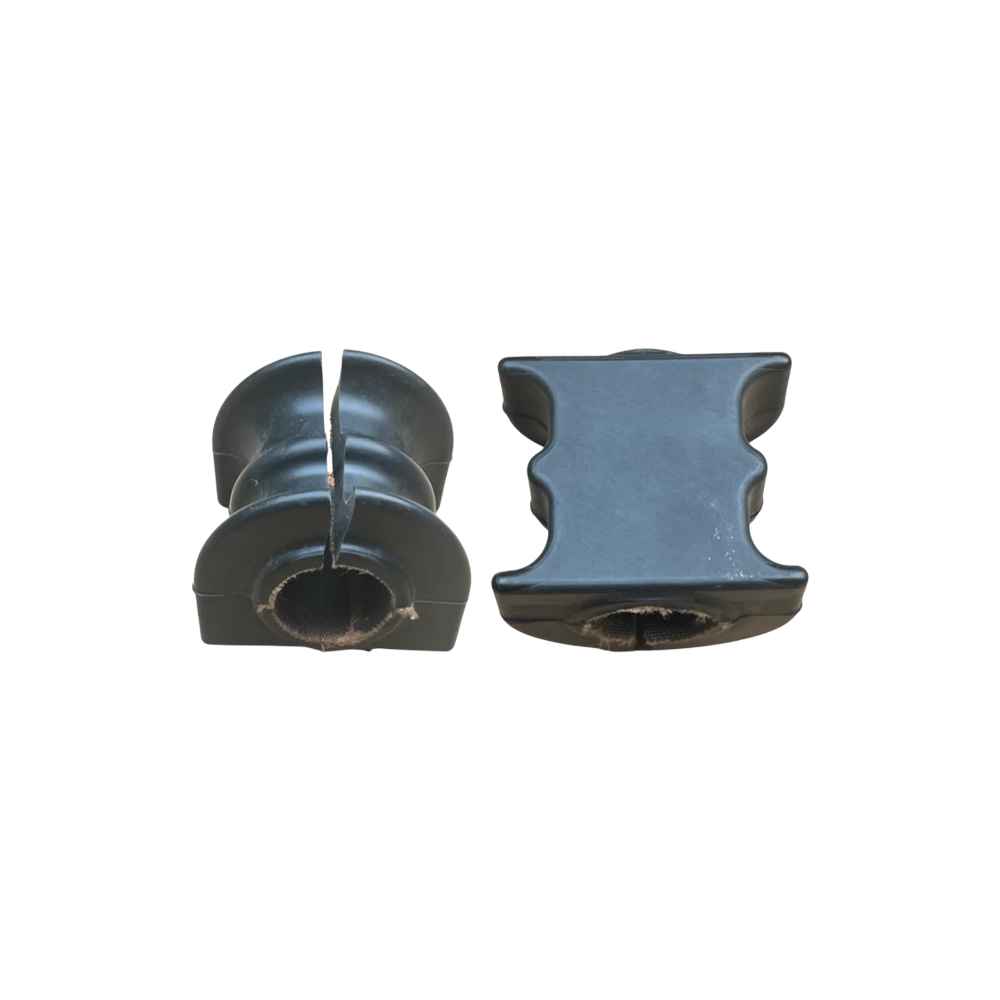
Off-road environments pose unique challenges for driveshaft boots. The frequent exposure to mud, water, and sharp rocks can accelerate wear and tear. Consequently, manufacturers must continually innovate to develop solutions that address these specific challenges. For example, incorporating stabilizer bar bushings designed to withstand the rigors of off-road driving can significantly improve overall vehicle performance.
Future Trends in Driveshaft Boot Technology
As technology advances, so too will the materials and designs used in driveshaft boots. Emerging trends indicate a shift towards lighter, more flexible materials that can handle increased torque and stress without compromising integrity. Additionally, advancements in 3D printing and custom molding may allow for more precise fits and enhanced performance characteristics tailored specifically for high-performance off-road vehicles.
Conclusion
From understanding the various types and materials of driveshaft boots to recognizing the importance of proper installation and maintenance, it becomes evident that these components are vital for ensuring the longevity and performance of high-performance off-road vehicles. Partnering with reliable contract manufacturers who prioritize quality and innovation will undoubtedly yield significant benefits in this ever-evolving industry.