Understanding the Importance of Dust Covers
Dust covers play a critical role in protecting chassis, steering, and suspension systems from contamination and wear. Given the harsh conditions these components often operate under, the necessity for effective dust sealing solutions cannot be understated.
Functionality of Dust Covers
Primarily, dust covers serve to shield sensitive parts from dirt, moisture, and debris that can lead to premature failure. The presence of contaminants can compromise the functionality of components such as CV Joint Boots and Steering Rack Boots , leading to costly repairs. Furthermore, these protective elements contribute to the overall lifespan and reliability of the vehicle's operational capabilities.
Types of Dust Covers
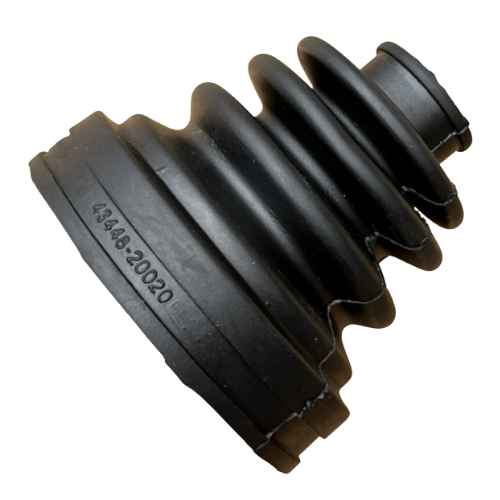
- CV Joint Boots : These are specifically designed to cover the constant velocity joints, preventing grease loss and contamination.
- Steering Rack Boots: Essential for protecting the steering mechanism, they help maintain lubrication while keeping foreign particles at bay.
- Shock Absorber Boots: These boots safeguard shock absorbers from grime and moisture, which helps in preserving their effectiveness.
- O-Rings & Rubber Sealing Rings: While not traditional dust covers, these components are pivotal in ensuring airtight seals within various assembly points.
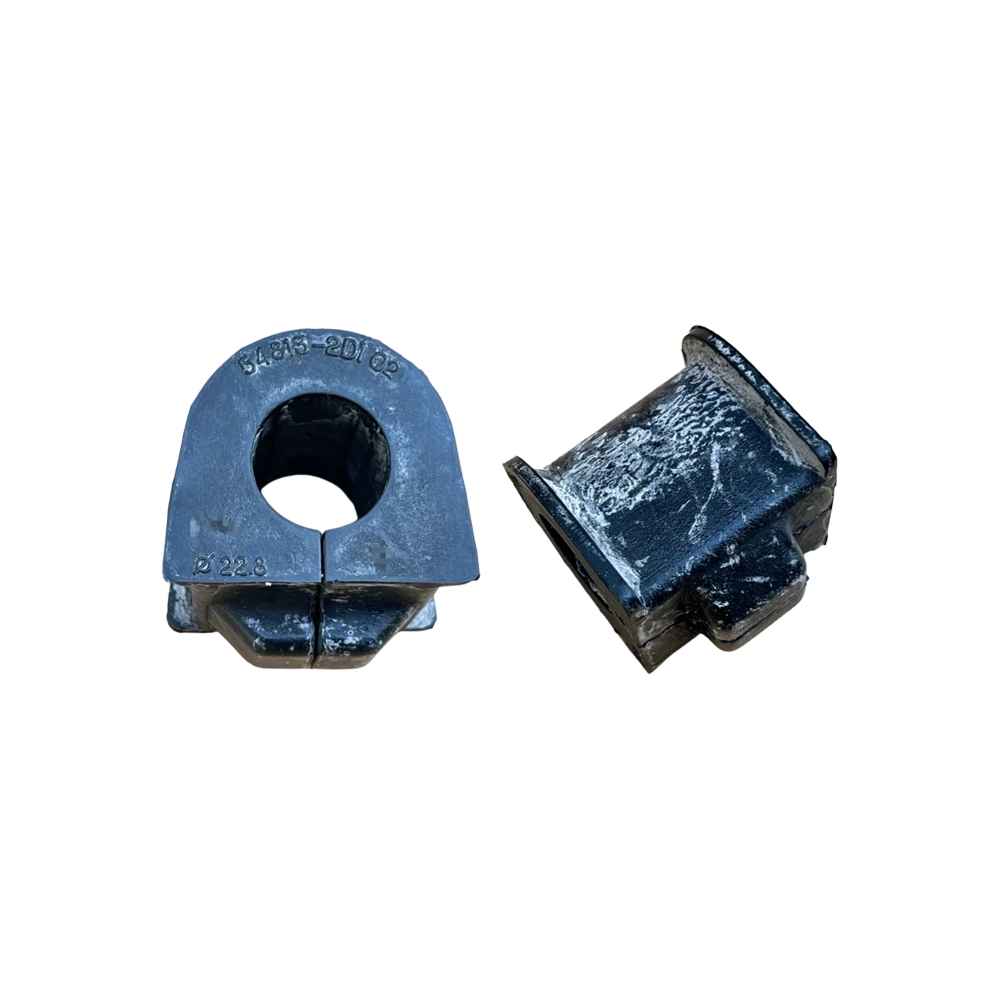
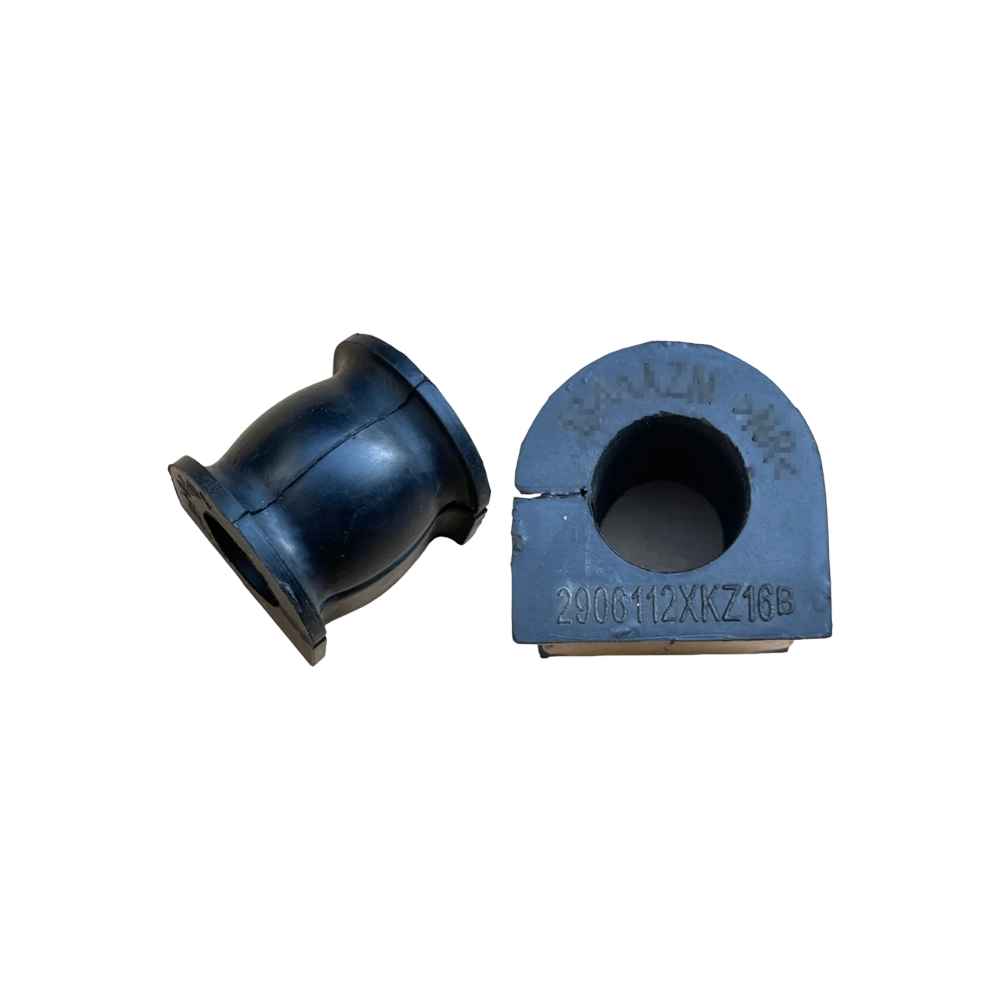
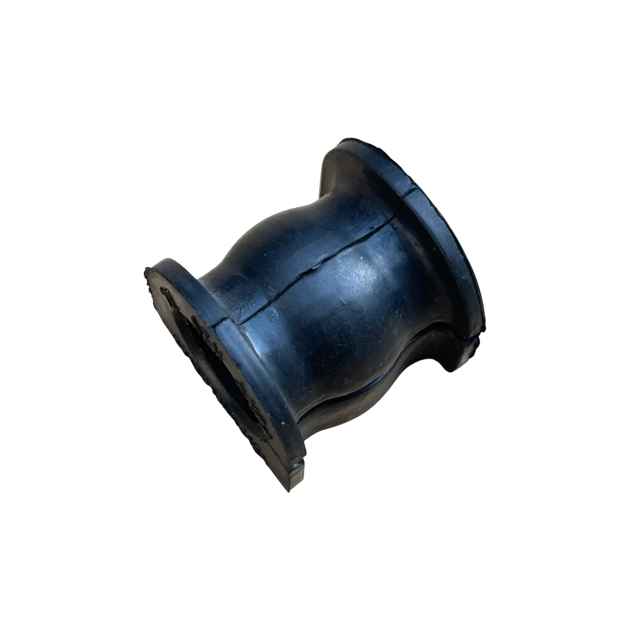
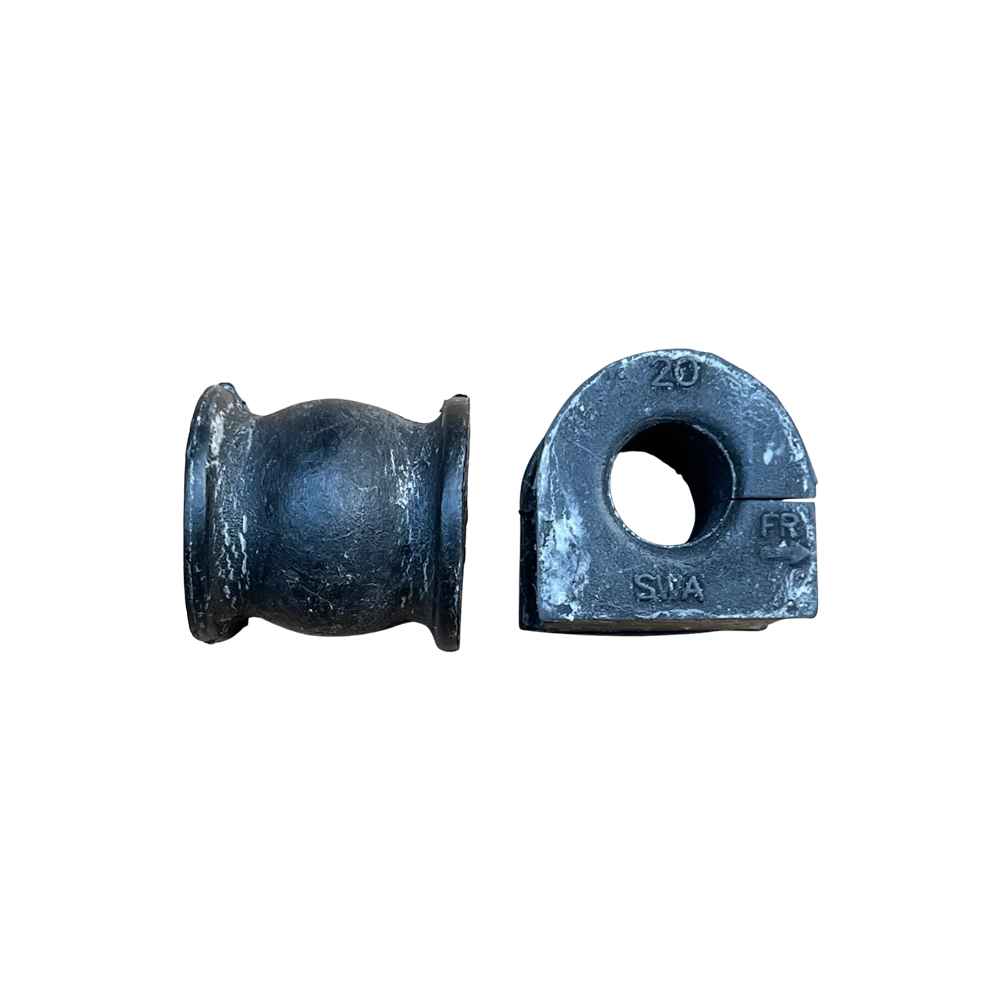
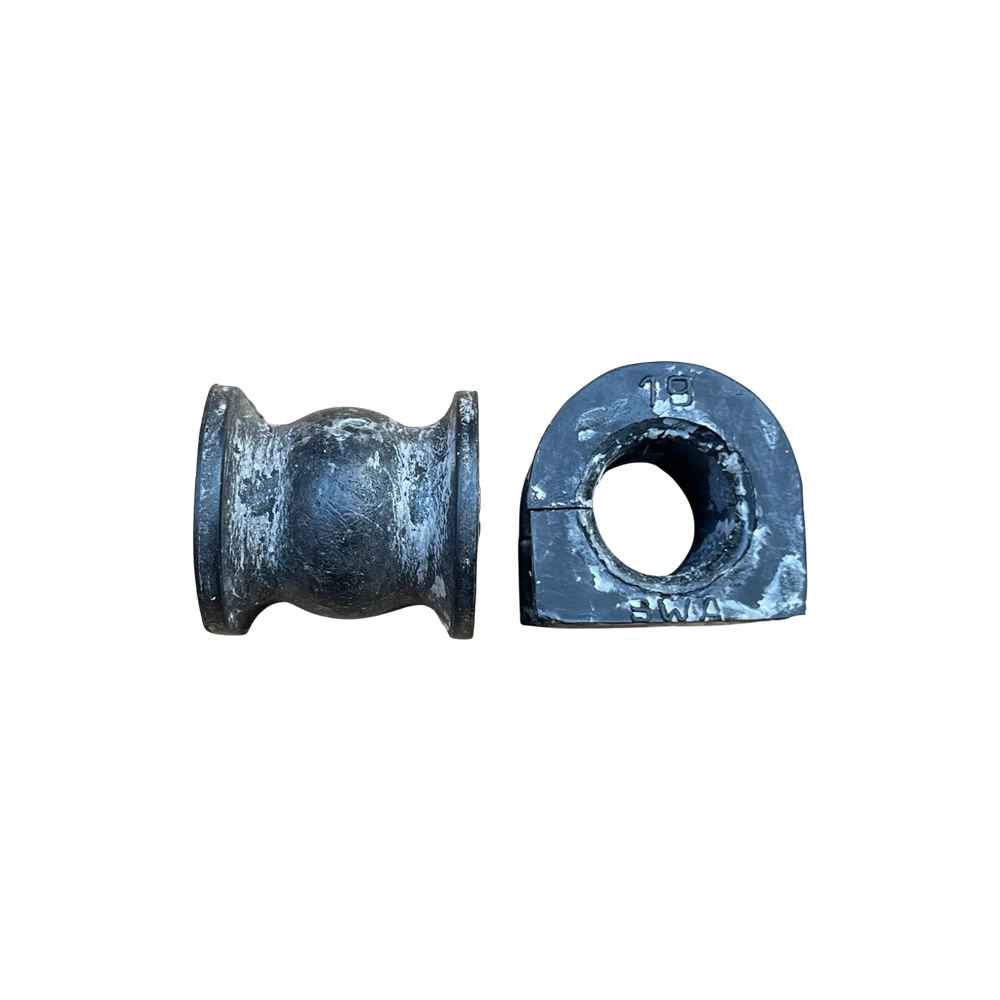
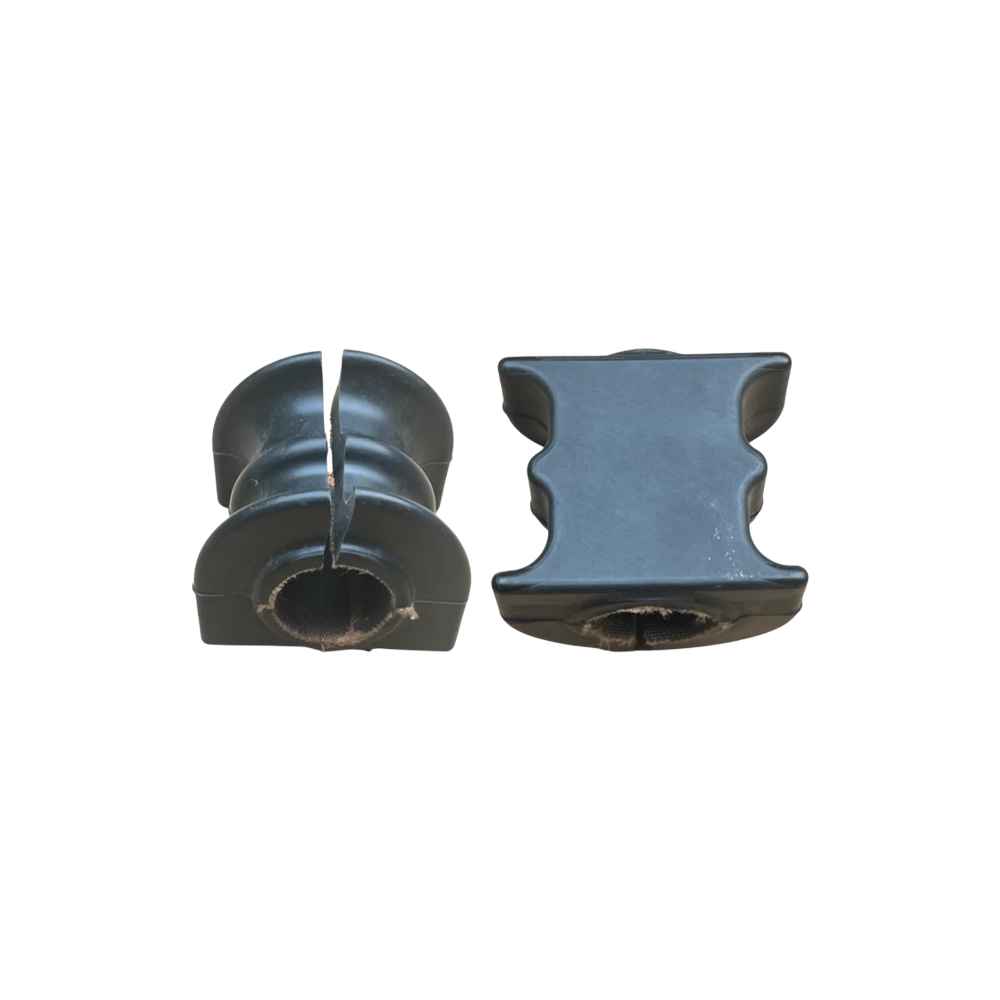
- Stabilizer Bar Bushings: These are utilized to cushion and stabilize the stabilizer bar; they also aid in dampening vibrations.
- Valve Cover Gasket: Although primarily serving a different function, it also acts as a dust barrier for the engine components.
Material Considerations
The choice of materials in manufacturing dust covers is paramount. Typically, high-quality rubber compounds are preferred due to their resilience against various environmental stressors. For instance, Guanghua offers advanced formulations that enhance durability and flexibility, ensuring that the dust covers withstand the rigors of daily operation.
Evaluating Material Performance
When assessing material choices, manufacturers should consider factors such as temperature resistance, chemical exposure, and mechanical strain. A high-performance dust cover will maintain its integrity across a range of temperatures and resist degradation from automotive fluids, such as oil and brake fluid. Additionally, flexibility and tensile strength are crucial attributes that impact the dust cover’s longevity and performance.
Contract Manufacturing Insights
For companies engaged in contract manufacturing, aligning with suppliers who understand the complexities of dust cover production is vital. Expertise in molding processes, material selection, and quality assurance can significantly influence the final product's effectiveness.
Quality Control Measures
Implementing rigorous quality control measures during manufacturing ensures each dust cover meets the required specifications. This may involve testing for dimensional accuracy, material consistency, and performance under simulated operational conditions. Such practices ultimately reduce the risk of early failures in the field, thereby enhancing client satisfaction.
Customization Needs
Many clients may require customization according to specific application needs or environmental conditions. This could encompass variations in size, shape, or special features tailored to unique vehicles or machinery. A proficient contract manufacturer should possess the capability to accommodate these requests effectively.
Challenges in Production
One of the notable challenges in dust cover manufacturing lies in maintaining consistency throughout production runs. Fluctuations in material properties or process parameters can result in defects, such as weak seams or improper sealing. Therefore, a strong emphasis on process standardization and employee training is essential to mitigate these risks.
Technological Advances
With advancements in manufacturing technologies, including automation and precision molding techniques, the efficiency of producing dust covers has improved significantly. Employing cutting-edge equipment enables manufacturers to create more intricate designs while ensuring tighter tolerances. This evolution not only enhances product performance but also reduces waste, thus contributing to more sustainable practices.
Market Trends and Future Directions
The market for dust covers is evolving, driven by advances in automotive technology and increasing consumer awareness regarding vehicle maintenance. As electric vehicles gain popularity, there is a growing demand for innovative dust coverings that meet the specific requirements of new powertrains.
Sustainability Initiatives
In response to environmental concerns, many manufacturers are exploring eco-friendly materials and processes for producing dust covers. Utilizing recycled materials and adopting greener manufacturing practices are becoming increasingly important in the industry. Such initiatives not only comply with regulatory standards but also appeal to environmentally conscious consumers.
Global Sourcing Strategies
As businesses look to optimize costs while maintaining quality, global sourcing strategies are being embraced. Collaborating with international suppliers, particularly those with expertise in specialized manufacturing techniques, can yield significant benefits. However, it necessitates robust supply chain management to ensure timely delivery and adherence to quality standards.