The Importance of Dust Covers
Dust covers are often overlooked, yet they play a crucial role in the overall performance and longevity of vehicle driveline systems. Imagine driving on a dusty road. What happens to your vehicle? The components become contaminated, leading to potential failures. It’s astonishing how such a simple component can make or break the whole system!
What Are Dust Covers?
Dust covers are protective elements designed to shield critical parts from dirt, debris, and moisture. They come in various types, primarily made from rubber or plastic, tailored for specific applications. For instance, CV Joint Boots are essential for protecting constant velocity joints, while Steering Rack Boots serve a similar purpose for steering components. A well-chosen dust cover can drastically reduce wear and tear.
Real-World Impact: A Case Study
Consider a fleet of delivery trucks operating in a small city where roads are often unpaved. The vehicles experience more wear due to dust and dirt ingress into the driveline components. By switching to high-quality dust covers—like those offered by Guanghua , renowned for their durability—the fleet manager observed a 30% reduction in maintenance costs over six months. Let’s not forget that this isn’t just about saving money; it’s about enhancing safety and operational efficiency!
Types of Dust Covers and Their Applications
- CV Joint Boots : These are specifically designed for CV joints, preventing grease loss and contamination.
- Steering Rack Boots: They protect the internal components of the steering mechanisms from dirt and moisture.
- Shock Absorber Boots: Crucial for maintaining effective damping in suspension systems.
- O-Rings & Rubber Sealing Rings: They are used extensively across different systems to ensure airtight seals.
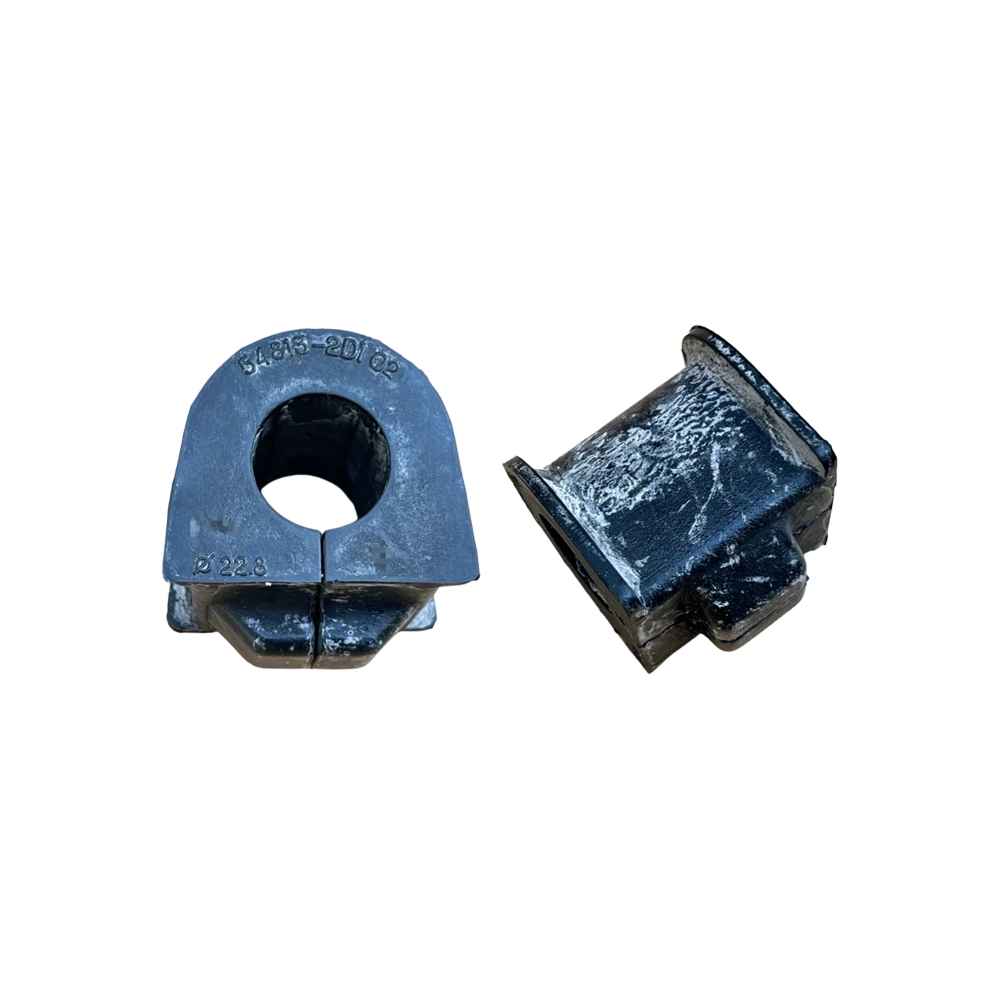
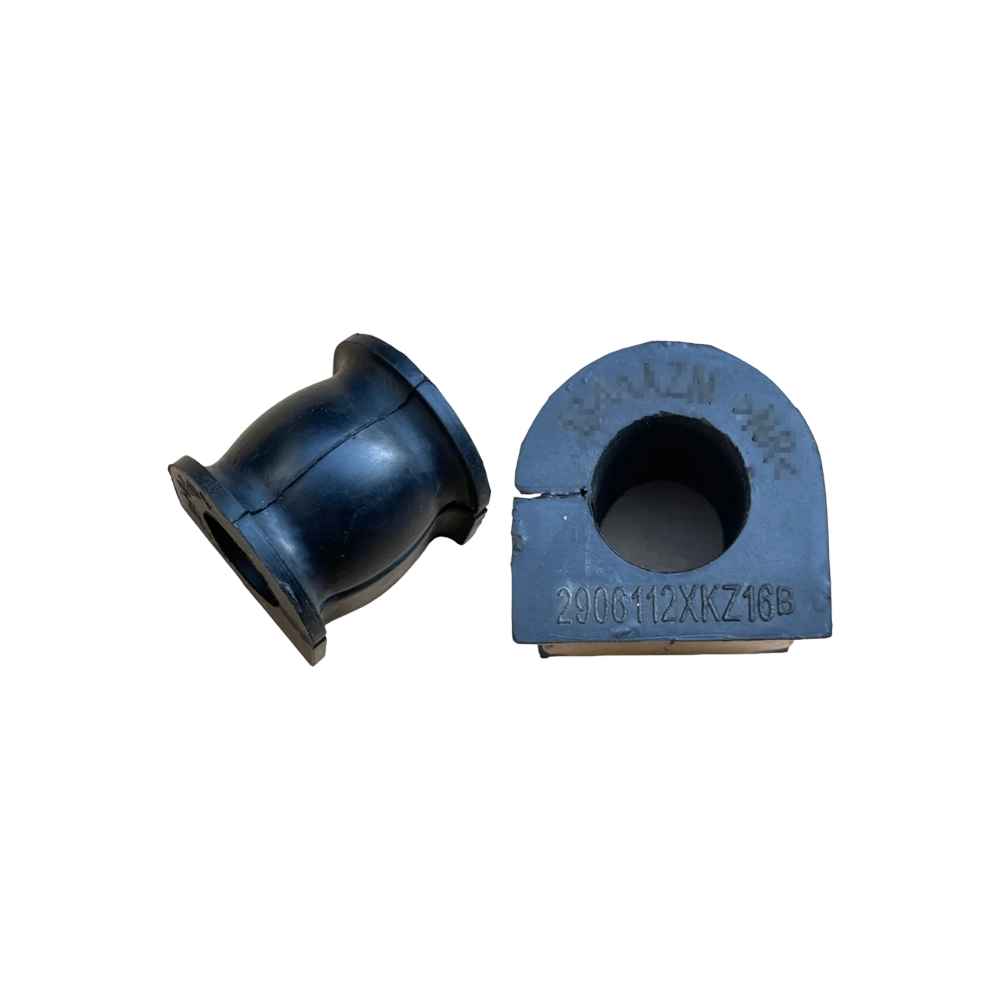
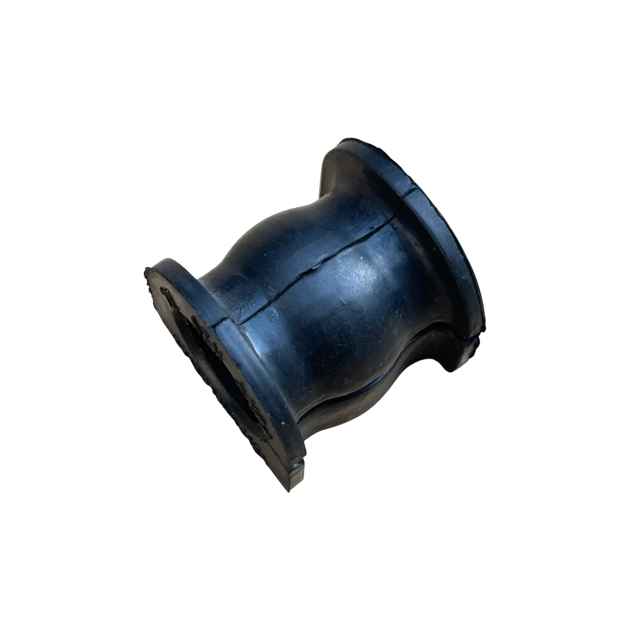
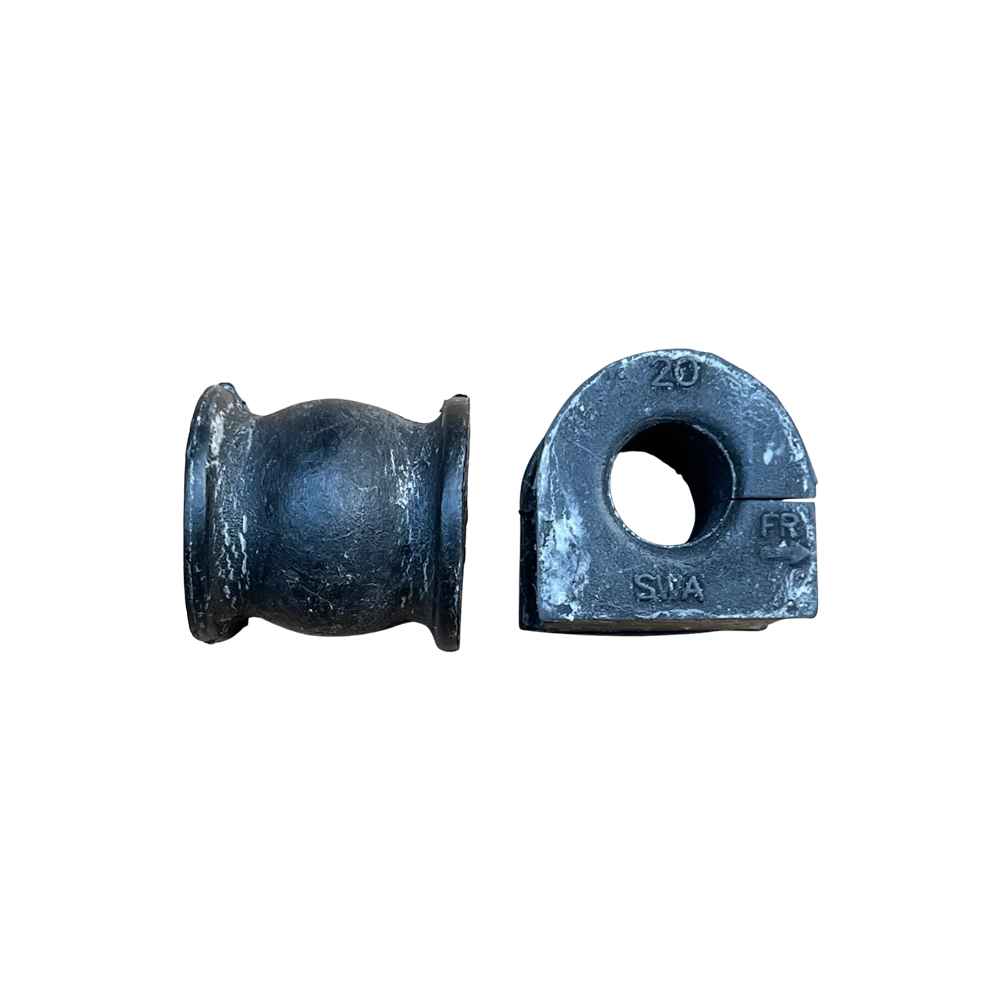
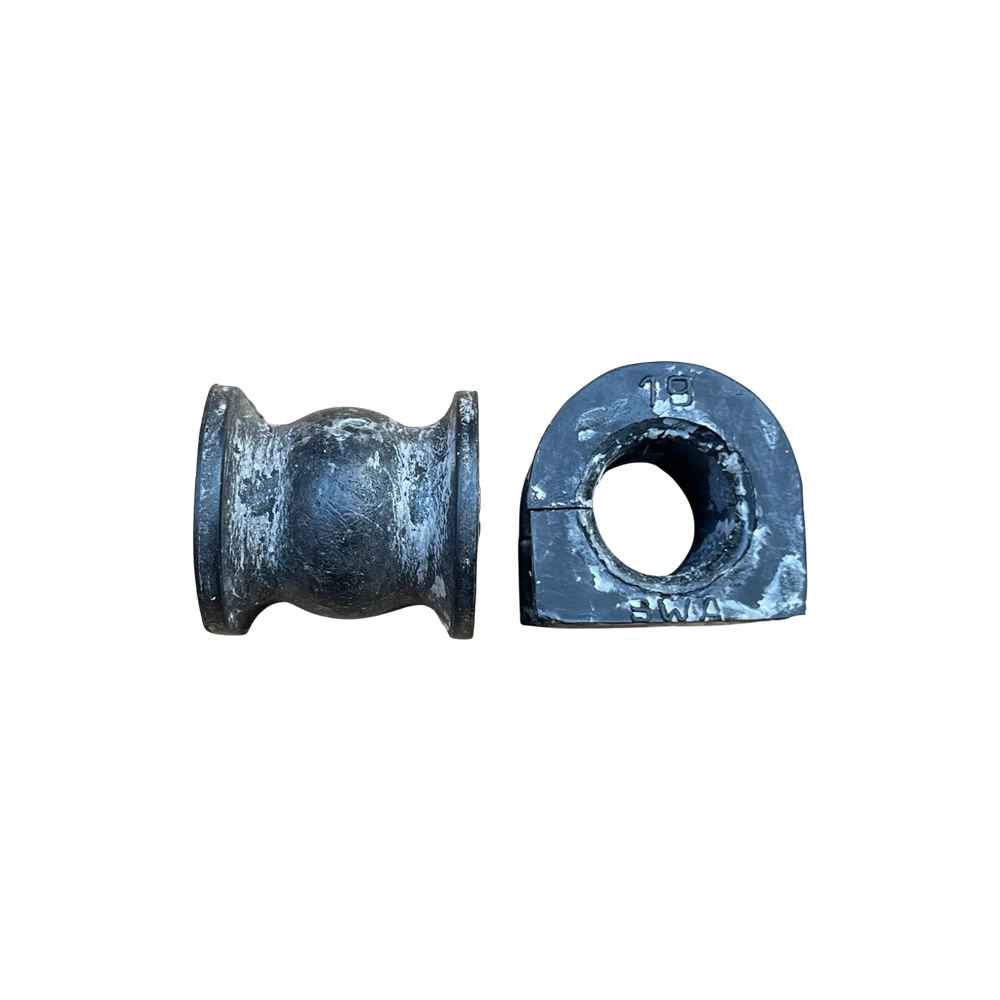
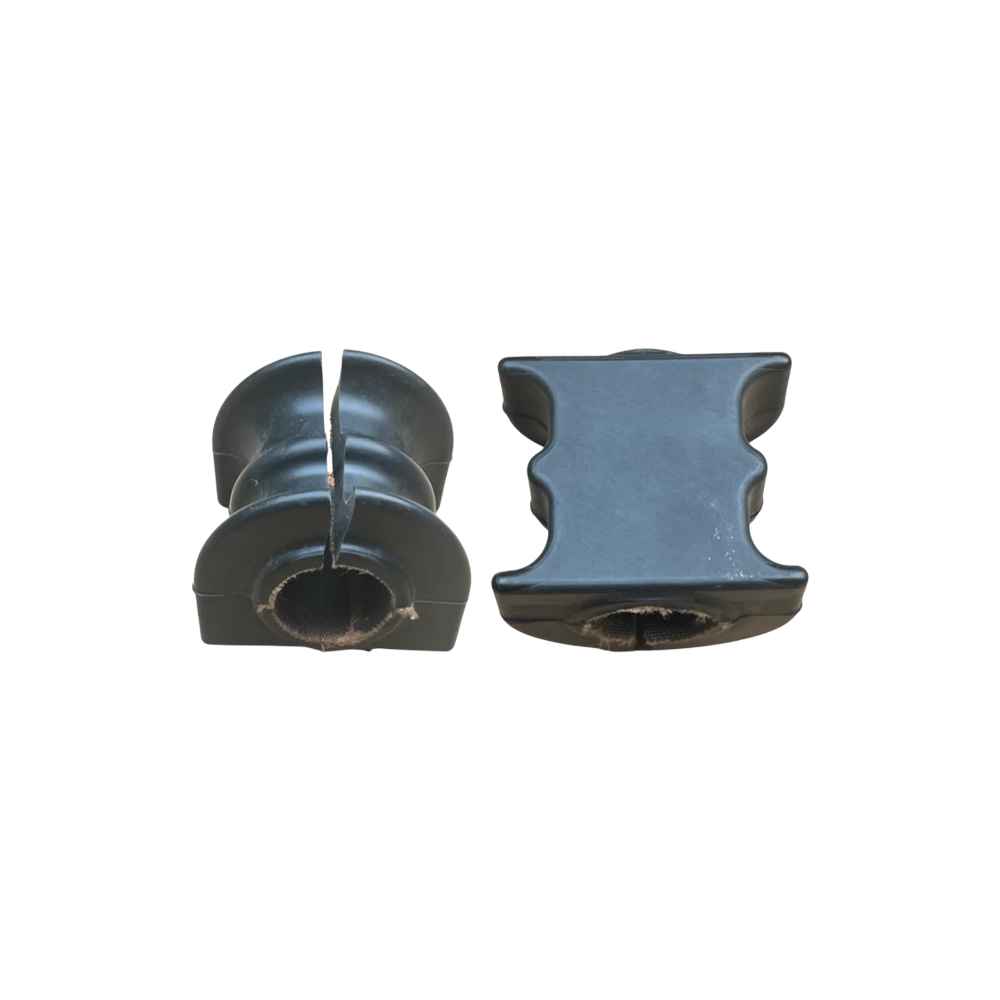
- Stabilizer Bar Bushings: These help in reducing noise and maintaining stability when driving.
The Exporter’s Dilemma
As a direct exporter of auto parts, navigating the complexities of sourcing and distributing dust covers is challenging. Quality standards can vary dramatically between manufacturers, and one must carefully vet suppliers. Did you know that a single defective dust cover could lead to catastrophic failure in an otherwise reliable vehicle? The stakes are incredibly high!
Choosing the Right Dust Cover
When selecting a dust cover for driveline and axle repairs, consider the following factors:
- Material Quality: Look for robust materials that withstand harsh environments.
- Fit and Compatibility: Ensure it matches OEM specifications to prevent leaks and failures.
- Brand Reputation: Brands like Guanghua have built trust through consistent quality.
Supply Chain Challenges
In today’s global market, supply chain disruptions can affect the availability of quality dust covers. Delays in shipments or substandard products flooding the market complicate matters. How do we prepare for these uncertainties? Keeping a diversified supplier base is one strategy, but the real question is whether we’re ready to adapt quickly when challenges arise.
Innovations in Dust Cover Design
Recent advancements in material science have led to the development of smarter dust covers. Some now incorporate self-lubricating properties or enhanced UV resistance. This innovation can potentially extend the lifespan of driveline components significantly. Imagine a dust cover that outlasts its predecessor by twofold! Isn't that worth considering?

Future Trends
Looking ahead, the trend toward sustainability will likely influence dust cover manufacturing. Biodegradable options are on the horizon, aligning with the automotive industry's shift towards eco-friendliness. Will consumers embrace this change? Only time will tell.
Final Thoughts
The role of dust covers in vehicle driveline and axle repair cannot be understated. As distributors, understanding the nuances of these components—from their construction to their impact—can set us apart in a competitive market. Investing in quality products, like those from trusted brands, ensures reliability and builds lasting relationships with clients. After all, when it comes to vehicle maintenance, cutting corners can lead to costly repairs and unhappy customers!