Understanding Engine Gaskets
Engine gaskets play a pivotal role in ensuring that your vehicle's engine operates seamlessly. They are essential components designed to seal gaps between various engine parts, preventing leaks of fluids and gases. This blog post delves deep into the world of engine gaskets, focusing on their importance in sealing engine cylinder heads.
Why Are Engine Gaskets Important?
Without proper sealing, you could face overheating, loss of compression, or even catastrophic engine failure. The right gasket ensures that coolant, oil, and combustion gases remain where they should be. If you’ve ever experienced an engine problem, chances are a damaged or worn gasket was involved.
Types of Engine Gaskets
- Head Gaskets: These are perhaps the most critical gaskets in your engine, as they seal the cylinder head to the engine block.
- Intake Manifold Gaskets: These help seal the intake manifold to the engine, ensuring that the air-fuel mixture is delivered efficiently.
- Exhaust Gaskets: They seal the exhaust manifolds to prevent leaks of harmful gases.
- Oil Pan Gaskets: These keep engine oil contained within the oil pan and facilitate a clean oil flow.
TS16949/ISO Certification: What It Means for Quality
As a manufacturer, being TS16949 and ISO certified signifies a commitment to quality. These certifications ensure that we adhere to strict guidelines throughout our manufacturing processes, which directly impacts the reliability and performance of our engine gaskets.
The Manufacturing Process
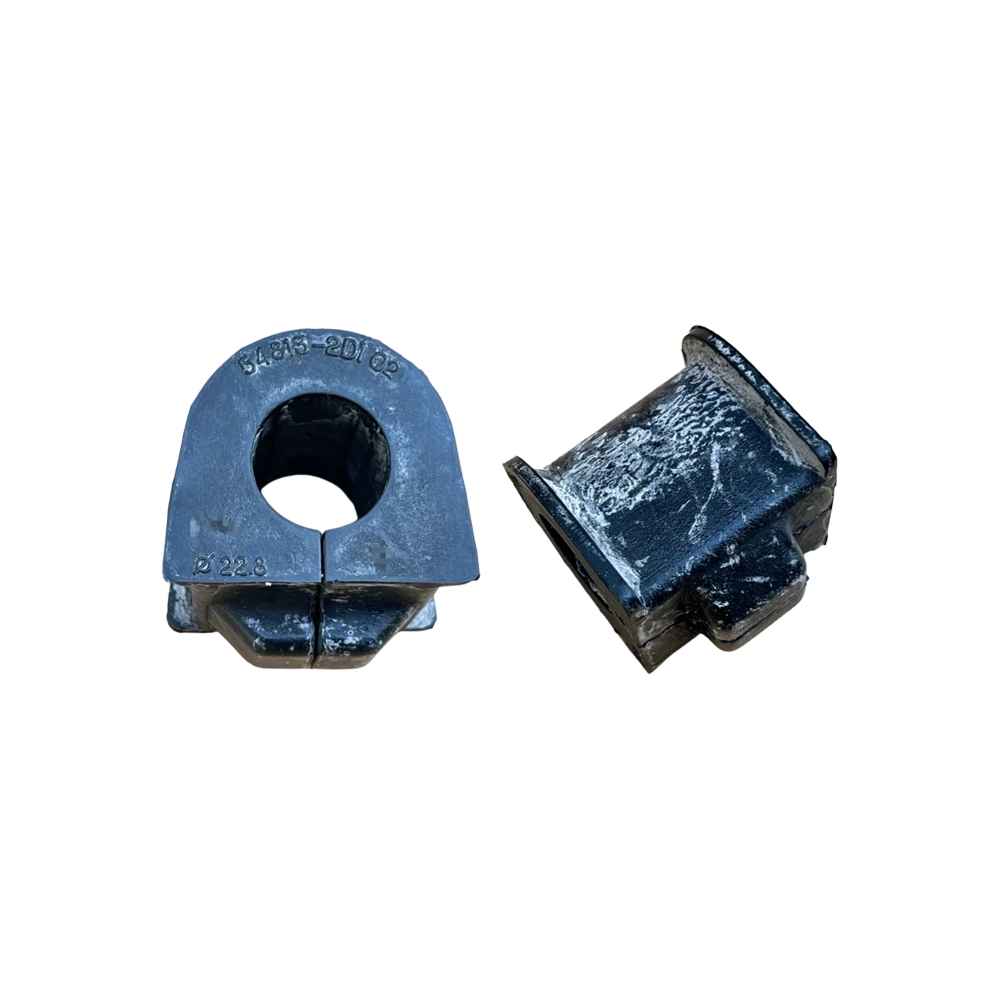
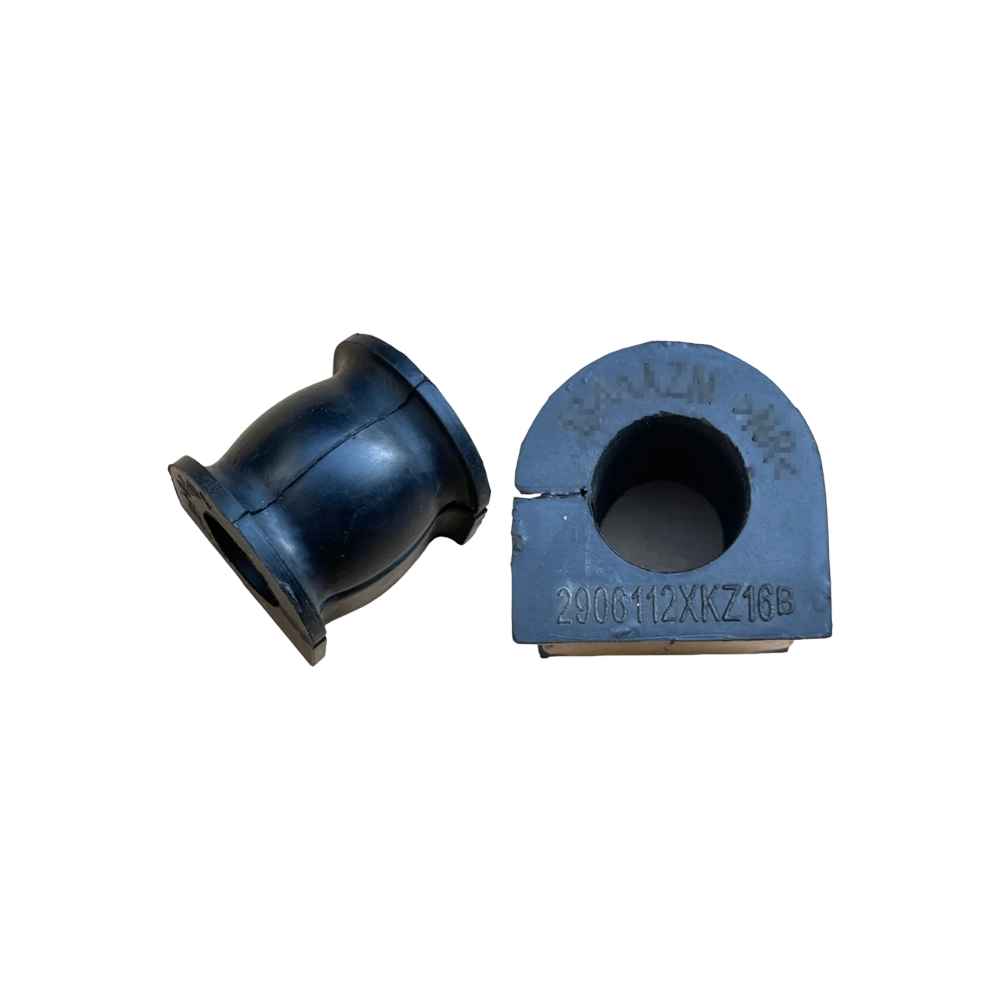
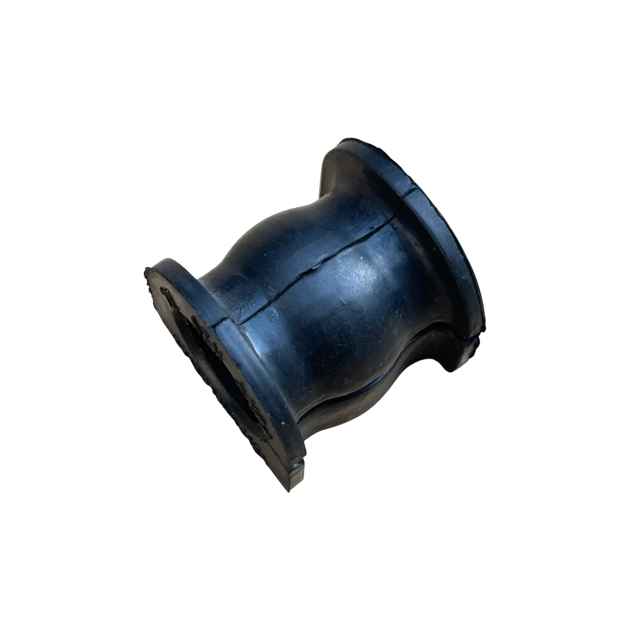
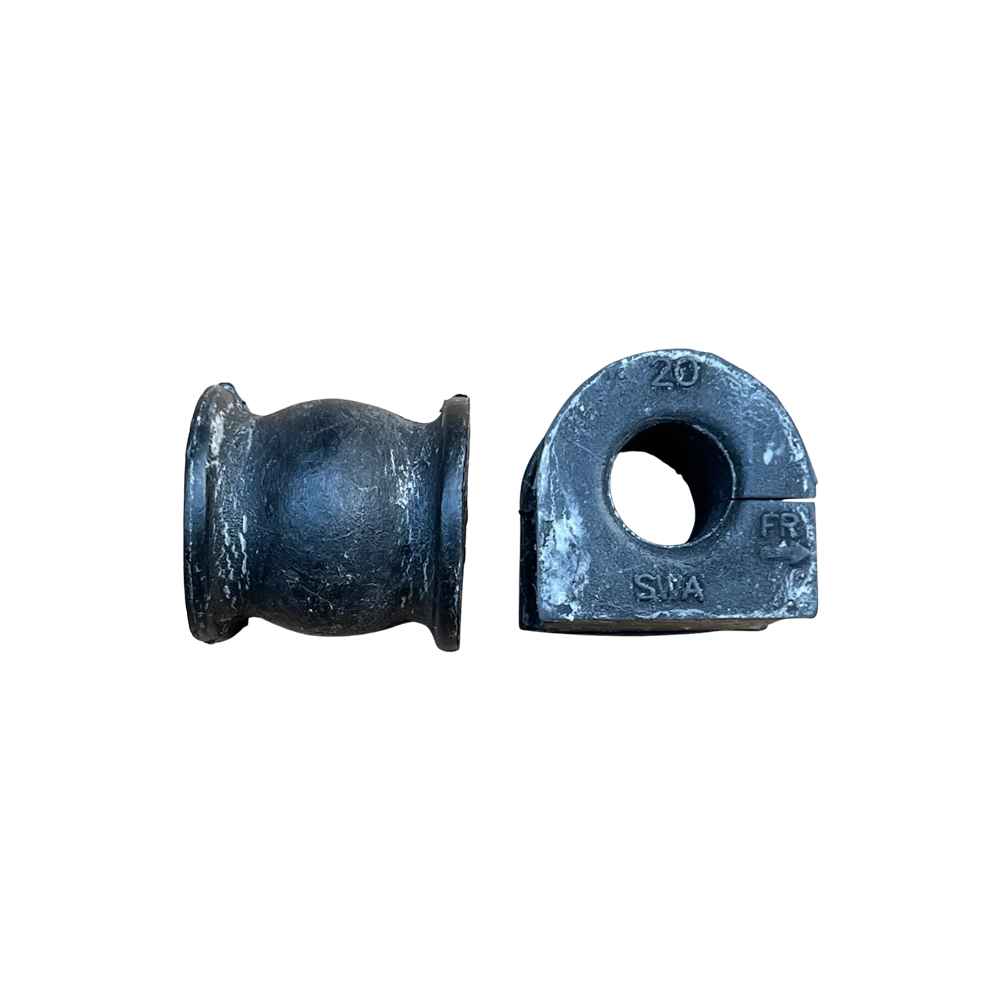
Our gaskets are crafted using high-quality materials, often featuring advanced rubber compounds reinforced with fibers to enhance durability. We deploy precise manufacturing techniques, including cutting-edge machine technologies that allow us to produce gaskets with exact dimensions. This precision is crucial because even a slight deviation can lead to engine issues.
The Role of Materials in Gasket Production
One of the key factors influencing gasket performance is the material used. For instance, silicone-based gaskets are excellent at withstanding high temperatures, making them suitable for applications near engine cylinders. In contrast, certain fiber-reinforced options may provide better compressibility, ensuring an effective seal under varied operating conditions.
Common Issues with Engine Gaskets
Over time, engine gaskets can degrade due to heat exposure, vibration, and chemical wear. Some common problems include:

- Blown Head Gasket: Often results in coolant leaking into the cylinders, leading to severe engine damage.
- Intake Gasket Failures: Can cause poor engine performance and increased emissions.
Maintenance Tips
Regular maintenance can extend the life of your engine gaskets. Here are some tips:
- Keep an eye on engine temperature; overheating can warp gaskets.
- Change your engine oil regularly to minimize sludge buildup that can compromise gaskets.
- Inspect your gaskets during routine check-ups to catch any early signs of wear.
Choosing the Right Manufacturer
When selecting a supplier for gaskets, look for those with certifications like TS16949 and ISO. A reputable brand, such as Guanghua, stands by its products and offers warranties. You want to ensure that you're getting gaskets that will perform under pressure without compromising your engine's integrity.
Final Thoughts
In conclusion, understanding engine gaskets is essential for any vehicle owner or mechanic. With the right knowledge, maintenance practices, and quality products from a trusted manufacturer, you can ensure your engine runs smoothly for years to come. Don't underestimate the power of a good seal!