Understanding Engine Gaskets: The Basics
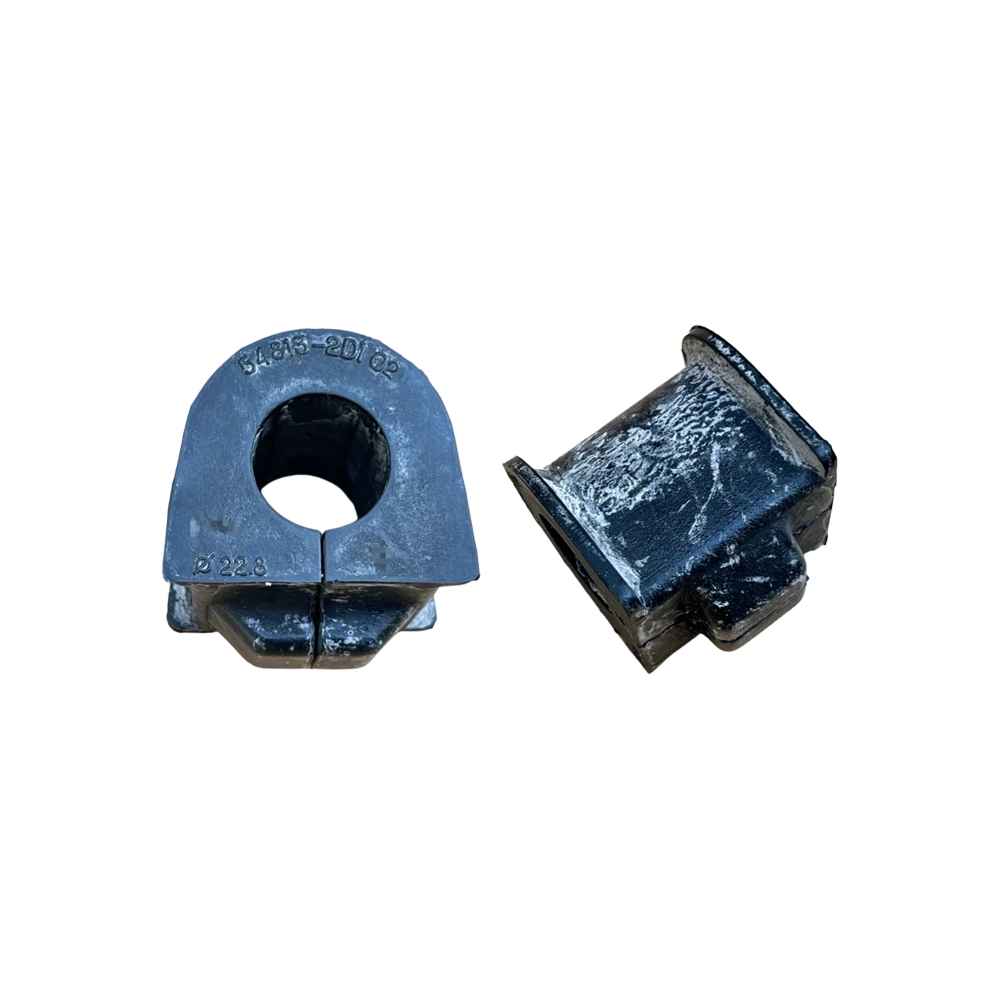
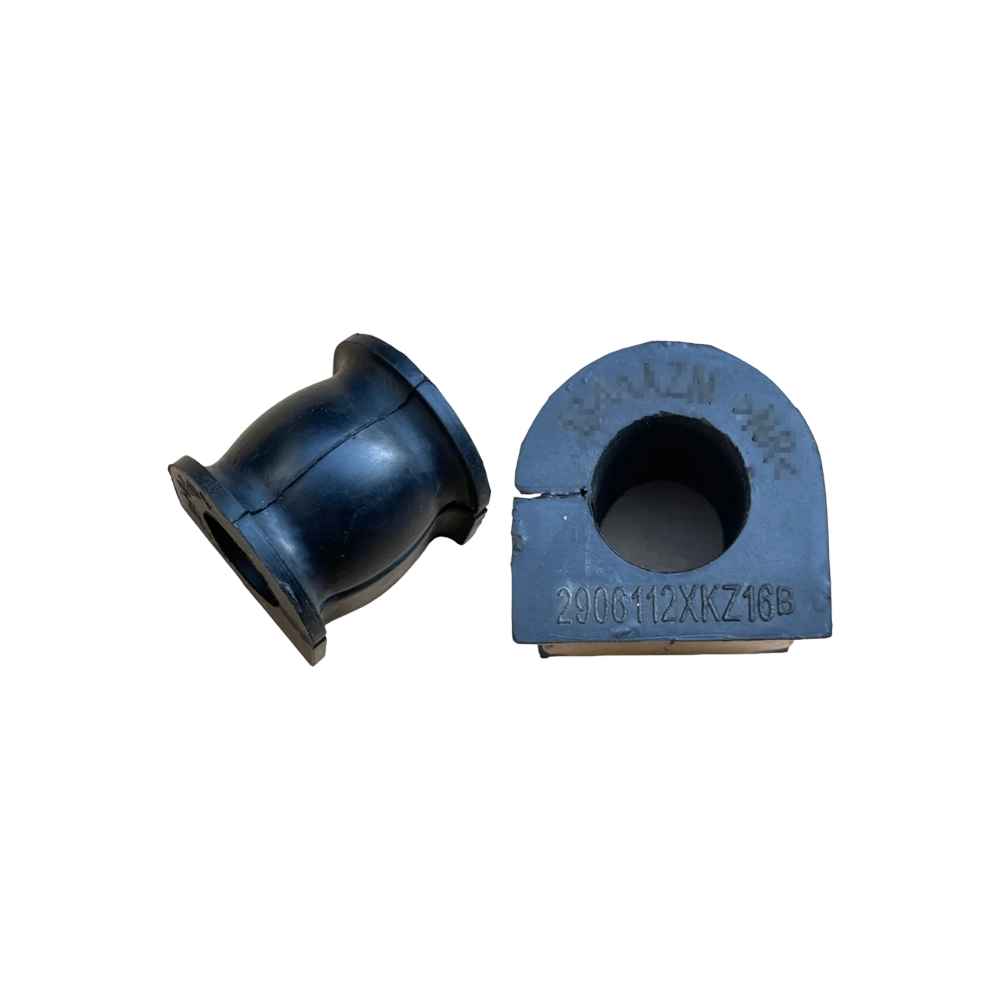
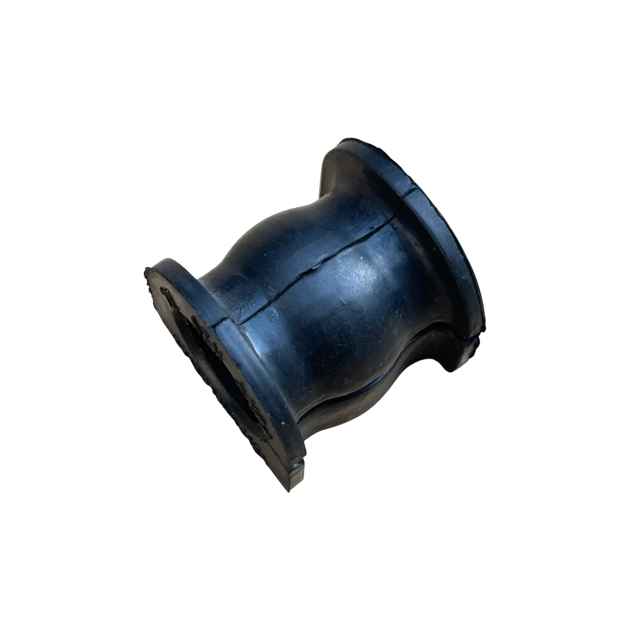
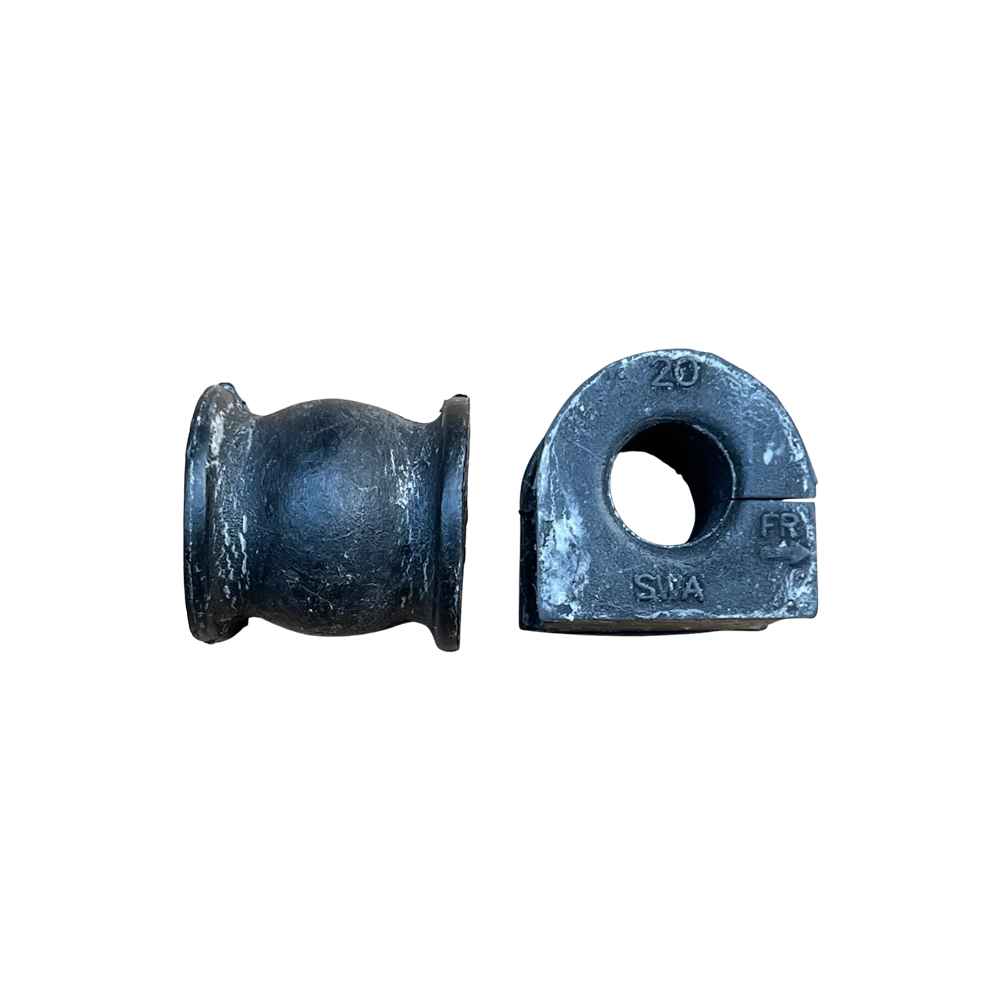
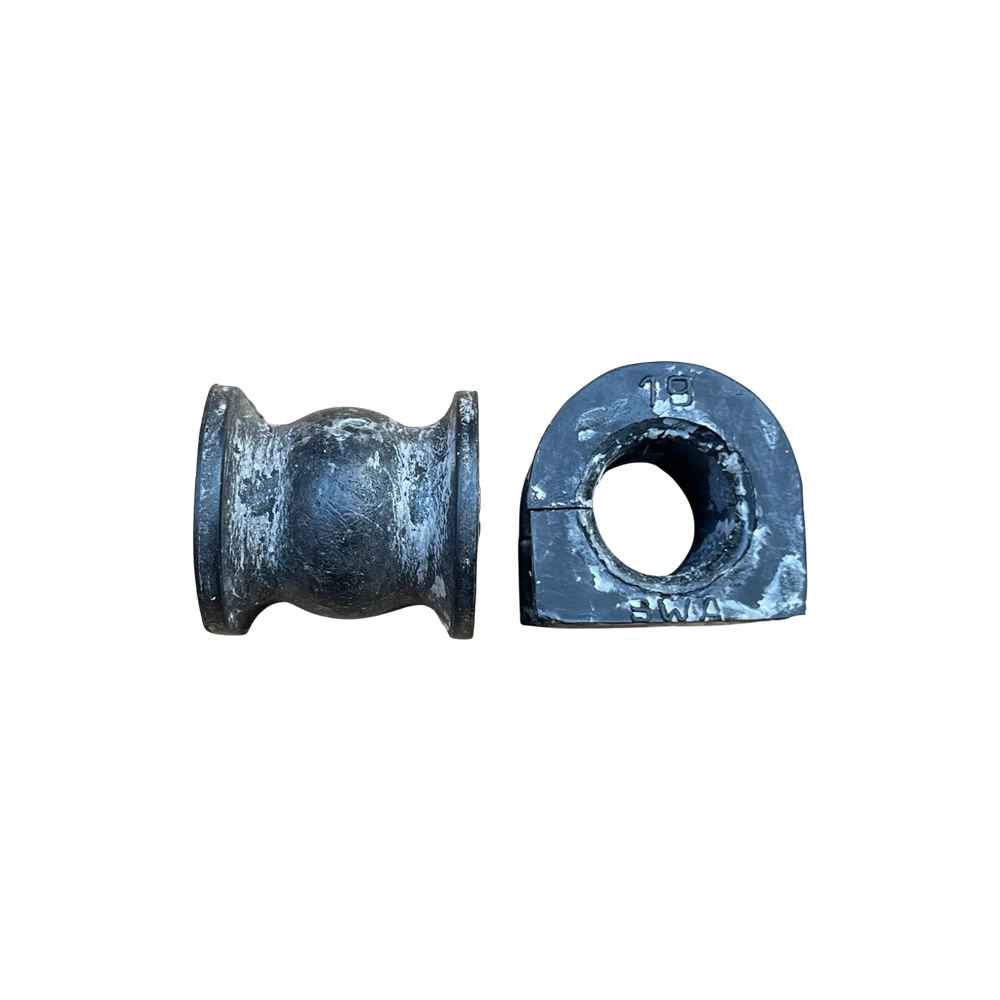
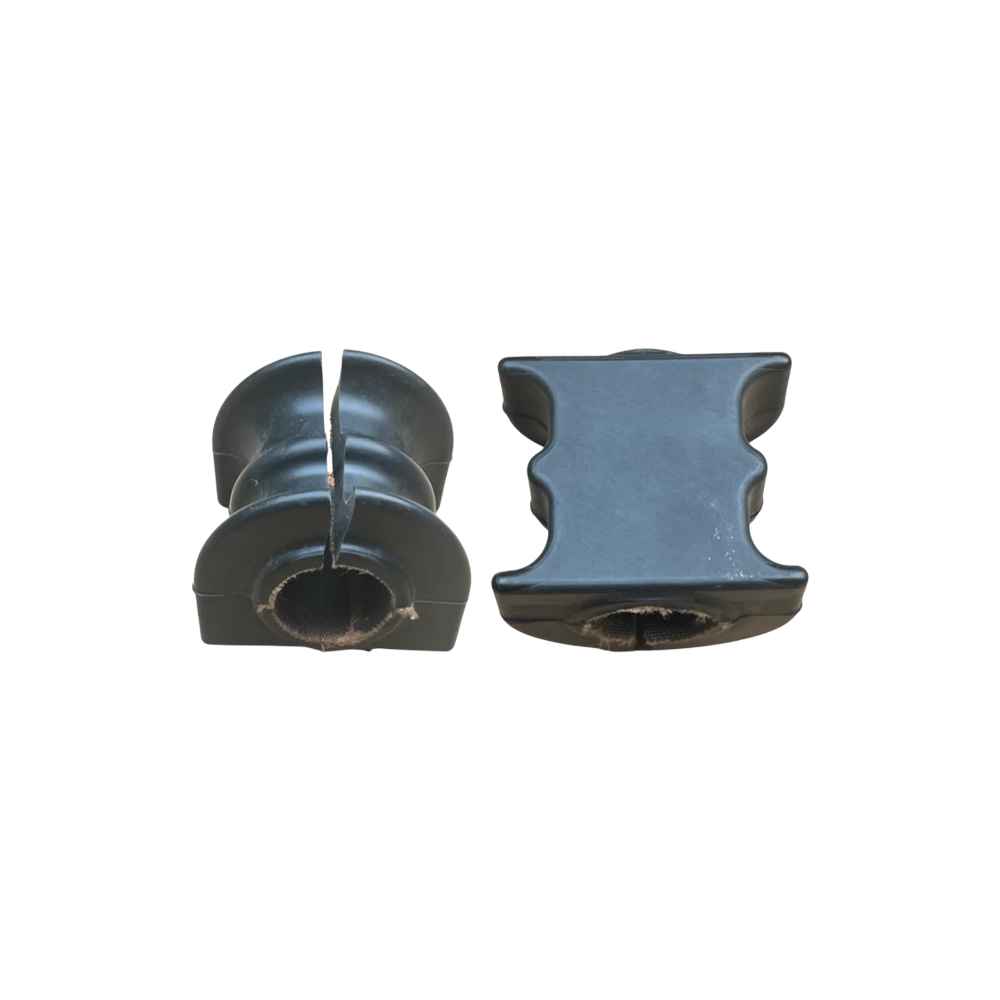
When it comes to high-performance off-road upgrades, engine gaskets are often the unsung heroes. These rubber sealing rings are crucial for preventing leaks and ensuring optimal performance under pressure. You might be wondering, what exactly do these gaskets do? Well, they create a seal between various engine components, helping to maintain pressure and prevent oil or coolant leaks.
Types of Engine Gaskets
There are several types of gaskets in an engine, each serving its specific role:
- Head Gaskets: These are perhaps the most critical. They sit between the engine block and cylinder head, sealing in the combustion chamber.
- Valve Cover Gaskets: Located on the top of the engine, these gaskets keep oil from leaking out of the valve cover.
- Intake Manifold Gaskets: These help seal the intake manifold to the engine block, crucial for maintaining proper air-fuel mixtures.
Why Quality Matters
Now, here’s the kicker – not all gaskets are created equal. When you’re upgrading for high performance, cheap gaskets just won’t cut it. I’ve seen too many enthusiasts skimping on quality, only to run into issues down the road. You really want gaskets that can withstand extreme temperatures and pressures, especially when you're tackling rugged terrains.
The Role of Material
Materials play a significant role in gasket performance. Many high-quality gaskets are made from materials like silicone or multi-layer steel. These compounds offer flexibility, strength, and durability, allowing them to handle the unique stresses of off-road environments. Brands like Guanghua have been known to produce some exceptional gaskets, ensuring that your engine stays sealed even during the wildest adventures.
Installation Tips for Gasket Longevity
Installing gaskets should never be a rushed job. Here are some tips to keep in mind for ensuring longevity:
- Always clean the surfaces thoroughly before installation. Any grime or residue can lead to leaks.
- Use a torque wrench to tighten bolts to the manufacturer’s specifications. Over-tightening can lead to deformation.
- Consider using a little bit of gasket sealer, especially for older engines where surfaces may not be perfectly smooth.
Common Mistakes to Avoid
With years of experience in the field, I've noticed a few common pitfalls. One major mistake is reusing old gaskets. Trust me; it’s a recipe for disaster! Each time a gasket is compressed, it loses its ability to seal effectively.
Signs Your Gasket Needs Replacing
Monitoring your engine's performance can save you both time and money. Here are some red flags:
- Oil or coolant leaks are the most obvious signs. If you notice puddles beneath your vehicle, check those gaskets!
- Overheating can indicate a failing head gasket, which is pretty serious.
- Loss of power or acceleration – if your engine isn’t running smoothly, it’s worth investigating.
Choosing the Right Supplier
Finding a reliable supplier for your engine gaskets is just as vital as selecting the right type. Look for providers who specialize in high-performance parts, like Guanghua. They not only offer great products but also valuable insights into installation and maintenance.
Conclusion: Invest in Quality
In summary, high-performance off-road upgrades demand high-quality engine gaskets. They might seem like small components, but they make a massive difference in your engine's performance and reliability. Don’t underestimate their importance; invest in the best, and you’ll thank yourself later.