
Understanding Sway Bars
Sway bars, or stabilizer bars, play a crucial role in the vehicle's suspension system, acting as a bridge between the left and right sides of the suspension. By minimizing body roll during cornering, they enhance vehicle stability and handling. The components can be categorized into front and rear sway bars, each serving specific functions depending on the vehicle’s design and intended use.
OEM vs. Aftermarket Sway Bars
When it comes to replacement options, enthusiasts often debate the merits of Original Equipment Manufacturer (OEM) parts versus aftermarket alternatives. OEM sway bars are designed specifically for a vehicle model, ensuring compatibility and performance. In contrast, aftermarket sway bars offer potential enhancements, such as improved stiffness or lighter materials, catering to those looking for performance upgrades.
Advantages of OEM Sway Bars
- Compatibility: Designed to fit precisely with a vehicle's suspension system.
- Warranty: Often backed by manufacturer warranties, providing peace of mind.
- Quality Assurance: Typically undergo rigorous testing to meet safety standards.
Advantages of Aftermarket Sway Bars
- Performance Enhancement: Options available that can improve handling and reduce body roll.
- Customization: Varied designs allow for tailored solutions according to driving style.
- Material Choices: Options like aluminum or lightweight composites can reduce weight without sacrificing strength.
Rubber Components in Suspension Systems
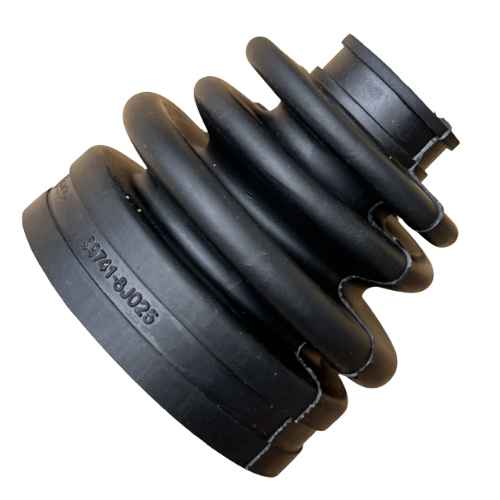
In addition to sway bars, various rubber components contribute significantly to the performance and longevity of the suspension system. Parts such as CV Joint Boots , Steering Rack Boots , and Shock Absorber Boots encapsulate essential moving parts, protecting them from dirt and moisture while maintaining proper function.
Importance of Quality Rubber Parts
The integrity of rubber components is vital, as degradation can lead to increased wear on the associated parts. For instance, a compromised valve cover gasket may result in oil leaks, impacting engine performance. In a similar vein, the failure of O-Rings & Rubber Sealing Rings can lead to fluid loss in hydraulic systems, emphasizing the need for quality replacements.
Factors Influencing the Selection of Sway Bars
Several factors should be considered when choosing sway bars for replacement or upgrading purposes. Vehicle type, driving habits, and even local road conditions can dictate the best choice between OEM and aftermarket parts. Furthermore, the material composition of sway bars, whether steel or more advanced alloys, affects not only performance but also durability.
Installation Considerations
Whether opting for an OEM or aftermarket sway bar, installation plays a pivotal role in ensuring optimal functionality. It is advisable to utilize professional services if unfamiliar with suspension work, as improper installation can negate the benefits of upgraded components. Additionally, surrounding rubber components, including Stabilizer Bar Bushings, must be inspected and replaced if necessary to avoid future complications.
Choosing a Reliable Supplier
For those sourcing sway bars or related rubber components, selecting a reputable supplier is essential. A China-based factory specializing in rubber auto parts, such as Guanghua, offers a range of products tailored for both OEM and aftermarket applications. Partnering with such manufacturers can ensure the provision of high-quality parts that meet stringent industry standards.
Evaluating Quality in Manufacturing
It is crucial to assess the manufacturing processes employed by suppliers. Look for certifications that indicate adherence to international quality norms. Factories should employ advanced technology and rigorous testing protocols to guarantee their products perform reliably under various conditions.
Conclusion on Sway Bar Replacement
Ultimately, the decision regarding front or rear sway bar replacement should be informed by a comprehensive understanding of one's vehicle dynamics and requirements. Whether one opts for OEM fidelity or aftermarket enhancements, aligning choices with driving preferences and road conditions is key to achieving optimal performance. As the market for rubber auto parts expands, ensuring access to reliable and durable components remains paramount for vehicle operators.







