The Importance of Heat-resistant ACM in Automotive Hydraulic Systems
When diving into the world of automotive hydraulic systems, one cannot overlook the significance of heat-resistant ACM (Acrylic Copolymer Material). This material has become a game-changer in various applications due to its unique properties. It's not just about durability; it’s about performance under pressure—literally!
What is ACM?
ACM stands for Acrylic Copolymer Material, which is known for its excellent thermal stability and resistance to oil and other fluids. In simple terms, ACM can handle extreme temperatures without losing integrity, making it perfect for automotive hydraulic systems where heat levels can soar.
Benefits of Using Heat-resistant ACM
- Superior Temperature Resistance: Unlike standard materials that might warp or degrade, heat-resistant ACM maintains its shape even when subjected to high heat.
- Oil and Fluid Resistant: Automotive environments can be hostile with oils and other fluids. ACM stands tall, with minimal absorption rates.
- Enhanced Longevity: Fewer replacements mean less downtime for manufacturing partners—a win-win situation!
Choosing the Right Manufacturer
Partnering with the right contract manufacturer is crucial. Not all manufacturers use the same standards for quality and consistency. Brands like Guanghua are known for their commitment to excellence, ensuring that their ACM products meet rigorous industry standards.
Key Considerations When Selecting a Partner
- Experience: A partner with a solid track record in automotive components brings invaluable insights that can save you time and money.
- Quality Assurance: Look for manufacturers that prioritize quality checks at every stage of production. This ensures that the final product meets your expectations.
- Customization Capabilities: Every automotive project is unique. Your contract manufacturer should be able to adapt designs to fit specific hydraulic system needs.
Applications of Heat-resistant ACM
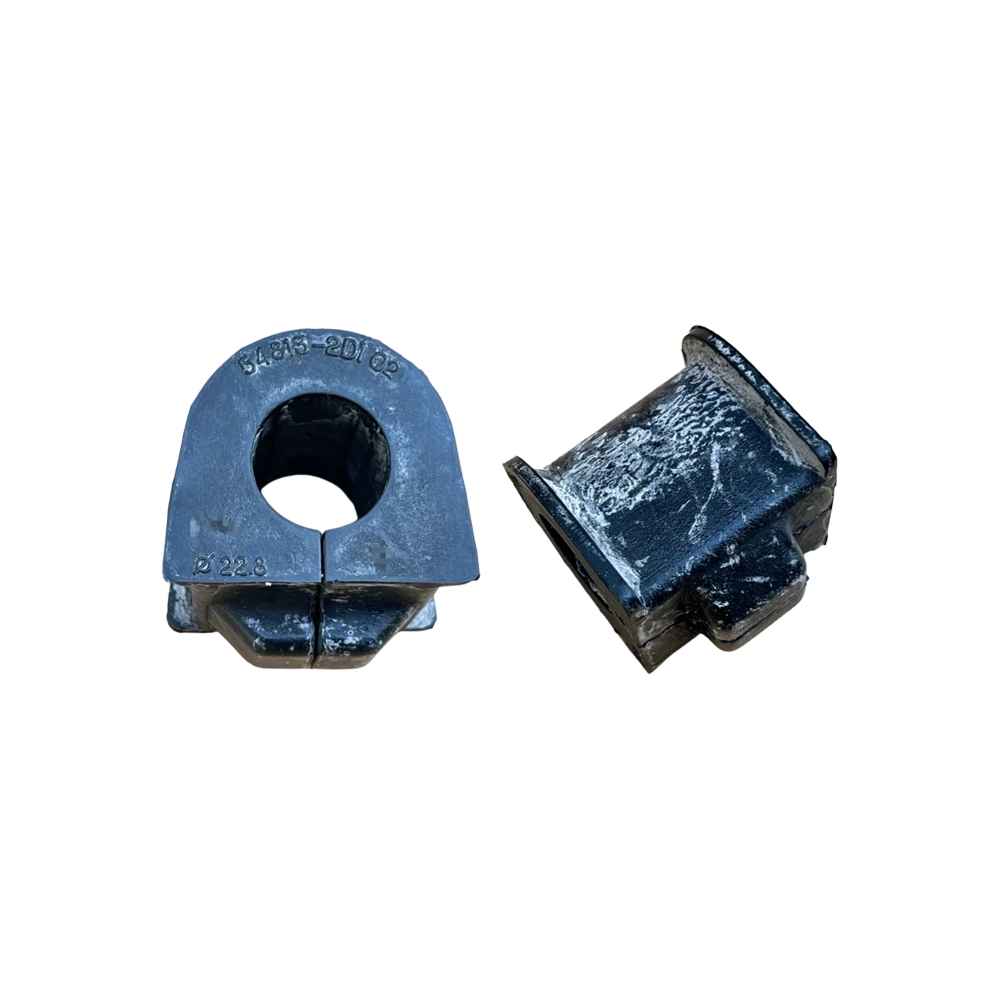
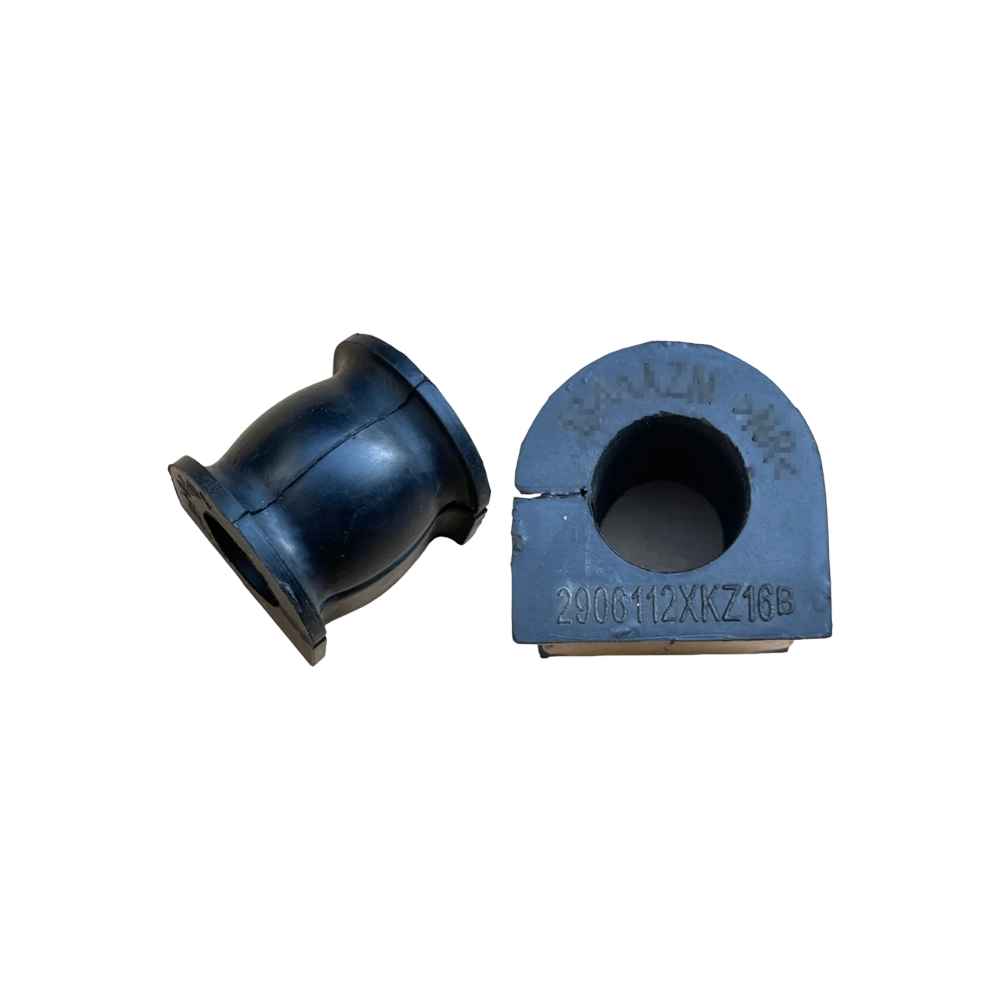
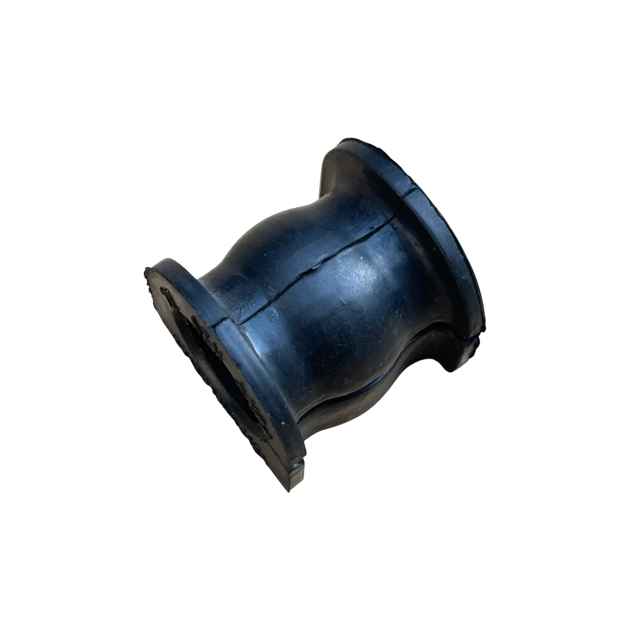
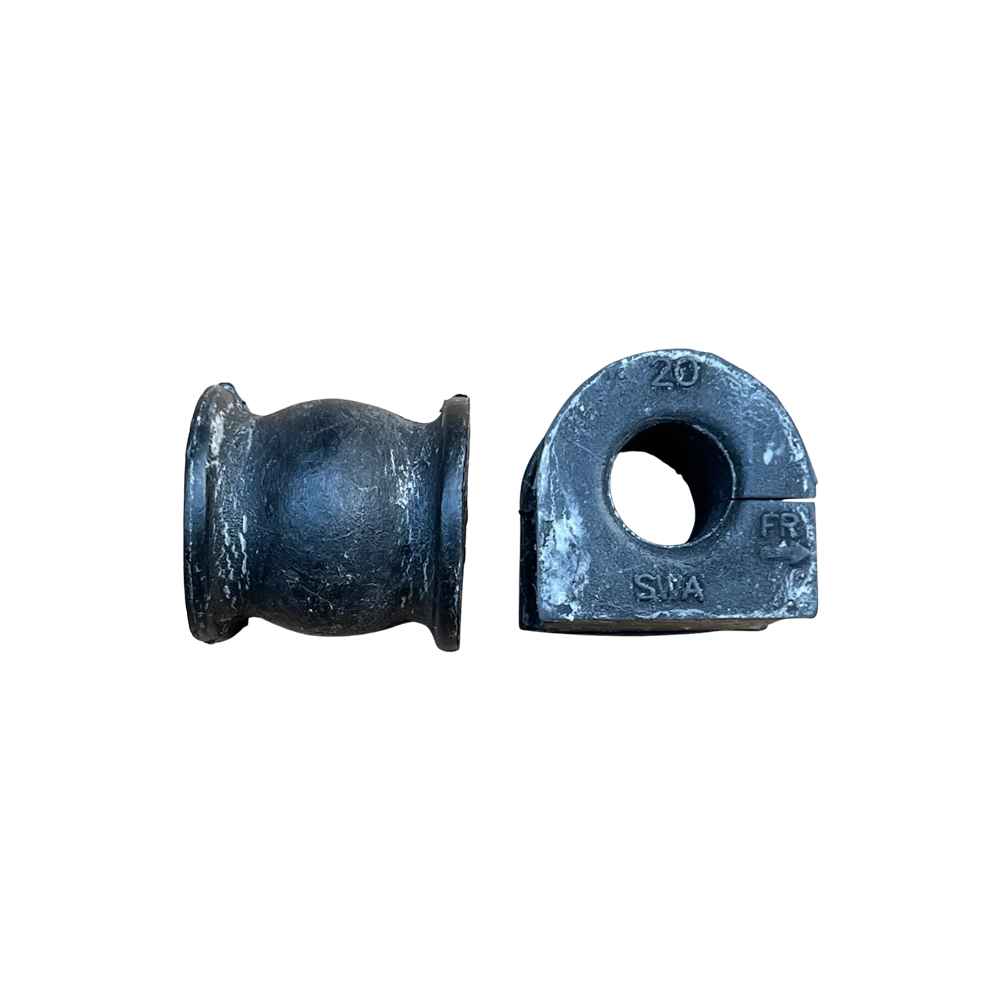
This versatile material finds its way into various components of hydraulic systems. From gaskets to seals, heat-resistant ACM is used in numerous applications where resilience is key. Its ability to withstand harsh conditions makes it an obvious choice for engineers when designing systems that need to perform reliably.

Expanding Beyond Basic Usage
Interestingly, heat-resistant ACM isn't limited to just automotive applications. Industries such as aerospace and industrial machinery have also started recognizing its benefits. The adaptability of ACM means it can fill multiple roles across diverse sectors.
Future Trends in Heat-resistant Materials
As technology progresses, the demand for innovative materials like heat-resistant ACM will only increase. Manufacturers are constantly searching for ways to enhance properties such as flexibility and strength. Staying ahead of these trends can give automotive companies a competitive edge in an ever-evolving market.
Integration with Smart Technologies
With the rise of smart vehicles, integrating advanced materials with sensors and monitoring systems may redefine how we view hydraulic systems. Imagine a future where heat-resistant ACM components not only ensure durability but also communicate performance metrics back to the driver or maintenance team. That’s the kind of innovation the automotive industry thrives on!
Conclusion
In summary, heat-resistant ACM is an essential material for modern automotive hydraulic systems. By partnering with experienced manufacturers like Guanghua, you can leverage the full potential of this material. Remember, choosing the right partner makes all the difference in achieving optimal performance and reliability.