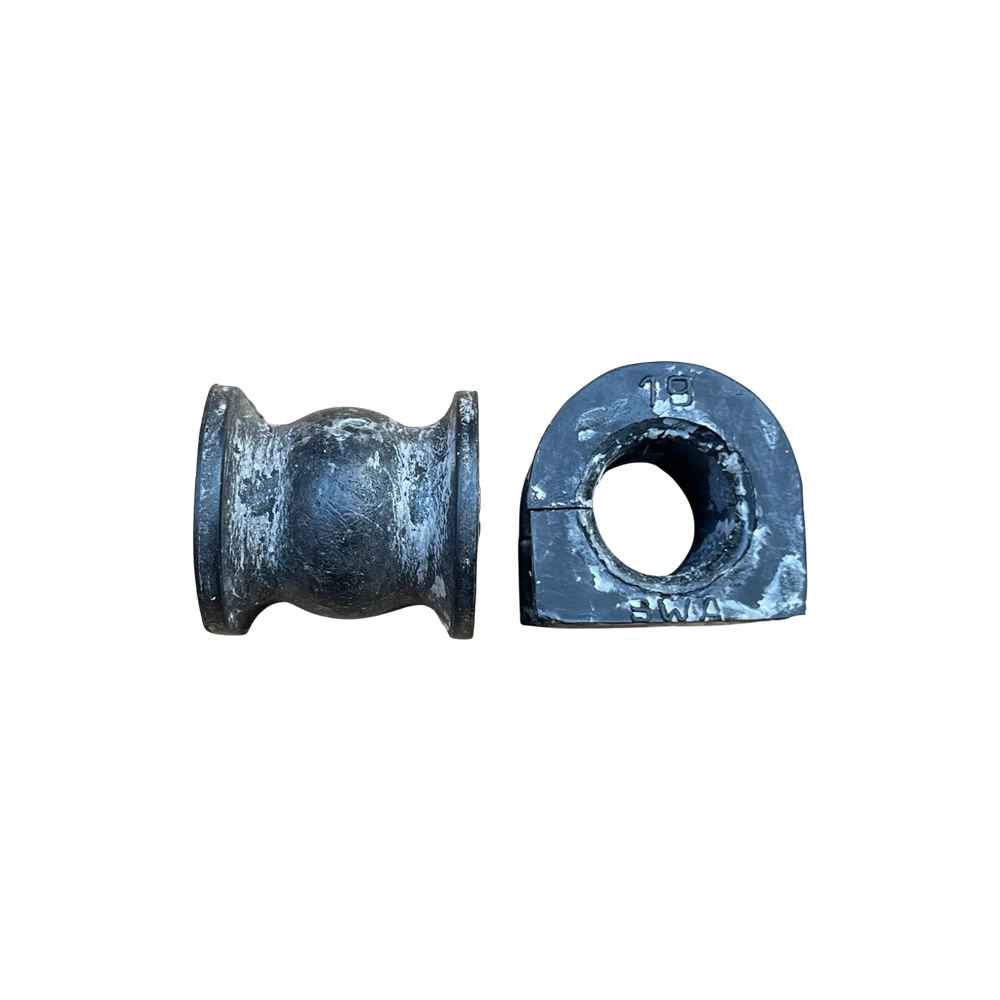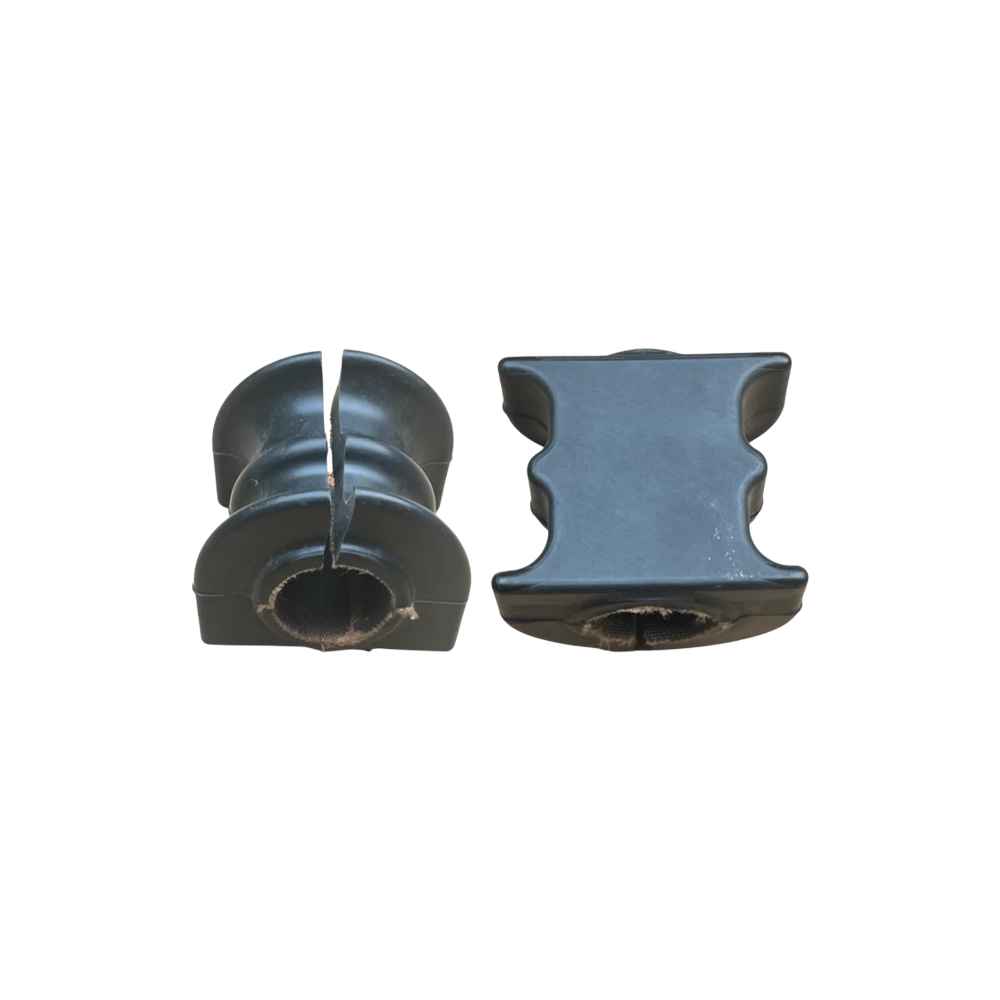
Understanding Heat-Resistant ACM
Heat-resistant ACM (Acrylic Copolymer Material) has gained significant traction in the off-road upgrade industry, primarily due to its remarkable durability and performance under extreme conditions. This material, which is highly resistant to heat and chemicals, can be found in various applications, including automotive components that require enhanced strength and flexibility.
Key Properties of Heat-Resistant ACM
- Thermal Stability: One of the most notable characteristics of heat-resistant ACM is its ability to maintain structural integrity at elevated temperatures, making it suitable for high-performance applications.
- Chemical Resistance: This material exhibits excellent resistance to a variety of corrosive substances, ensuring longevity even in harsh environments.
- Flexibility and Toughness: ACM retains flexibility, allowing for easier installation and adaptability to various shapes and sizes without compromising strength.
Applications in Off-Road Vehicles
The application of heat-resistant ACM in off-road vehicles is expansive. It serves critical roles in components where exposure to high temperatures and rugged terrain is inevitable. Examples include:
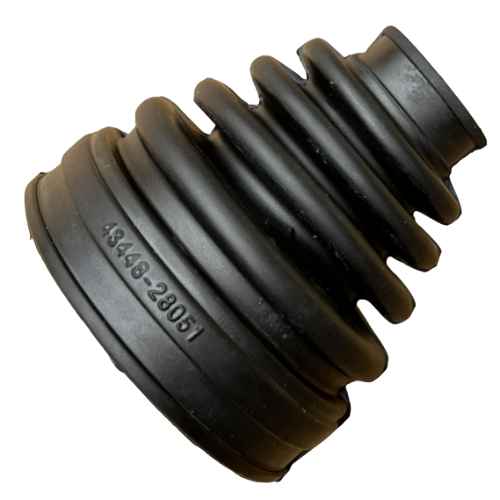
- Sealing Components: Used in O-Rings & Rubber Sealing Rings , ACM ensures a tight seal that withstands extreme conditions.
- Suspension Systems: For parts such as Shock Absorber Boots and Steering Rack Boots , ACM can provide enhanced performance and reliability.
- Engine Components: Valve Cover Gaskets made from heat-resistant ACM significantly reduce the risk of leaks and failures in high-performance engines.
Why Choose a TS16949/ISO Certified Manufacturer?
Opting for products from a TS16949/ISO certified manufacturer, such as Guanghua, assures customers of superior quality management systems. The rigorous standards imposed by these certifications guarantee that:
- Consistent product quality is maintained throughout the manufacturing process.
- Manufacturers are committed to continual improvement and customer satisfaction.
- Products meet international quality and safety standards, essential for high-performance upgrades.
Durability Under Pressure
In off-road environments, the components face not only heat but also significant physical stresses. Heat-resistant ACM's durability under these conditions is enhanced by its resilience to impacts and abrasions. This dual capability reduces the likelihood of component failure, which can lead to costly repairs or replacements.
Compatibility with Other Materials
A crucial aspect of utilizing heat-resistant ACM in off-road upgrades is its compatibility with other materials. For instance, it can be effectively combined with metals and plastics in various assemblies, allowing for innovative designs without sacrificing performance.
Environmental Considerations
As sustainability becomes increasingly important in manufacturing processes, heat-resistant ACM stands out due to its recyclable nature, minimizing environmental impact. Additionally, the energy efficiency during the production process contributes to a lower carbon footprint compared to some traditional materials.
Performance Testing and Quality Assurance
Before any heat-resistant ACM component reaches the market, it undergoes rigorous testing to ensure it meets both performance and safety standards. This includes thermal cycling tests, chemical resistance evaluations, and mechanical stress assessments. Such comprehensive testing protocols are vital for ensuring that the end-user receives a product capable of withstanding the rigors of off-road adventures.
Future Trends in Heat-Resistant ACM Technology
The advancement of heat-resistant ACM technology is promising, with ongoing research focusing on enhancing its properties further. Innovations may include:
- Improved formulations that increase temperature tolerance.
- Advanced composite blends that enhance strength-to-weight ratios.
These developments will likely open new avenues for high-performance upgrades in off-road vehicles, enhancing their capabilities and reliability.