Understanding Hydraulic Steering Systems
Hydraulic steering systems have become integral to modern automotive engineering, providing enhanced maneuverability and driver comfort. This system utilizes hydraulic fluid to transmit force from the steering wheel to the wheels, resulting in smoother handling compared to traditional mechanical systems.
The Mechanism of Hydraulic Steering
At the heart of hydraulic steering systems lies a hydraulic pump, typically driven by the vehicle's engine. This pump pressurizes hydraulic fluid, which is then directed into a steering gear mechanism. The essential components include:
- Hydraulic Pump
- Steering Gearbox
- Hydraulic Fluid Reservoir
- Hoses and Tubing
When the driver turns the steering wheel, the hydraulic pressure assists in turning the wheels, effectively reducing the effort required for steering. This not only makes driving easier but also enhances performance during high-speed maneuvers or when navigating tight corners.
Components of Hydraulic Steering Systems
The reliability of hydraulic steering systems depends on several critical components, each contributing to the overall functionality and safety. Some key elements include:
Hydraulic Pump
The hydraulic pump generates the necessary pressure to facilitate steering. A well-functioning pump ensures that there is adequate fluid flow to respond swiftly to driver inputs.
Steering Rack and Pinion
The steering rack and pinion translate the rotational movement of the steering wheel into lateral motion of the wheels. Precision engineering here is vital; any slight misalignment can lead to ineffective steering response.
Fluid Reservoir
This component stores hydraulic fluid, ensuring the system remains properly filled. Regular maintenance and checks are crucial, as low fluid levels can significantly impair steering performance.
Sealing Components
To maintain efficiency, hydraulic systems rely heavily on quality sealing solutions such as O-Rings & Rubber Sealing Rings . These prevent leaks and ensure that the hydraulic pressure can be maintained, allowing for effective steering control.
Importance of TS16949/ISO Certification
A manufacturer’s adherence to TS16949/ISO certification standards signifies a commitment to quality and consistency in automotive production. For manufacturers involved in hydraulic steering systems, this certification reflects their capability to produce reliable components that meet stringent safety and performance criteria.
Certified manufacturers often implement rigorous quality control processes, ensuring that every component—from Steering Rack Boots to Shock Absorber Boots —undergoes thorough testing before reaching the market. This not only enhances consumer trust but also contributes to the overall durability of the hydraulic steering system.
Maintenance of Hydraulic Steering Systems
Regular maintenance of hydraulic steering systems is crucial to prolong their lifespan and ensure optimal performance. Here are some maintenance tips:
- Check hydraulic fluid levels regularly and top off if necessary.
- Inspect hoses and connections for any signs of wear or leaks.
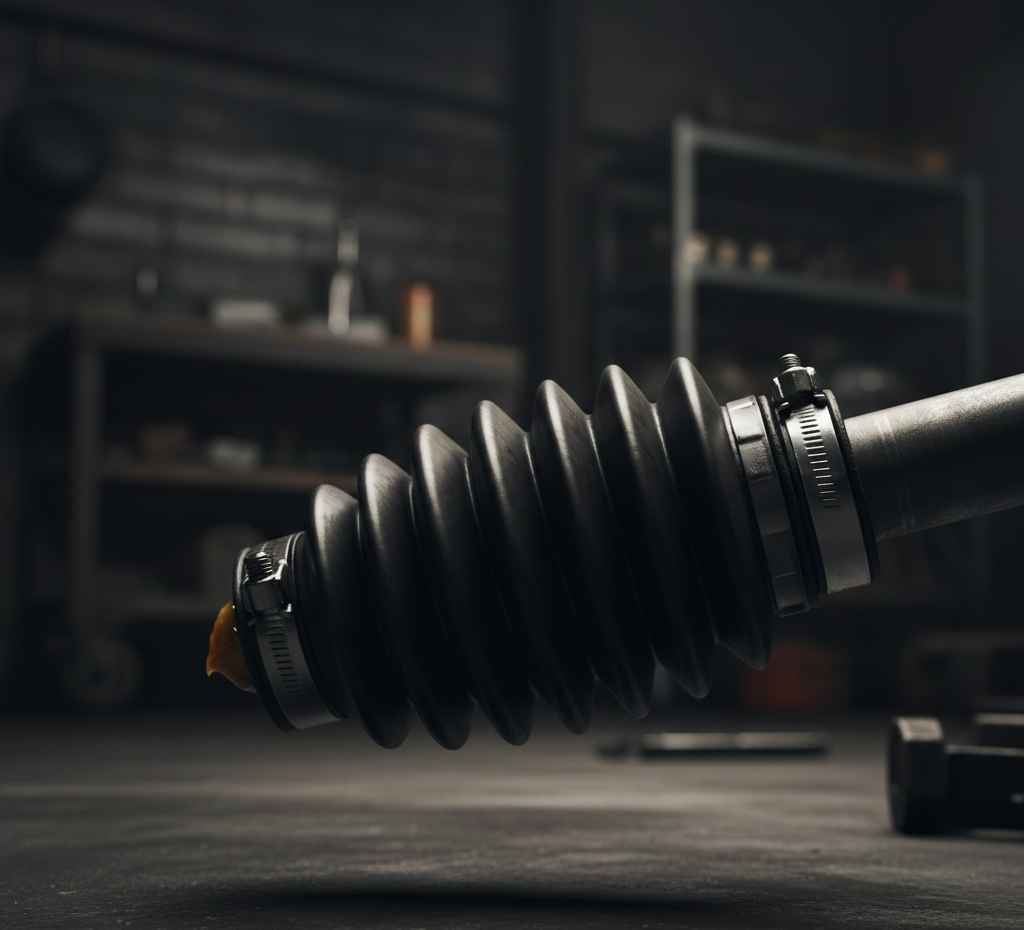
- Replace worn steering rack boots to protect against dirt and moisture ingress.
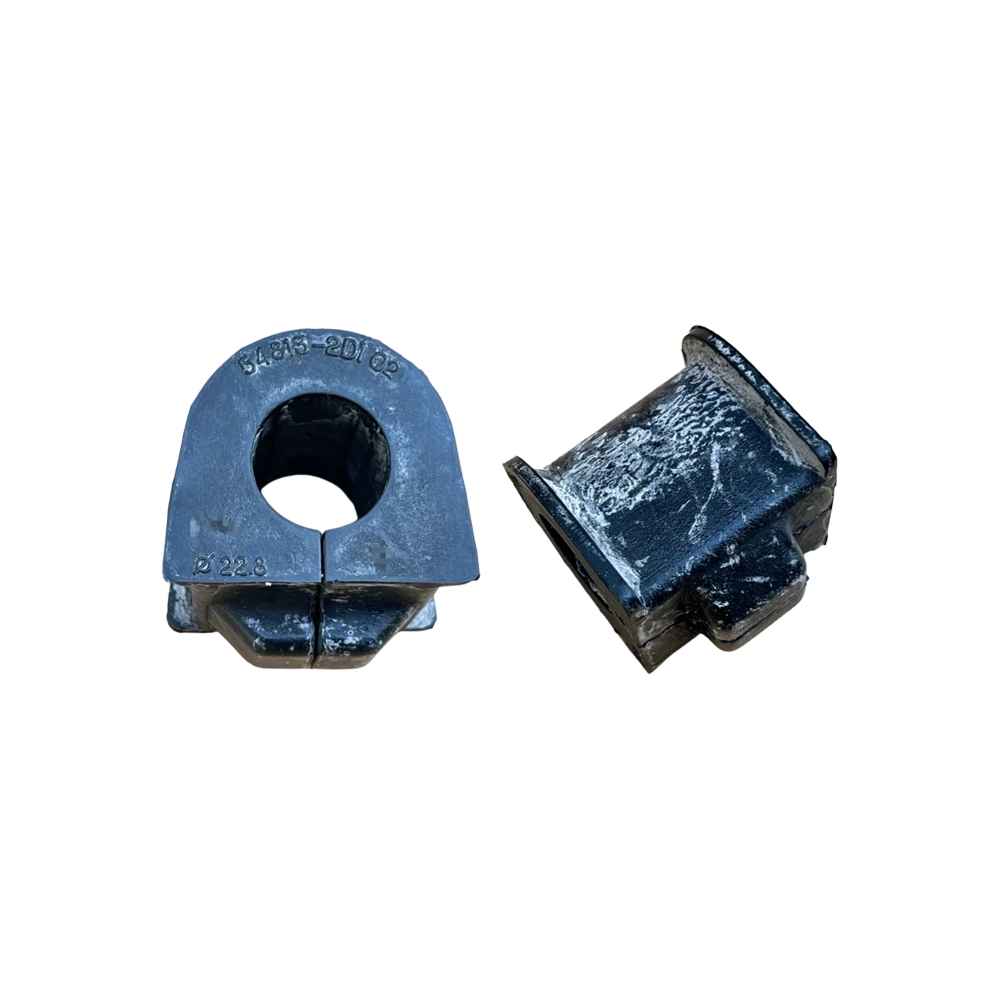
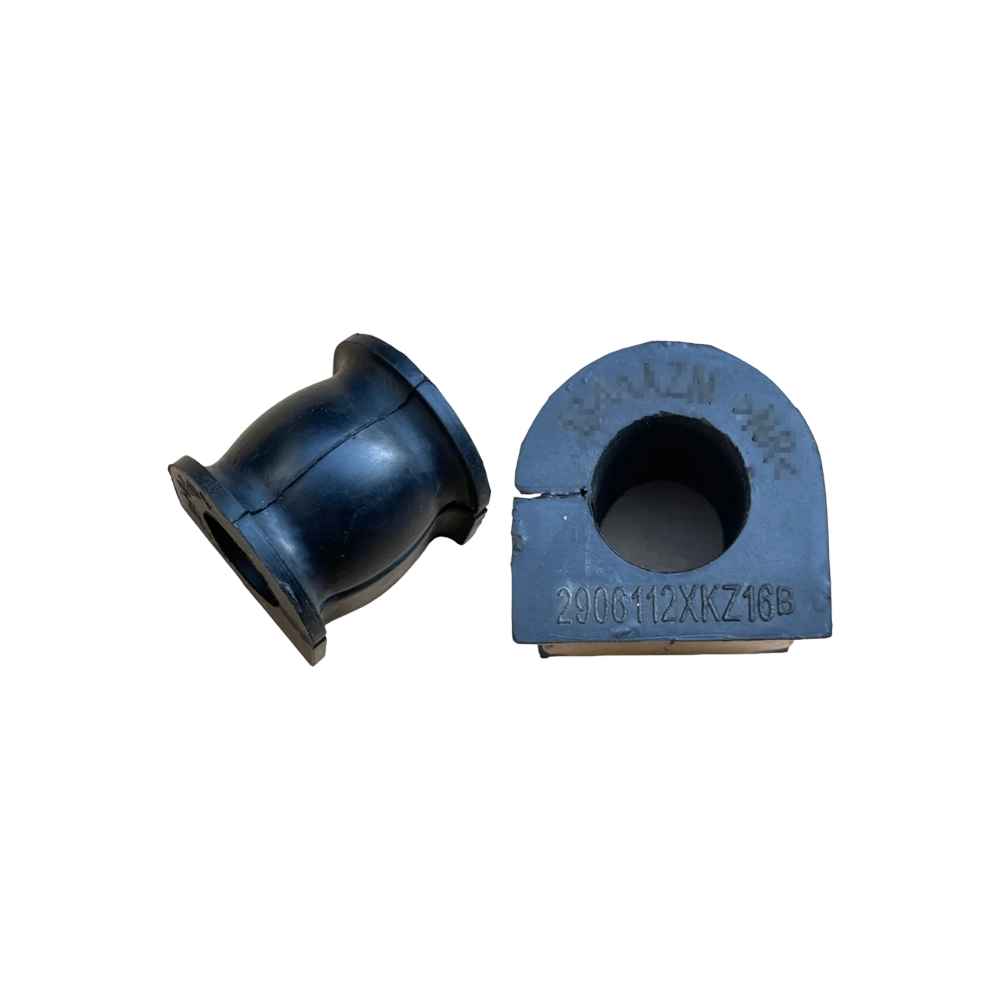
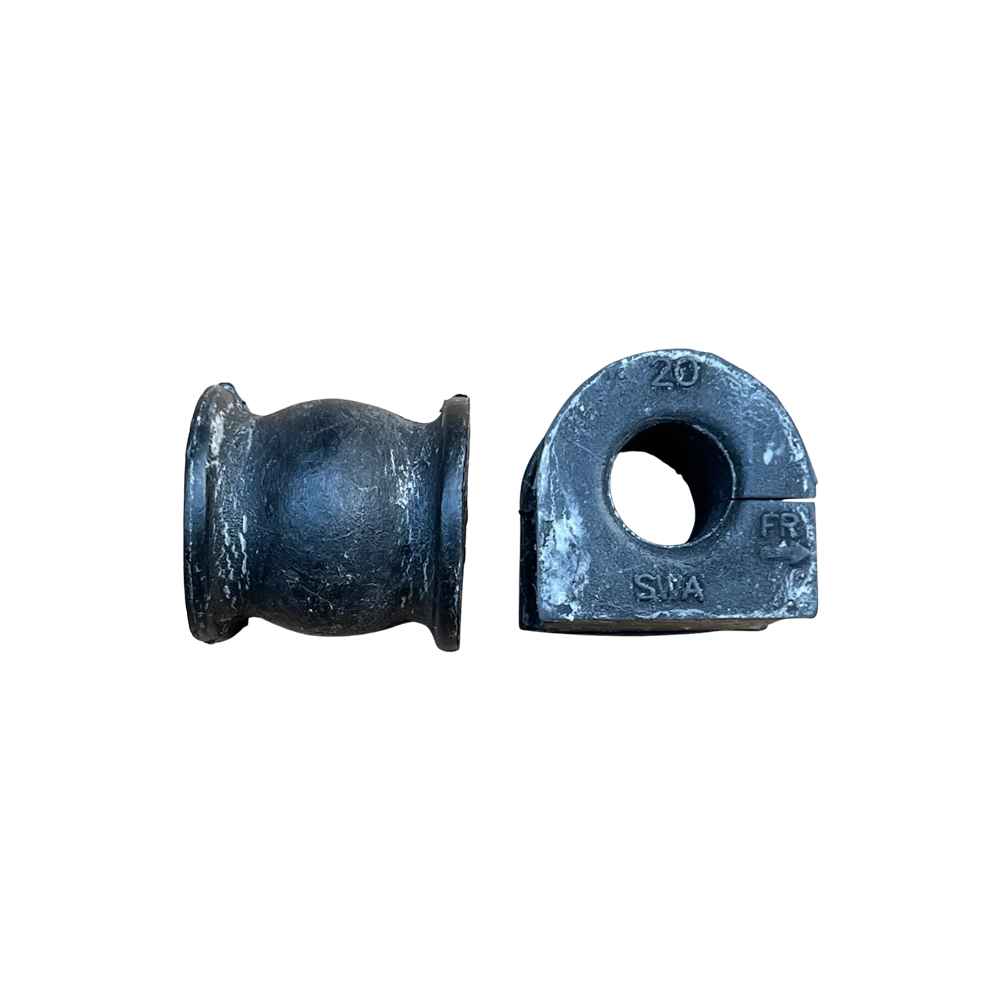
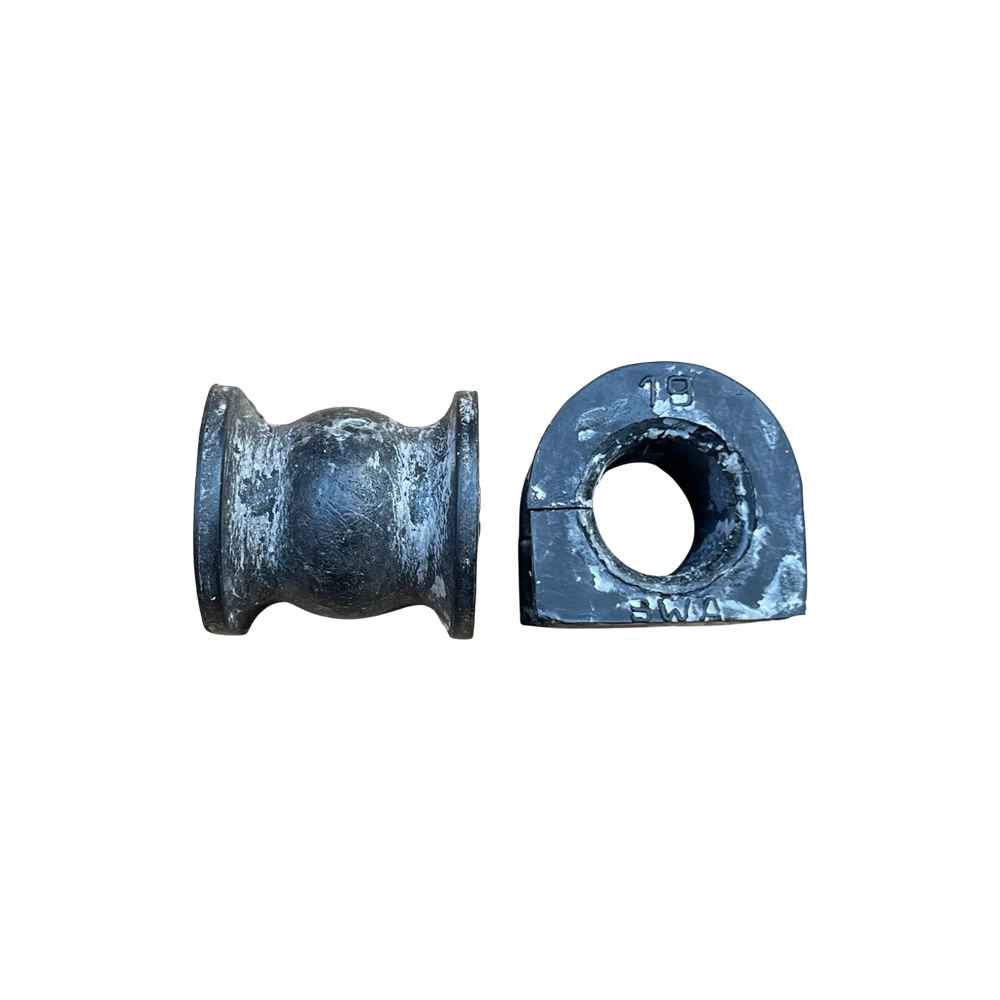
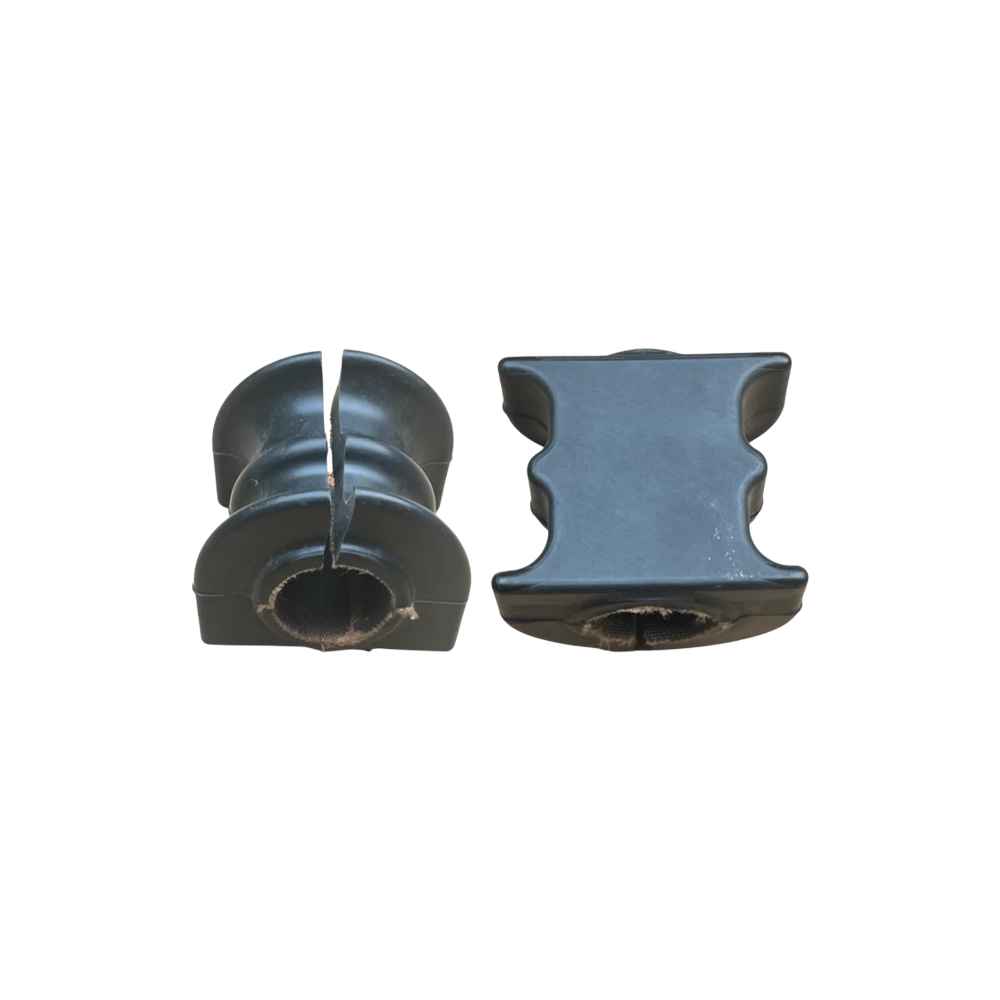
- Ensure stabilizer bar bushings are intact to maintain proper alignment.
Neglecting these maintenance aspects can lead to costly repairs down the line due to component failures.
Performance Enhancements with Hydraulic Steering
Incorporating advanced technologies and materials can significantly enhance the performance of hydraulic steering systems. Manufacturers like Guanghua focus on developing robust components that improve responsiveness and reduce weight, thereby contributing to better fuel efficiency.
Utilizing high-quality parts, including specially formulated rubber for CV joint boots and steering rack boots, can also help mitigate road noise and vibrations, enhancing overall ride quality.
Challenges in Hydraulic Steering Systems
Despite their advantages, hydraulic steering systems face certain challenges. One major issue is fluid leakage, which can arise from worn seals or damaged hoses. Consequently, it is imperative for manufacturers to utilize durable materials and designs that withstand harsh operating conditions.
The Future of Hydraulic Steering
As technology evolves, the future of hydraulic steering systems may lean towards further integration with electronic systems. Hybrid solutions that combine hydraulic and electric power steering are being explored to offer even greater efficiency and adaptability.
Conclusion
In summary, hydraulic steering systems represent a sophisticated blend of engineering precision and innovative design. Their effectiveness hinges upon the quality of components, maintenance practices, and adherence to industry standards such as TS16949/ISO. As advancements continue, one can expect even more refined solutions that cater to the growing demands of the automotive industry.