Understanding Hydraulic Steering Systems
Hydraulic steering systems are essential for modern chassis steering and suspension, offering drivers enhanced control and comfort. But what exactly makes them tick? These systems utilize hydraulic fluid to transmit force from the steering wheel to the wheels, making turning smoother and significantly reducing the driver’s effort.
The Mechanics Behind It
At the core of hydraulic steering systems lies a complex interplay between various components. Consider the steering rack, which converts rotational movement into linear motion. This is where the hydraulic fluid plays its crucial role—transmitting pressure to assist in steering.
- Steering Rack: Translates the driver's input into wheel movement.
- Pump: Generates hydraulic pressure needed for steering assistance.
- Hoses: Carry hydraulic fluid throughout the system.
A Closer Look at TS16949/ISO Certification
Now, let’s talk about standards. Being TS16949/ISO certified isn’t just a badge; it signifies quality assurance in all manufacturing processes. A manufacturer like Guanghua adheres to these stringent guidelines, ensuring every component—from O-Rings & Rubber Sealing Rings to Shock Absorber Boots —is built to last. Isn’t it comforting to know that some manufacturers prioritize reliability?
Benefits of Hydraulic Steering Systems
The advantages of hydraulic steering go beyond mere ease of use. They include:
- Enhanced maneuverability, especially in tight spaces.
- Increased vehicle stability at high speeds.
- Reduced risk of driver fatigue during long journeys.
Impact on Vehicle Dynamics
Hydraulic steering systems have a profound effect on overall vehicle dynamics. For instance, in an emergency maneuver, the responsiveness of a hydraulic system can make all the difference. Imagine a sudden obstacle appearing on the road—quick steering adjustments can avoid accidents. Can you really put a price on safety?
Common Components and Their Importance
Let’s break down some critical components of hydraulic steering systems:
- CV Joint Boots : Protect the CV joints from dirt and moisture, prolonging their lifespan.
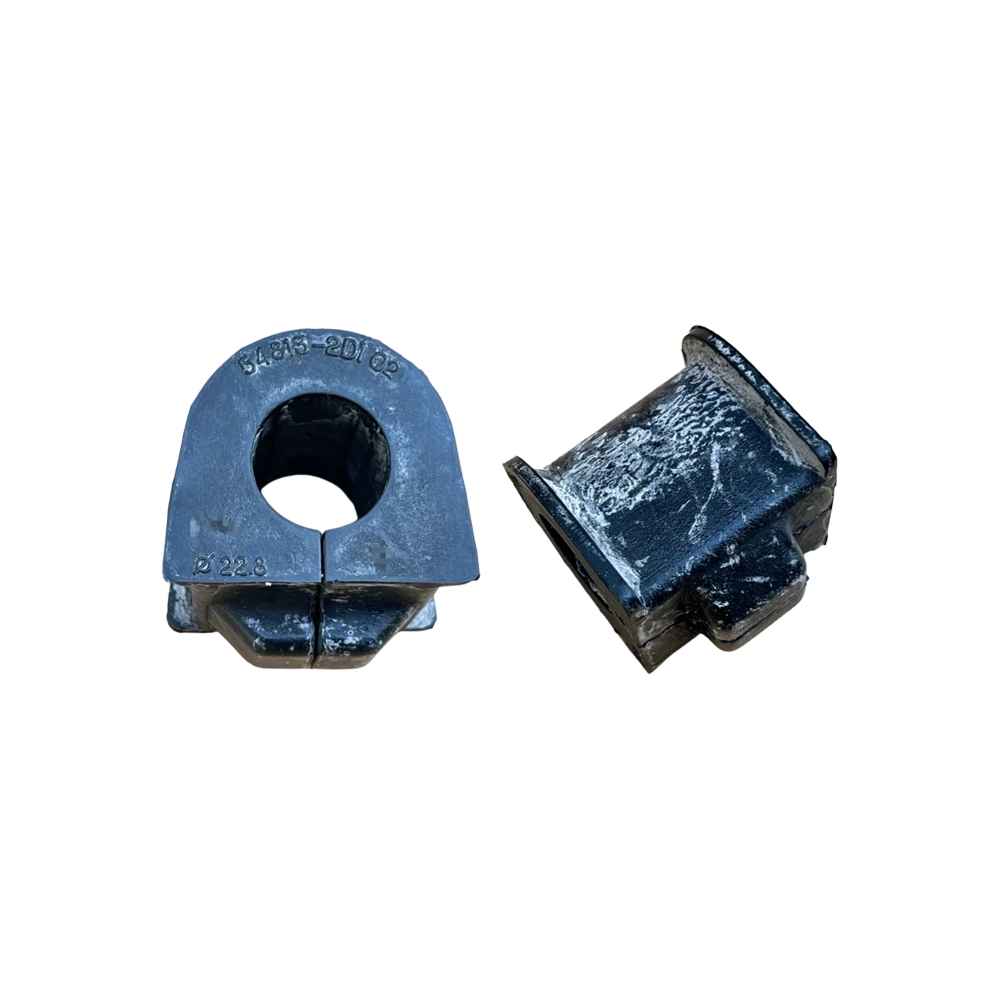
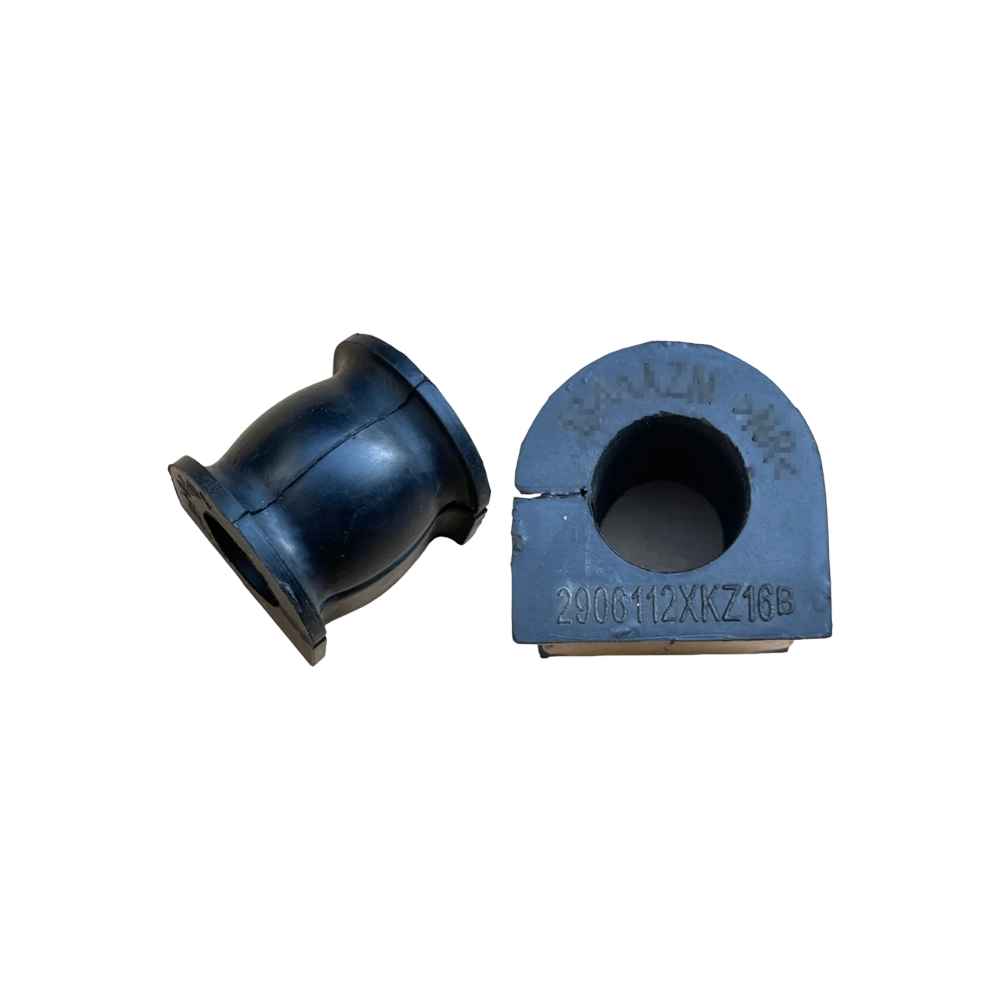
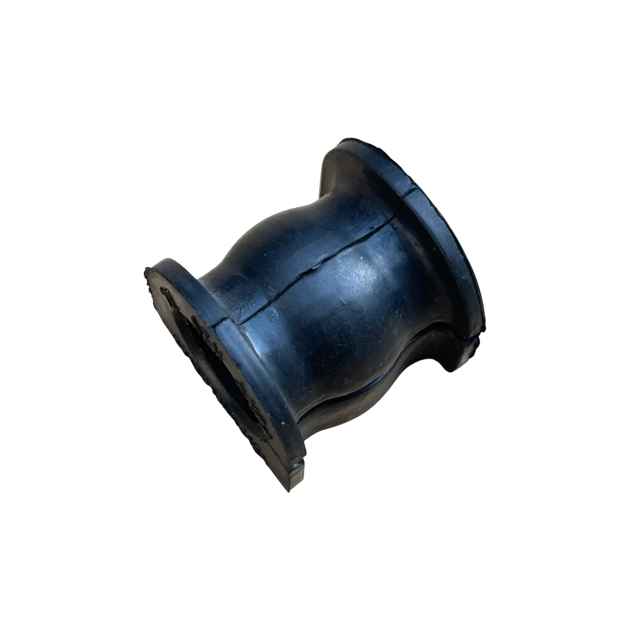
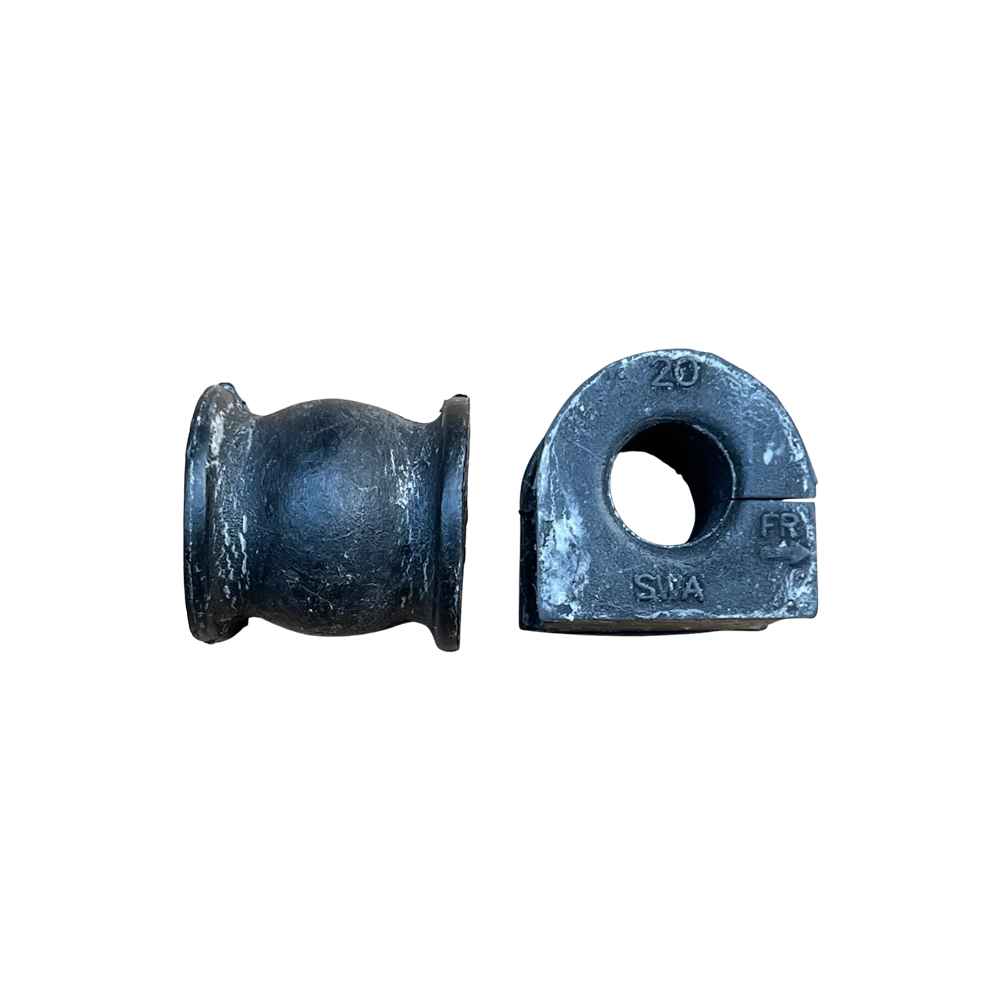
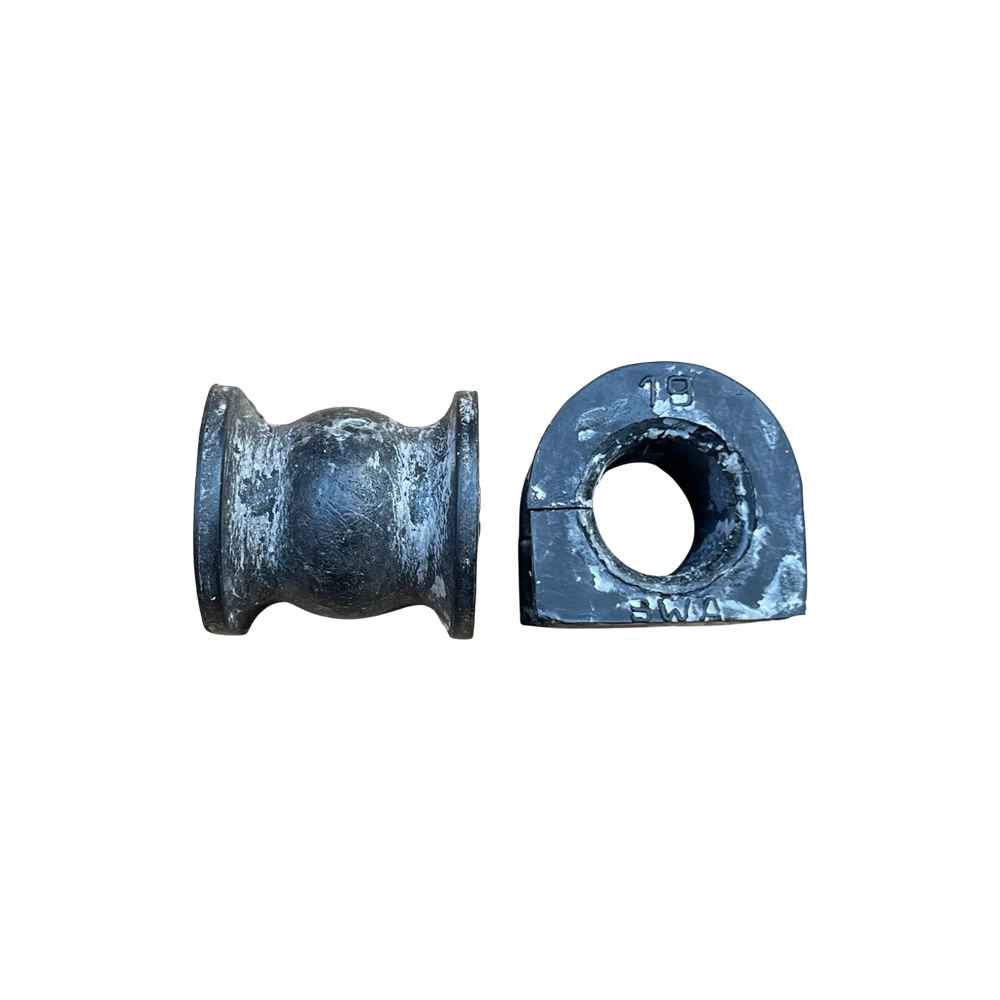
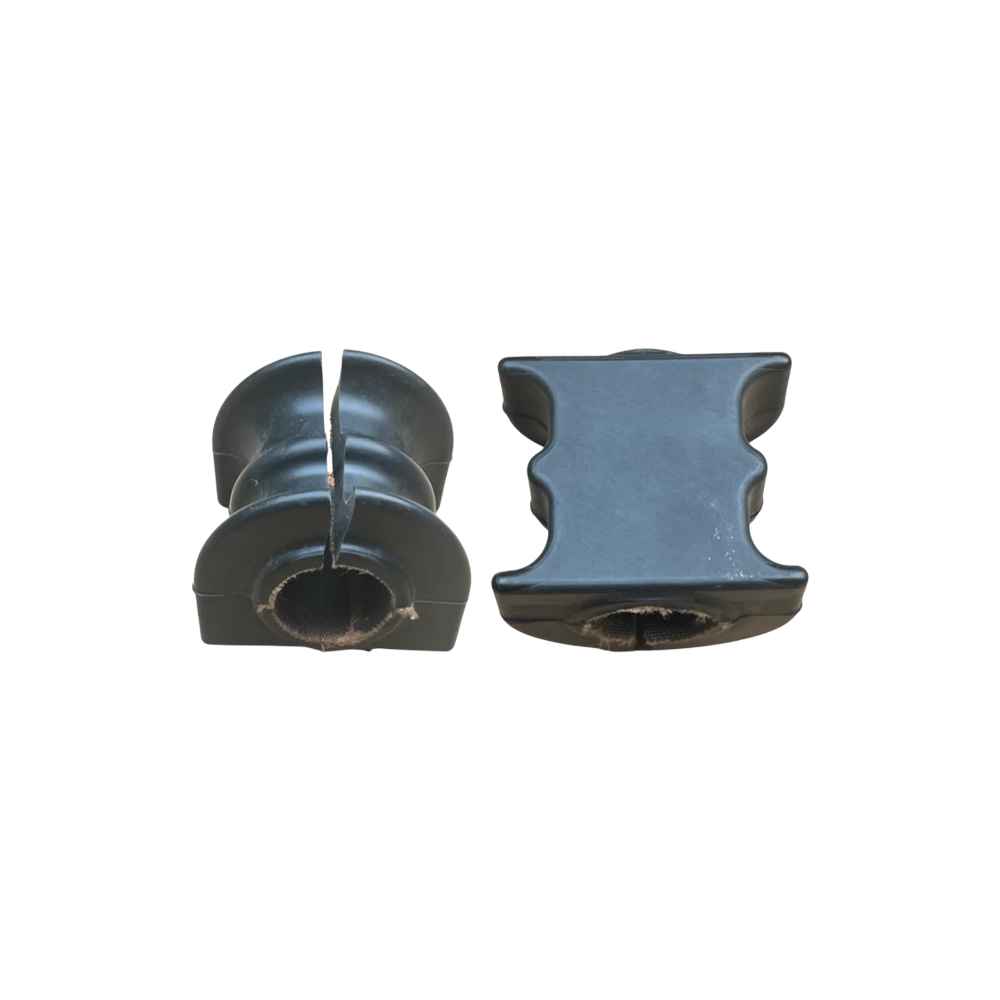
- Stabilizer Bar Bushings: Help maintain vehicle stability during turns.
- Valve Cover Gasket: Prevents leaks, ensuring efficient operation of the engine.
Challenges in Manufacturing
Manufacturing high-quality hydraulic steering components can be challenging. Factors such as material selection and precision machining play vital roles in ensuring longevity and performance. When working with a TS16949/ISO certified manufacturer, the chances of encountering subpar products diminish significantly.
Real-World Applications
Consider a scenario involving a fleet of delivery trucks. Each truck is outfitted with hydraulic steering systems designed by Guanghua. After one year of operation, the feedback from drivers indicated a significant reduction in physical strain, translating to better driver retention rates and improved delivery times. That’s the power of effective design!
Future Trends in Hydraulic Steering Technology
As we look toward the future, advancements in hydraulic steering technology promise to enhance efficiency even further. Integrating electronic controls could lead to systems that adapt to driving conditions in real-time. Imagine a world where your steering reacts not only to your actions but also to the environment—now that’s revolutionary!

Conclusion
Hydraulic steering systems play a pivotal role in enhancing vehicle performance, safety, and comfort. With a focus on rigorous manufacturing standards and innovative designs, manufacturers like Guanghua continue to lead the charge in this ever-evolving field. Who knew steering could be so intricate yet essential?