
Understanding Hydraulic Steering Systems
Hydraulic steering systems play a critical role in modern vehicles, serving to enhance the precision of steering and overall drivability. By utilizing hydraulic fluid pressure to assist with steering efforts, these systems reduce the physical effort required by the driver, making vehicle operation smoother and more efficient.
Components of Hydraulic Steering Systems
The main components of hydraulic steering systems include the steering pump, gear, and hydraulic lines. Among these elements, the steering pump generates the necessary hydraulic pressure, while the gear converts this pressure into mechanical motion that assists in turning the wheels.
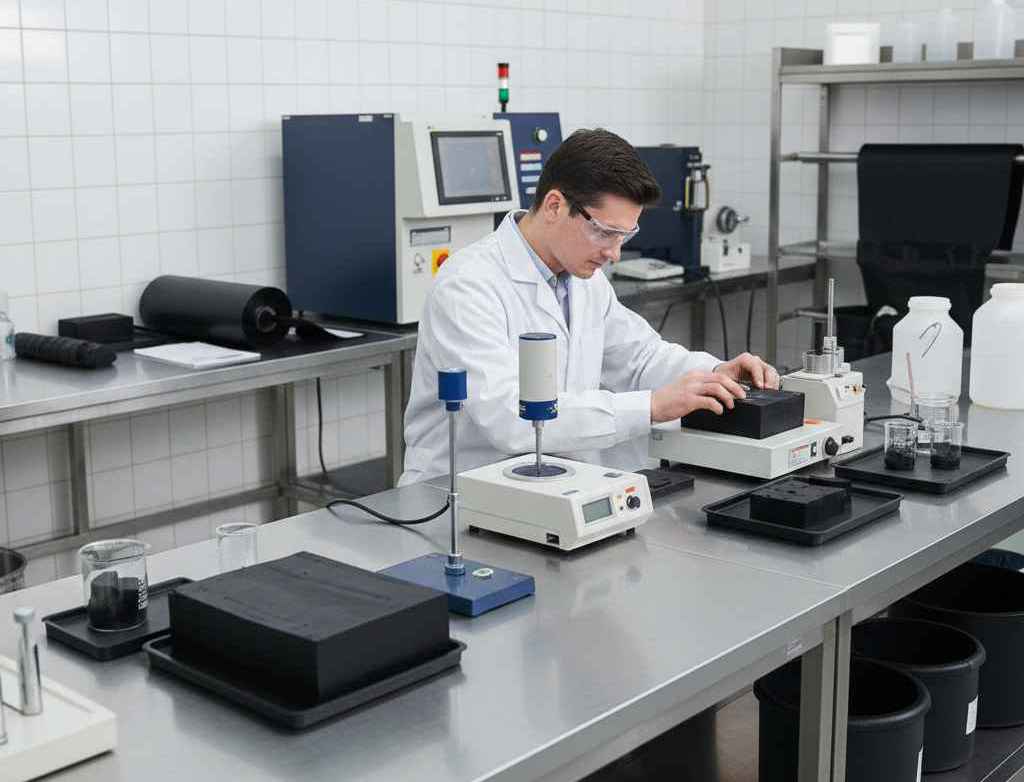
- Steering Pump: A vital component that creates hydraulic fluid pressure, usually driven by the engine.
- Gearbox: This is where the hydraulic pressure is transformed into movement, allowing for easier steering.
- Hydraulic Lines: These tubes convey hydraulic fluid between components, ensuring the system operates seamlessly.
Importance of Rubber Sealing Solutions
In a hydraulic steering system, rubber sealing solutions are indispensable. They prevent hydraulic fluid leaks, which can lead to a loss of pressure and, ultimately, steering failure. High-quality seals like O-Rings & Rubber Sealing Rings and specific boots such as CV Joint Boots and Steering Rack Boots are essential for maintaining the integrity of the hydraulic system.
Types of Sealing Solutions
Several types of rubber sealing components are used in hydraulic steering systems, each suited to particular applications:
- O-Rings & Rubber Sealing Rings: Commonly employed to create static or dynamic seals in various fittings and connections.
- Steering Rack Boots: These protective covers keep debris out of the steering rack, prolonging its lifespan.
- Shock Absorber Boots: While primarily associated with suspension, they also play a role in protecting hydraulic components from contaminants.
Challenges in Hydraulic Steering Repairs
Hydraulic steering repairs often involve addressing issues related to wear and tear on rubber sealing components. Over time, exposure to heat, pressure, and environmental factors can degrade these materials, leading to leaks and failures. Regular maintenance and timely replacement of worn parts are crucial to ensure reliable performance.
Choosing the Right Replacement Parts
When it comes to selecting replacement parts for hydraulic steering systems, quality should not be compromised. Brands like Guanghua offer reliable rubber sealing solutions designed specifically for automotive applications, ensuring durability and performance under challenging conditions. Factors to consider when choosing replacement parts include:
- Material Quality: Ensure that the rubber used is resistant to temperature changes and chemical exposure.
- Compatibility: Parts must be compatible with the specific make and model of the vehicle.
- Manufacturer Reputation: Opt for trusted brands known for their high standards in production.
Maintenance Practices for Hydraulic Steering Systems
To mitigate issues related to hydraulic steering systems, regular maintenance practices are recommended. This includes checking fluid levels, inspecting for leaks, and replacing worn components proactively.
Fluid Check and Replacement
Maintaining the correct hydraulic fluid level is paramount. Low fluid levels can lead to increased wear on seals, particularly O-Rings & Rubber Sealing Rings, which could eventually result in catastrophic system failure. It is advisable to follow manufacturer specifications regarding fluid type and change intervals.
Conclusion on Performance Enhancement
Incorporating high-quality rubber sealing solutions and adhering to proper maintenance schedules will undoubtedly enhance the performance of hydraulic steering systems. By investing in reliable parts, such as those offered by Guanghua, vehicle owners can safeguard against common failures and ensure a smoother driving experience.







