The Importance of Hydraulic Systems in Automotive Engineering
When it comes to automotive engineering, hydraulic systems are the unsung heroes. They provide essential power and control mechanisms for various components like brakes, steering, and suspension. Understanding how inner and outer components work together is crucial for ensuring performance and safety.
Defining Inner and Outer Components
In hydraulic systems, inner components typically refer to the parts that are directly involved in fluid movement, such as cylinders and pistons. On the other hand, outer components encompass everything else that secures and supports these parts, including hoses, fittings, and seals. The interplay between these two categories is what helps maintain system integrity.
Key Inner Components
- Cylinders: These are where the hydraulic fluid does its magic. When pressurized, they create force that moves other components.
- Pistons: Inside the cylinders, pistons convert hydraulic pressure into mechanical motion. No pistons, no action!
- Hydraulic Fluid: Often overlooked, the quality of the hydraulic fluid used is critical for optimal performance. It needs to withstand high pressures and temperatures.
Essential Outer Components
- Hoses: Flexible but robust, these connect various parts of the hydraulic system. Wear and tear can lead to leaks, which nobody wants!
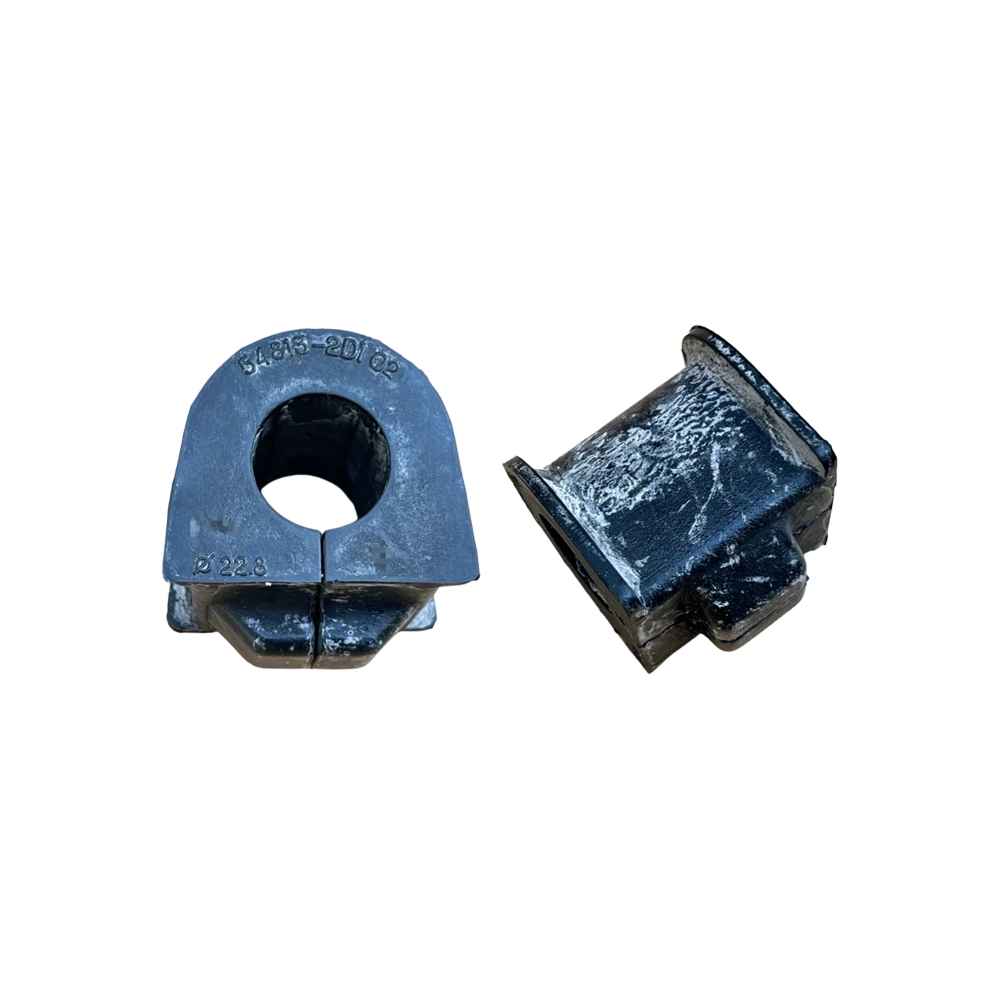
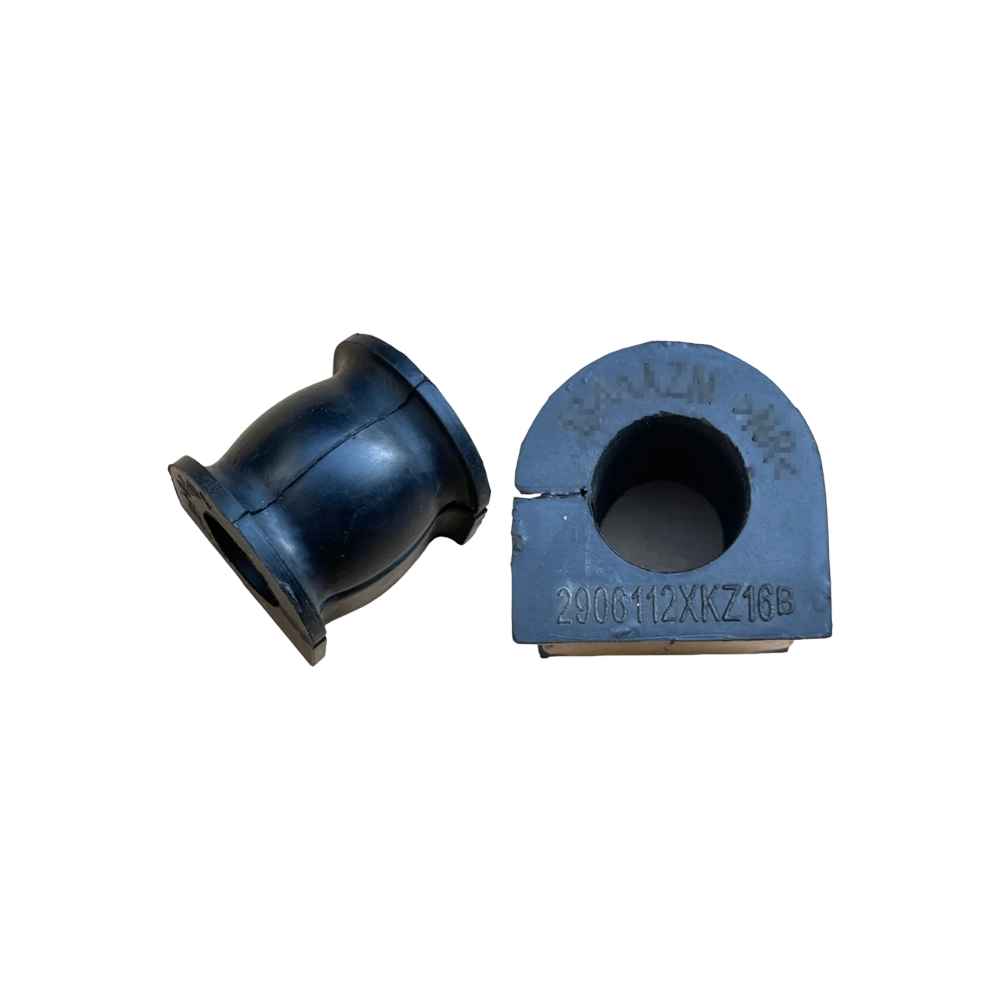
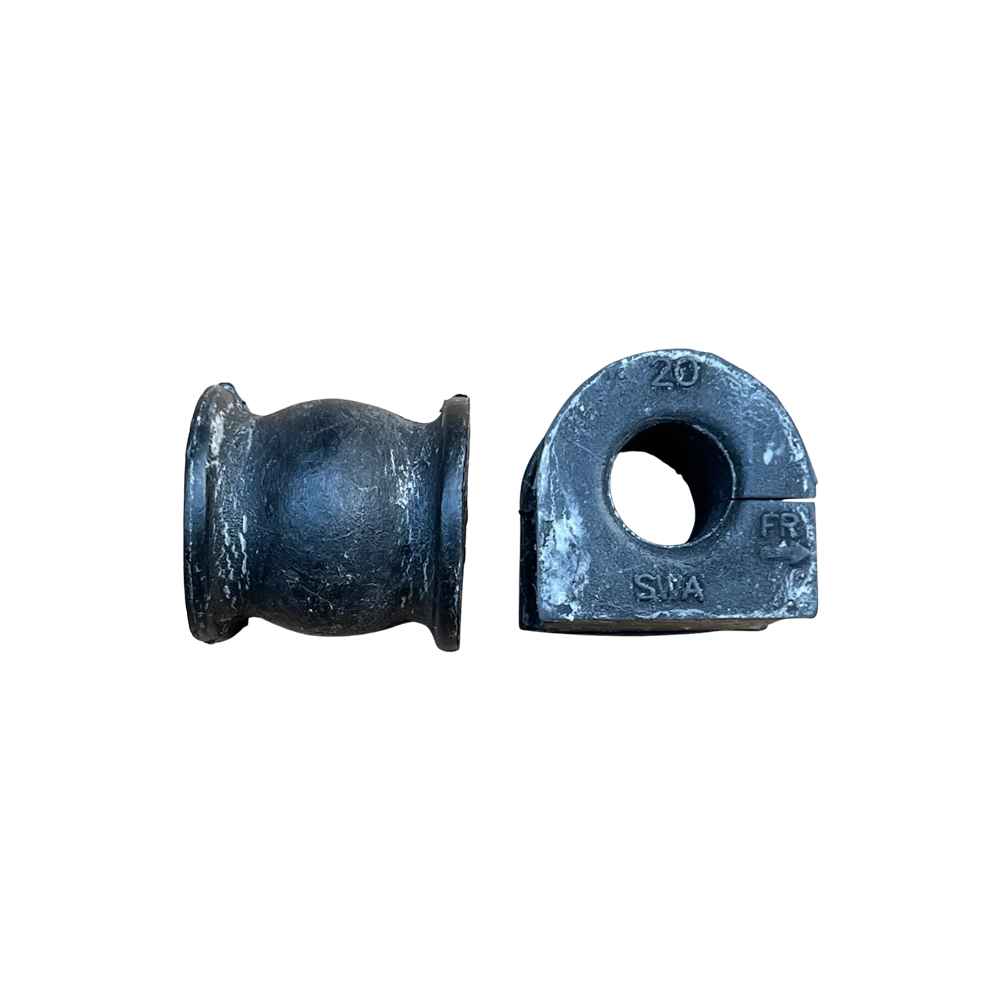
- Seals and Gaskets: They keep everything tight and prevent any nasty leaks from occurring. Brands like Guanghua offer a range of O-Rings & Rubber Sealing Rings specifically designed to handle high-pressure environments.
- Support Structures: These include mounts and brackets that secure the inner components in place. A well-designed support structure is essential for longevity.
Quality Standards: TS16949/ISO Certification
As a TS16949/ISO certified manufacturer, we adhere to stringent quality standards throughout our production processes. This certification ensures that every product meets the highest industry benchmarks. It’s not just about compliance; it’s about instilling confidence in our clients that they’re getting top-notch components for their hydraulic systems.
Testing and Validation
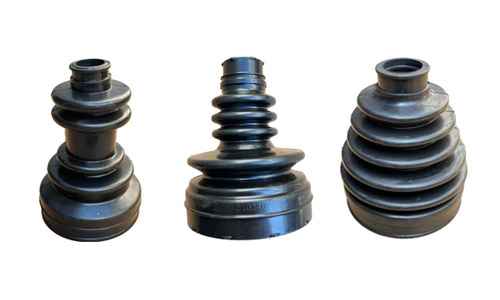
Before anything hits the market, rigorous testing is conducted. Each component—from CV Joint Boots to Shock Absorber Boots —undergoes extensive validation procedures. Customers expect reliability, and we deliver by ensuring every part performs excellently under real-world conditions.
Common Challenges in Hydraulic Systems
Even with the best products, challenges can arise in hydraulic systems. For instance, issues like fluid contamination or improper installation can lead to failures. That’s why education is key. Understanding the anatomy of hydraulic components helps technicians avoid common pitfalls.
Maintaining Your Hydraulic System
Regular maintenance is vital for the longevity of hydraulic systems. Checking for leaks, inspecting O-Rings & Rubber Sealing Rings, and replacing worn-out parts can save you from costly repairs down the line. Remember, prevention is always better than cure!
When to Replace Components
So how do you know when it's time to replace parts? Here are some red flags:
- Visible wear or cracks on hoses and boots.
- Fluid leaks around seals and gaskets.
- Unusual noises during operation, indicating struggling components.
The Role of Innovation
Innovation plays a significant role in the evolution of hydraulic systems. Manufacturers continually seek new materials and designs to improve performance and durability. By integrating advanced technology, we can offer more efficient solutions that meet the demands of modern vehicles.
Future Trends
Looking ahead, we foresee an increased focus on eco-friendly hydraulic fluids and components that reduce environmental impact. Furthermore, smart technologies will likely enhance monitoring capabilities, allowing for proactive maintenance.
Conclusion
Understanding the complexity of inner and outer components in automotive hydraulic systems is no small feat. However, adhering to quality standards, engaging in preventative maintenance, and embracing innovation can unlock the full potential of these systems. For those in the industry, knowledge truly is power.