Understanding Hydraulic Systems and Their Importance
Hydraulic systems are pivotal in modern automotive engineering, underpinning various functions from steering to braking. These systems rely on fluid pressure to operate effectively, making them susceptible to leaks that can compromise performance and safety.
Common Sources of Leaks in Hydraulic Systems
Leaks within hydraulic systems often arise from several key areas, which include:

- Seals and Gaskets: Improperly fitted or degraded O-Rings & Rubber Sealing Rings can lead to fluid escape.
- Hoses and Connections: Worn or damaged hoses may develop cracks, allowing hydraulic fluid to leak.
- Components Wear: Over time, parts such as the Steering Rack Boots and CV Joint Boots may succumb to wear and tear.
Material Selection for Leak-proofing
The selection of materials plays a crucial role in ensuring leak-proof hydraulic systems. High-quality rubber compounds are essential for gaskets and seals. Products from reputable brands like Guanghua are known for their durability and resistance to environmental factors, thereby minimizing leak risks.
Importance of Quality Control
Quality control measures should never be overlooked when manufacturing hydraulic components. Regular inspections ensure that all parts meet specified tolerances and adhere to industry standards, thus preventing potential weaknesses that could result in leaks.
Common Components Contributing to Leak Prevention
- Valve Cover Gasket: This component prevents oil leaks and maintains proper pressure within the engine.
- Shock Absorber Boots: These protect shock absorbers from contaminants while maintaining the integrity of hydraulic fluid.
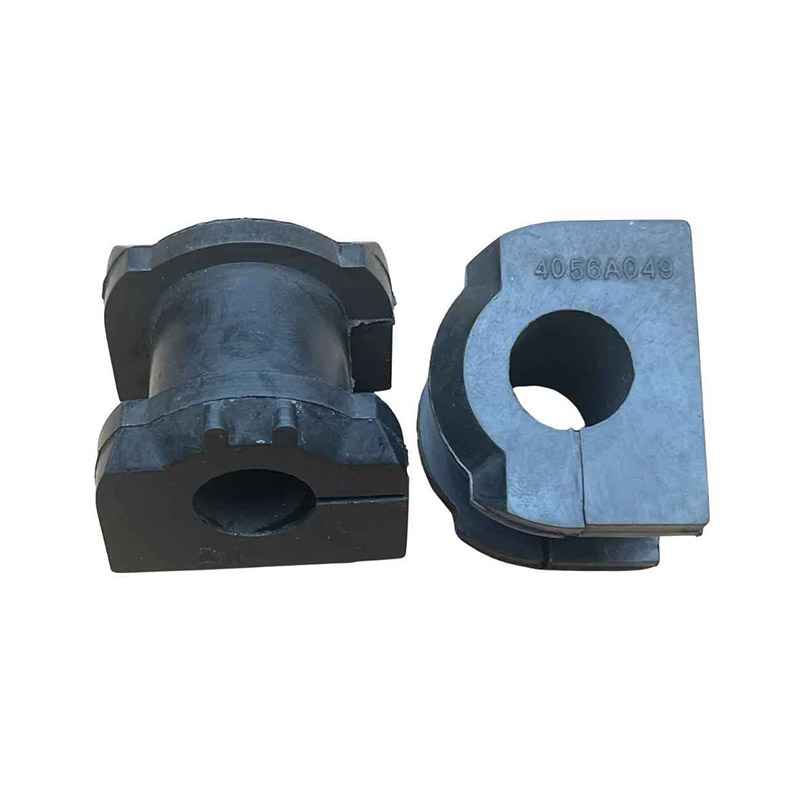
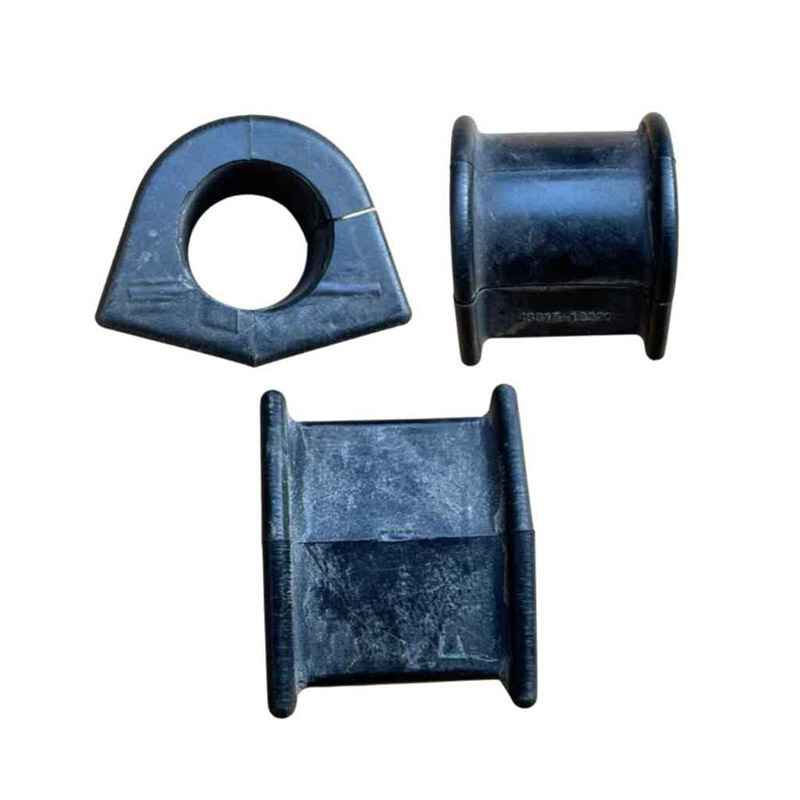
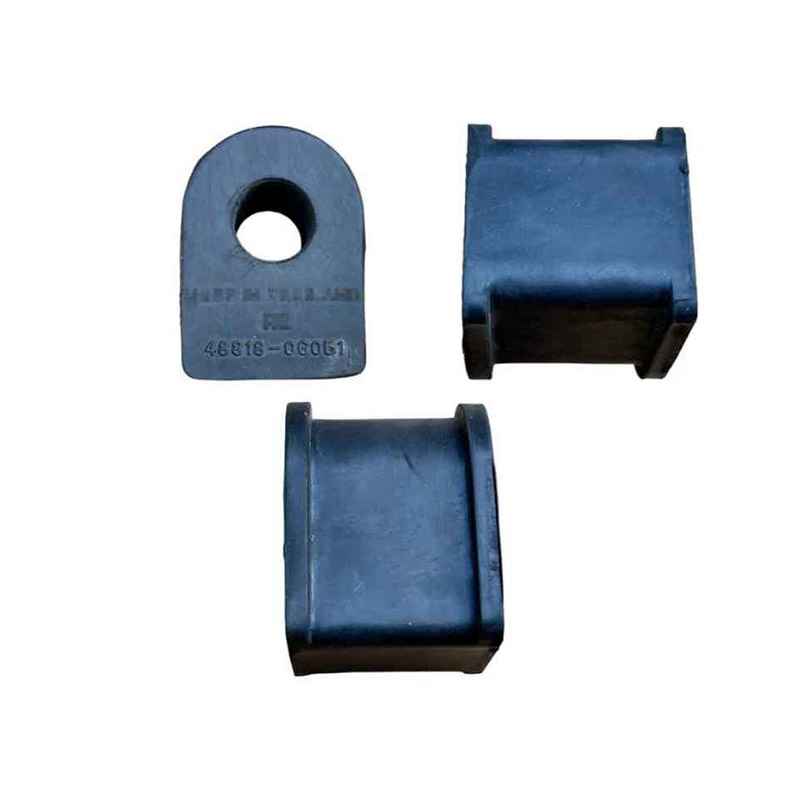
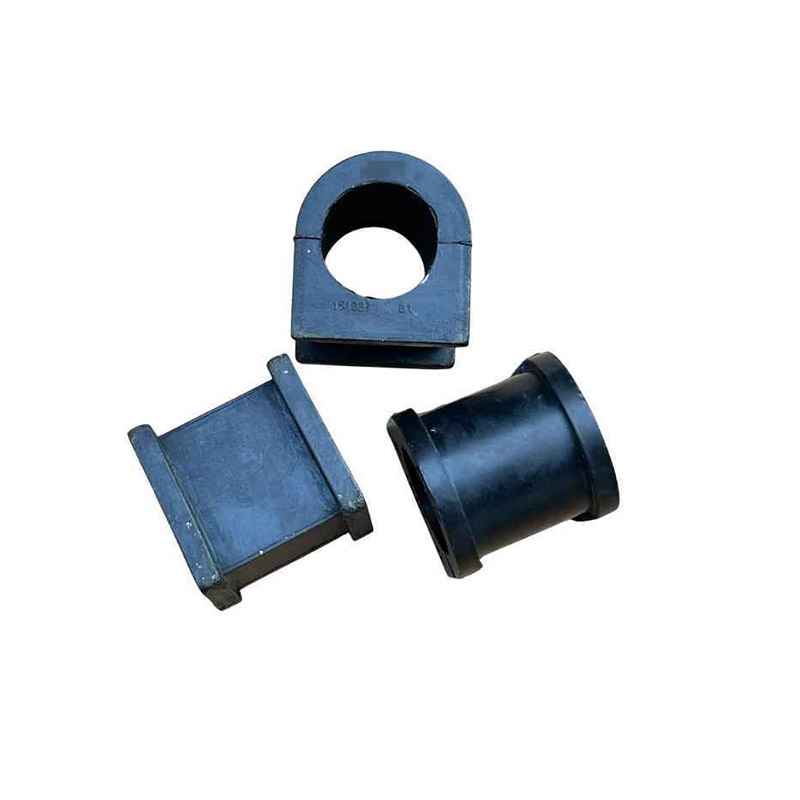
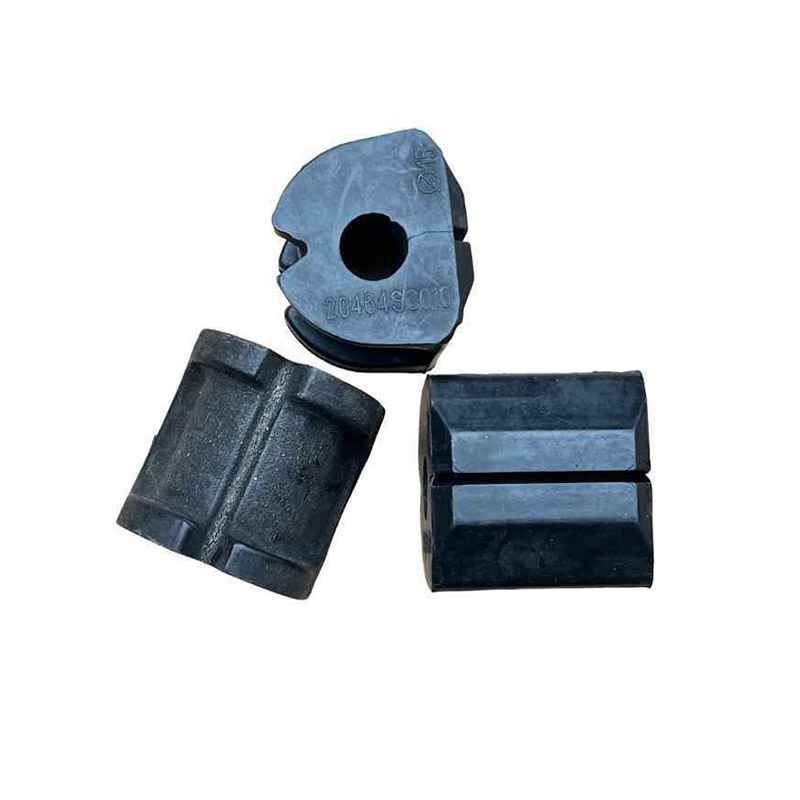
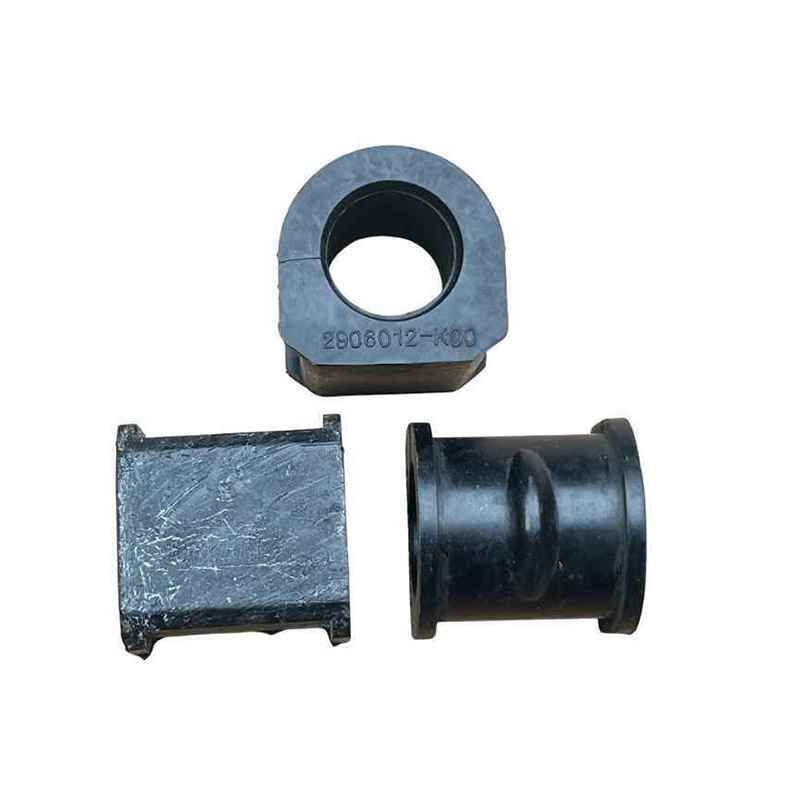
- Stabilizer Bar Bushings: These help reduce vibration and wear while supporting the stability of the vehicle's hydraulic systems.
Innovative Solutions for Enhanced Leak Resistance
Recent advancements in material science have introduced more robust solutions for hydraulic systems. For instance, the development of synthetic rubbers has improved resistance to heat and aging, significantly extending the lifecycle of seals and boots.
Testing Methods for Leak Detection
Employing effective testing methods is vital for identifying leaks early. Common techniques include:
- Pressure Testing: By applying a controlled pressure to the system, potential weak points can be identified.
- Dye Penetration Tests: Specialized dyes can highlight areas where fluid escapes, facilitating easy identification of leaks.
The Role of Maintenance in Leak Prevention
Regular maintenance checks cannot be stressed enough. Scheduled inspections help identify wear before it leads to significant issues. For example, replacing worn CV joint boots or inspecting steering rack boots can save costs associated with larger repairs down the line.
Education and Training for Technicians
Equipping technicians with the right knowledge about hydraulic systems is essential. Comprehensive training programs can ensure that they understand the implications of leaks and the importance of using high-quality replacement parts.
Conclusion
In summary, leak prevention in automotive hydraulic systems requires a multifaceted approach involving quality materials, rigorous testing, and proactive maintenance. Suppliers who prioritize these practices not only enhance system reliability but also contribute to safer vehicles on the road.