Understanding Hydraulic Systems
Hydraulic systems have become the backbone of modern automotive engineering, enabling everything from brake systems to steering mechanisms. These systems rely on pressurized fluid to function effectively. However, it’s crucial that these systems remain leak-proof; otherwise, efficiency plummets and safety is jeopardized.
The Importance of Sealing Solutions
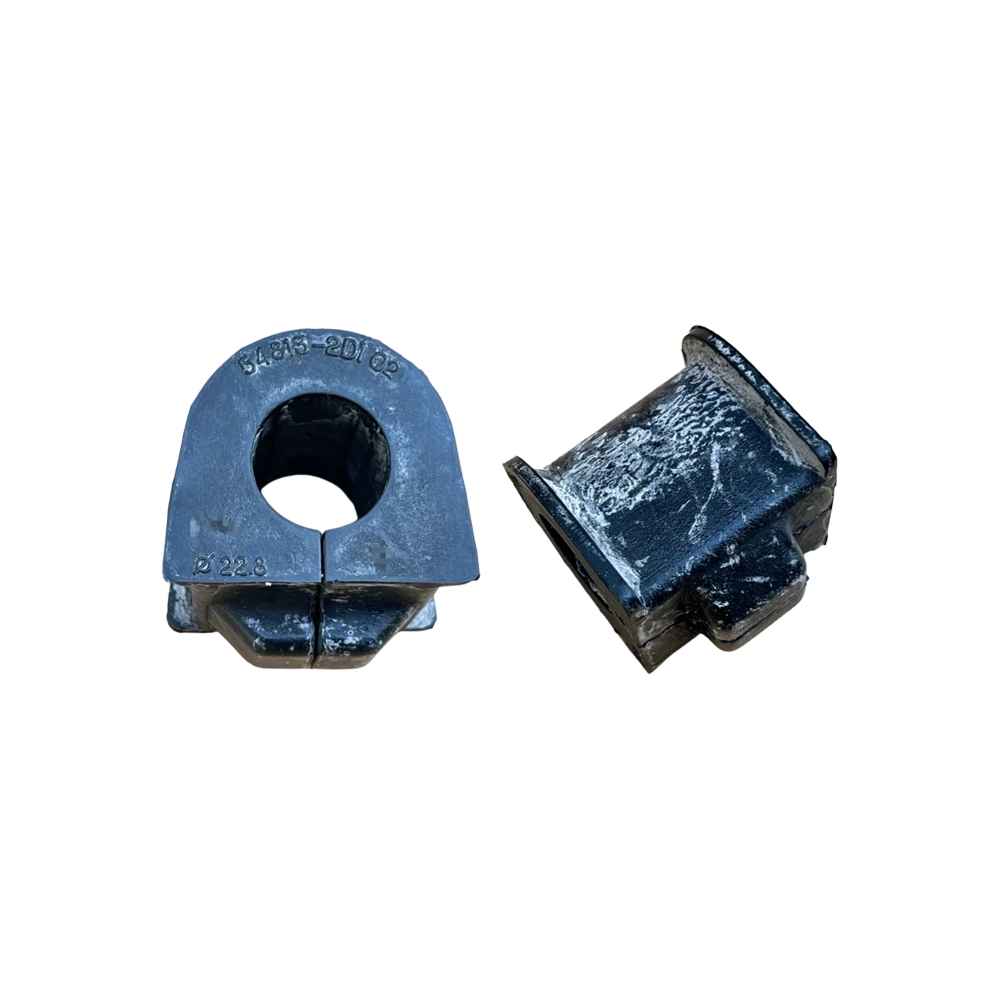
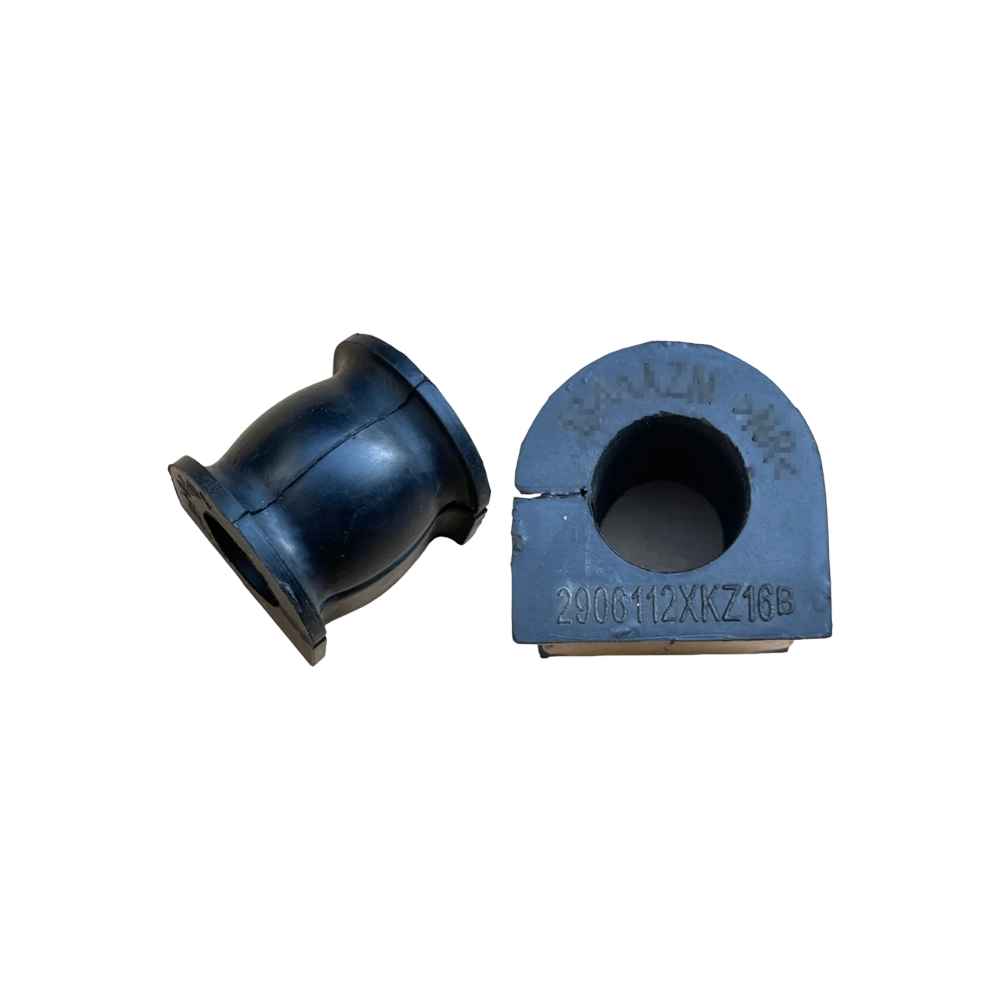
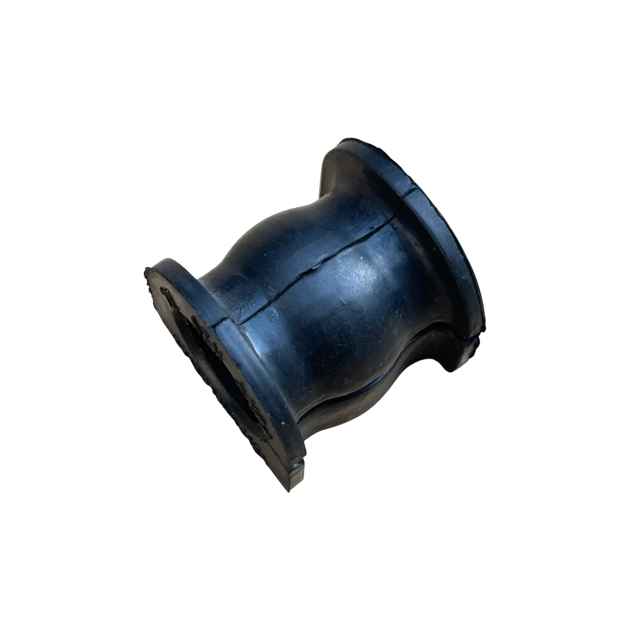
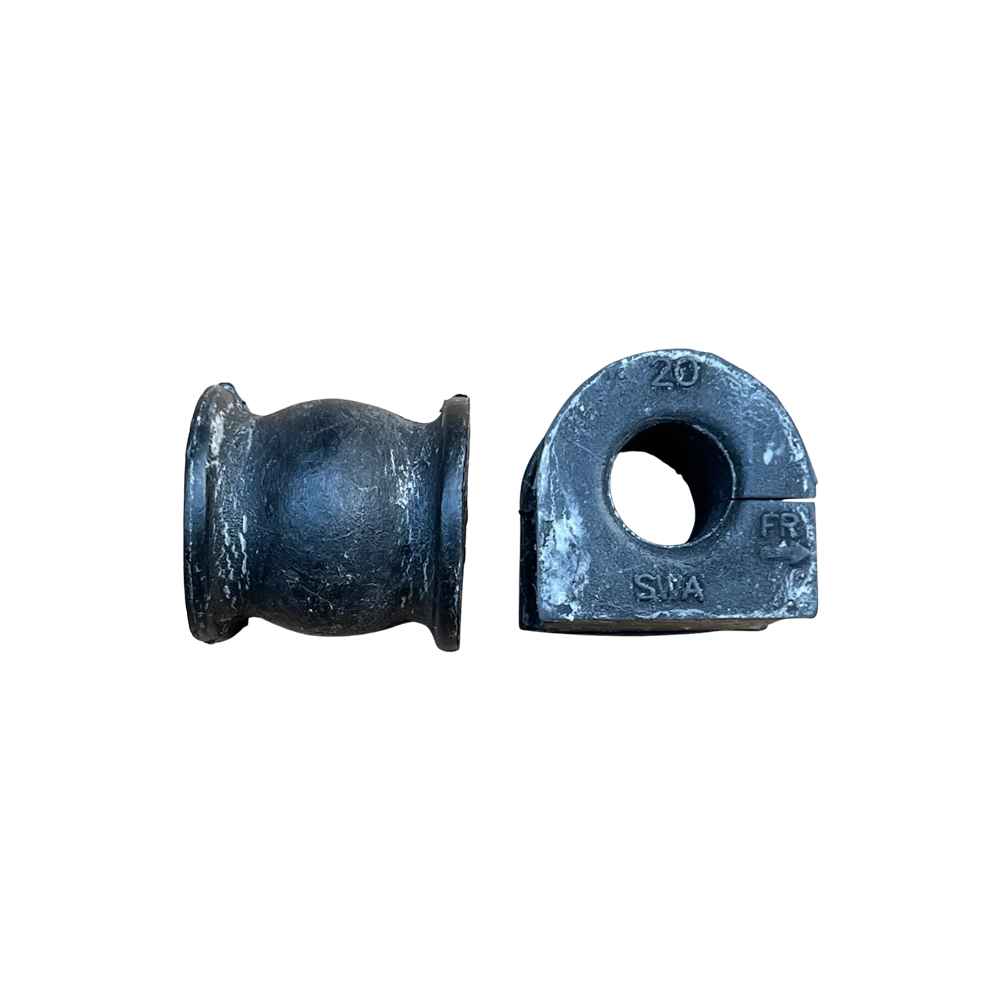
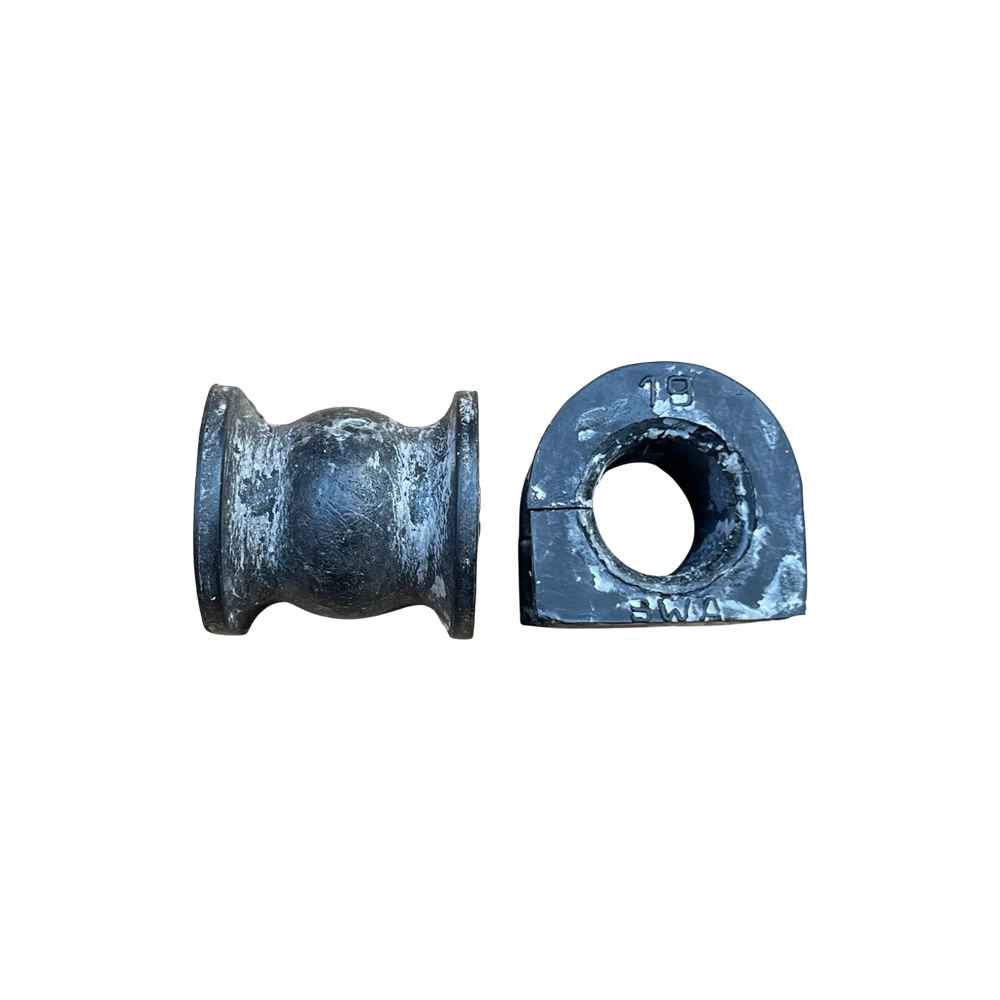
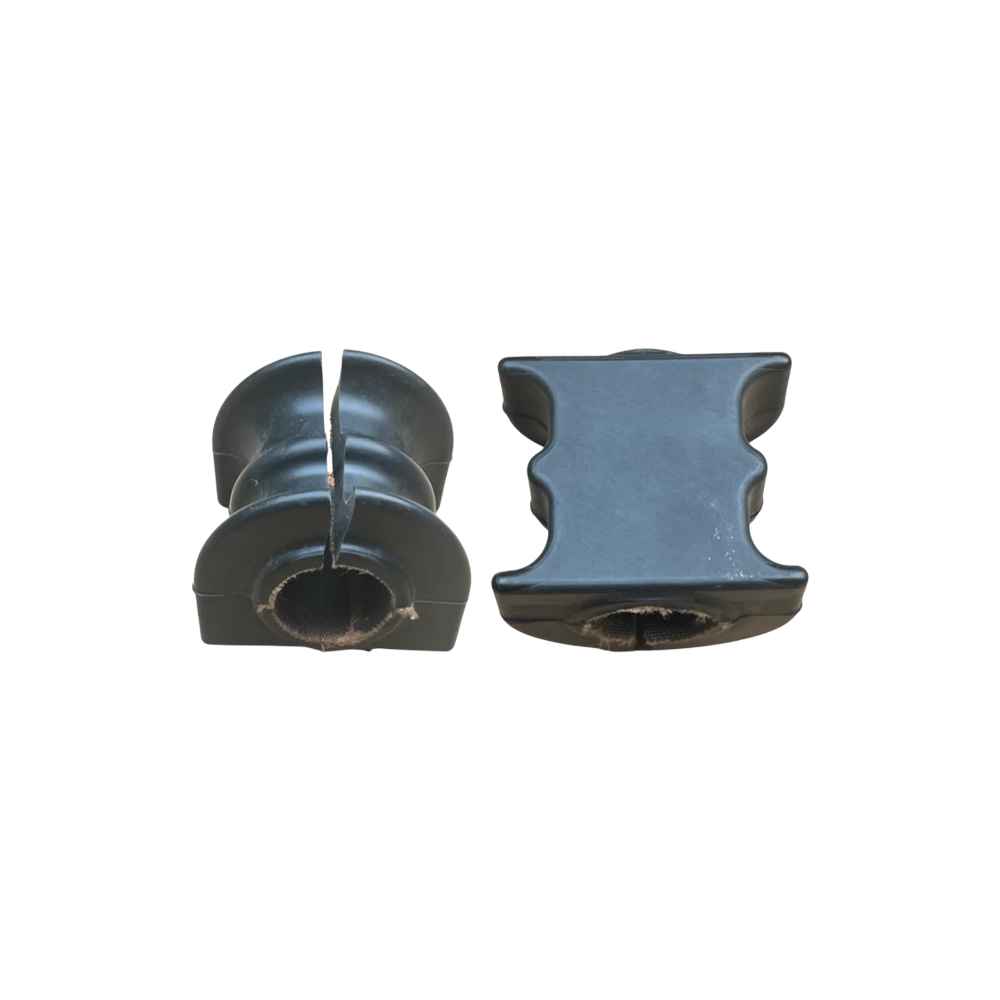
At the core of a reliable hydraulic system lies effective sealing solutions. Rubber sealing rings, such as O-Rings & Rubber Sealing Rings , play a vital role in preventing leaks. The complexity of hydraulic fluids, combined with various pressure levels and temperatures, requires high-quality materials to ensure durability and performance.
Common Causes of Leaks
Leaks can arise from a multitude of sources within hydraulic systems. It's essential to understand these causes to mitigate risks effectively. Here are a few frequent culprits:
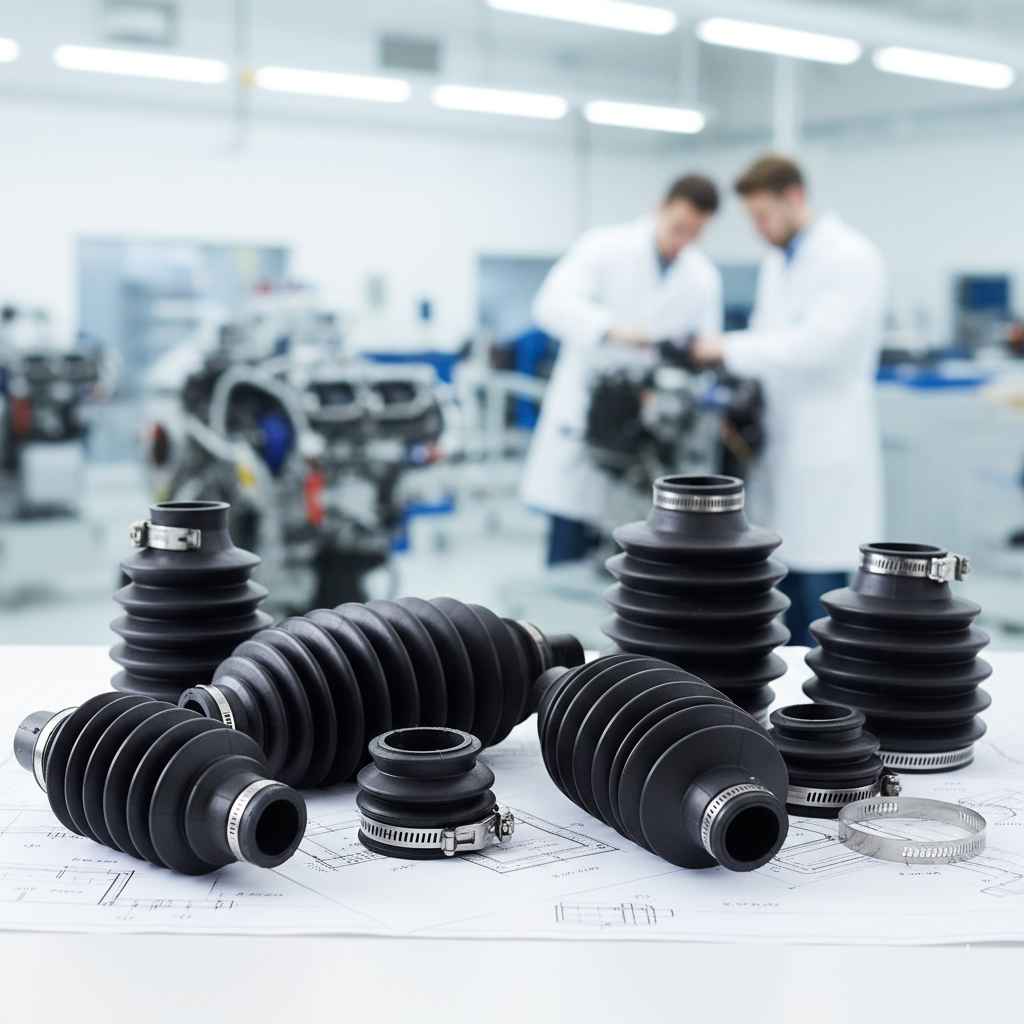
- Wear and Tear: Over time, components like CV Joint Boots can degrade, leading to potential leaks.
- Improper Installation: Even the best parts will fail if not installed correctly. This applies to everything from Steering Rack Boots to Shock Absorber Boots .
- Environmental Factors: Extreme temperatures or exposure to chemicals can weaken seals, creating pathways for leaks.
Choosing the Right Materials
When selecting sealing solutions, material choice is critical. For instance, rubber compositions vary widely. Some brands, like Guanghua, specialize in producing durable rubber sealing products designed specifically for high-performance applications. Always consider the specific requirements of your hydraulic system when choosing materials.
Installation Tips for Leak-proofing
Even the best products won't work miracles if they're not installed properly. Here are some tips to ensure you achieve a leak-proof installation:
- Clean Surfaces: Make sure all surfaces are clean and free of debris before installing any boot or seal.
- Check Alignment: Misalignment can cause excessive wear, so align every part as thoroughly as possible.
- Use Lubrication: Sometimes, a dab of lubricant can help ease the installation process and ensure better sealing.
Regular Maintenance Practices
Maintenance is key in extending the life of hydraulic systems. Regularly check seals and boots for signs of wear or cracking. If you notice anything unusual, don't ignore it! A small crack can quickly escalate into a full-on leak. Scheduled inspections can save heaps of cash in the long run.
Innovations in Seal Technology
The industry is constantly evolving, and new materials and designs are emerging that enhance the effectiveness of sealing solutions. Advanced elastomers, for example, offer better temperature resistance and durability. Brands like Guanghua are at the forefront of these innovations, continually providing solutions that meet and exceed market demands.
Testing for Leaks
Leak testing is an integral part of maintaining hydraulic systems. Hydrostatic tests are commonly employed to identify weak points. Submerging components can reveal leaks that might not be visible during a visual inspection. Additionally, pressure decay tests help gauge the integrity of the seals over time.
Conclusion: Staying Ahead of the Game
In this fast-paced world, ensuring leak-proof automotive hydraulic systems is not just about using the right materials but also understanding their application. Choosing reputable manufacturers, performing regular maintenance, and staying updated on technological advancements will keep your systems running smoothly. Remember, prevention is always better than cure!