Understanding Engine Cylinder Head Sealing
When it comes to engine reliability, proper sealing of the cylinder head is crucial. A well-sealed cylinder head ensures that your engine operates at optimal performance levels, preventing any potential leaks that could lead to catastrophic failures. You might be wondering, what's the secret sauce behind achieving that leak-proof seal? Let's dive in!
The Importance of Quality Materials
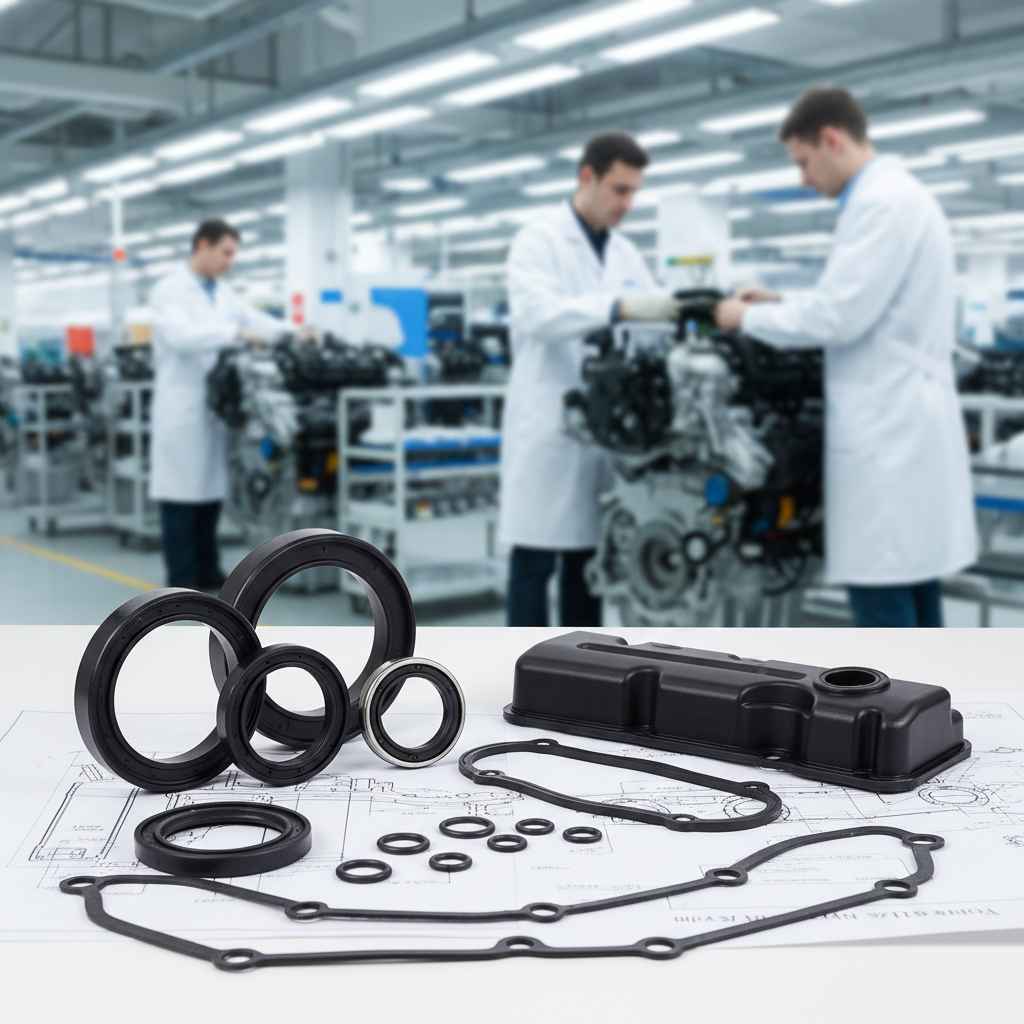
Choosing the right materials for sealing is paramount. Not all gaskets are created equal! High-quality options such as O-Rings & Rubber Sealing Rings are often recommended due to their durability and elasticity. They can withstand extreme temperatures and pressures, making them ideal for high-performance engines.
- Resilience against heat and chemicals
- Flexible enough to form a tight seal
- Long-lasting under various operating conditions
Common Problems with Cylinder Head Seals
Even with top-notch components, problems can still arise. Here’s a quick list of common issues:
- Improper installation leading to misalignment.
- Worn out or damaged gaskets.
- Overheating which can warp the head and compromise the seal.
These issues can cause serious leaks, affecting engine performance and longevity. So, let’s ensure you're equipped to handle these challenges!
Tips for Leak-Proof Solutions
As a B2B wholesale supplier, I've seen my fair share of successful installations and some not-so-great ones. Here are some tips to help you avoid the pitfalls:
- Always follow OEM recommendations for gasket specifications.
- Use quality tools for installation to minimize the risk of damaging the gasket.
- Make sure the surfaces are clean and free from old gasket material before applying a new one.
Sealants: When to Use Them
Sometimes, even the best gaskets need a little extra help. That’s where sealants come into play. Products from reputable brands like Guanghua offer great options for extra adhesion and prevention of leaks. However, they should be used judiciously—overdoing it can lead to more issues down the line.
Best Practices for Applying Sealants
Here are some practices I’ve learned over the years when it comes to applying sealants:
- Apply evenly to prevent excess build-up.
- Allow adequate curing time as per the manufacturer’s instructions.
- Avoid mixing different types of sealants; stick to one brand for compatibility.
Choosing Compatible Components
One area many people overlook is the compatibility of other components with the cylinder head gasket. For instance, if you’re replacing the gasket, consider inspecting CV Joint Boots and Steering Rack Boots . While they may seem unrelated, ensuring all components work harmoniously can enhance overall reliability.
Why Compatibility Matters
Using incompatible parts can lead to uneven stress distribution, increasing the chance of leaks. Ensuring all parts fit well is a fundamental step that saves time and avoids costly repairs later on.
Regular Maintenance Checks
Once everything is installed, don’t just forget about it! Regular maintenance checks are essential for keeping your engine healthy. Look for signs of wear and tear around the cylinder head area, and don't hesitate to replace Shock Absorber Boots or check the Valve Cover Gasket as needed.
- Inspect fluid levels regularly.
- Monitor for any signs of leaking fluids.
- Keep an eye on engine temperature to catch overheating issues early.
Conclusion: Stay Ahead of Potential Issues
Maintaining a leak-proof engine isn't just about the initial installation; it's about creating a culture of preventative care. By choosing quality materials, applying best practices, and being vigilant with maintenance, you can extend the life of your engine significantly. After all, in the world of automotive repair, an ounce of prevention is worth a pound of cure!