Understanding Vehicle Driveline and Axle Systems
The driveline and axle systems are integral components of any vehicle, facilitating the transfer of power from the engine to the wheels. These systems encompass various parts, including the differential, driveshaft, CV joints, and axles, each designed to withstand significant stress while maintaining operational integrity.
Common Issues in Driveline and Axle Systems
Over time, exposure to environmental factors such as moisture, dirt, and extreme temperatures can lead to wear and tear in driveline components. This deterioration often manifests in fluid leaks, which can compromise performance and safety. Identifying these issues early is crucial for effective repair and maintenance.
Importance of Sealing Solutions
Sealing solutions play a pivotal role in ensuring the longevity and efficiency of driveline systems. Proper sealing not only prevents leakage but also protects against contaminants that could cause further damage. Various sealing products are utilized in the industry, including:
- CV Joint Boots
- Steering Rack Boots
- Shock Absorber Boots
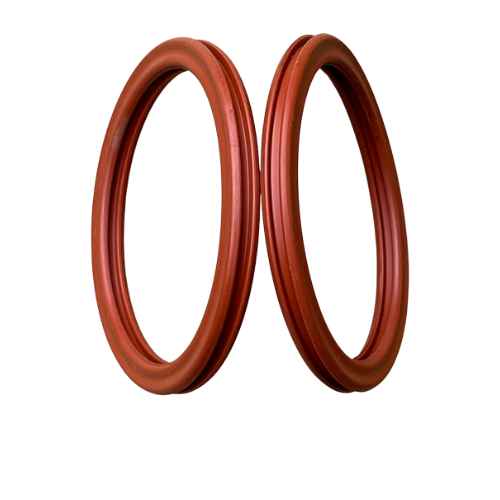
- O-Rings & Rubber Sealing Rings
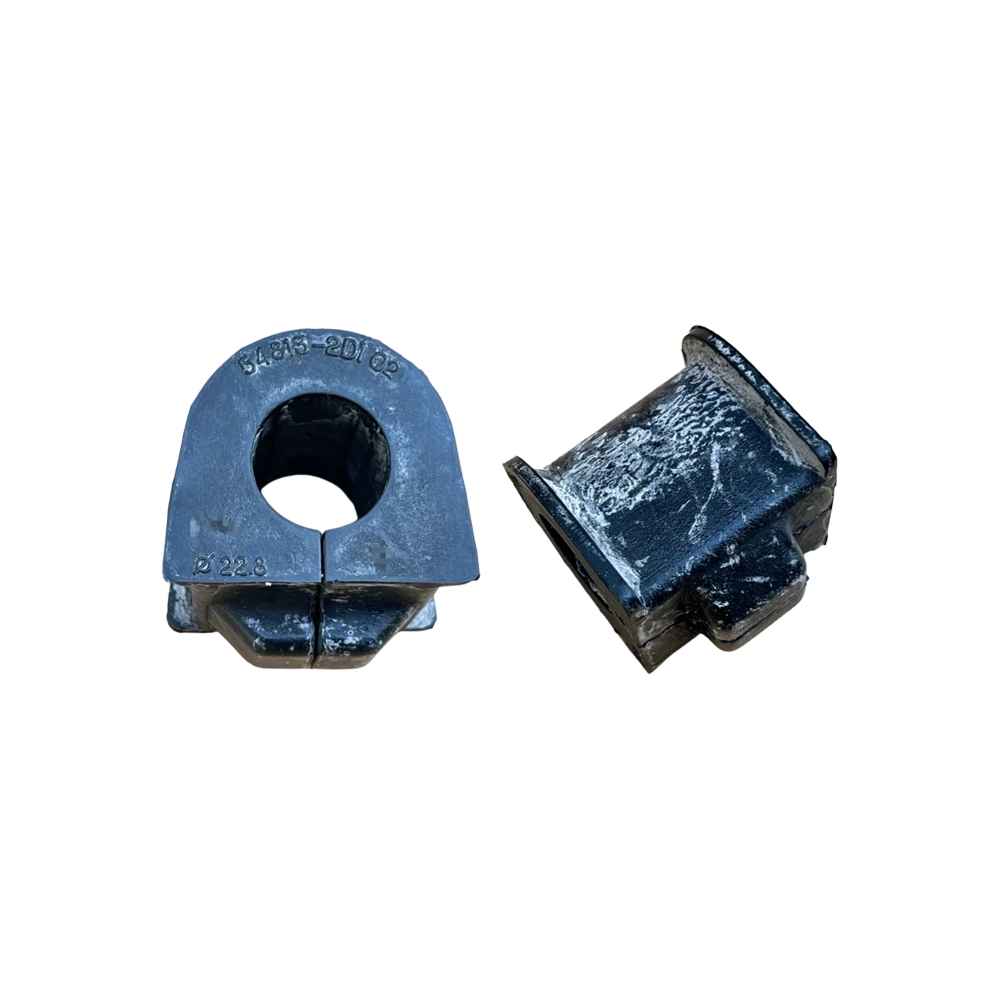
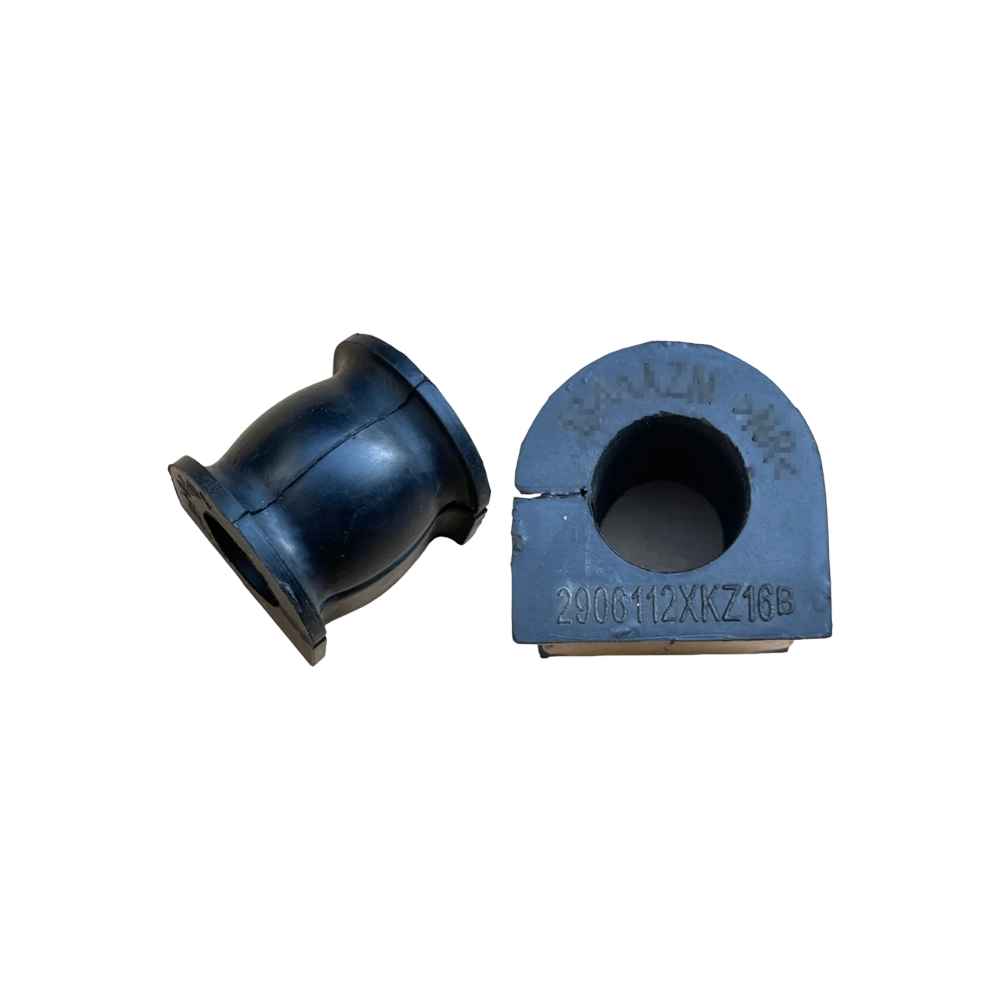
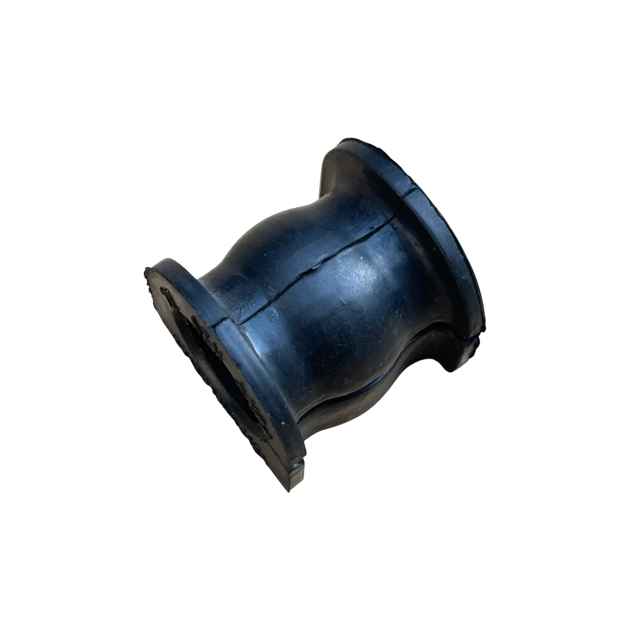
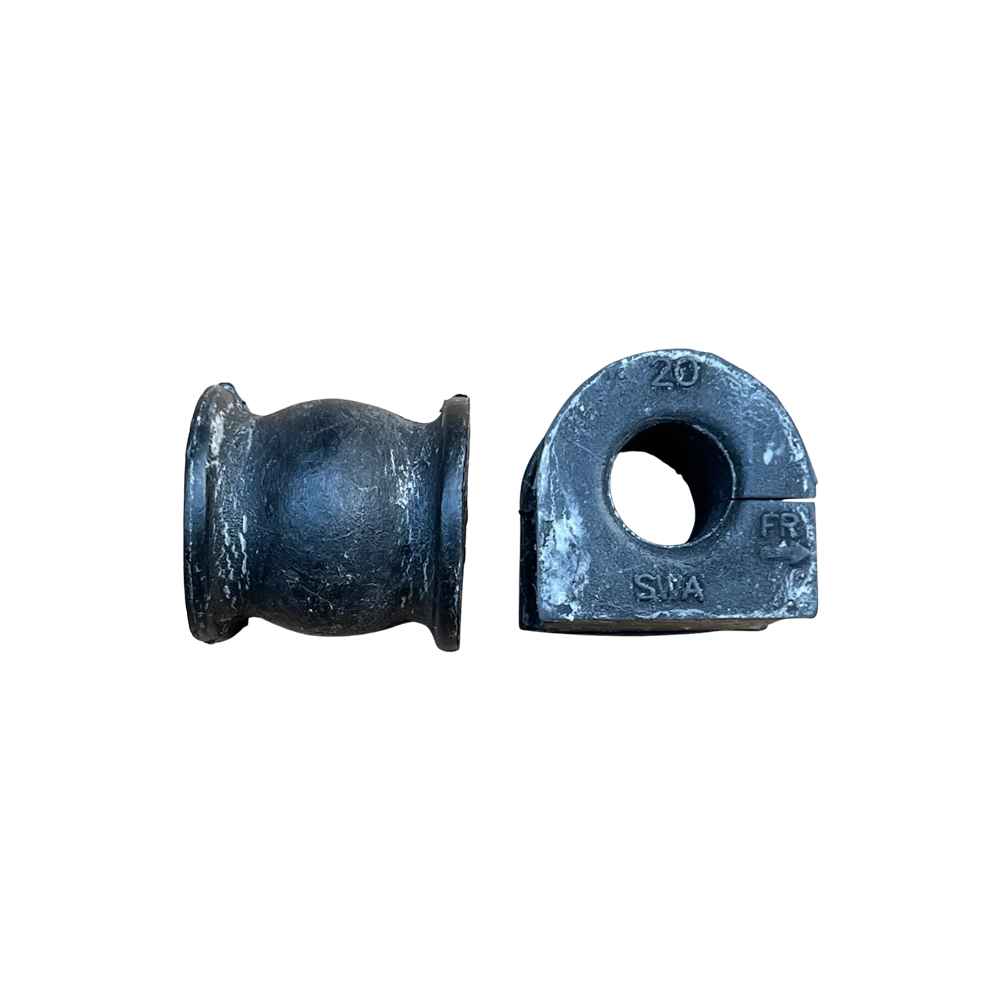
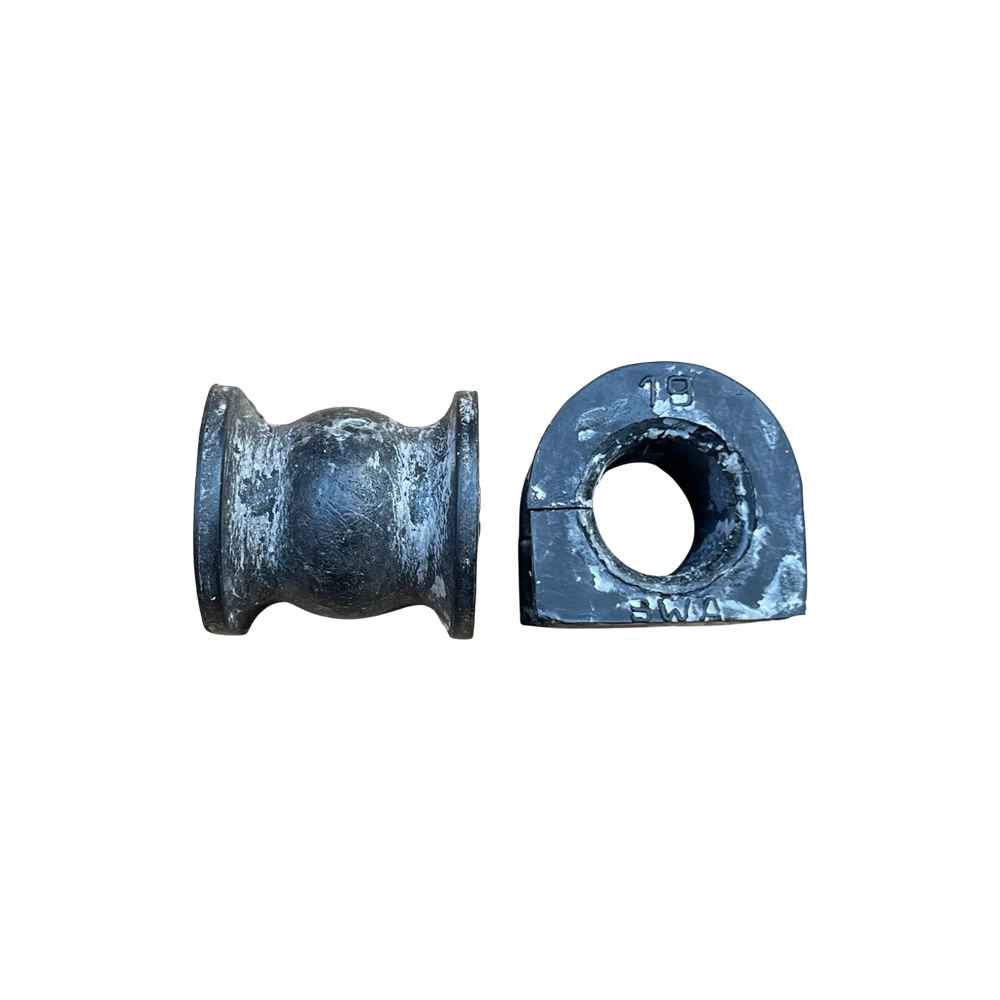
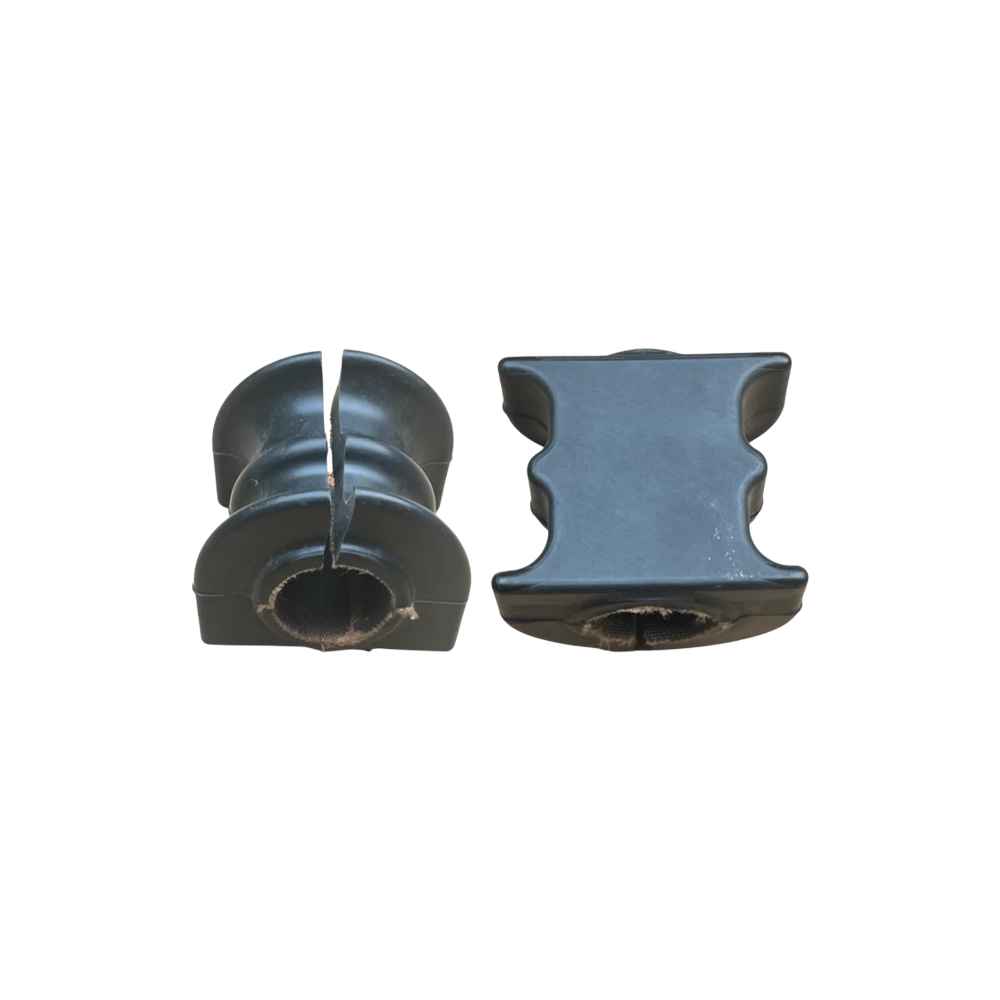
- Stabilizer Bar Bushings
- Valve Cover Gasket
Material Considerations
When selecting sealing materials, it is essential to consider factors such as temperature resistance, chemical compatibility, and physical durability. For instance, rubber compounds are commonly used due to their excellent flexibility and resilience, while specialized polymers may be chosen for more demanding applications.
Leak-Proofing Strategies in Manufacturing
Manufacturers adopting TS16949/ISO certification standards must implement rigorous quality assurance processes to guarantee leak-proof solutions. This includes:
- Utilizing advanced manufacturing techniques to ensure precise fitment of sealing components.
- Conducting thorough testing procedures, such as pressure testing and fluid compatibility assessments, to detect potential failures before they reach the market.
- Maintaining stringent material sourcing practices to select high-quality raw materials that meet industry requirements.
Inspection and Quality Control
Effective inspection protocols during the production phase are critical. Employing tools like optical measuring devices and leak detection systems allows manufacturers to catch defects early, thereby reducing the risk of faulty products entering the supply chain. The implementation of standardized checks ensures consistent quality across all batches of sealing products.
Guanghua’s Approach to Leak-Proof Technology
As a recognized leader in the field, Guanghua emphasizes the importance of innovation in developing leak-proof technologies for vehicular applications. By investing in research and development, the company continually enhances its product line to exceed industry standards. Moreover, collaboration with automotive engineers ensures that new designs effectively address real-world challenges faced by drivers.
Case Studies: Successful Implementations
Several case studies highlight the effectiveness of Guanghua's sealing solutions in preventing fluid leaks. One notable instance involved the use of reinforced CV joint boots in harsh terrains, significantly extending service life and improving overall vehicle reliability. Such tailored solutions demonstrate how targeted engineering can resolve common performance issues.
Best Practices for Maintenance and Replacement
For vehicle owners, understanding best practices related to sealing component maintenance is vital. Regular inspections should be performed to identify signs of wear, such as cracking or discoloration of rubber components. Additionally, following manufacturer guidelines on replacement schedules can prevent unexpected failures.
DIY vs. Professional Services
While some repairs, particularly those involving straightforward seal replacements, can be tackled by experienced DIYers, others necessitate professional intervention. Complex systems may require specialized equipment and expertise. Hence, assessing one's skill level and the complexity of the task at hand is essential for ensuring proper repairs.
Troubleshooting Common Sealing Failures
In the event of unexpected fluid leaks, several troubleshooting steps can be taken. First, it is advisable to inspect the area surrounding the suspected leak for signs of damage or wear. Next, checking the tightness of connections and fittings can often reveal loose components that may contribute to leaking fluids.
Conclusion
Implementing effective leak-proof strategies within vehicle driveline and axle systems is crucial not only for performance but also for safety. Utilizing high-quality sealing solutions, adhering to stringent manufacturing practices, and fostering ongoing maintenance can significantly enhance the durability of these vital vehicle components.