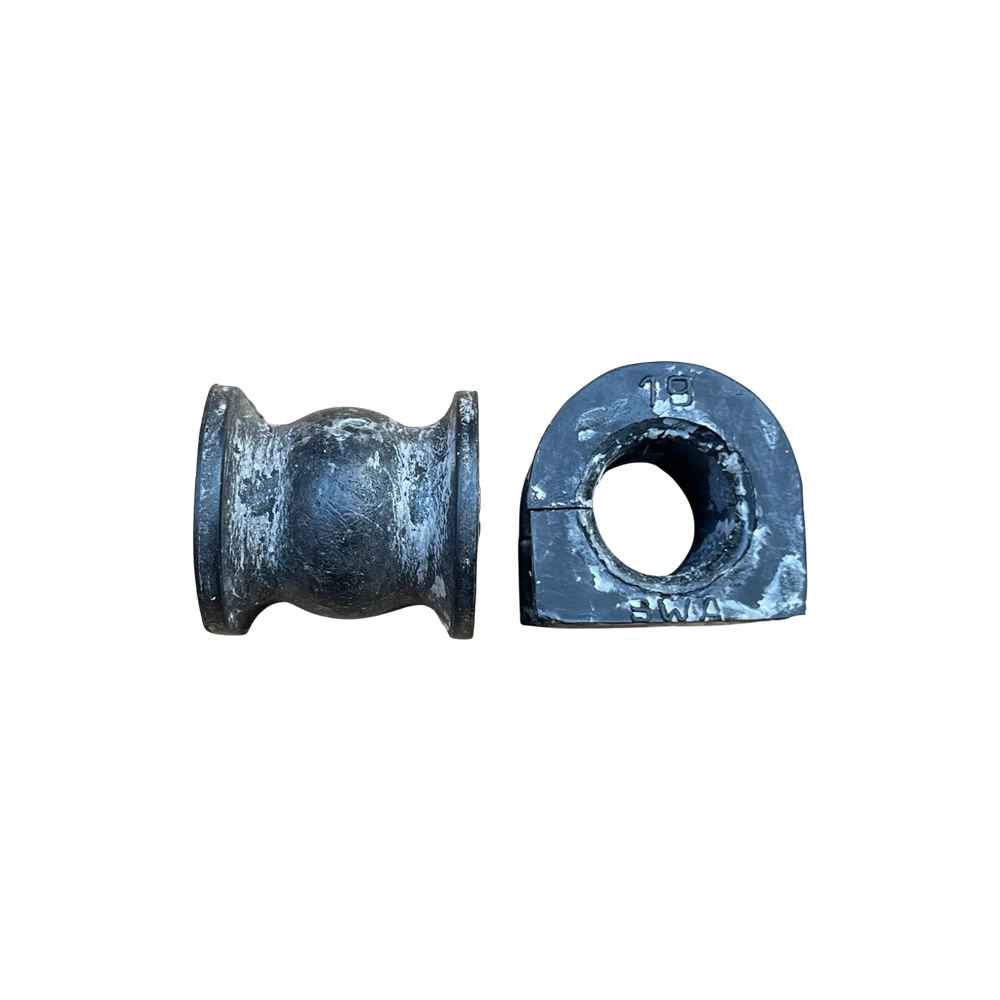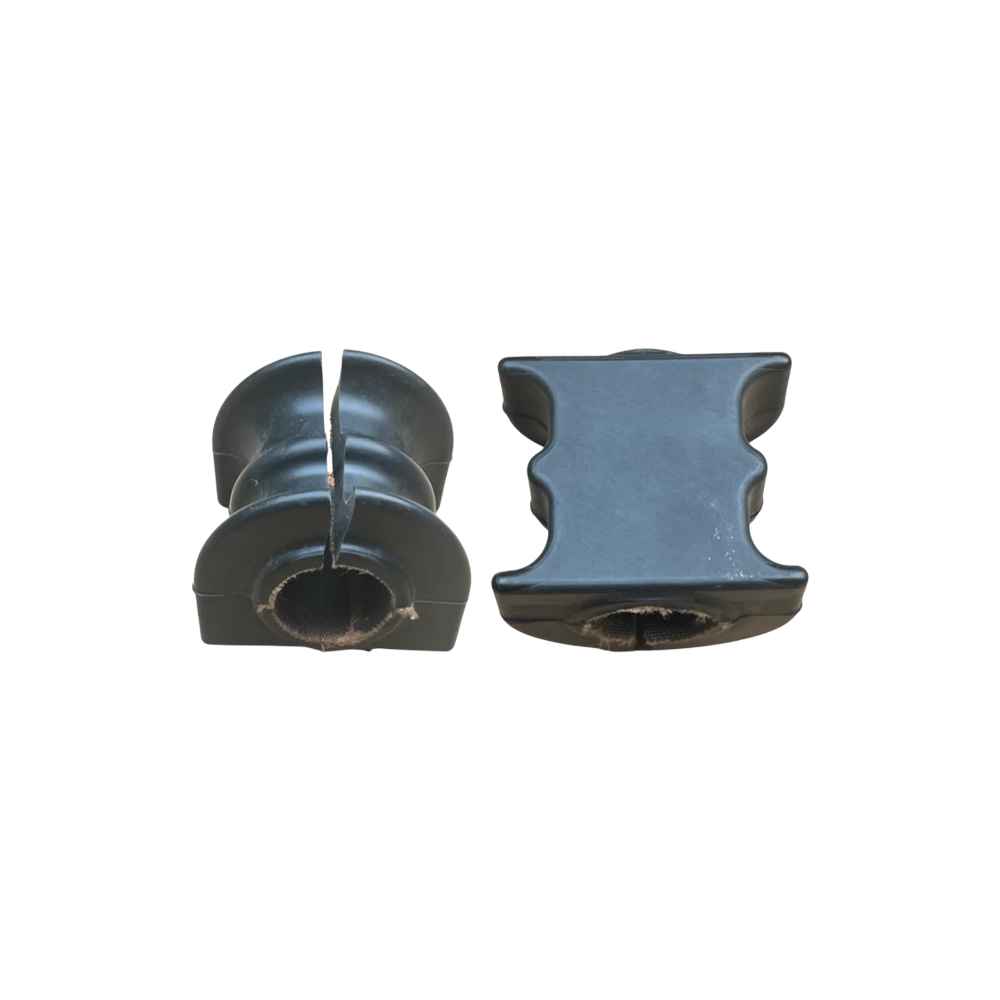
Understanding NBR, Viton, and Silicone in Engine Cylinder Head Sealing
The performance and longevity of an engine heavily rely on the quality of its sealing components. The choice of materials such as Nitrile Butadiene Rubber (NBR), Viton, and silicone significantly impacts the effectiveness of these seals, particularly in the context of cylinder head sealing. Each material presents its unique properties, advantages, and suitable applications.
Properties of NBR Seals
NBR is a synthetic rubber renowned for its excellent resistance to oil, fuels, and other automotive fluids. Its copolymer structure contributes to a high level of flexibility and strength, making it an ideal candidate for engine seals that must withstand various environmental stresses.
- Oil Resistance: NBR's ability to resist degradation in the presence of oils makes it a popular choice for applications where exposure to lubricants is expected.
- Temperature Range: While NBR can operate effectively within a temperature range typically between -40°C to 100°C, prolonged exposure to higher temperatures may lead to premature wear and loss of elasticity.
- Cost-Effectiveness: Generally, NBR materials are more affordable compared to their counterparts, making them a preferred option for many contract manufacturers.
Exploring Viton for Advanced Applications
Viton, or fluoroelastomer, surpasses NBR in terms of both thermal stability and chemical resistance. This material is designed to perform under extreme temperatures and harsh chemical environments, thus making it highly suitable for demanding sealing applications.
- High-Temperature Performance: Viton's exceptional ability to function at temperatures up to 200°C allows for use in high-performance engines where conventional materials might fail.
- Chemical Compatibility: The fluorine content in Viton provides superior resistance against a wide array of chemicals, including solvents and acids, which can be especially beneficial in niche automotive applications.
- Durability: For applications requiring longevity, Viton seals often outlast NBR seals by several factors, although they come at a higher price point.
Silicone: The Versatile Option
Silicone seals offer a unique blend of flexibility and resilience that makes them suitable for a variety of applications in engine cylinder heads. With hydrolytic stability and broad temperature tolerance, silicone has become increasingly favored among manufacturers.
- Wide Temperature Tolerance: Silicone can withstand temperatures ranging from -60°C to 250°C, making it highly effective in engine environments that experience significant thermal fluctuations.
- Flexibility: The inherent flexibility of silicone allows it to maintain a good seal even under dynamic conditions, where mechanical vibrations could cause other materials to fail.
- Low Compression Set: Silicone exhibits a low compression set, which helps maintain sealing integrity over time, translating into reduced maintenance requirements for the end-user.
Choosing the Right Material for Your Application
Selecting the most appropriate material for engine cylinder head sealing involves careful consideration of various factors, including operating conditions, cost implications, and specific performance requirements.
For instance, if your engine operates in a high-temperature environment with exposure to aggressive chemicals, opting for Viton would likely yield better results than NBR. Conversely, in standard applications where cost is a critical factor, NBR seals might be entirely adequate.
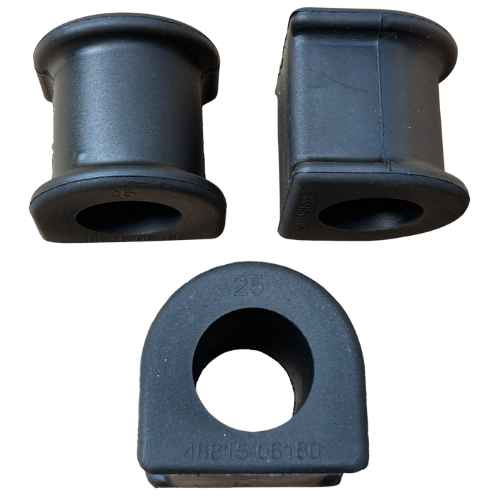
Factors Influencing Material Selection
- Environmental Conditions: Assessing the thermal and chemical environment is crucial in determining which sealing material will perform optimally.
- Application Type: Different types of engines or machinery may have specific sealing needs, which should guide the selection process.
- Budget Constraints: While premium materials like Viton offer enhanced performance, budgetary considerations may necessitate a balance between cost and functionality.
Contract Manufacturing Considerations
When engaging with contract manufacturing partners, it becomes imperative to communicate the specific requirements related to material selection. Companies like Guanghua excel in providing tailored solutions, ensuring that the right materials are utilized based on client specifications and application demands.
Moreover, evaluating the capabilities of the manufacturer concerning their knowledge of material science and engineering processes can directly impact the success of the sealing solutions provided. A partner's expertise in producing high-quality CV Joint Boots , Steering Rack Boots , and similar components can further enhance the reliability of the engine assembly.
Quality Assurance and Testing
An essential aspect of any contract manufacturing partnership involves rigorous quality assurance protocols. Testing methods such as tensile strength tests, compression set evaluations, and thermal aging assessments help ensure that the selected materials meet industry standards.
- Tensile Strength Tests: These tests evaluate the material's ability to withstand stretching without failing, providing insights into its durability under operational stresses.
- Compression Set Evaluations: Understanding how well the seal maintains its shape after being compressed is critical for long-term sealing performance.
- Thermal Aging Assessments: This testing method simulates prolonged exposure to high temperatures, revealing potential weaknesses in materials before they are deployed in real-world applications.
Conclusion: The Right Fit for Engine Performance
As industries continue to evolve, the significance of choosing the right materials for engine cylinder head sealing cannot be overstated. NBR, Viton, and silicone each hold distinct advantages that cater to varying automotive needs. Through collaboration with knowledgeable contract manufacturing partners like Guanghua, manufacturers can ensure that they select the optimal sealing solutions to enhance engine performance and reliability.