Understanding NBR, Viton, and Silicone in Vehicle Driveline & Axle Repair
In the automotive industry, selecting the right material for seals and boots can significantly impact a vehicle's performance and longevity. Nitrile Butadiene Rubber (NBR), Viton, and silicone are three commonly used materials that each offer unique advantages when it comes to driveline and axle repairs.
NBR: A Reliable Choice
NBR is widely recognized for its excellent resistance to wear, tear, and oil. This makes it an ideal choice for applications like CV Joint Boots and Steering Rack Boots . The flexibility of NBR allows it to maintain a proper seal even during extreme conditions, which is crucial for maintaining hydraulic integrity within the driveline system.
- Advantages: Good abrasion resistance, can withstand various oils, and offers good mechanical properties.
- Disadvantages: Limited temperature range compared to Viton; not suitable for certain chemical exposures.
The Superiority of Viton
Viton, or fluoroelastomer, takes things up a notch with its exceptional heat and chemical resistance. For critical components that face harsh environments, such as Shock Absorber Boots , Viton is often the go-to choice. Its resilience against high temperatures and corrosive substances makes it a favorite among manufacturers aiming for durability.

- Advantages: Excellent thermal stability, superior chemical resistance, and long service life.
- Disadvantages: Higher cost compared to NBR and limited availability in some regions.
Silicone: The Flexible Option
When it comes to versatility, silicone shines. Although its applications might be less common in driveline components, it's frequently used for Valve Cover Gaskets due to its ability to handle both extreme temperatures and flexing. Silicone is particularly advantageous in areas requiring significant movement without compromising sealing performance.
- Advantages: Excellent temperature range, good aging properties, and high flexibility.
- Disadvantages: Poor resistance to petroleum-based products and potential for compression set over time.
The Role of TS16949/ISO Certification
For manufacturers like Guanghua, being TS16949 and ISO certified is more than just a badge; it’s a commitment to quality and reliability. These certifications ensure that all components meet stringent international standards, particularly in the realm of automotive parts. Whether you’re using NBR, Viton, or silicone, having certification signifies that these materials have undergone rigorous testing and quality checks.
Choosing the Right Material for Your Application
When determining the best material for your specific application, consider several factors:
- Environmental Conditions: What will the component be exposed to? Oils, chemicals, temperatures?
- Mechanical Requirements: Does the application demand flexibility, strength, or both?
- Cost vs. Performance: Sometimes, opting for a more expensive material can save costs in the long run by reducing failures and replacements.
For instance, if you're dealing with a part that sees heavy oil exposure, NBR may be the optimal choice, whereas for parts subjected to extreme heat and aggressive chemicals, Viton could pay off better in the long term.
Conclusion on Material Selection
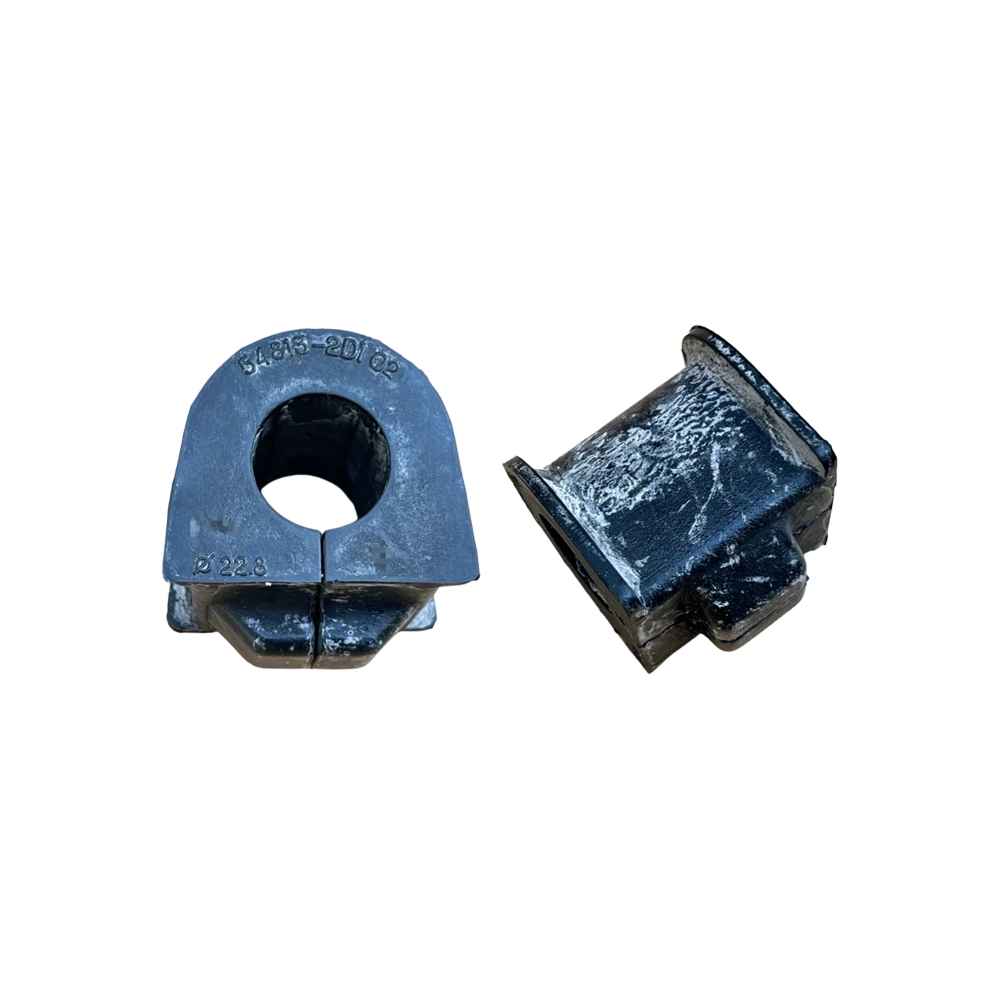
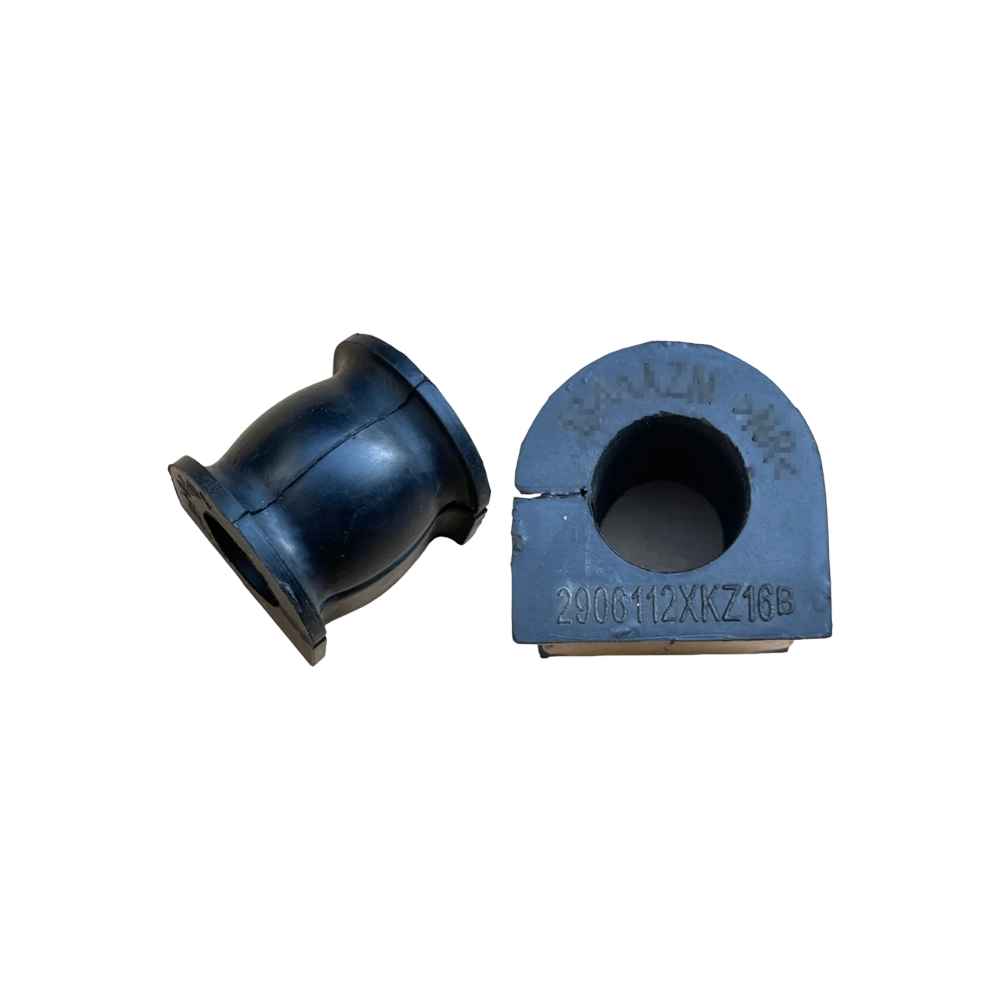
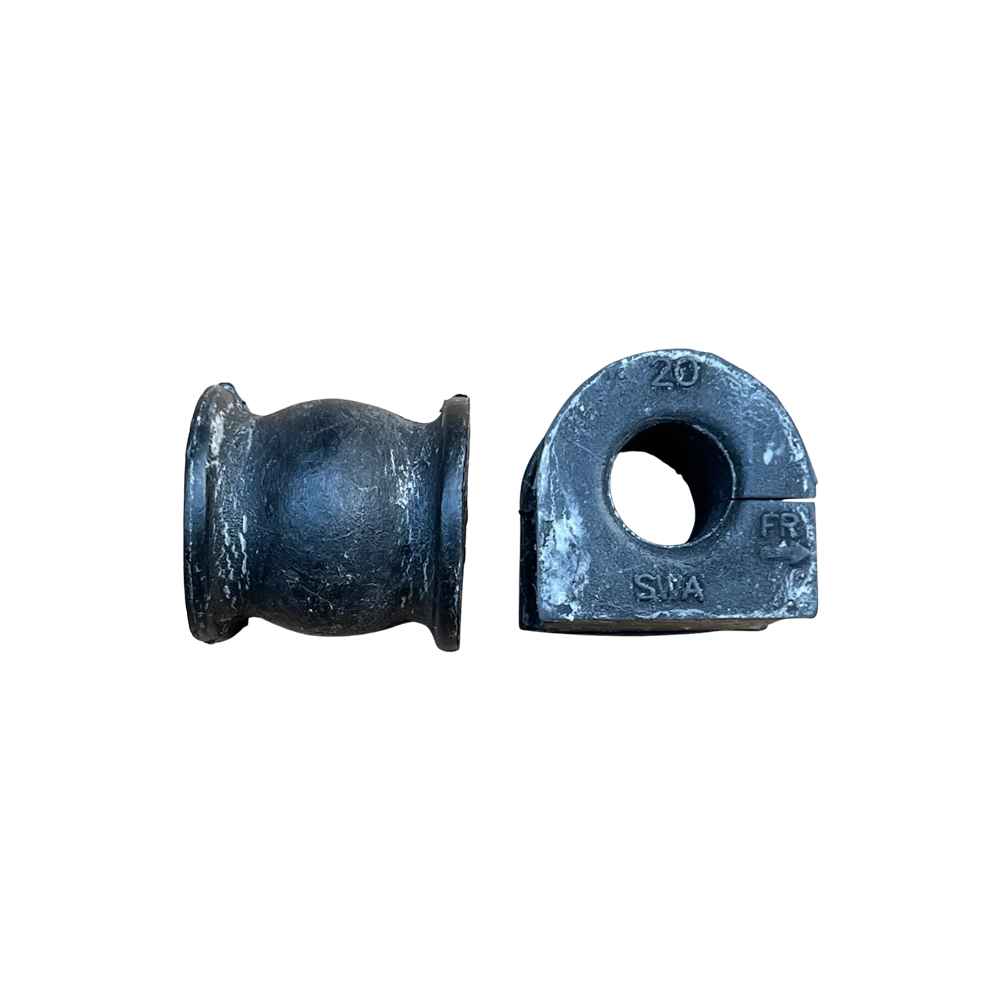
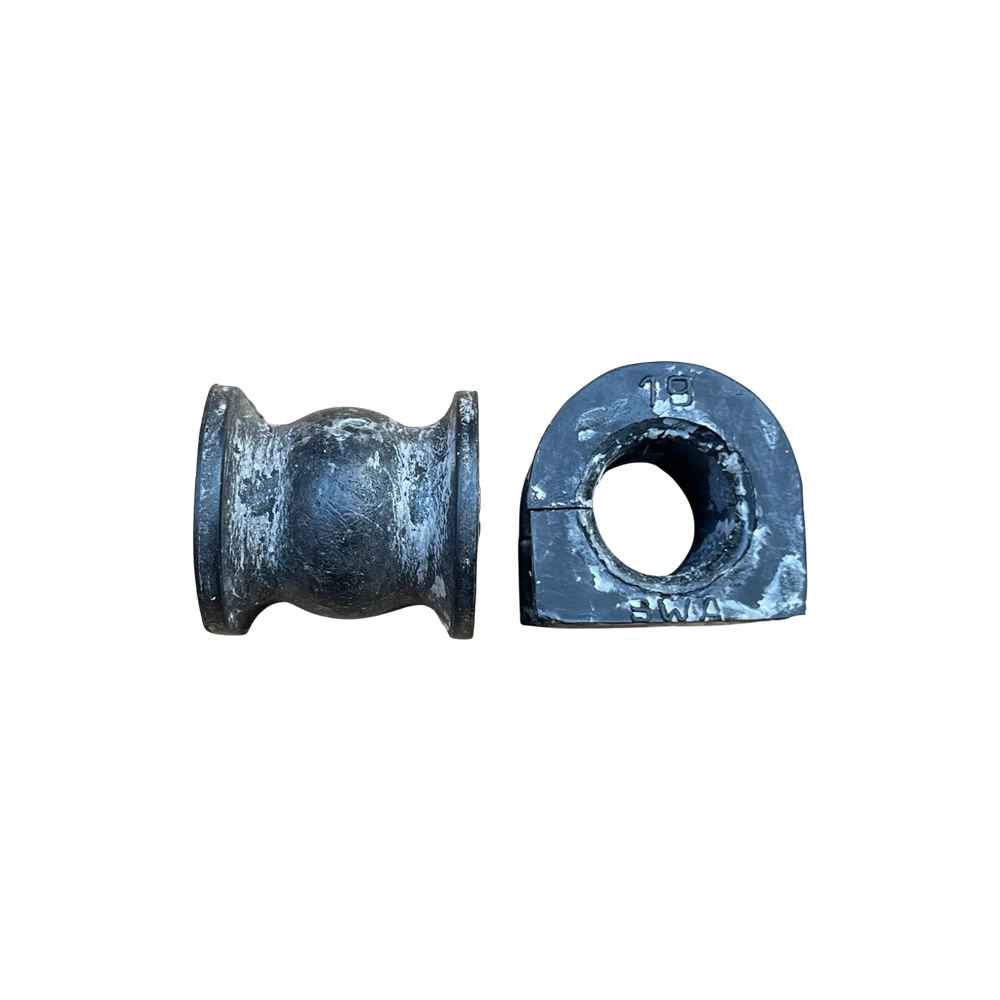
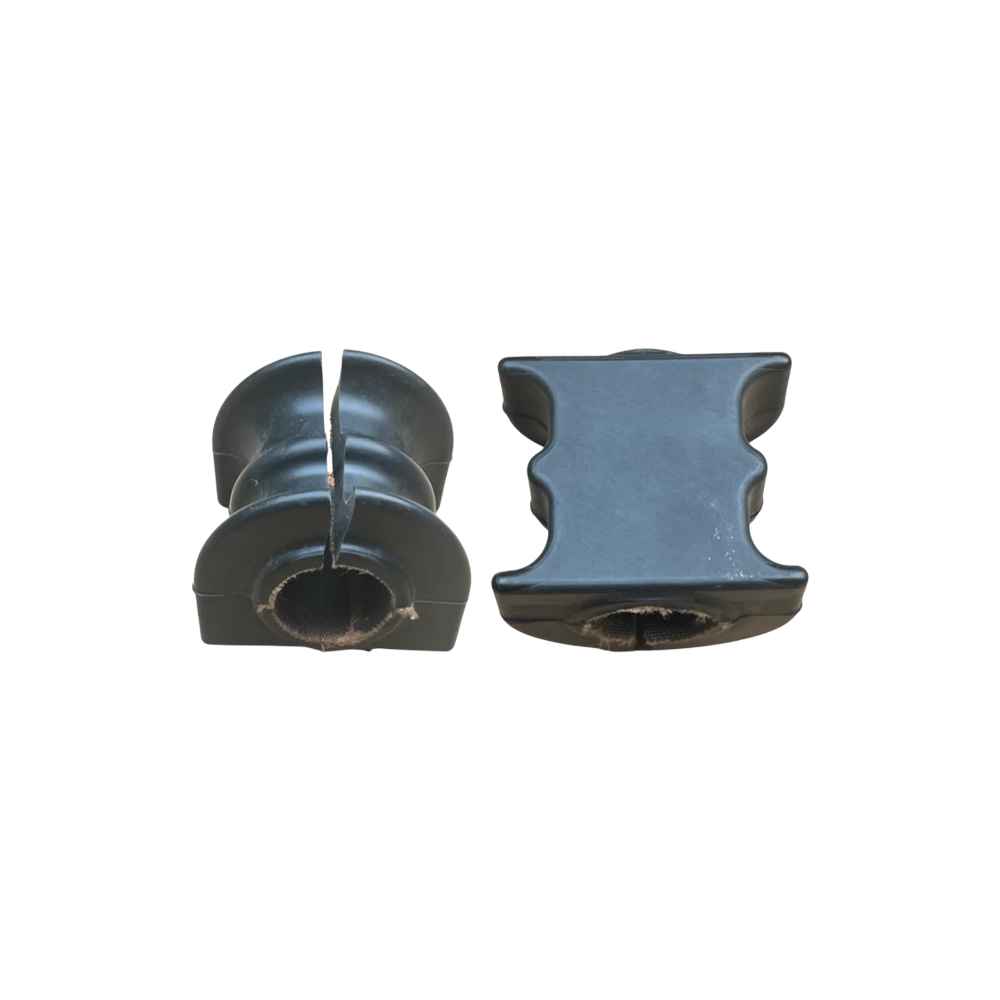
Ultimately, the choice between NBR, Viton, and silicone hinges on balancing performance characteristics with cost-effectiveness. As a seasoned professional in the automotive repair sector, I strongly recommend consulting with manufacturers who adhere to TS16949 and ISO standards. Their expertise can guide you in selecting the most appropriate materials for your vehicle driveline and axle repairs, ensuring that the products you use—be they O-Rings & Rubber Sealing Rings or Stabilizer Bar Bushings—are up to the challenge.